




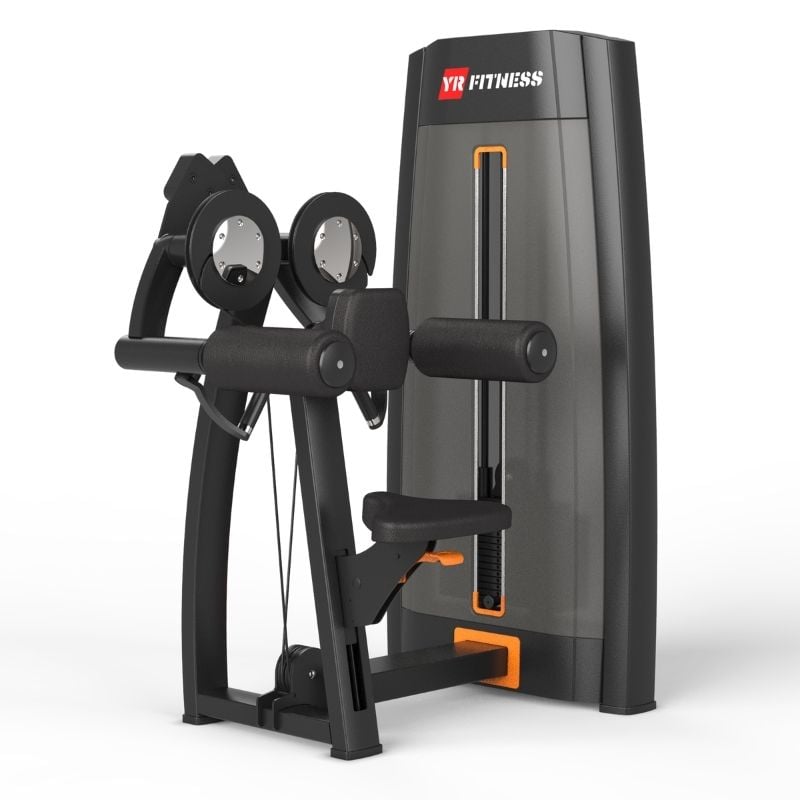
Commercial Lateral Raise Machine Manufacturer in China
Built by athletes, for athletes.
Built tough to handle every strength training.
Built with precise movement angles since 1997.
Products We Have for You
Showing all 3 results
-

Seated Lateral Raise
$5.00YR Fitness C403 Seated Lateral Raise Machine is designed to follow the body’s natural shoulder movement, making w
-

Seated Lateral Raise
$5.00YR Fitness 7303 Seated Lateral Raise uses independent arms and a smooth cam system to replicate natural shoulder mo
-

Lateral Raise
$5.00YR Fitness 61A03 Lateral Raise supports natural shoulder movement with self-aligning handles and a smooth strength
Certified by Global Standards
Backed by CE, TÜV, and ISO certifications so you can buy with full confidence in safety and performance.

DESIGNED By ATHLETES,
FOR ATHLETES
At YR Fitness, Design Transcends Aesthetics.
It’s About Functionality.
Simple, But Significant.


Only True Feedback Counts
Quality Standard of YR Fitness
That’s why we are confident to compete with big brand quality, but at 1/5 price.
Built with Strength: 3.0mm Solid Steel Pipes
We use thick 3.0mm+ Q235 steel pipes for every part of the machine — whether it’s the frame or the training area, no matter the size. With added reinforcement bends, our machines stay strong and steady. No shaking, just solid power.

This is How We Make Your Gym Equipment
Over 20 years, YR Fitness has put $8M into tech—just to bring you better machines.
100% Original Design Since 1997
Because Great Design Makes Great Machines.
Pulley Output Ratio
Leveraging the power of physics, we’ve tailored our pulley output ratio for optimal training. Take our butterfly machines: a 2:1 ratio means a 70kg weight selection delivers a 35kg training load. This higher ratio enhances your workout and saves on weight plate costs.

Compare Our Key Series
73 Series
Heavy-Duty Frame
Pro-Level Movement
High-End Line
61A Series
Durable
Affordable
Best-Selling
C4 Series
Modern Look
Upgraded Fusion
More Features
Quick Comparison At A Glance
Feature | 73 Tough Series | 61A Racing Series | C4 Revival Series |
|---|---|---|---|
Launch Year | 2008 | 2016 | 2025 |
Design Focus | High-end performance and biomechanics | Space-saving, budget-friendly, market-driven | Combines 61A’s simplicity with 73’s advanced features |
Frame Tubing | 75×130×3.0 mm (main) + 58×101×3.0 mm (functional) | 75×118×3.0 mm (main) + 50×120 / 40×80 / 50×100 mm | 150×50×3.0 mm (main) + 50×120 / 40×80 / 50×100 mm |
Aesthetic Design | Parabolic, bold, aluminum accents | Compact and practical | Stylish, modern, fits younger gym aesthetics |
Durability Level | Heavy-duty, custom-engineered components | Very durable, many still running after 20+ years | Same durability level with upgraded styling and adjustability |
Movement Types | Independent converging/diverging paths | Standard movement paths | Includes both standard and independent paths (split models) |
Adjustability | Basic adjustability | Standard user adjustability | Advanced: rotating handles, adjustable pads, backrests, etc. |
Innovation Level | First of its kind globally in 2008 | Refined through years of customer feedback | Integrated innovation from both series + unique new machines |
Series Size | 62 models | 62 models | 74 models (still expanding) |
Target Buyer | High-end gyms, serious training centers | Budget-conscious gyms, franchise chains | Gyms that want both performance and style |
Pricing | Premium | Most affordable | Mid-range, with excellent feature-to-price ratio |
Production Method | Partially handmade due to complex design | Fully industrialized | Industrial production with some specialty detailing |
After-Sales Service | Lifetime support | Lifetime support | Lifetime support |
Let’s Talk

Blake Fisher
Gym Owner from Malaysia
Our members love using this. Super strong with top engineering. Great quality at an affordable price. Smooth to operate, can handle big weights and hits the target muscle. We are very satisfied for these gym machines! We plan on opening another gym once the virus is over.

Jay Dang
Gym Owner from Australia
Commercial quality. Well made. I feel it is just as good as the other top brand benches we have at our club eg Technogym, Matrix etc, but is so much more affordable. All of my order arrived on time and the sales manager was awesome to communicate with. Highly recommend!!!

Steve
Gym Owner from USA
The Quality is very nice, I really like them. All my clients are happy with my new equipment. I will work hard to promote them in Poland.

Allan
Distributor from Poland
Commercial Lateral Raise Machine – Definitive FAQ Guide
1. What does a commercial lateral raise machine train?
It mainly trains the shoulder muscles, especially the side deltoids.
This machine builds stronger and more balanced shoulders in a controlled motion. It focuses on lifting the arms out to the sides, which helps many users develop shape and stability in the upper body. It is also easier to learn than free-weight lateral raises.
For commercial gyms, this machine supports beginners who struggle with proper form. It guides the movement and reduces stress on the joints. At YR Fitness, we design our commercial strength machines with accurate movement angles so users feel the target muscle right away without extra strain.
3. How much space do I need for this machine?
Most commercial lateral raise machines need a compact footprint with a small safety zone around them.
These machines take up less room than many shoulder or cable machines. You mainly need enough space for one seated user and the side-to-side arm motion. This makes them easy to place in both small and large gyms.
At YR Fitness, we design our strength machines with efficient footprints to help gym owners save floor space. Our machines are built for high-traffic commercial use, so they fit well into tight layouts without making the training area feel crowded.
5. Is the seat height or arm pads adjustable?
Yes, the seat height is adjustable and the arm pads are designed to support different shoulder positions.
Most commercial lateral raise machines include a seat height lever. Users raise or lower the seat until their shoulders match the machine’s pivot. This alignment is important for proper muscle engagement.
We at YR Fitness focus on easy-to-use adjustments to help members train safely. Our padding and arm supports follow ergonomic standards so the shoulders stay in a natural position.
7. Can it fit through a standard doorway during delivery?
Most machines do not fit through a standard doorway unless they are partially disassembled.
Commercial lateral raise machines are wide because of the arm path and weight stack. A typical doorway is around 80–90 cm wide, while the machine is usually wider when fully assembled. For this reason, delivery teams often bring the unit in pieces.
At YR Fitness, we ship machines in packaging that supports easier handling. The machine can be assembled inside the gym area after delivery. If it is your first time receiving commercial equipment from China, our team can guide you through the process and help you avoid common delivery issues.
9. Does it allow unilateral training?
Yes, most commercial lateral raise machines allow single-arm (unilateral) training if the arms move independently.
Unilateral training helps users fix strength imbalances between the left and right shoulders. Many machines have separate movement arms, which makes single-side work easy. This feature also supports better muscle control for beginners.
At YR Fitness, we design our machines with smooth independent arms when the movement style allows it. This helps users train one side at a time without losing balance. It also supports gyms that need equipment suitable for all training levels.
11. What safety features does it have?
Most commercial lateral raise machines include fixed movement paths, stable frames, and secure seat and pad supports for safe use.
A fixed path helps users keep their shoulders in the correct position. The machine also prevents sudden drops that can happen with free weights. This makes it safer for beginners who may struggle with form.
At YR Fitness, we build our equipment with strong frames and thick padding to protect users during training. Our machines follow ergonomic movement angles that help reduce joint stress. This supports safe daily use in busy gyms.
13. Can the machine handle high-volume commercial use?
Yes, a commercial lateral raise machine is built to handle heavy daily use in busy gyms.
The frame, bearings, and pads are designed for repeated use throughout the day. Members can use the machine back-to-back without wearing out the moving parts. This makes it a reliable shoulder machine for long-term operation.
We at YR Fitness build all strength machines for commercial environments only. Our machines use solid materials and strong construction methods, so they last for many years under constant use. Many gyms continue using our equipment for 8 years or more.
15. What type of bearings or pulleys does it use?
Most commercial machines use sealed bearings and smooth pulleys to keep the motion steady.
These parts help reduce friction during the lift. They also protect the shoulders by keeping the movement even. Good pulleys and bearings also increase the lifespan of the machine.
At YR Fitness, we use durable bearings and strong pulley materials that support high-volume use. This helps the machine stay smooth even when members use heavier weights. It also reduces long-term maintenance needs for gym owners.
17. How much daily maintenance does it require?
Daily maintenance is minimal and usually includes simple cleaning and quick checks.
Most gyms wipe down the pads and handles after use. Staff also look for dust around the weight stack or guide rods. These small tasks keep the machine safe and ready for members.
At YR Fitness, we build machines that stay stable with very little daily care. Good materials help reduce wear and make cleaning easy. This supports busy gyms that need fast and simple upkeep.
19. Are replacement parts easy to get?
Yes, replacement parts for commercial machines are usually easy to source from the manufacturer.
Most commercial machines use standard components, so parts like pads, bearings, and cables can be replaced when needed. This helps gyms keep equipment running with little downtime. Good brands also provide direct support for ordering parts.
We at YR Fitness offer after-sales support to help gym owners get the parts they need quickly. Our team provides fast responses and simple solutions for replacements. This helps keep your machines working with less stress on your staff.
21. Does the machine meet common gym industry standards?
Yes, commercial lateral raise machines are designed to meet industry safety and performance standards.
Most commercial equipment follows strict guidelines for stability, ergonomics, and load capacity. These standards help protect users and ensure consistent performance. Meeting them is important for any gym that serves many members.
We at YR Fitness follow ISO20957 standards and hold more than 40 patents for our designs. Our machines are used in major gym chains and even by sports organizations. This helps gym owners trust the quality and safety of our equipment.
23. What is the warranty coverage of the commercial lateral raise machines?
Warranty coverage usually includes the frame, moving parts, and padding for a set number of years.
Most commercial machines come with separate warranty terms for different parts. Frames often have the longest coverage because they rarely fail. Moving parts, like bearings and pulleys, have shorter terms since they face more wear. Pads and cables may have the shortest coverage because they are used the most.
At YR Fitness, we provide assured after-sales support to help gym owners feel confident with large orders. Our team offers quick responses within 24 hours when you need help. This support makes maintenance and replacement requests easier for your staff.
2. Is the commercial lateral raise machine safe for beginners?
Yes, it is safe for beginners because it guides the motion and supports proper shoulder alignment.
Beginners often struggle with free weights due to weak stabilizers or poor form. A lateral raise machine removes these issues and locks the shoulders into a safe path. This helps reduce injury risk and makes training easier for new members.
We at YR Fitness design our commercial equipment for users of all levels. Each machine follows ergonomic standards that protect the shoulder joint and keep the motion smooth. Our padding, angles, and handles help members train with confidence from their first session.
4. Can the machine be adjusted for different user heights?
Yes, most commercial lateral raise machines can be adjusted to fit users of different heights.
The seat and arm position usually allow users to line up their shoulders with the pivot point. This helps keep the movement safe and effective. Shorter and taller members can use the same machine without trouble.
At YR Fitness, we design our machines with simple adjustment settings. This helps gyms support a wide range of users, from beginners to advanced lifters. Our goal is to make sure each user can find a comfortable and stable position during training.
6. How heavy is the machine?
A commercial lateral raise machine usually weighs between 200–300 kg (440–660 lbs).
The weight comes from the steel frame, weight stack, and moving parts. This heavy structure keeps the machine stable during high-volume use in busy gyms. The weight also reduces shaking when members use heavier loads.
At YR Fitness, we use thick steel tubing and durable components in all strength machines. This helps our equipment stay firm even after years of daily use. Many commercial gyms use our machines for long periods without stability issues. If you need help planning floor load or placement, our team can guide you.
8. What is the typical weight stack size?
Most commercial lateral raise machines come with a weight stack of 70–100 kg (154–220 lbs).
This range works well for both beginners and advanced users. Shoulder muscles do not need extremely heavy loads, so this stack size covers most training needs. It also keeps the machine safe and stable for long-term commercial use.
At YR Fitness, we choose weight stack sizes that match real training demands. Our goal is to give gym owners a machine strong enough for daily use but simple for beginners to handle.
10. How smooth is the motion under heavy load?
A well-built commercial lateral raise machine should stay smooth even under heavier loads.
Smooth motion is important for shoulder training because the joint is sensitive to rough or jerky movements. High-quality pulleys and guide rods reduce friction during each rep. This helps members focus on the target muscle instead of fighting the machine.
We at YR Fitness use durable pulleys and quality bearings to keep the motion stable and even. Our design reduces shaking or sticking, even when the weight stack is near its limit. This helps gyms offer consistent performance to all members.
12. How easy is it to clean and sanitize?
It is easy to clean because the surfaces and pads are smooth and accessible.
Most pads wipe clean with standard gym cleaners. The frame has open areas that allow staff to reach dust and sweat spots. This helps keep the machine sanitary throughout the day.
At YR Fitness, we use commercial-grade padding and coatings that handle frequent cleaning. These materials resist cracking and wear over time. This helps gym owners maintain a clean environment with less effort.
14. How durable are the frame and moving parts?
A commercial lateral raise machine has a heavy-duty steel frame and strong moving parts built for long-term use.
The frame is designed to stay stable under daily traffic. The moving arms and pulleys are built to resist wear even during repeated sessions. This level of durability is important in busy commercial gyms.
At YR Fitness, we use thick steel tubing and high-grade components in all our strength machines. Our goal is to help gym owners avoid frequent repairs. Many clients have used our equipment for many years with no major issues.
16. What is the average lifespan of a commercial lateral raise machine?
A well-built commercial lateral raise machine can last 5–10 years or more in a busy gym.
The lifespan depends on the quality of the frame, pulleys, and weight stack system. Regular cleaning and proper use also help extend its life. Machines built for commercial use last longer than home-use models.
At YR Fitness, our equipment is designed for long-term commercial environments only. Many gyms use our machines for eight years or more with steady performance. This helps gym owners protect their investment.
18. What is the recommended maintenance schedule for long-term use?
Most gyms follow a weekly and monthly maintenance schedule to keep the machine in good condition.
A steady schedule helps prevent small issues from growing into bigger problems. Weekly checks focus on basic cleaning and visible wear. Monthly checks look at deeper parts like pulleys and guide rods. This mix keeps the machine safe and working well.
Recommended long-term tasks include:
- Weekly cleaning of pads, handles, and exposed metal surfaces.
- Weekly check of bolts, screws, and seat adjustments for looseness.
- Monthly inspection of pulleys, bearings, and cables.
- Monthly lubrication of guide rods if required.
We at YR Fitness recommend regular inspections to keep the machine running smoothly. Our commercial-grade parts are built for long-term performance, so they need less frequent servicing. Still, a steady schedule helps extend lifespan and reduce repair costs.
20. Does the machine need professional installation?
Yes, it is best to have a commercial lateral raise machine installed by trained personnel.
These machines are heavy, and the moving parts must be assembled correctly. A professional setup ensures the seat, arms, and stack line up safely. It also helps prevent early wear from misalignment.
At YR Fitness, we guide customers through the installation process and provide support when needed. Our machines are shipped in a way that makes professional assembly simple. This helps gym owners set up equipment correctly from day one.
22. How many users can move through this machine per hour?
A commercial lateral raise machine can usually support 20–30 users per hour in a busy gym.
Most sets on this machine take only a few minutes. Members sit, adjust the seat, complete their reps, and move on. This makes it a quick station with low wait times.
At YR Fitness, we design machines with easy adjustments to help members move through faster. This helps gyms improve flow during peak hours. It also reduces crowding in strong areas.
24. How does this machine compare to dumbbell lateral raises?
A lateral raise machine provides more stability than dumbbells and helps users keep proper shoulder alignment.
Dumbbells require more balance and joint control, which beginners often struggle with. A machine guides the arms on a fixed path, so the shoulders stay safe and aligned. This makes it easier for users to feel the side deltoids working. It also reduces the chance of using momentum or swinging weights.
We at YR Fitness design our machines with precise movement angles to match the natural shoulder path. This helps members focus on the target muscle with less strain. Many gym owners use both machines and dumbbells to offer variety and support all training levels.