




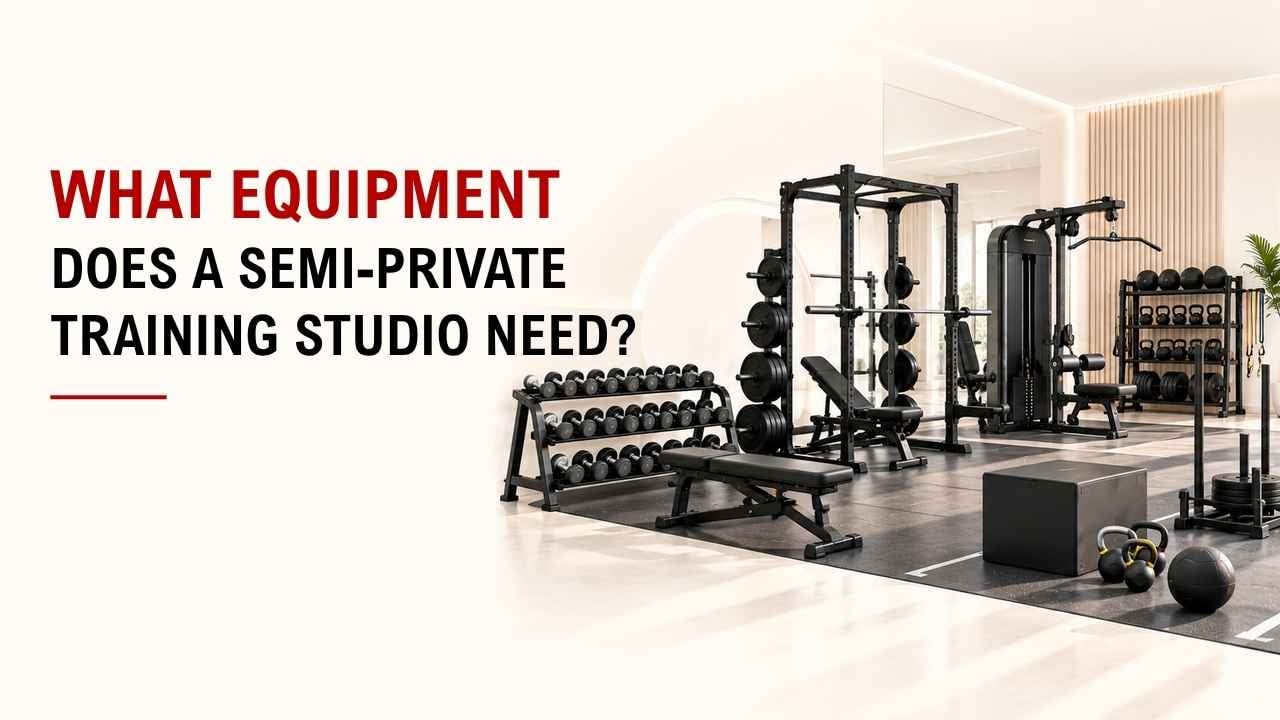

What equipment do you really need for semi-private training? If several people are training together, you need enough flexibility without filling the room with machines.
The short answer is racks, adjustable benches, dumbbells, a cable machine, barbells, kettlebells, and resistance bands. These basics can cover most strength and general fitness workouts.
As an Exercise Physiology & Biomechanics Expert at YR Fitness, I look closely at how equipment supports different exercises, body sizes, and training levels. I often see the best semi-private setups use fewer pieces of equipment but get much more use from each one.
Below, I’ll break down the seven equipment types that matter most. Start with the essentials, then build around your available space and the way you like to train.
Semi-Private Training Equipment at a Glance
Not sure what to buy first? This quick table shows the main equipment you need and what each piece is best used for.
Equipment | Best For | Space Need |
Power or half rack | Barbell strength work | Medium–High |
Adjustable bench | Presses, rows, step-ups | Low–Medium |
Dumbbells | Full-body strength exercises | Medium |
Functional trainer | Cable exercises | Medium |
Barbells and plates | Heavy strength training | Medium |
Kettlebells | Strength and circuits | Low |
Resistance bands | Warm-ups and accessory work | Very Low |
The goal is not to own every machine possible. Current ACSM resistance-training guidance notes that using a particular equipment type, such as machines versus free weights, does not consistently determine results for the average healthy adult.
So what matters more? Choose equipment you can use regularly for several exercises.
1. Power Racks or Half Racks
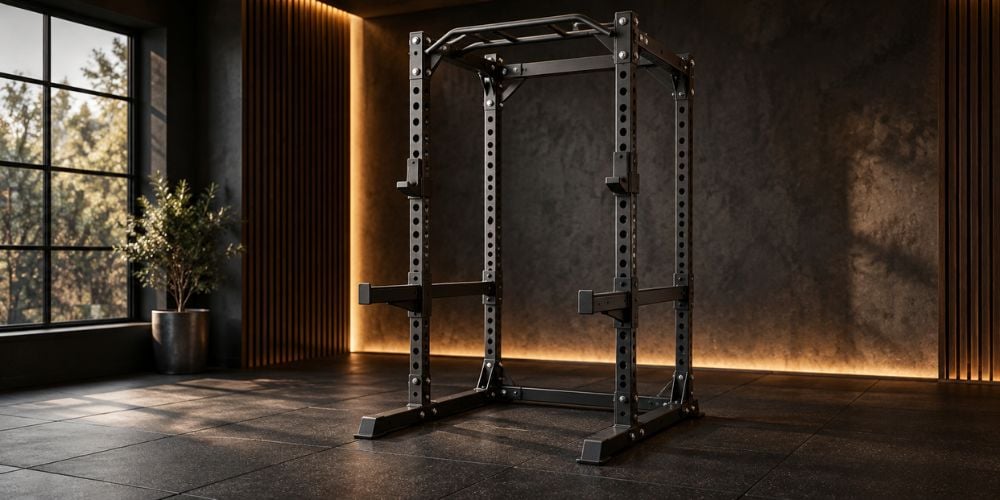
A power rack or half rack gives you one solid station for several major exercises.
You can use it for:
- Squats
- Bench presses
- Overhead presses
- Pull-ups
- Rack pulls
- Barbell lunges
For semi-private training, more than one rack can reduce waiting when several people need a barbell station.
What should you look for? Focus on a stable frame, adjustable safety bars, enough height, and J-hooks that are easy to reposition.
I often prefer racks that support several exercises rather than equipment built around only one movement.
2. Adjustable Benches
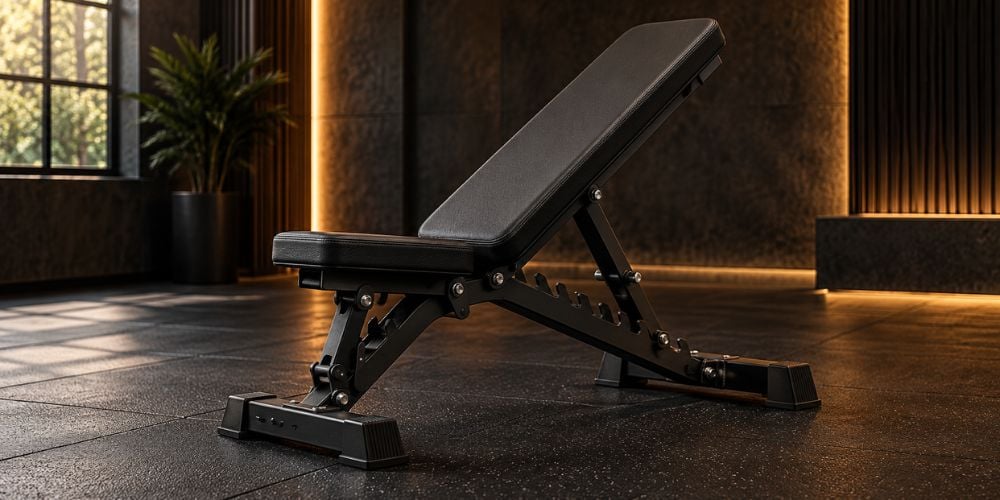
An adjustable bench works with racks, dumbbells, cables, and bodyweight exercises.
Use it for:
- Flat presses
- Incline presses
- Dumbbell rows
- Seated shoulder presses
- Step-ups
- Split squats
Several incline positions give you more exercise choices without taking up much extra floor space.
If several people train together, two or more benches can also make transitions smoother.
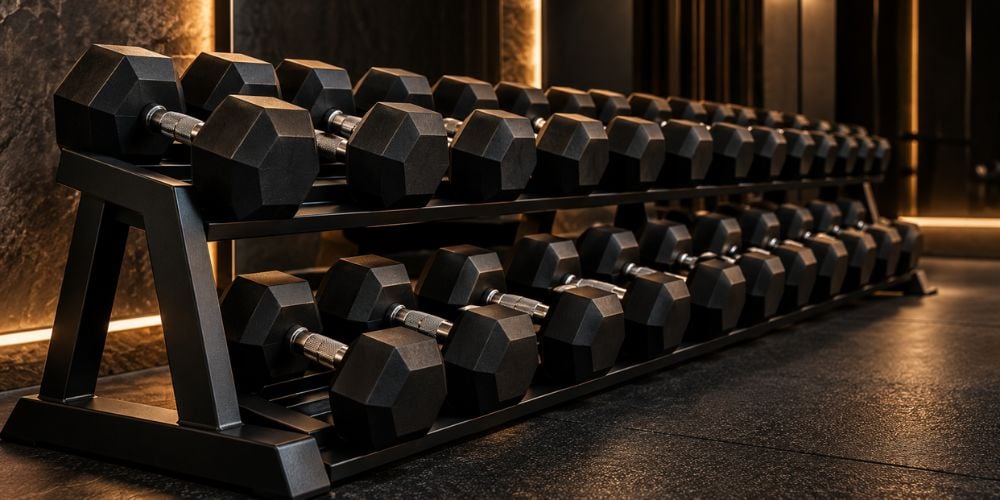
3. Dumbbells
Dumbbells suit almost every training level and give you plenty of exercise choices.
They work well for:
- Chest presses
- Shoulder presses
- Rows
- Lunges
- Romanian deadlifts
- Curls
- Triceps exercises
- Loaded carries
A wider weight range lets beginners and stronger trainees work side by side.
The NSCA guide to resistance-training equipment explains that free weights such as dumbbells, barbells, and kettlebells allow movement across different planes rather than keeping you on a largely fixed machine path.
I also suggest avoiding large jumps between dumbbell sizes. Smaller increases can make progression easier, especially on upper-body exercises.
4. Functional Trainer or Cable Machine
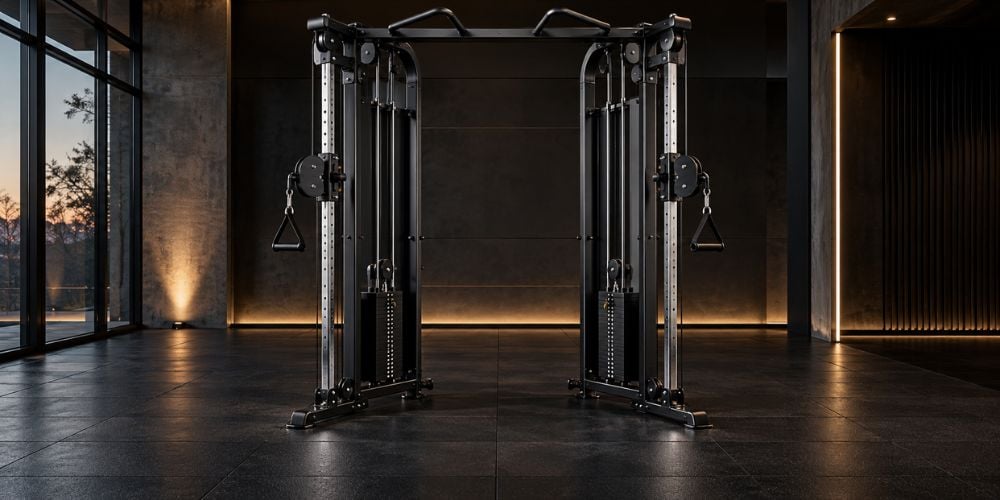
Want more exercise options from one station? A functional trainer is one of the easiest ways to get them.
You can perform:
- Cable rows
- Lat pulldowns
- Chest presses
- Cable flyes
- Face pulls
- Lateral raises
- Biceps curls
- Triceps pushdowns
Cable height and resistance can be adjusted quickly, which works well when people of different strength levels are sharing a session.
A dual-stack functional trainer adds even more flexibility. Depending on its design, two people may be able to exercise at the same time.
If you want to compare racks, benches, cable stations, and other commercial strength equipment, explore YR Fitness equipment options before deciding how to use your available floor space. Our range can help you compare versatile stations instead of filling the room with too many single-purpose machines.
5. Barbells and Weight Plates
Barbells become important when your training includes heavier strength exercises.
Common choices include:
- Squats
- Deadlifts
- Bench presses
- Rows
- Romanian deadlifts
- Overhead presses
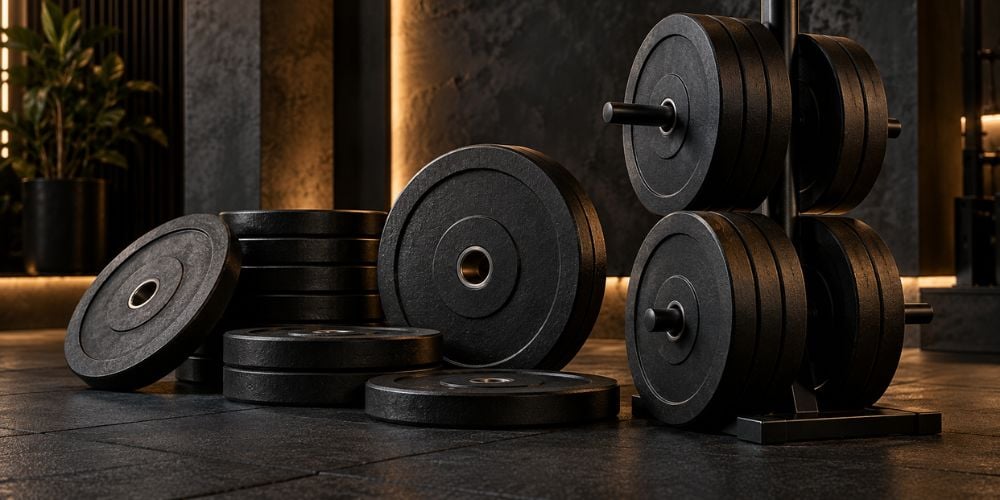
You also need enough plates so several people are not constantly waiting or swapping weights.
Bumper plates work well for exercises starting from the floor. Standard Olympic plates are also practical for general strength training.
And don’t forget storage. Loose plates can make a small training space feel crowded very quickly.
Ideally, you should also have enough barbells that people are not unloading one exercise simply to start another.
6. Kettlebells
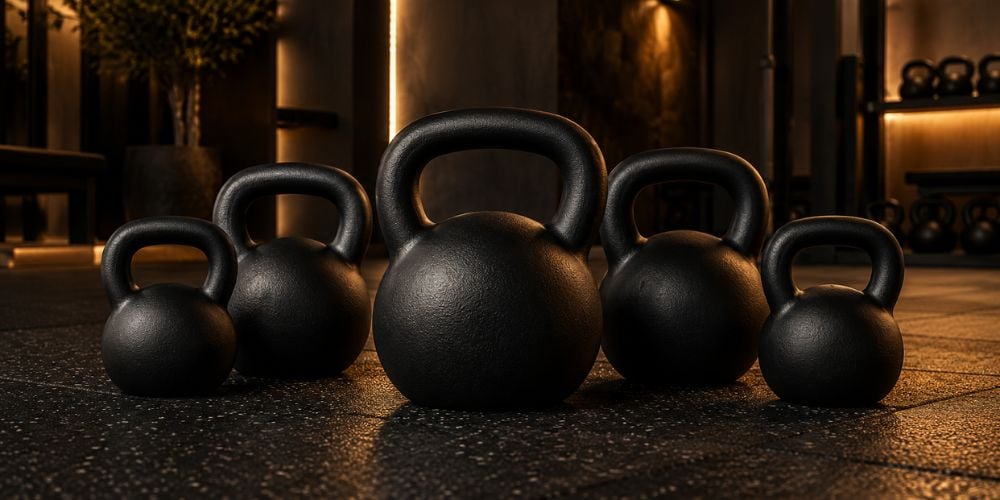
Kettlebells are compact, movable, and useful for both strength work and circuits.
Good options include:
- Goblet squats
- Swings
- Deadlifts
- Lunges
- Presses
- Rows
- Carries
I like kettlebells in semi-private sessions because different people can use them differently at the same time. One person might perform goblet squats while another does swings or loaded carries.
You do not need every possible weight. Start with several light, medium, and heavier options that match the people training.
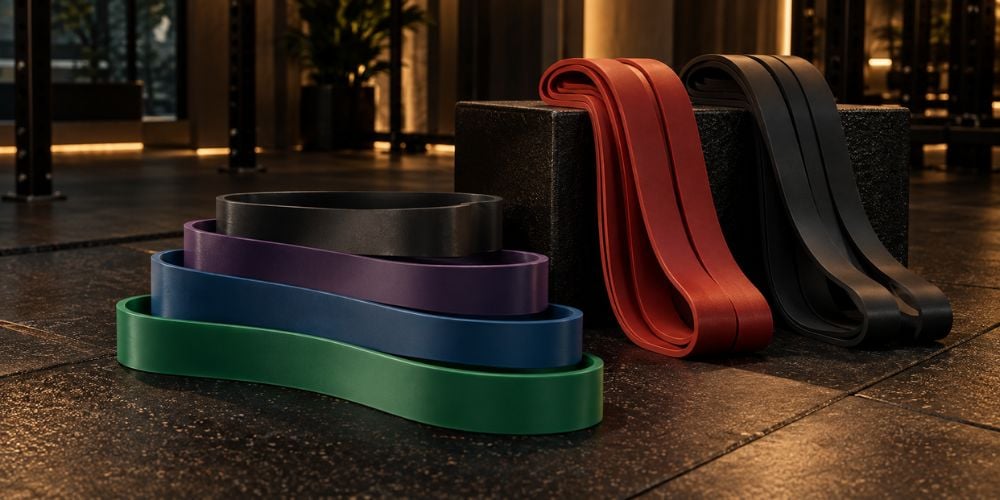
7. Resistance Bands
Resistance bands are inexpensive in terms of space, but they add a lot of exercise options.
Use them for:
- Warm-ups
- Shoulder exercises
- Assisted pull-ups
- Glute exercises
- Mobility work
- Extra resistance
- Rehabilitation-style movements
They are also useful when your main stations are occupied.
Instead of waiting, someone can work on mobility, activation, or smaller accessory exercises.
The CDC’s physical activity guidance also lists resistance bands and weight training as examples of muscle-strengthening activity.
Keep several resistance levels available because one band will not suit every person or exercise.
Conclusion
A semi-private training studio mainly needs racks, adjustable benches, dumbbells, cables, barbells, kettlebells, and resistance bands. Together, these seven equipment types cover most strength workouts while keeping the setup flexible.
If you are deciding what to add next, start with the equipment that supports the most exercises and fits your available space. Browse YR Fitness commercial strength equipment to compare practical options for building a flexible semi-private training setup.
Related articles: