





Walking into the gym for the first time and not sure where to start? You don’t need to know every machine or exercise to have a good first workout.
A beginner gym orientation workout is simple: warm up, adjust the machines, complete a light full-body routine, and cool down. Your goal is to feel comfortable with the equipment, not lift heavy weights.
As an Exercise Physiology & Biomechanics Expert at YR Fitness, I’ve seen how beginners gain confidence when they start with simple movements. I always recommend learning proper technique before increasing weight or intensity.
In this guide, you’ll learn five easy steps to complete your first gym workout safely. Follow them in order, and you’ll know exactly what to do when you enter the gym.
1. Start With a 5-Minute Warm-Up
Before using strength machines, warm up for five minutes. This gets your muscles moving and prepares your body for exercise.
Here’s what to do:
- Choose a treadmill or stationary bike.
- Start at a slow, comfortable pace.
- Gradually increase your speed while keeping your breathing steady.
- Gently move your shoulders, hips, and ankles.
- Finish when your body feels warm and ready.
Keep it easy. You should still be able to talk while warming up.
I’ve noticed that beginners sometimes warm up too intensely and feel tired before their workout even starts. A slow walk or easy bike ride is enough for your first session.
Not sure which cardio machine to choose? Start with the one that feels most comfortable. You can also check this guide to gym machines that are easiest for beginners to learn.
Beginner Tip: Skip running or high resistance for now. Save your energy for practicing the exercises.

2. Learn How to Adjust Each Machine
Before lifting any weight, make sure the machine fits your body. Proper adjustments help you move comfortably and stay in control.
Follow these steps:
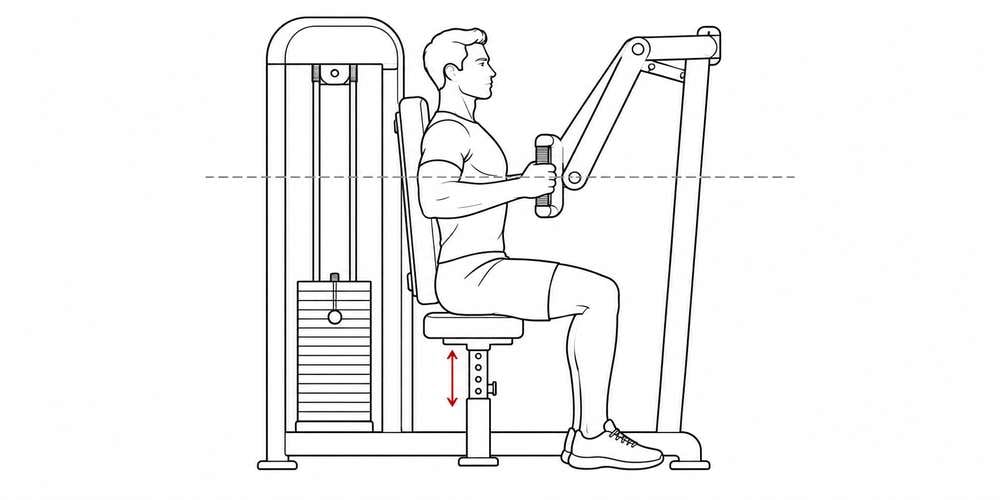
- Adjust the seat: Set the height so the handles and moving parts align with your body.
- Choose a light weight: Pick a resistance you can move without straining.
- Check your position: Keep your feet stable and your back supported when needed.
- Test the movement: Complete 2–3 slow repetitions before starting.
- Make adjustments: Change the seat or weight if something feels uncomfortable.
Quick Machine Setup Guide
Machine | What to Adjust | What to Check |
Leg Press | Seat and starting position | Feet flat on the platform |
Chest Press | Seat height | Handles around chest level |
Lat Pulldown | Thigh pad and weight | Thighs secure under the pad |
Seated Row | Seat and handle reach | Back upright, feet supported |
Stationary Bike | Seat height | Knees slightly bent at the bottom |
Why does this matter?
If the seat is too high or the handles are too far away, you may struggle to perform the movement correctly.
For example, when using a chest press machine, you want the handles at a comfortable chest level before pressing forward.
Don’t copy someone else’s settings. Adjust the equipment to match your own height and movement range.
Beginner Tip: If you’re unsure how a machine works, ask a gym trainer to demonstrate it before starting.
3. Follow a Simple Full-Body Workout
Now that you’re warmed up and comfortable with the machines, it’s time to exercise.
This beginner routine works your legs, chest, back, and core. You only need six exercises to get started.
Beginner Gym Orientation Workout
Exercise | Sets | Reps | Main Muscles |
Leg Press | 1–2 | 10–12 | Quadriceps, glutes |
Chest Press | 1–2 | 10–12 | Chest, shoulders, triceps |
Lat Pulldown | 1–2 | 10–12 | Back, biceps |
Seated Row | 1–2 | 10–12 | Back, biceps |
Bodyweight Squat | 1 | 10 | Quadriceps, glutes |
Plank | 1 | 15–20 seconds | Core |
Start with one set of each exercise. Add a second set to the machine exercises once you feel comfortable.
The CDC’s physical activity recommendations explain that one set of 8–12 repetitions can count toward muscle-strengthening activity, with additional sets offering more benefits.
Want a slightly different routine later? You can also follow this full-body machine workout for beginners.
How to Perform Each Exercise
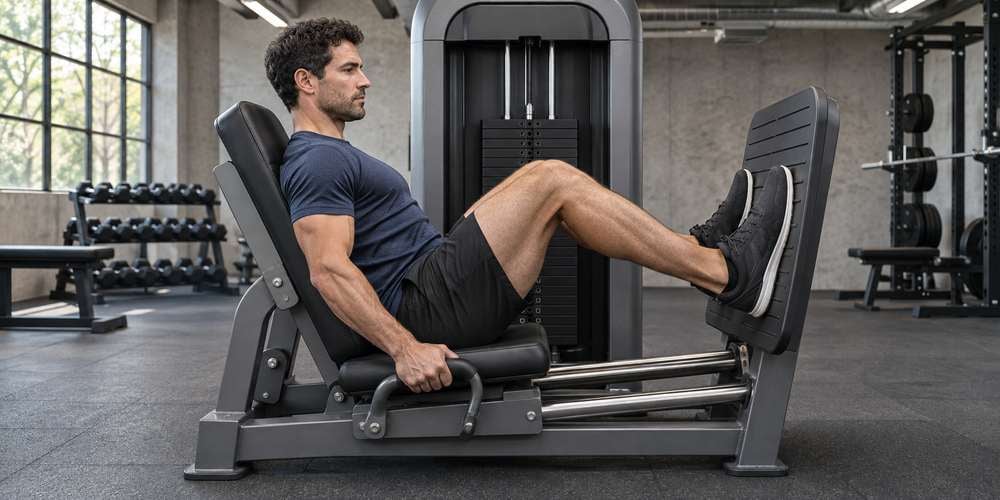
Leg Press
- Sit with your back against the pad.
- Place your feet shoulder-width apart.
- Push through your feet to extend your legs.
- Slowly bend your knees to return.
Avoid locking your knees forcefully at the top.
Chest Press
- Adjust the seat so the handles are around chest height.
- Keep your back supported.
- Push the handles forward.
- Slowly return to the starting position.
Keep your shoulders relaxed throughout the movement.
Lat Pulldown
- Sit down with your thighs secured under the pads.
- Hold the bar slightly wider than shoulder-width.
- Pull the bar toward your upper chest.
- Slowly extend your arms again.
Avoid leaning too far backward or swinging the weight.
If the movement feels unfamiliar, this lat pulldown machine guide explains the seat setup, grip, and pulling technique.
Seated Row
- Sit upright with your feet supported.
- Hold the handles with your arms extended.
- Pull the handles toward your torso.
- Return slowly without rounding your back.
Keep your upper body steady during every repetition.
Bodyweight Squat
- Stand with your feet about shoulder-width apart.
- Bend your hips and knees to lower your body.
- Keep your feet flat on the floor.
- Push through your feet to stand again.
Only squat as low as you can comfortably control.
Plank
- Place your forearms on the floor.
- Extend your legs behind you.
- Keep your body in a straight line.
- Tighten your stomach muscles and breathe normally.
Hold for 15–20 seconds without letting your hips sag.
How Long Should You Rest?
Rest for 45–90 seconds between sets. Take a little longer if you need more time to recover.
Here’s a simple rule: if you cannot complete the next set with good technique, rest longer or reduce the weight.
Your first workout should feel manageable. There’s no need to push yourself to exhaustion.
At YR Fitness, we design commercial strength machines with comfortable adjustments, stable construction, and controlled movement paths. Our equipment helps make basic exercises easier to learn, whether you’re pressing, pulling, or training your legs.
Want to become more familiar with these machines? Explore our strength equipment to see how different machines support full-body training.
4. Practice Basic Gym Safety Rules
You don’t need to memorize every gym rule on your first day. Just focus on a few habits that help you exercise safely.
Follow these basic rules:
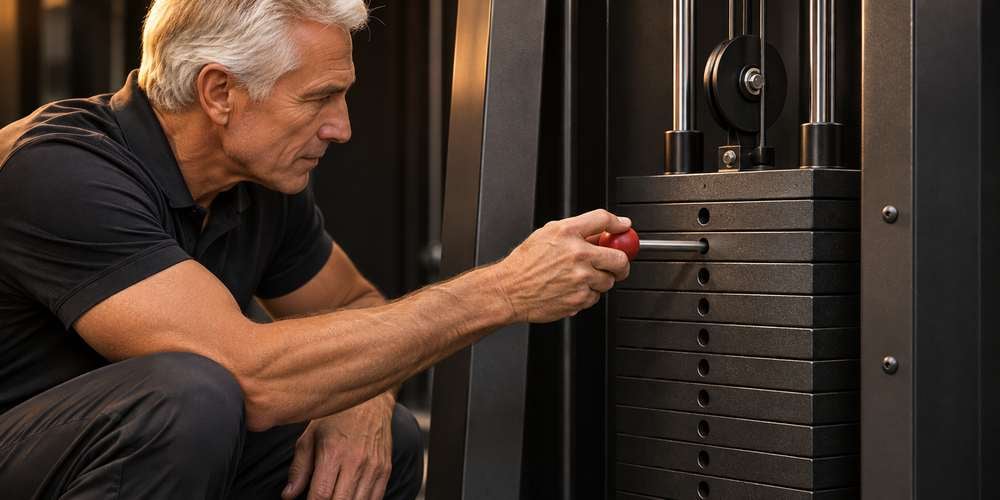
- Check the equipment: Look for damaged handles, loose parts, or unusual movement before using a machine.
- Keep good posture: Stay stable and avoid excessive twisting or bending.
- Move slowly: Control the weight instead of swinging or dropping it.
- Start light: Use resistance that allows you to finish every repetition with proper form.
- Avoid forceful joint locking: Don’t snap your knees or elbows straight.
- Stop if something hurts: Sharp pain, dizziness, or unusual discomfort means you should stop.
- Ask for help: A gym trainer can explain unfamiliar equipment and correct your setup.
One mistake I often see is beginners choosing a heavy weight before learning the movement. Starting lighter makes it easier to practice proper technique.
How do you know if the weight is too heavy?
If you’re swinging your body, holding your breath, or struggling to control the movement, reduce the resistance.
The American Heart Association’s strength training guidance also recommends learning safe techniques with a qualified fitness professional.
Beginner Tip: Don’t compare your weights with other gym users. Focus on improving your own technique.
5. Finish With a 5-Minute Cooldown
Once you’ve completed your exercises, give your body a few minutes to relax.
A short cooldown helps you gradually return to a resting state.
Follow this simple routine:
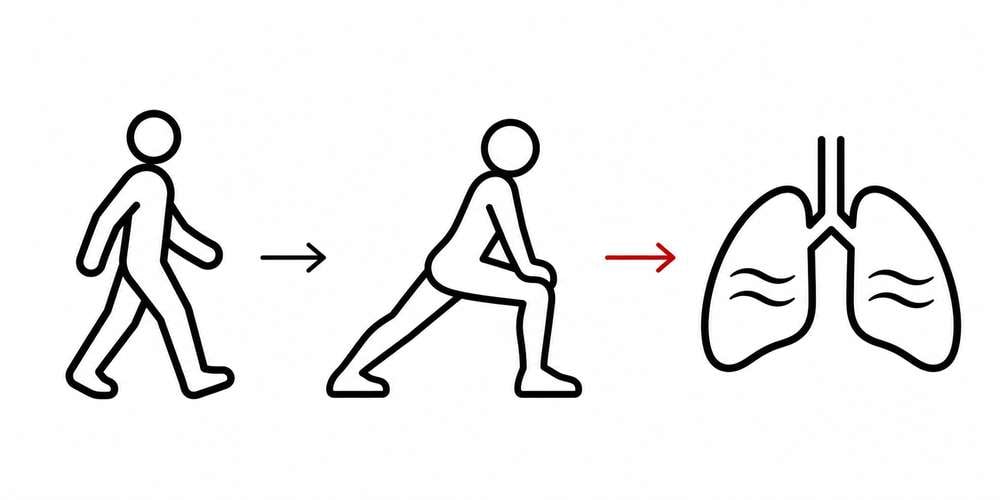
- Walk slowly for 2 minutes: Use a treadmill or walk around the gym.
- Stretch your legs for 1 minute: Gently stretch your quadriceps, hamstrings, and calves.
- Stretch your upper body for 1 minute: Relax your chest, shoulders, and back.
- Breathe slowly for 1 minute: Let your breathing and heart rate settle.
- Drink water: Replace fluids lost during exercise.
Keep every stretch gentle. You should feel mild tension, not pain.
Record Your First Workout
Before leaving, take a minute to remember what you completed.
Write down:
- The machines you used.
- The weights you selected.
- The sets and repetitions you completed.
- Any exercises that felt difficult.
- Any machine settings you want to remember.
Why record these details?
Because your next workout becomes much easier when you already know the equipment settings and weights that worked for you.
Beginner Tip: Repeat the same workout until you feel confident using the machines. You don’t need to try new exercises every session.
Conclusion
Your first gym orientation workout doesn’t need to be complicated. Warm up for five minutes, adjust your machines, complete a light full-body routine, follow basic safety rules, and finish with a cooldown.
Start with light resistance and focus on controlled movements. Once the exercises feel comfortable, gradually increase your repetitions or weight.
YR Fitness supports comfortable training through commercial strength and cardio equipment designed for smooth movement and practical adjustments. You can explore its gym equipment to become more familiar with the machines commonly found in fitness centers.
Related articles: