





Have you ever arrived at the gym, ready to train, only to find your favorite machine out of service? It’s frustrating when broken equipment interrupts your workout.
You can help reduce gym equipment downtime by checking machines, cleaning them after use, and reporting problems early. These simple habits prevent unnecessary wear and keep equipment ready for your next workout.
As a Machinery & Structural Engineering Specialist at YR Fitness, I understand how proper equipment use and regular maintenance help prevent breakdowns. I’ve seen how small problems can turn into major repairs when ignored.
In this guide, you’ll learn six easy ways to reduce gym equipment downtime. Follow these tips to protect your equipment and enjoy fewer workout interruptions.
1. Inspect Gym Equipment Daily
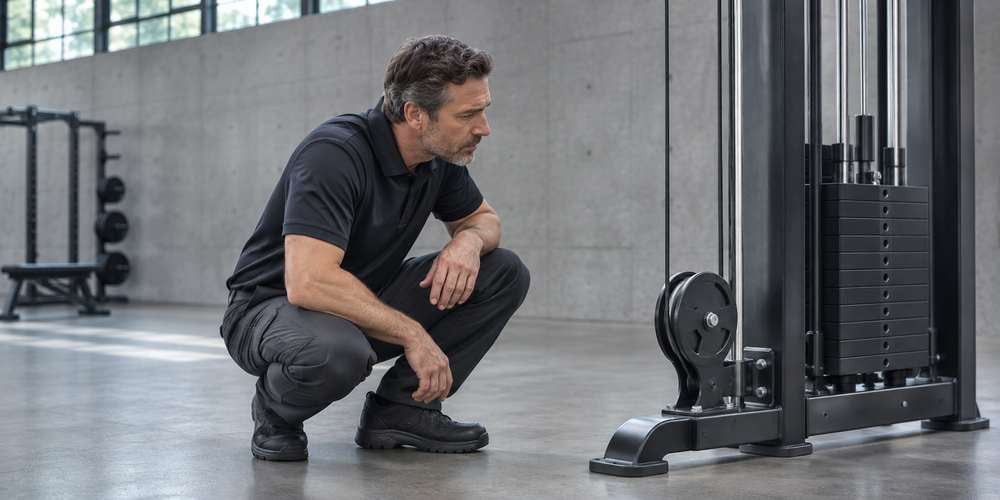
A quick inspection can help you spot equipment problems before they get worse. You don’t need technical skills to notice something unusual.
Before using a machine, check these parts:
- Cables: Look for fraying, cracks, or exposed wires.
- Bolts: Check for loose or missing fasteners.
- Handles: Make sure grips feel secure.
- Moving Parts: Watch for unusual movement or resistance.
- Noise: Listen for squeaking, grinding, or rattling.
I always recommend checking a machine before starting your workout. Even a quick look can help you avoid damaged equipment.
Want to know what needs checking? This daily, weekly, and monthly gym equipment inspection guide explains the main warning signs.
Quick Tip: If something feels loose or unsafe, stop using the machine and tell gym staff.
2. Clean Equipment After Every Use
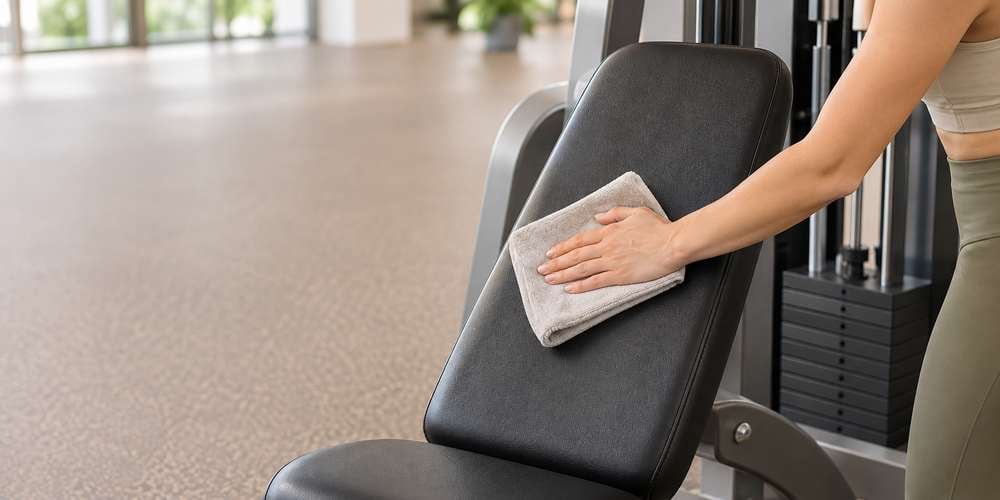
Sweat, dirt, and dust can slowly damage gym equipment. They can contribute to corrosion and interfere with moving components.
The good news? Keeping machines clean is easy.
Follow these cleaning habits:
- Wipe down seats and handles after exercising.
- Use cleaning products approved by your gym.
- Keep sweat away from exposed metal surfaces.
- Avoid spraying liquids directly onto electronic screens.
- Keep towels and personal items away from moving parts.
Be careful with strong cleaning chemicals. Some can damage upholstery, rubber grips, and protective coatings.
The CDC’s athletic facility cleaning guidance recommends cleaning shared equipment after each use and following the manufacturer’s cleaning instructions.
For more practical advice, see this guide on how to keep gym equipment clean.
Quick Tip: Focus on cleaning the surfaces you touch. Leave internal cleaning and mechanical maintenance to trained staff.
3. Follow a Regular Maintenance Schedule
Even durable gym machines need regular maintenance. A simple schedule helps catch worn parts before they cause breakdowns.
You don’t need to handle repairs yourself. Just pay attention to unusual movements, sounds, or damaged components.
Here’s a basic maintenance schedule:
Frequency | Maintenance Task | Who Handles It |
Daily | Inspect machines and clean surfaces | Gym users and staff |
Weekly | Check cables, bolts, pulleys, and moving parts | Maintenance staff |
Monthly | Inspect lubrication, alignment, and wear | Trained maintenance staff |
As Needed | Replace damaged parts and repair faulty components | Qualified technicians |
The actual schedule depends on the machine, how often it’s used, and the manufacturer’s instructions.
The ACSM Health/Fitness Facility Standards and Guidelines also covers preventive maintenance schedules and equipment safety.
Want to understand service timing better? Read this guide on how often commercial gym equipment should be serviced.
Quick Tip: If the same machine keeps having problems, tell gym staff. Repeated issues may mean a part needs repair or replacement.
Tired of gym machines that frequently need repairs?
At YR Fitness, we build commercial gym equipment with strong steel frames, durable cables, and smooth-moving components for heavy daily use. Our focus is simple: reliable machines that support consistent training and help reduce avoidable interruptions.
Explore Our Equipment Quality and Construction to see how our machines are built for long-term performance.
4. Use Gym Equipment Correctly
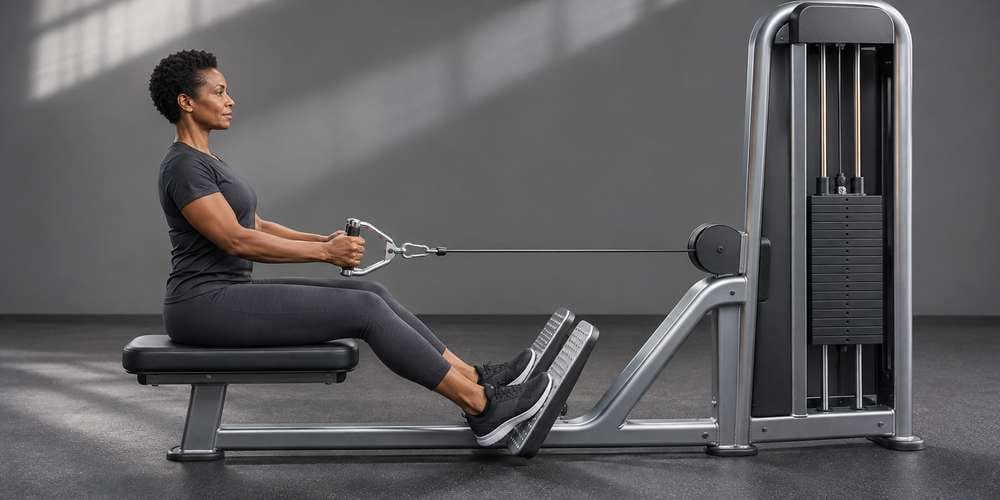
Using gym equipment incorrectly can cause unnecessary wear. It also increases the chance of a breakdown.
For example, repeatedly dropping a weight stack puts extra stress on cables, pulleys, and other components.
Here’s how to use machines properly:
- Adjust the Machine: Set the seat, handles, and weight to fit your body and strength.
- Control Your Movements: Avoid slamming weights or forcing moving parts.
- Follow Weight Limits: Never exceed the machine’s rated capacity.
- Use Proper Positioning: Avoid twisting or pulling components in unintended directions.
- Ask for Help: Speak with a trainer if you’re unsure how to use a machine.
Why does this matter?
Machines are designed to move in specific ways. Forcing an exercise or using excessive weight can put extra stress on the equipment.
From my engineering experience, controlled movements help reduce unnecessary stress on machine components.
Quick Tip: If a machine suddenly becomes harder to move, stop using it. Don’t force another repetition.
5. Replace Worn Parts Before They Fail
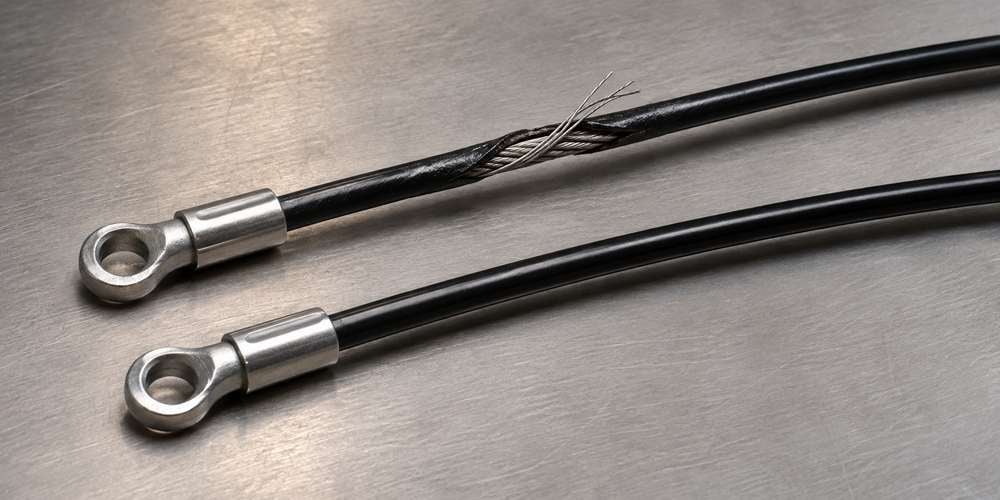
Gym equipment parts naturally wear out over time. Replacing damaged components early can prevent longer equipment downtime.
Here are the parts that commonly need attention:
Equipment Part | Warning Signs | Recommended Action |
Cables | Fraying, cracks, exposed wires | Stop using and replace damaged cables |
Belts | Slipping, cracks, unusual wear | Have staff inspect and adjust or replace |
Pulleys | Rough movement, strange noises | Have a technician inspect |
Grips | Loose, torn, uncomfortable | Replace damaged grips |
Seat Pads | Torn padding, unstable seats | Repair or replace |
Bearings | Rough movement, grinding sounds | Have a technician inspect |
I often see small warning signs overlooked until a machine stops working. Reporting damaged parts early can help prevent bigger problems.
Can you keep using a machine if the damage looks small?
Not always. Even a small cable defect or loose structural part can create a safety risk.
Check this guide on when gym equipment should be removed from service immediately to recognize serious warning signs.
Important: Never try to repair damaged cables or load-bearing components yourself. Leave replacements to qualified technicians.
Quick Tip: Don’t wait for a damaged part to break completely. Stop using unsafe equipment and report the problem immediately.
6. Report and Handle Equipment Problems Quickly
Small equipment problems can become bigger when ignored. A strange noise or loose cable may be an early warning sign.
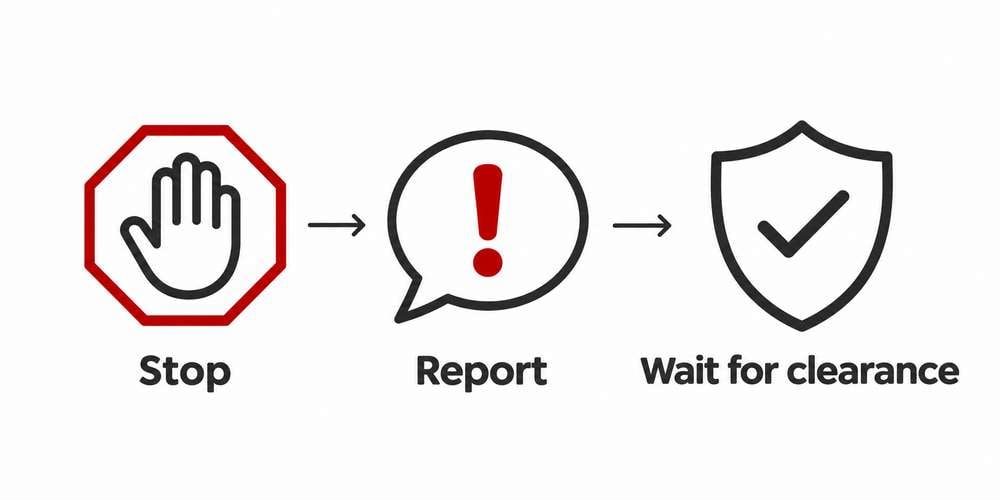
If something feels wrong, follow these steps:
- Stop Exercising: Don’t continue using a machine that feels unsafe.
- Notify Gym Staff: Explain which machine has the problem and what happened.
- Use Another Machine: Avoid faulty equipment until it’s checked.
- Leave Repairs to Professionals: Don’t attempt mechanical repairs yourself.
- Wait for Confirmation: Only use the machine again after staff confirm it’s safe.
For example, if a cable machine starts making grinding noises, stop exercising and report it. Continuing to use the machine could make the damage worse.
What should you tell gym staff?
Be specific. Instead of saying “the machine is broken,” explain what you noticed.
For example:
- “The cable feels loose when pulling down.”
- “The treadmill belt keeps slipping.”
- “The seat adjustment won’t lock.”
- “The pulley makes a grinding sound.”
Clear details help staff identify the problem faster.
Quick Tip: Don’t assume someone else has already reported a damaged machine. Let gym staff know as soon as you notice the issue.
Conclusion
Reducing gym equipment downtime doesn’t have to be complicated. Inspect machines before use, clean them after workouts, use proper techniques, and report problems early.
You don’t need technical skills to make a difference. These simple habits help protect equipment and keep your workouts running smoothly.
At YR Fitness, we understand how important dependable equipment is for consistent training. Explore our commercial gym equipment to see how durable construction and thoughtful design support long-term performance.
Related articles: