




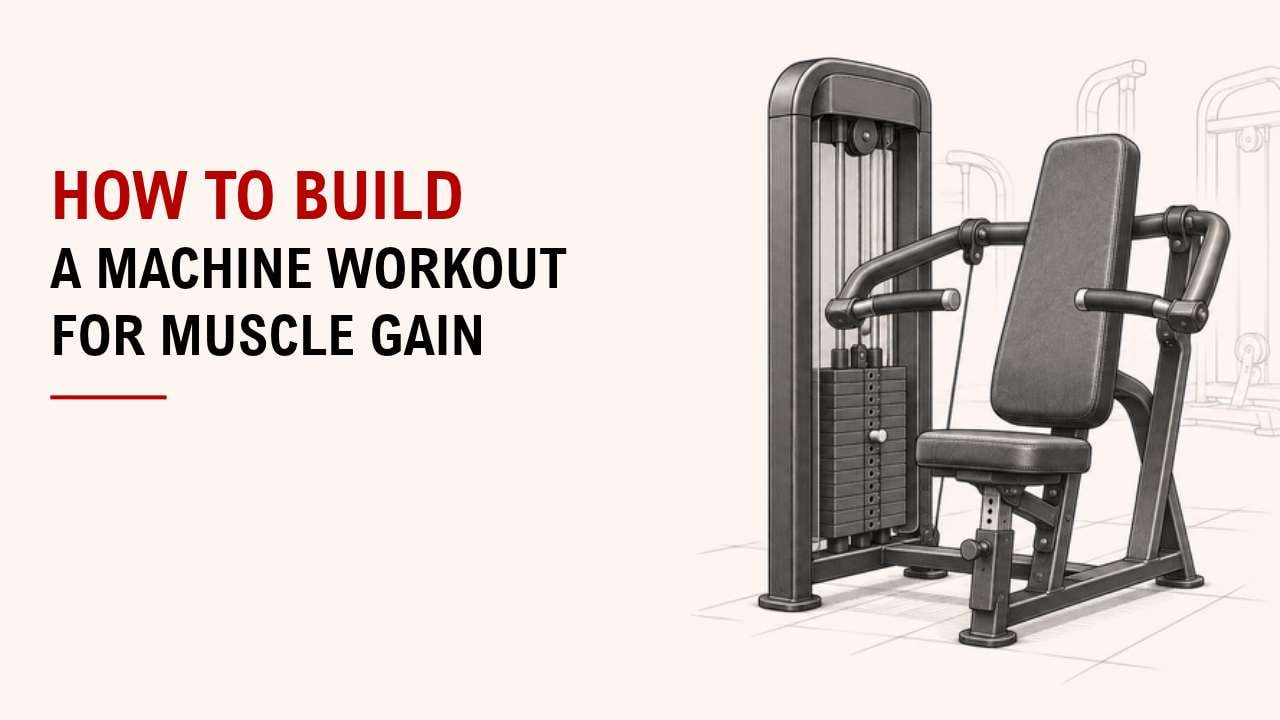

Not sure which gym machines to use to build muscle?
Start with 5–7 exercises, train 2–3 times per week, and gradually increase the weight as you get stronger.
As an Exercise Physiology and Biomechanics Expert at YR Fitness, I focus on how different exercises and resistance levels affect muscle growth. Many beginners try too many machines when a simple routine can work just as well.
This guide shows you which machines to choose, how many sets and reps to perform, and when to increase the weight. Follow these steps to build a workout you can stick with.
1. Choose Machines for Each Muscle Group
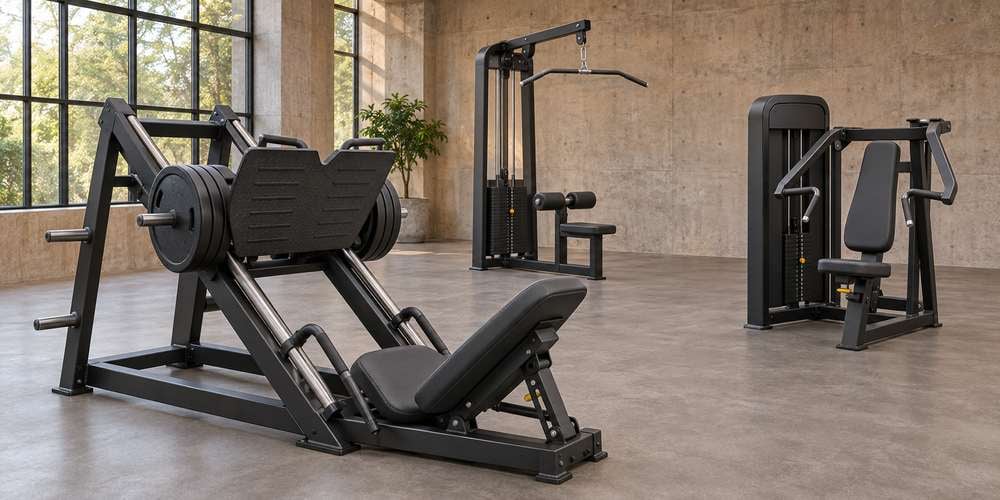
Start by choosing machines that train your major muscle groups. You don’t need to use every machine in the gym.
Here are the main options:
- Chest: Chest Press Machine – Works your chest, front shoulders, and triceps.
- Back: Lat Pulldown – Targets your lats, upper back, and biceps.
- Back: Seated Row – Trains your middle back and biceps.
- Shoulders: Shoulder Press Machine – Works your shoulders and triceps.
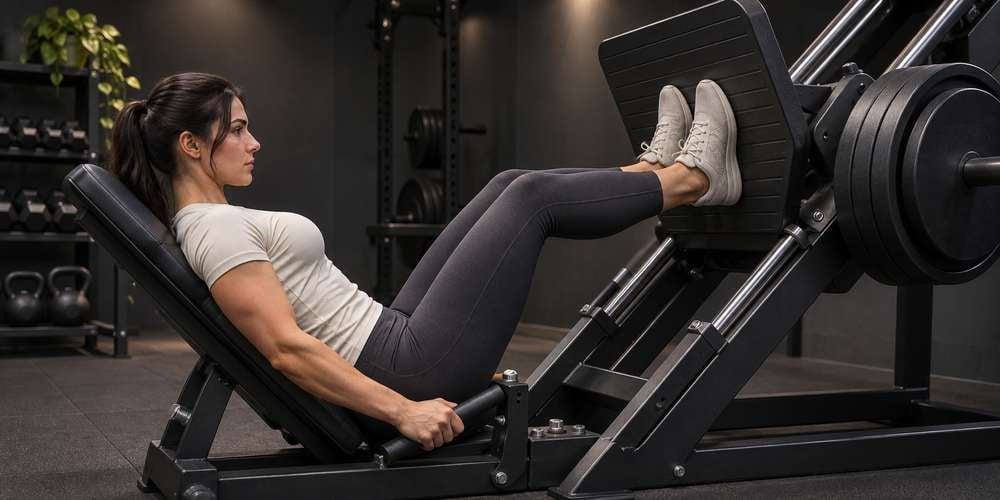
- Legs: Leg Press – Targets your quadriceps and glutes.
- Legs: Leg Curl – Strengthens your hamstrings.
- Arms: Biceps Curl and Triceps Extension Machines – Provide extra arm training.
Which machines should you start with?
Choose one or two for your legs, two for your back, one for your chest, and one for your shoulders. Add direct arm exercises if you have extra time.
For example, if you’re new to back training, follow this lat pulldown technique guide to learn the correct pulling movement.
Quick Tip: Start with 5–7 exercises. Add more only when you can handle the extra work without affecting your recovery.
2. Build Your Machine Workout Routine
Now that you’ve chosen your machines, arrange them into a full-body workout.
Start with larger muscle groups like your legs, chest, and back. Then move to smaller muscles, including your shoulders and arms.
Example Full-Body Machine Workout
Exercise | Sets | Reps |
Leg Press | 3 | 10–12 |
Chest Press | 3 | 8–12 |
Lat Pulldown | 3 | 10–12 |
Seated Row | 3 | 10–12 |
Shoulder Press | 2 | 10–12 |
Leg Curl | 3 | 12–15 |
This routine covers your major upper- and lower-body muscles without requiring too many exercises.
If you’re completely new to gym machines, this full-body machine workout for beginners provides more guidance on each exercise.
How Often Should You Train?
- Beginners: Start with 2 full-body workouts per week.
- Regular gym users: Train 3 times per week if you recover well.
- Rest days: Leave at least one day between full-body sessions.
The CDC’s physical activity guidelines recommend muscle-strengthening activities at least twice a week, covering all major muscle groups.
Before each workout, warm up for 5–10 minutes. Perform a lighter warm-up set before your heavier exercises.
What if you prefer different workouts each day?
You can try a 3-day push, pull, and legs machine workout instead.
I recommend keeping your chosen routine consistent for several weeks. This makes it easier to measure your progress and notice which exercises are getting easier.
At YR Fitness, we design commercial strength machines with adjustable settings, stable frames, and controlled movement paths. Explore our strength equipment collection to compare chest, back, shoulder, and leg machines and see which movements fit your training goals.
3. Set the Right Weight, Reps, and Rest
You don’t need the heaviest weight to build muscle. Choose a weight that challenges you while allowing controlled movement.
Follow these simple guidelines:
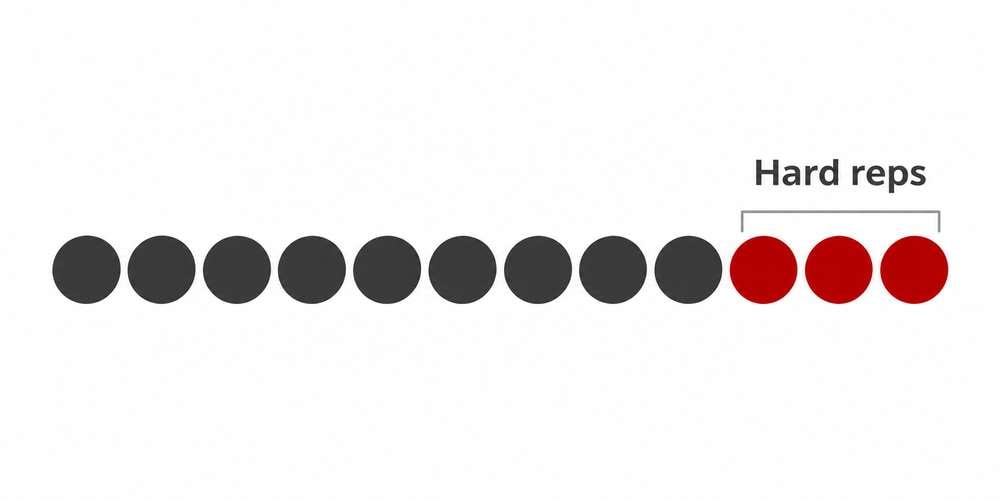
- Weight: Choose a load that makes your last 2–3 reps challenging.
- Sets: Complete 2–3 sets per exercise.
- Reps: Aim for 8–12 reps for most exercises.
- Rest: Take 60–120 seconds between sets, or longer when needed.
- Form: Control the weight while lifting and lowering it.
For example, imagine doing 12 reps on the chest press.
The first few reps should feel manageable. The last 2–3 should take more effort, but your form should stay steady.
The American College of Sports Medicine’s resistance training guidance supports regular resistance training with sufficient effort and progressive increases in training demands.
How do you know if the weight is right?
- Too easy to finish every set? Try a slightly heavier weight.
- Can’t complete your target reps? Reduce weight.
- Last few reps feel difficult but controlled? Keep going with that weight.
Don’t rush your repetitions just to finish the set. Controlled movements help you train the intended muscles consistently.
4. Increase Weight as You Get Stronger
Your muscles need new challenges to keep growing. This is called progressive overload.
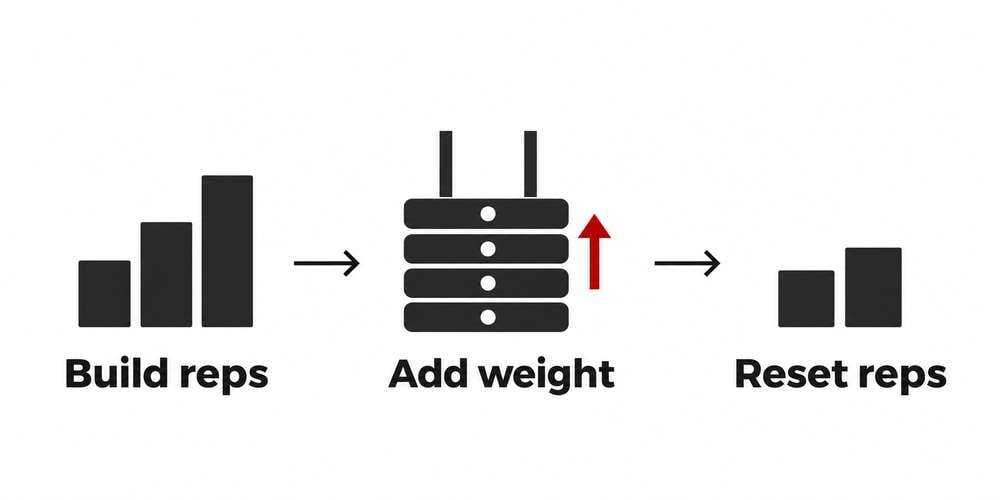
Here’s how to apply it:
- Start light: Choose a weight you can lift for 8–10 controlled reps.
- Build your reps: Keep the same weight until you can complete 12 reps for every set.
- Add weight: Increase the resistance by the smallest practical amount.
- Adjust your reps: Return to 8–10 reps if the new weight feels harder.
- Repeat: Continue progressing as your strength improves.
Example of Progressive Overload
Let’s say you’re using 20 kg on the chest press machine.
Training Stage | Weight | Sets and Reps |
Starting workout | 20 kg | 3 × 10 |
Getting stronger | 20 kg | 3 × 11 |
Ready to progress | 20 kg | 3 × 12 |
Increase resistance | Next weight setting | 3 × 8–10 |
Once you can complete all 12 reps with good form, try the next weight setting.
Do you need to increase weight every workout?
No. Some weeks, you might add one rep instead of increasing the resistance.
I suggest recording your sets, reps, and weights on your phone. Small improvements are easier to notice when you track them.
Remember, adding weight only helps when you can still control the movement.
5. Allow Your Muscles to Recover
Your muscles need time to recover after challenging workouts. Training harder every day doesn’t always mean faster growth.
Here are five habits to follow:
- Rest: Allow around 48 hours between hard full-body workouts.
- Sleep: Aim for 7–9 hours per night if you’re an adult.
- Protein: Eat enough protein to support muscle repair and growth.
- Hydration: Drink enough water throughout the day.
- Consistency: Stick with your routine instead of changing exercises every session.
Still feeling unusually sore or tired?
Take another recovery day before training hard again. You can also do light activities, such as walking or gentle stretching.
Quick Tip: Focus on training regularly, eating well, and sleeping enough. Your muscles need both exercise and recovery to grow.
Conclusion
Building a machine workout for muscle gain doesn’t need to be complicated. Choose 5–7 exercises, complete 2–3 challenging sets, and gradually increase the weight as you get stronger.
Start with 2–3 workouts per week and give your muscles enough time to recover. Consistency and good form matter more than lifting the heaviest weight.
Want to explore more machines for your workout? Visit YR Fitness to compare strength equipment and find machine options that match your muscle-building goals.
Related articles: