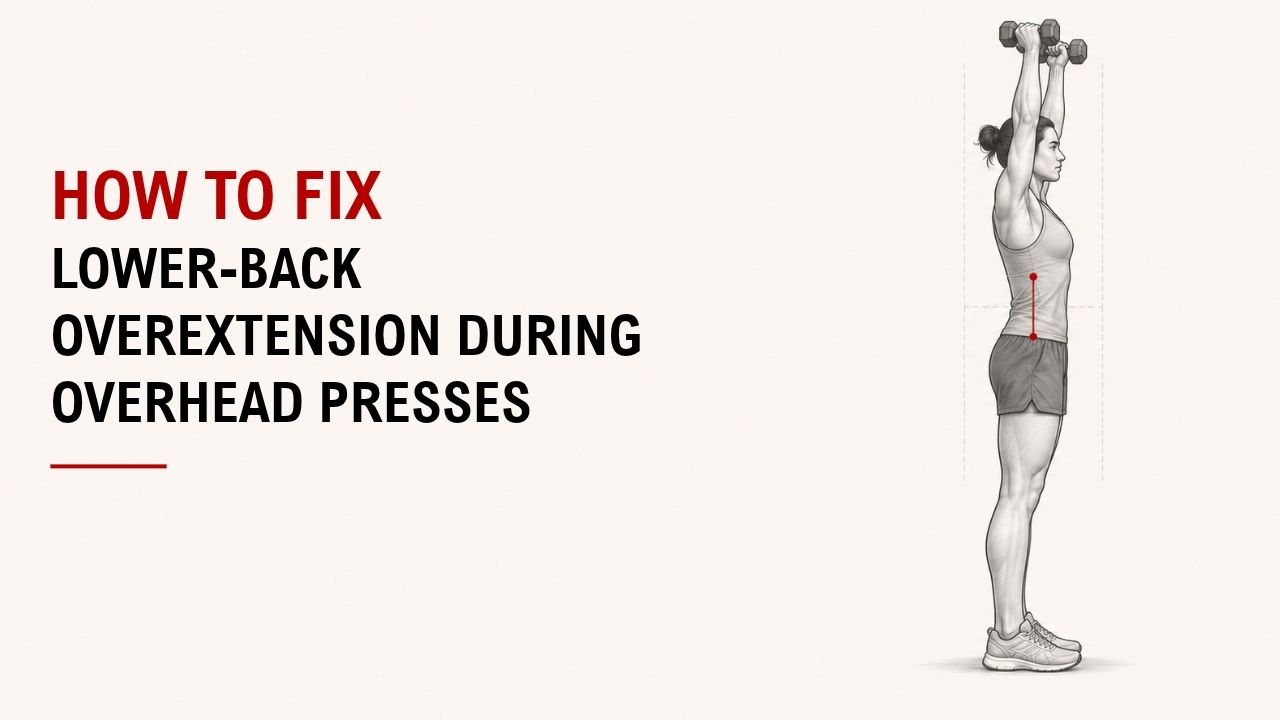

Does your lower back arch too much when you press weights overhead? This common mistake can put extra stress on your spine and make the movement harder to control.
The fix is simple: brace your core, squeeze your glutes, reduce the weight, and keep your body aligned. These small changes can help you press with better control and less unnecessary strain.
As an Exercise Physiology & Biomechanics Expert at YR Fitness, I understand how body positioning affects pressing performance. I’ve seen how simple posture adjustments can improve lifting technique.
In this guide, I’ll show you six easy ways to fix lower-back overextension during overhead presses. Follow these steps to improve your form and make your next shoulder workout more comfortable.
1. Brace Your Core Before Pressing
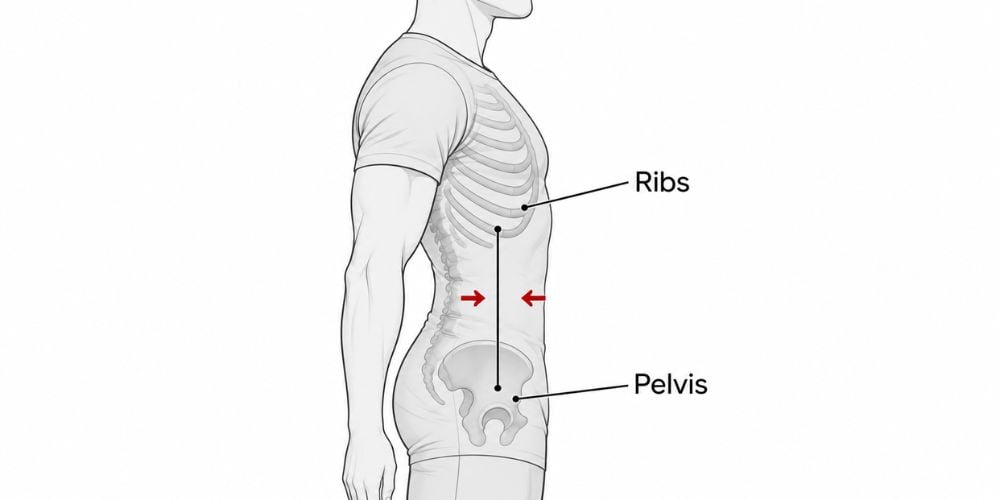
Your core helps keep your spine stable during overhead presses. If your abs are relaxed, your lower back may arch too much as you lift.
Here’s how to fix it:
- Stand with your feet shoulder-width apart.
- Take a comfortable breath into your abdomen and sides.
- Tighten your abs as if preparing for a light punch.
- Keep your ribs directly above your hips.
- Maintain core tension as you press overhead.
Why does this matter?
A stable core helps prevent your lower back from compensating during the lift. The American Council on Exercise (ACE) also recommends abdominal bracing during overhead pressing movements.
Quick Tip: Don’t push your chest too far forward. Keep your ribs stacked over your hips instead of letting them flare upward.
2. Squeeze Your Glutes
Your glutes help keep your pelvis steady while pressing. If they’re relaxed, you might push your hips forward and arch your lower back without realizing it.
Try these adjustments:
- Gently squeeze your glutes before lifting.
- Keep your hips directly under your ribs.
- Avoid pushing your pelvis forward.
- Maintain steady glute tension throughout each repetition.
I often suggest practicing this position without weights first. It’s an easy way to feel how your core and glutes work together.
Quick Tip: You don’t need to squeeze your glutes as hard as possible. Just use enough tension to keep your hips steady.
3. Lower the Weight
If you need to lean backward to lift the weight, it’s probably too heavy for a strict overhead press.
Heavy weights can cause your body to compensate by arching your lower back. Lowering the load helps you focus on proper movement.
Here’s what to do:
- Choose a weight you can press without excessive back arching.
- Move slowly and control each repetition.
- Avoid using your lower back to help push the weight upward.
- Increase the weight only when your form stays consistent.
The American College of Sports Medicine’s free-weight guidelines also recommend proper technique, controlled movements, and avoiding excessive spinal extension.
Common Warning Signs
Warning Sign | What to Do |
Lower back arches too much | Reduce the weight |
Body leans backward | Brace your core and stand tall |
Hips move forward | Tighten your glutes |
Weight moves unevenly | Slow down the press |
Form breaks during the last reps | Stop the set before losing control |
Quick Tip: Don’t chase heavier weights if your posture starts changing. A lighter weight with proper form is more useful than a heavy press you can’t control.
Try a Supported Shoulder Press
Still struggling to keep your back stable?
Try a seated shoulder press machine with back support. It can help limit excessive backward leaning while you practice your pressing technique.
Before starting, check the seat height, backrest, and handle position. This shoulder press machine adjustment guide explains how to set up the machine for a comfortable workout.
Having trouble controlling your back during standing presses? A supported machine may be a useful alternative while you work on your technique.
At YR Fitness, we design commercial strength equipment with adjustable features and carefully developed movement angles to support comfortable, controlled training. Our shoulder press equipment collection includes different options for shoulder workouts.
Explore the collection to find a pressing machine that matches your training needs.
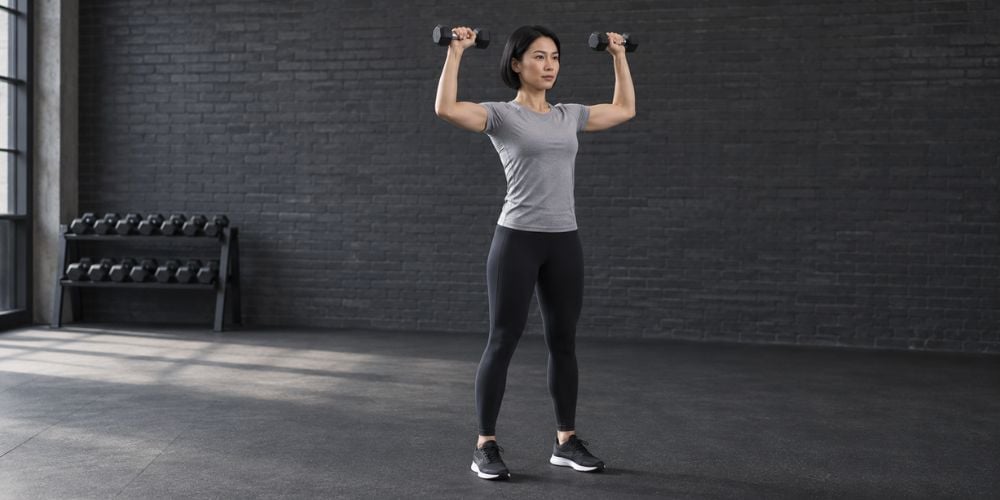
4. Fix Your Standing Position
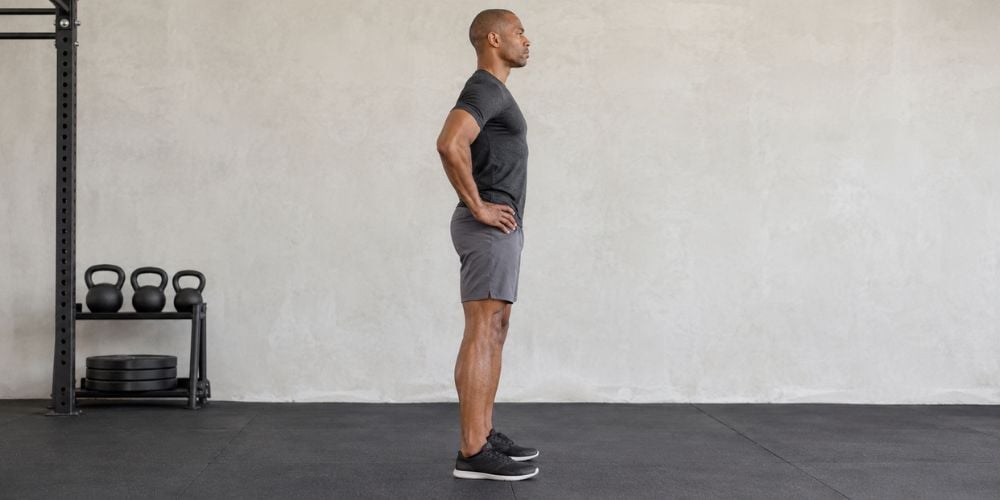
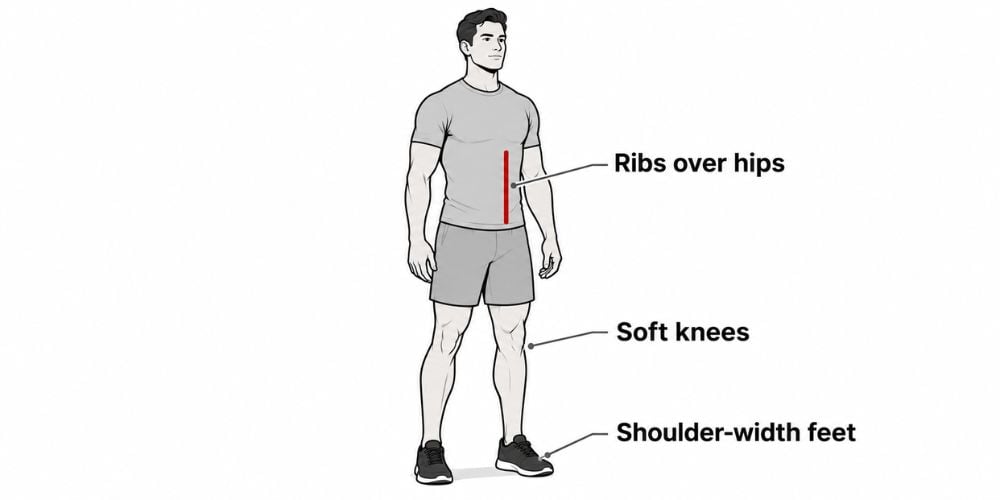
Your starting position matters more than you might think. If your feet, hips, and ribs are poorly aligned, your lower back may take on unnecessary stress.
Follow these steps:
- Stand with your feet about shoulder-width apart.
- Keep your knees slightly relaxed, not locked.
- Position your ribs directly over your pelvis.
- Keep your head neutral and look forward.
- Press upward without leaning your body backward.
Quick Tip: Think about standing tall instead of lifting your chest too high. A natural lower-back curve is fine, but avoids excessive arching.
Want to try pressing while seated?
A seated shoulder and chest press machine can offer additional support and adjustable resistance. Keep your back against the pad and avoid lifting your hips as you press.
5. Check Your Shoulder Mobility
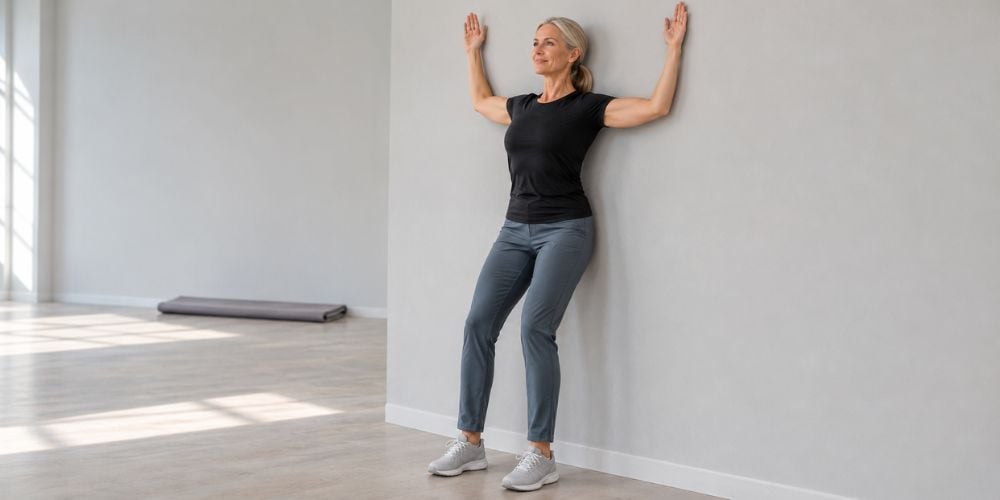
Sometimes, your lower back arches because your shoulders cannot move comfortably overhead.
When shoulder mobility is limited, your body may compensate by leaning backward. Improving your overhead movement can help reduce this problem.
Try these simple exercises:
- Wall Slides: Slide your arms upward against a wall while keeping your ribs controlled.
- Overhead Reaches: Slowly raise your arms overhead without arching your back.
- Thoracic Extensions: Gently extend your upper back to improve overhead positioning.
- Shoulder Circles: Move your shoulders through a comfortable range of motion.
I recommend testing your overhead reach without weights first. If your lower back arches during a simple arm raise, work on your mobility and control before lifting heavier.
Quick Tip: Never force your arms overhead if you feel pain. Stay within a comfortable range and improve gradually.
6. Control the Pressing Movement
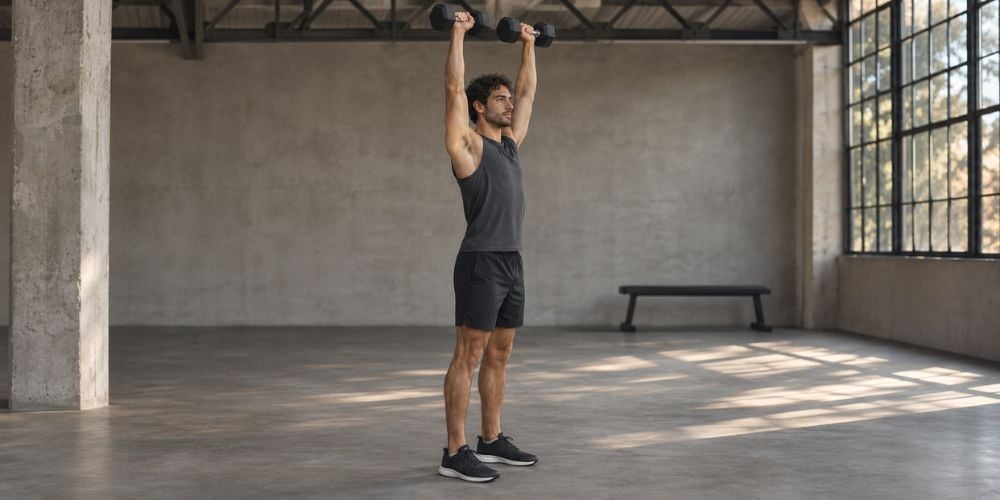
Moving too quickly makes it harder to control your posture. A smooth, steady press helps keep your body aligned from start to finish.
Here’s how to press correctly:
- Hold the weights at shoulder height.
- Brace your core and gently squeeze your glutes.
- Press upward in a smooth, controlled motion.
- Keep your ribs aligned over your hips.
- Finish with your arms overhead without leaning backward.
- Slowly lower the weights to shoulder height.
I always recommend starting with a few slow repetitions. This helps you notice whether your lower back stays stable throughout the movement.
Need more ideas for your shoulder workout? This shoulder machine workout plan explains how to combine presses, lateral raises, and rear-delt exercises for balanced shoulder training.
Quick Overhead Press Form Checklist
Body Part | Correct Position |
Core | Tight and stable |
Glutes | Gently engaged |
Lower back | Natural curve without excessive arching |
Ribs | Aligned over the pelvis |
Feet | About shoulder-width apart |
Arms | Press upward smoothly |
Head | Neutral position |
What if your back still arches?
Stop the set and lower the weight. If you’re still struggling, try a supported pressing variation and check your shoulder mobility.
You can also review this seated shoulder press equipment option to understand how adjustable handles, foot positioning, and resistance selection can support different pressing preferences.
Conclusion
Lower-back overextension during overhead presses often comes from lifting too much weight, poor core control, or limited shoulder mobility.
Start with the basics: brace your core, squeeze your glutes, reduce the weight, and keep your ribs aligned over your hips. Take your time with each repetition and focus on controlled movement.
At YR Fitness, we believe proper movement and suitable equipment go hand in hand. Explore our commercial strength equipment to find shoulder training options that fit your workout needs.
Related articles: