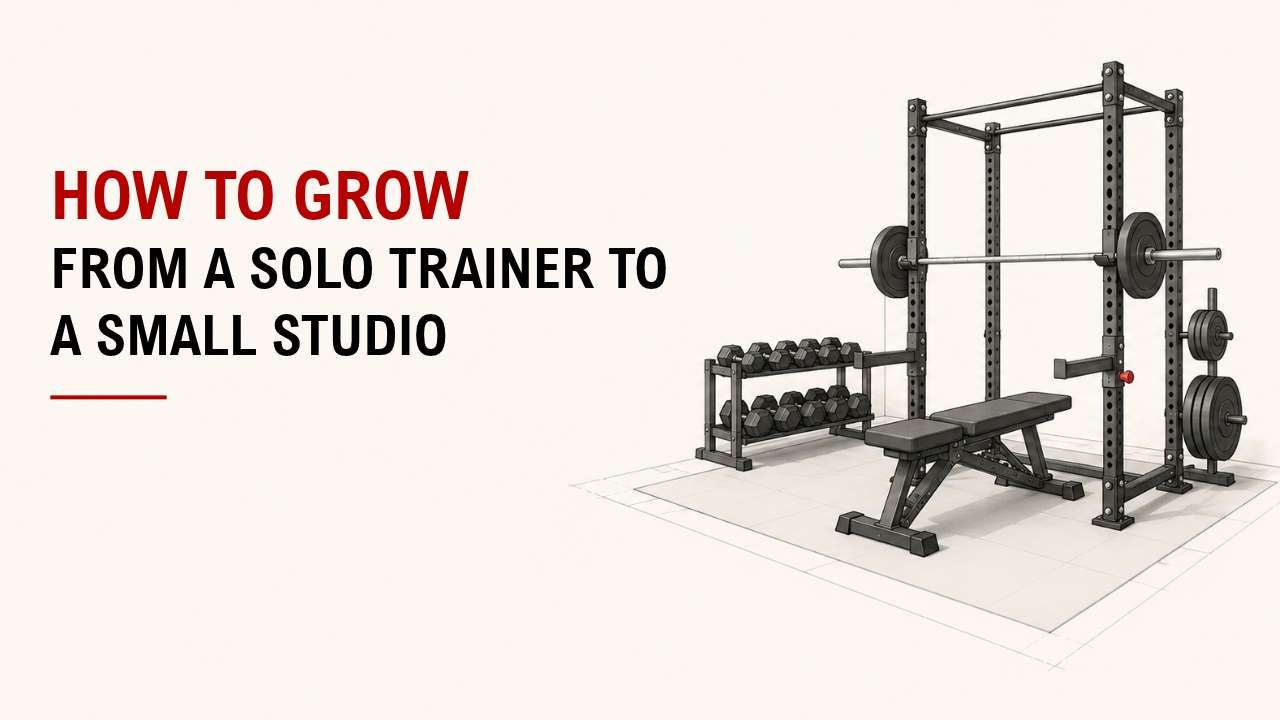

Are you getting too busy to handle every client on your own? It may be time to grow into a small studio.
The simple answer is: build steady demand, know your numbers, start small, and add equipment gradually. You do not need a large gym to take the next step.
As an Exercise Physiology & Biomechanics Expert at YR Fitness, I work closely with training spaces, equipment, and how people move through workouts. I often see trainers make better decisions when they grow around real client needs instead of expanding too fast.
Below, I will show you six simple steps to move from solo training to a small studio. Follow them in order and keep the process practical.
1. Build a Stable Client Base First
Do not start with the studio. Start with clients.
Before taking on rent and equipment costs, make sure your training schedule is already reasonably steady.
Good signs include:
- Your weekly calendar stays busy.
- Existing clients keep renewing.
- You receive regular referrals.
- New clients ask for available times.
- You sometimes turn people away because your schedule is full.
Why does this matter?
A studio adds fixed costs whether your calendar is full or not. One unusually busy month is not enough reason to take on those costs.
I would rather see a trainer build consistent demand first than open a studio and hope clients appear later.
Client relationships matter here too. The American Council on Exercise’s guidance on client retention highlights continued results, added value, community, and flexibility as useful ways to keep clients engaged.
What Should You Track?
Keep it simple.
Number | What to Check | What It Tells You |
Active clients | How many people currently pay you | Your current client base |
Sessions per week | How busy your schedule really is | Your current workload |
Client retention | How long people stay | Whether demand is stable |
New leads | How many people ask about training | Potential future growth |
Available hours | How much more you can personally handle | Whether you are reaching capacity |
When should you expand?
A good sign is when client demand regularly becomes greater than the amount of training you can comfortably deliver alone.

2. Know Your Numbers
Being busy does not automatically mean you are ready for a studio.
You also need to know exactly what comes in and what will go out.
Start with:
- Monthly training revenue
- Average revenue per client
- Current business expenses
- Expected rent
- Electricity and water
- Insurance
- Internet
- Cleaning
- Equipment payments
- Software
- Marketing
- Maintenance
- Emergency reserve
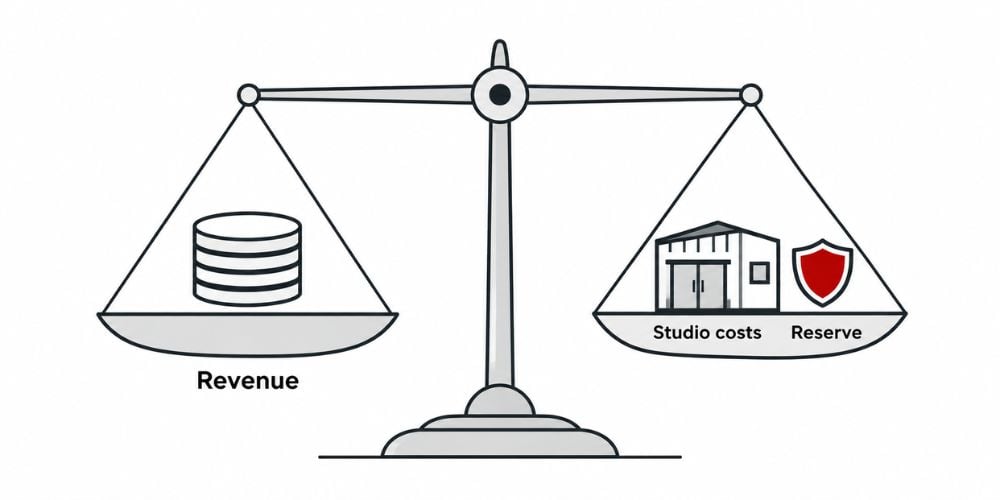
Here is why this matters: once you rent a studio, several expenses continue even during a slow month.
The U.S. Small Business Administration’s startup-cost guidance recommends identifying expenses such as space, equipment, utilities, insurance, marketing, and other operating costs before launching. It also recommends looking at your break-even point so you understand how much business you need to cover your costs.
Simple Example
Expense | Example Monthly Cost |
Rent | $1,500 |
Utilities | $250 |
Insurance/software | $250 |
Marketing | $300 |
Cleaning/maintenance | $200 |
Equipment payments | $500 |
Total | $3,000 |
Your actual costs will depend on your location, but the principle stays the same.
Your existing clients should already cover a meaningful part of those costs before you expand.
Ask yourself: Could I still pay the bills if a few clients left next month?
If the answer is no, give yourself more financial room first.
3. Choose a Simple Studio Model
Do not try to offer everything.
Choose one main way you want people to train.
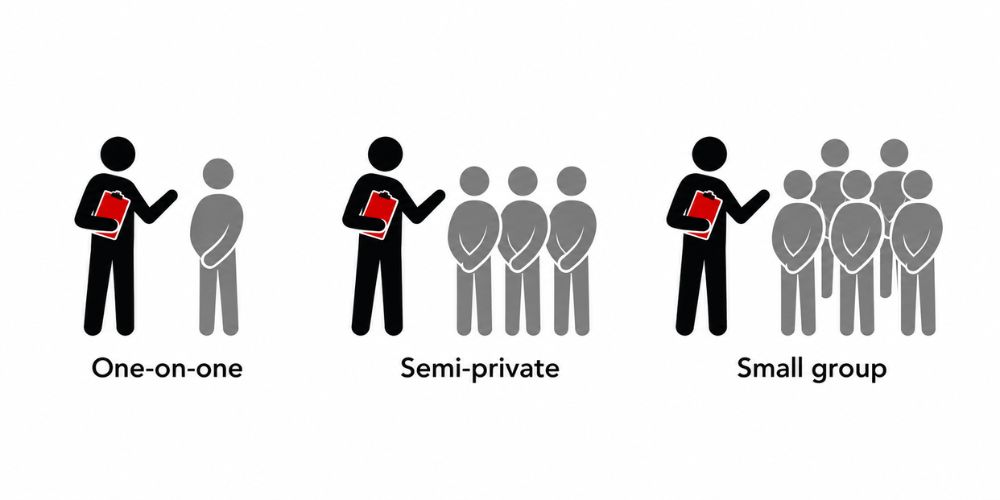
One-on-One Training
This is the easiest move if you already work as a personal trainer.
You keep the same service and simply move clients into your own space.
The advantage is simplicity.
The downside? Your income still depends heavily on your own hours.
Semi-Private Training
Semi-private training usually means coaching a few clients at the same time.
You might train 2 to 4 people while still adjusting exercises and loads for each person.
I often like this model for small studios because it increases capacity without turning every session into a large class.
Small-Group Training
You can also run structured sessions for larger groups.
This works best when clients have similar goals and exercises can be organized efficiently.
Which model should you choose?
Choose the one that matches the clients you already have.
Do not build the whole business around a service nobody has asked for yet.
4. Start with a Small Space
Your first studio does not need to look impressive.
It needs to work well.
Check:
- Enough room between equipment
- Safe walking paths
- Good ventilation
- Suitable flooring
- Bathroom access
- Parking
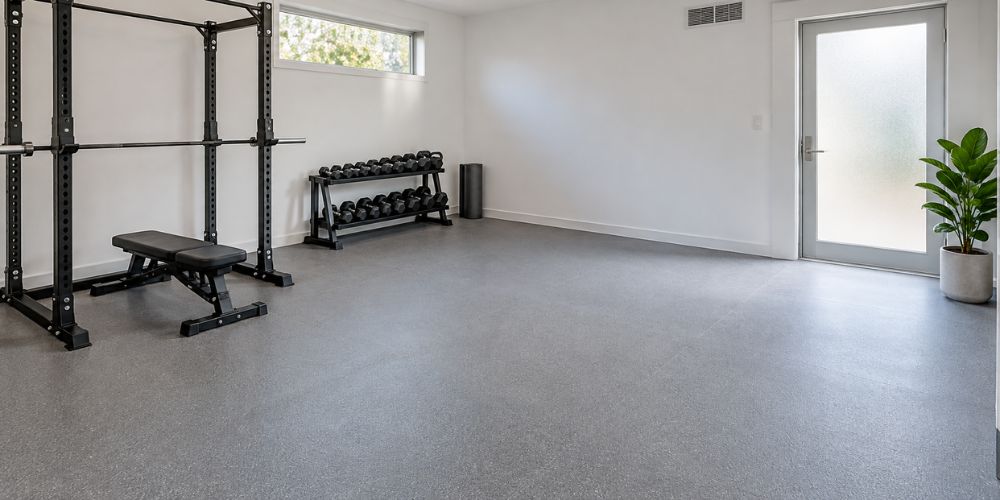
One mistake I often see is choosing a space based on how large it looks when empty.
Once racks, benches, dumbbells, cables, storage, and clients enter the room, usable floor space disappears quickly.
Facility safety deserves attention too. The American College of Sports Medicine’s Health/Fitness Facility Standards and Guidelines covers areas such as facility design, equipment, operating procedures, supervision, and emergency planning.
Leave Some Empty Space
Do not fill every square meter.
You still need space for:
- Warm-ups
- Mobility work
- Lunges
- Carrying exercises
- Bodyweight work
- Moving between stations
Empty floor space is still a useful training space.
Starting with a compact studio? At YR Fitness, we design commercial strength and cardio equipment for regular daily use, and we know that every machine has to justify the floor space it takes. Explore our commercial gym equipment and compare options based on the exercises your clients actually need before filling your studio.
5. Buy Only the Equipment You Need
You do not need twenty machines on opening day.
Start with equipment that gives you many exercise options.
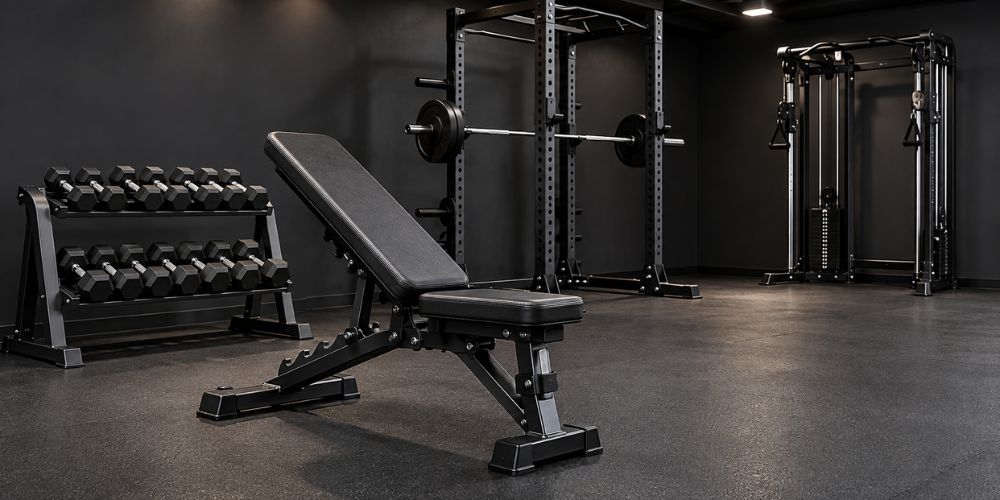
A practical starter setup might include:
- Dumbbells
- Adjustable benches
- Squat rack
- Functional trainer or cable machine
Depending on your clients, you may later add:
- Leg press
- Lat pulldown
- Seated row
- Chest press
Buy for Your Clients, Not for Yourself
This is easy to overlook.
You may personally love a certain machine, but ask:
Will my clients actually use it every week?
If not, that money may be better spent somewhere else.
I usually prefer multi-use equipment during the early stage because it gives you more programming flexibility without taking too much floor space.
Add Equipment in Phases
A simple approach is:
Phase 1: Essential free weights and basic training stations
Phase 2: Cable and selectorized equipment
Phase 3: Additional machines based on client demand
This also gives you time to see what clients actually use before spending more money.
Why buy three machines at once when one versatile station may cover most of the exercises you currently need?
6. Move Clients into the New Studio
Once the space is ready, make the move easy for your existing clients.
Tell them early.
Explain:
- Where the studio is
- When you are moving
- Where to park
- How entry works
- Whether training times change
Do not surprise clients with too many changes at once.
If you change the location, prices, schedule, and training model together, people may feel unsure.
Show Them the Benefit
Focus on what improves for them.
For example:
- More equipment
- More privacy
- Better session availability
Clients usually care less about the fact that you now own a studio than about how the new studio improves their training.
I would also speak directly with long-term clients before making a public announcement. They helped build the foundation of your business, so early communication can make the move much smoother.

Conclusion
Growing from a solo trainer to a small studio does not require one huge jump. Build steady clients, know your numbers, choose a simple model, rent only the space you need, buy essential equipment first, and move clients carefully.
From what I see, the healthiest growth usually happens in stages: more clients first, more space second, and more equipment third.
When you reach that equipment stage, review the commercial strength, cardio, and accessory options from YR Fitness and choose equipment based on what your clients will actually use as your studio grows.
Related articles: