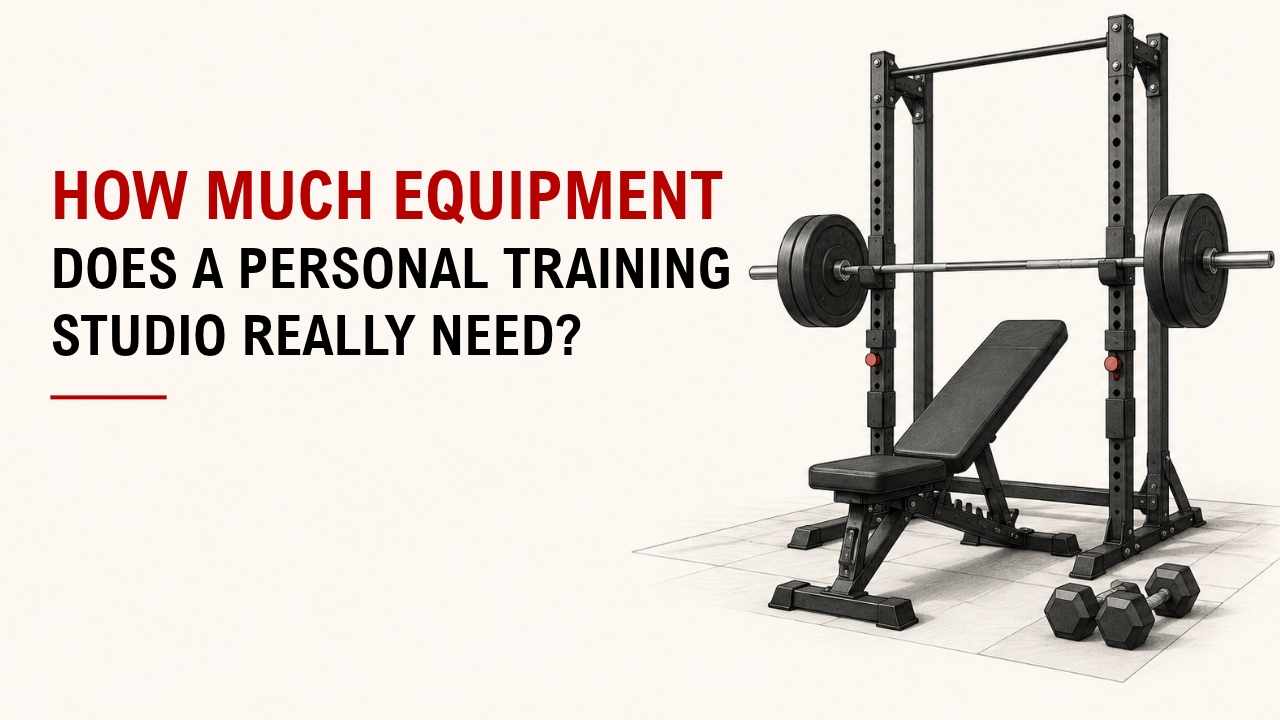

Do you really need a room full of machines to train well in a personal training studio? Many people assume more equipment automatically means a better workout.
The short answer is no. Around 8–12 well-chosen equipment types are enough for most personal training studios, especially when each piece can support several exercises.
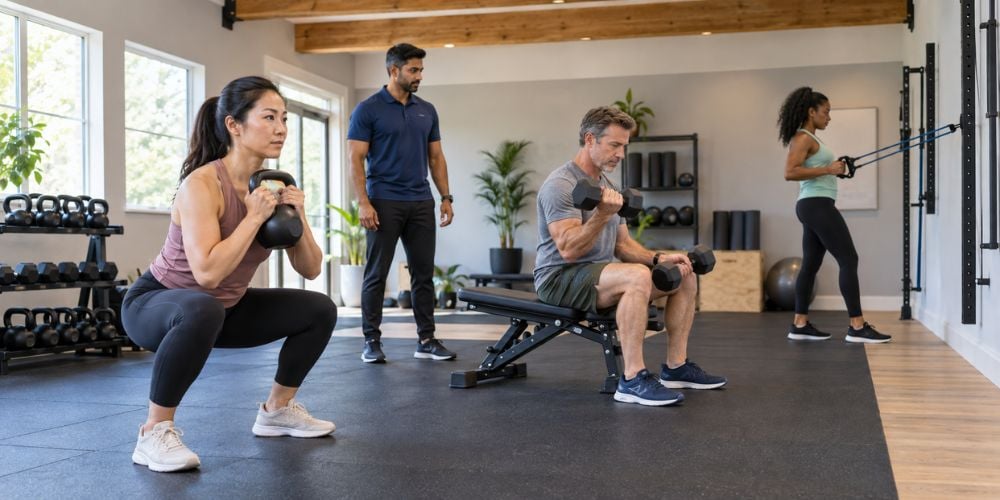
As an Ergonomics Engineer at YR Fitness, I study how people, equipment, and training space work together. I often see smaller studios work better when the layout stays simple and there is still room to move comfortably.
This guide shows you how much equipment you really need, what to choose first, and when adding more makes sense. Keep scrolling and use it as a simple checklist.
1. How Much Equipment Based on Studio Size?
Studio size matters because every machine needs usable space around it.
Studio Size | Practical Equipment Amount | Best Use |
Under 50 m² | 6–10 main types | 1-on-1 training |
50–100 m² | 8–15 main types | 1-on-1 or small groups |
100–200 m² | 12–20+ types | Multiple trainers or groups |
More floor space does not mean you should keep adding machines.
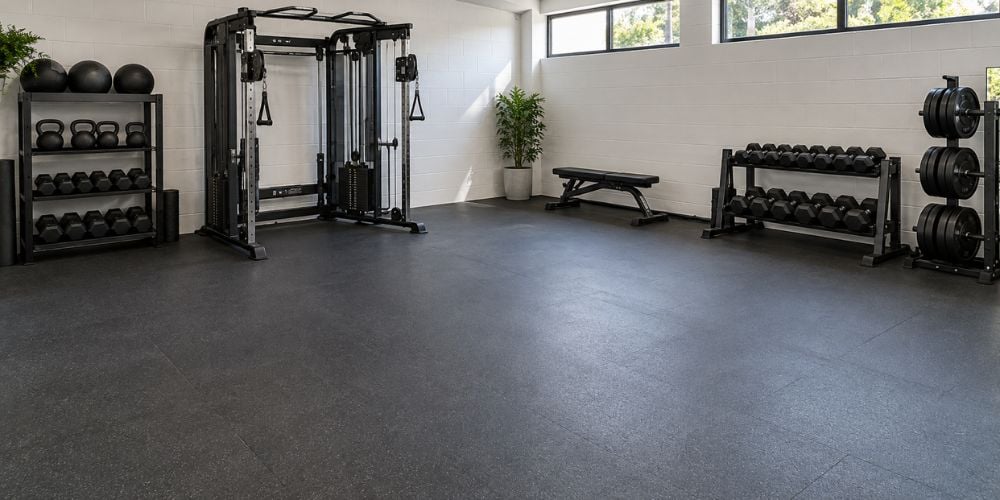
In my design experience, I would rather see 10 useful pieces with comfortable movement space than 20 machines packed together. You still need room for walking, lunges, stretching, bodyweight work, and coaching.
Here is why this matters: the NSCA notes that facility design should consider equipment placement, visibility, accessibility, participant numbers, and how people use the available space.
Ask yourself one simple question:
Can two people move around comfortably without constantly stepping around equipment?
If not, the room may already be too crowded.
2. Equipment You Actually Need First
Start with equipment that gives you the most exercise options.
Equipment | What It Covers | Priority |
Dumbbells | Presses, rows, squats, lunges, curls | High |
Adjustable bench | Pressing, rowing, seated work | High |
Rack | Squats, presses, pull-ups, barbell work | High |
Barbell + plates | Squats, deadlifts, presses, rows | High |
Functional trainer | Pulling, pressing, arm and core work | High |
Kettlebells | Carries, swings, squats, conditioning | Medium |
Cardio machine | Aerobic conditioning | Medium |
Bands and mats | Mobility, warm-ups, light resistance | Medium |
Strength Basics
Begin with:
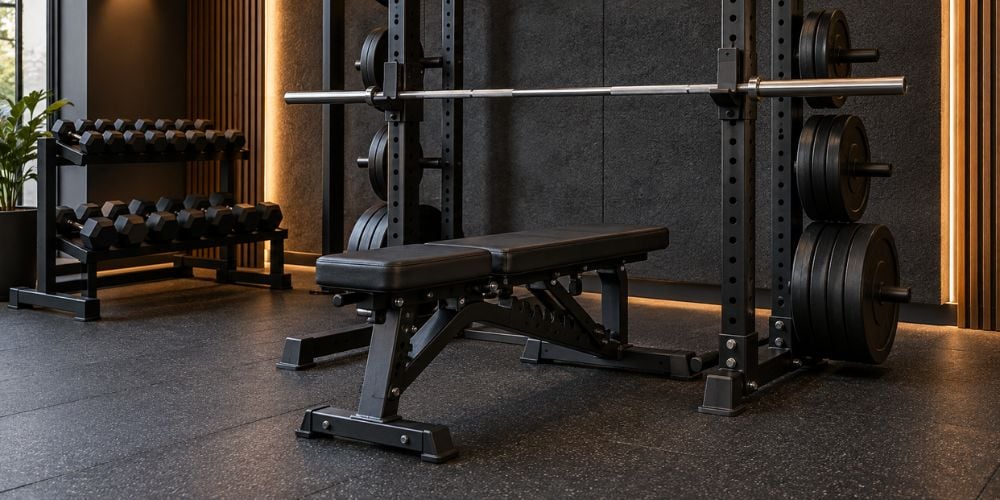
- Adjustable dumbbells or a dumbbell set
- Adjustable bench
- Squat or power rack
- Barbell
- Weight plates
These cover squats, presses, rows, deadlifts, lunges, and many other movements.
Free weights are useful because one set can support many exercises. The American College of Sports Medicine notes that free weights, resistance bands, bodyweight exercises, medicine balls, and machines can all be used for effective strength training.
Cable Training
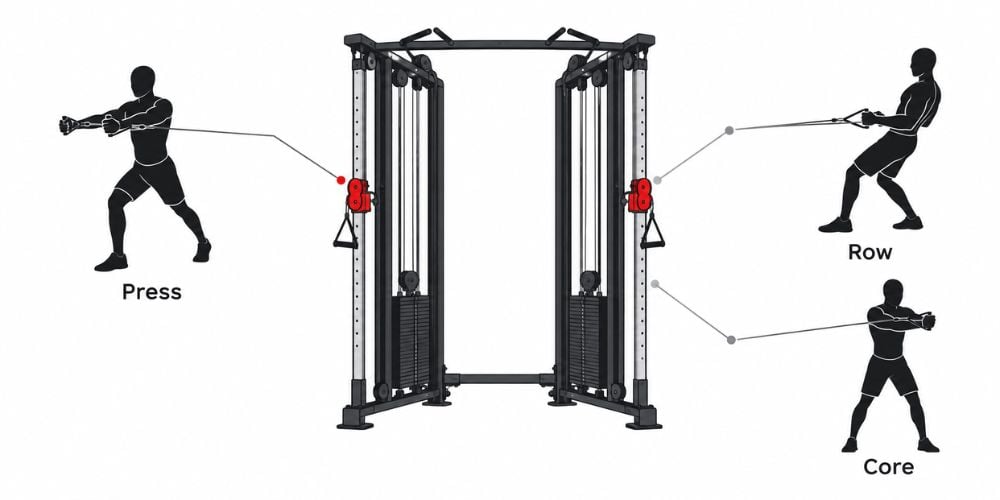
A functional trainer or cable machine is also highly useful.
You can change:
- Handle position
- Resistance direction
- Exercise angle
- Training height
That gives you more exercise variety without buying several separate machines.
Cardio Equipment
Most small studios only need one or two cardio options.
Common choices include:
- Exercise bike
- Rower
- Treadmill
- Elliptical
Choose based on the workouts you actually enjoy doing.
Small Accessories
Add simple items such as:
- Resistance bands
- Mats
- Kettlebells
- Medicine balls
- Foam rollers
- Cable attachments
They take up little room but add plenty of training options.
At YR Fitness, we focus on commercial strength, cardio, and accessory equipment that can handle regular training without forcing you to fill every corner of the room. Browse our equipment range and compare pieces that can support several exercises before adding single-purpose machines.
3. How Many Clients Train at the Same Time?
The number of people training at once also affects how much equipment you need.
One Trainer + One Client
You need very little duplication.
One rack, one bench, one cable station, and one set of free weights may already be enough.
2 to 4 People
You may need extra:
- Benches
- Dumbbells
- Kettlebells
- Barbells
- Mats
You probably do not need two of every large machine.
5 or More People
Now equipment availability matters more.
You may want:
- Two racks
- Multiple benches
- More dumbbells
- Extra cable stations
- More cardio equipment
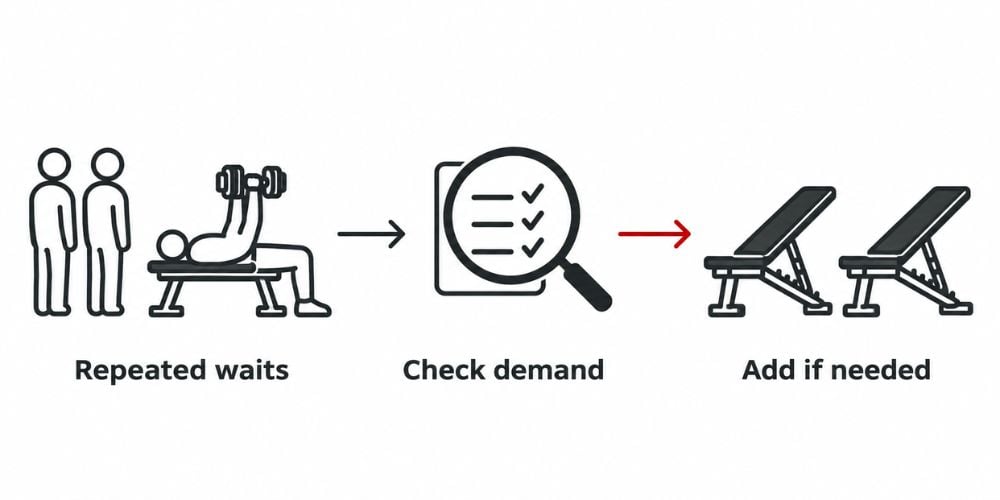
What is the easiest sign that you need more equipment?
People are waiting.
I often use waiting time as a simple clue. If someone has to stop because another person is using the only useful station, adding another piece may make sense.
4. Multi-Function Equipment Can Reduce the Amount You Need
Want to keep the studio simple? Choose equipment that can handle several exercises.
Useful examples include:
- Functional trainers
- Cable crossover stations
- Half racks with attachments
- Adjustable benches
- Dumbbells
- Kettlebells
One functional trainer can replace several single-purpose machines.
A rack with attachments may support:
- Squats
- Bench presses
- Pull-ups
- Landmine exercises
- Resistance-band work
- Suspension training
This is why versatility matters more than the total machine count.
You also do not need sophisticated equipment for every exercise. Recent ACSM guidance notes that bodyweight exercises, elastic bands, and other simple resistance options can still be effective, especially when the program is consistent and covers the major muscle groups.
The goal is simple: enough exercise choices without making the room difficult to use.
5. When Should You Add More Equipment?
Do not add a machine just because you have an empty corner.
Add more equipment when:
- People regularly wait for equipment
- More people begin training at the same time
- One station is used constantly
- You start doing new types of workouts
- Your current equipment cannot support an exercise you need
- Older equipment needs replacement
I often see people buy equipment first and think about usage later. It is usually better to watch how the studio is actually used before spending more.
Ask yourself:
Will this equipment let me do something useful that I cannot already do?
If the answer is no, you probably do not need it yet.
Conclusion
Most personal training studios do not need dozens of machines. Around 8–12 versatile equipment types are enough for many studios, as long as you have basic strength equipment, cable training, cardio, and enough open space.
What matters most is how often you use the equipment you already have.
Want to simplify your equipment choices? Explore YR Fitness equipment and start with the pieces that give you the most training options for the space you have.
Related articles: