






One broken machine and one injured member were enough to make a gym owner say, “I thought safety was handled—until it wasn’t.” Situations like this are common in commercial gyms and can quickly turn into serious business problems.
Moments like these often lead to a deeper realization. Gym safety is not just about daily rules, but about long-term planning and smart equipment decisions.
As a commercial gym equipment supplier, YR Fitness designs and manufactures equipment that follows professional safety standards and real training biomechanics. Our hands-on work with gym owners gives us insight beyond theory.
In this guide, you’ll learn how equipment design, layout, maintenance, and supplier choices affect safety. By the end, your key concerns as a gym business will be clearly addressed.
Because safety failures don’t just hurt people—they damage trust and profitability.
So, let’s get started!
Table of Contents
1. Facility and Equipment Safety
A safe gym environment starts with how the facility and equipment are maintained every day. From our experience supplying commercial gyms, safety issues often come from preventable wear, poor organization, or overlooked details rather than major failures.
Routine Equipment Checks
Routine inspections are essential for keeping commercial equipment safe and reliable. We recommend checking for loose bolts, worn cables, unstable frames, and unusual resistance during movement. As manufacturers, we design equipment for long-term use, but consistent maintenance schedules and repair logs are what truly extend lifespan and reduce injury risk. Choosing professionally designed, high-quality machines from the start also lowers the chance of unexpected downtime and costly replacements.
Clear and Visible Signage
Clear usage instructions help prevent misuse, especially in busy commercial gyms with mixed experience levels. We’ve seen that simple visuals, clear warnings, and well-placed instructions significantly reduce user errors. From a supplier’s perspective, signage works best when it supports correct movement patterns built into the equipment design, reinforcing safe training habits for all members.
Non-Slip Flooring
Flooring plays a bigger role in safety than many gym operators realize. Industry reports show that slips and falls account for a large portion of facility accidents, often due to unsuitable flooring materials. In high-traffic and moisture-prone areas, durable, anti-slip flooring helps protect members while making daily cleaning easier during peak hours.
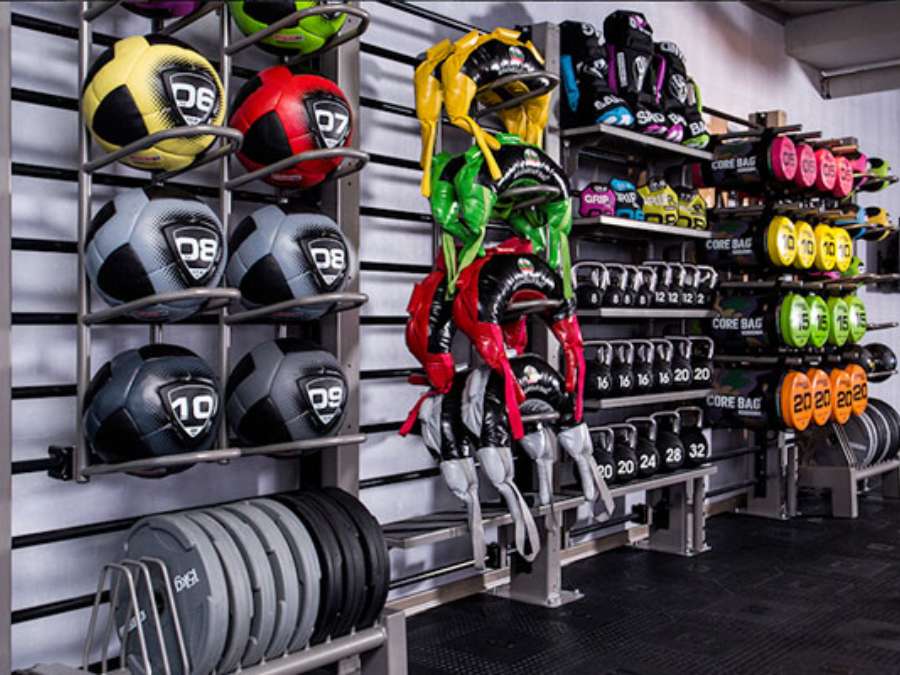
Organized Equipment Storage
Cluttered training floors increase the risk of trips, dropped weights, and damaged equipment. Proper racks, storage systems, and designated zones keep operations smooth and safe. From our side as a one-stop gym equipment supplier, we always advise planning storage alongside strength machines, cardio equipment, and accessories to maintain a clean, professional layout.
Ensuring your facility and equipment meet commercial safety expectations protects both your members and your brand reputation. At YR Fitness, we design and manufacture commercial-grade strength machines, cardio equipment, and accessories with safety, durability, and professional biomechanics in mind.
Contact us today to see how our complete gym solutions can help you build a safer, more reliable fitness facility.
2. Hygiene and Sanitation
Maintaining cleanliness is vital for protecting your members’ health and creating a welcoming environment. A well-kept gym not only supports wellness but also builds trust and encourages loyalty. Here are key areas to focus on for maintaining hygiene:
- Daily Cleaning Routines: Create a schedule to clean high-traffic areas, such as workout zones, multiple times a day. This helps keep bacteria and germs from accumulating and spreading.
- Sanitizing Stations: Place disinfectant wipes and hand sanitizers at convenient locations throughout the gym. This makes it easy for members to clean equipment after use and stay hygienic during their workout.
- Proper Ventilation: Good airflow is important in gym spaces to reduce airborne contaminants. Install and maintain proper air filtration systems to help keep the environment fresh and safe for members.
- Locker Room Cleanliness: Disinfect surfaces in locker rooms, showers, and saunas regularly. Locker rooms are high-touch areas that require frequent cleaning to prevent the spread of bacteria and viruses.
- Regular Trash Disposal: Make sure trash bins are emptied frequently throughout the day. Similarly, encourage members to dispose of used wipes and other waste properly to maintain a tidy space.
Key hygiene and sanitation practices are essential for a gym to ensure member health and satisfaction:
Aspect | Description | Recommended Actions or Products |
Daily Cleaning Routines | Establish a schedule to frequently clean high-traffic areas like workout zones to minimize germ accumulation. | Use EPA-approved disinfectants and microfiber cloths for effective cleaning. |
Sanitizing Stations | Distribute disinfectant wipes and hand sanitizers throughout the gym for easy equipment and personal cleaning. | Install dispenser stations at key points and provide alcohol-based sanitizers. |
Proper Ventilation | Ensure good airflow and maintain air filtration systems to reduce airborne contaminants. | Implement high-efficiency air filters and consider adding air purifiers in larger spaces. |
Locker Room Cleanliness | Regularly disinfect surfaces in locker rooms, showers, and saunas to prevent bacterial and viral spread. | Use hospital-grade disinfectants and schedule deep cleans during low-traffic hours. |
Regular Trash Disposal | Keep trash bins emptied frequently and encourage proper disposal of waste by members. | Place ample trash bins and recycling options, and use clearly marked signage to encourage proper use. |
3. Member Education and Awareness
A safe gym isn’t built on equipment alone—it depends on how well members understand and follow safety practices. From our experience working with commercial gyms worldwide, education is one of the most effective ways to reduce misuse, injuries, and long-term wear on equipment.
Orientation for New Members
Guided orientations help new members feel confident and safe from their first visit. Walking them through proper equipment use, traffic flow, and basic gym rules reduces beginner mistakes that often lead to accidents. We’ve seen that when equipment is professionally designed with clear movement paths, orientations become easier and more effective for staff.
Workshops on Exercise Safety
Workshops focused on exercise form, stretching, and injury prevention reinforce safe training habits across all experience levels. From a supplier’s perspective, these sessions work best when they align with the biomechanics built into commercial machines. Educating members on warm-ups and cooldowns also helps protect both users and equipment over time.
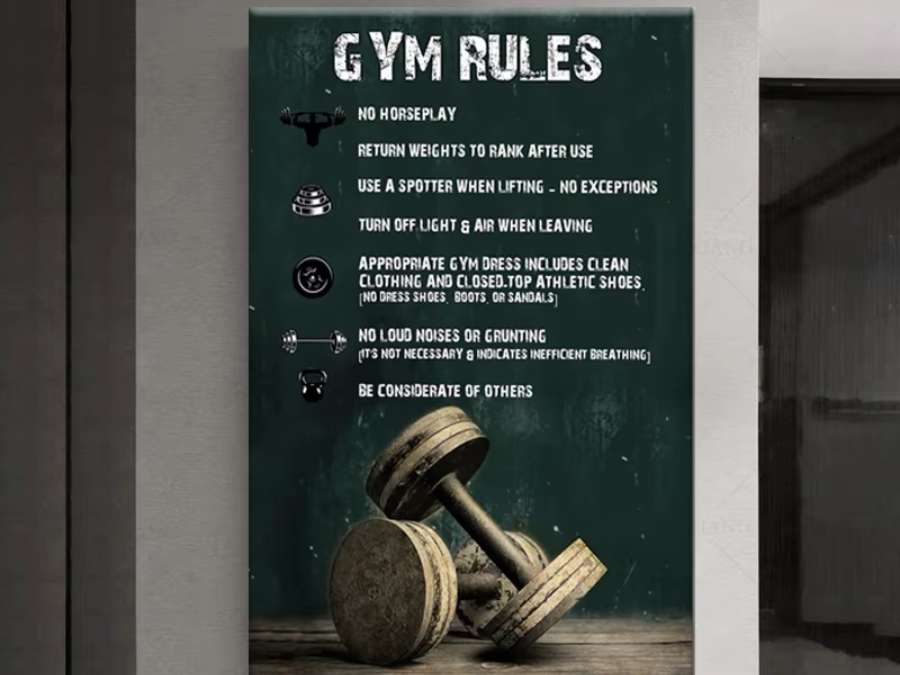
Safety Posters Around the Gym
Visual reminders support safe behavior during busy training hours. Posters placed near free weights, strength machines, and cardio areas reinforce correct techniques and equipment usage. In facilities using complete gym solutions—strength, cardio, and accessories—consistent safety messaging helps create a unified, professional training environment.
Strong safety education improves member confidence, equipment longevity, and overall gym credibility. At YR Fitness, we support gym businesses with professionally designed commercial equipment and practical safety knowledge gained from serving over 100 countries.
Contact us today to learn how our one-stop gym solutions can help you strengthen safety awareness and member trust.
4. Injury Prevention
Preventing injuries protects your members and lowers operational risk for your business. From what we see across commercial gyms, most injuries are avoidable when training guidance, equipment design, and daily habits work together.
Personal Training Guidance
Encouraging members to train with certified professionals reduces unsafe movements and poor technique. Trainers help correct form, adjust workloads, and guide pacing, which is especially important for new or returning members. In facilities equipped with professionally designed machines, trainers can focus more on coaching and less on compensating for equipment limitations.
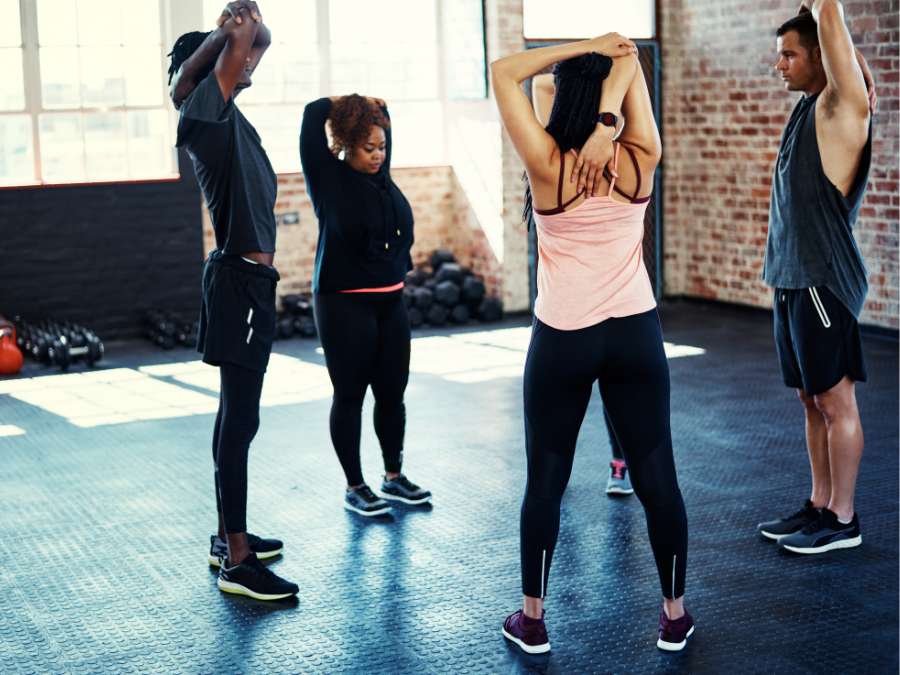
Emphasizing Warm-ups and Cooldowns
Warm-ups and cooldowns play a critical role in injury prevention, yet they are often overlooked. Preparing muscles before training and stretching afterward helps reduce strains, stiffness, and long-term wear on the body. From our manufacturing standpoint, equipment that supports natural movement patterns makes it easier for members to transition safely between warm-up, training, and recovery.
Monitoring Overexertion and Fatigue
Overtraining is a common cause of injuries in busy gyms. Teaching members to recognize fatigue, respect rest days, and maintain balanced training schedules helps prevent burnout and physical strain. Clear guidance combined with stable, commercial-grade equipment encourages safer intensity control during workouts.
Injury prevention works best when training practices and equipment design support each other. At YR Fitness, we engineer commercial strength machines, cardio equipment, and accessories with biomechanics that guide users into safer movement paths.
Contact our team today to see how our one-stop gym solutions can help you reduce injury risks while maintaining professional training standards.
5. Emergency Preparedness
Being ready for emergencies is part of running a responsible commercial gym. From what we see working with gym operators, clear procedures and reliable equipment help reduce panic and protect both people and operations when unexpected situations occur.
- Fire Safety Measures: Install smoke detectors, fire alarms, and fire extinguishers throughout your gym. Regularly check these devices to confirm they are functioning and up to code.
- Evacuation Routes: Create clear evacuation routes and post them in visible areas around the gym. Practice evacuation drills with staff so they are ready to guide members to safety in case of an emergency.
- First Aid Kits: Stock your gym with easily accessible first aid kits in various locations. Make sure the kits are well-equipped and restocked regularly to handle common injuries.
- Automated External Defibrillators (AEDs): Equip your facility with AEDs, which can be lifesaving during cardiac emergencies. Train all staff members on how to properly use these devices in case of an emergency.
- Emergency Contact Protocols: Establish a clear procedure for contacting local emergency services quickly. Keep emergency numbers posted near phones and provide staff with a list of critical contacts.
- Regular Staff Training: Conduct ongoing emergency response training, including first aid and CPR certifications. Likewise, empower your team to stay calm and act swiftly when an emergency occurs, minimizing confusion and ensuring a faster response.
Emergency preparedness also depends on equipment reliability and professional support. From our side as a commercial gym equipment manufacturer, we design machines with robust safety features and layouts that support clear access and fast response.
Contact the team at YR Fitness today to learn how our one-stop commercial gym solutions can help you maintain a safer, more prepared facility.
Conclusion
Prioritizing emergency preparedness is essential for maintaining a safe and well-functioning gym environment. Having clear protocols and trained staff ready to respond to various emergencies helps protect your members and your business from unnecessary risks.
We hope this guide has provided you with the key areas to focus on for effective emergency planning. YR Fitness, a leading commercial gym equipment manufacturer, has the solutions you need to build a safe and successful facility. Contact us today to find the best equipment for your gym.
Dive Deeper Into Our Resources
For some insightful reads, we’ve curated a list of recommended articles just for you:
Still haven’t found what you’re looking for? Don’t hesitate to contact us. We’re available around the clock to assist you.
Related articles: