




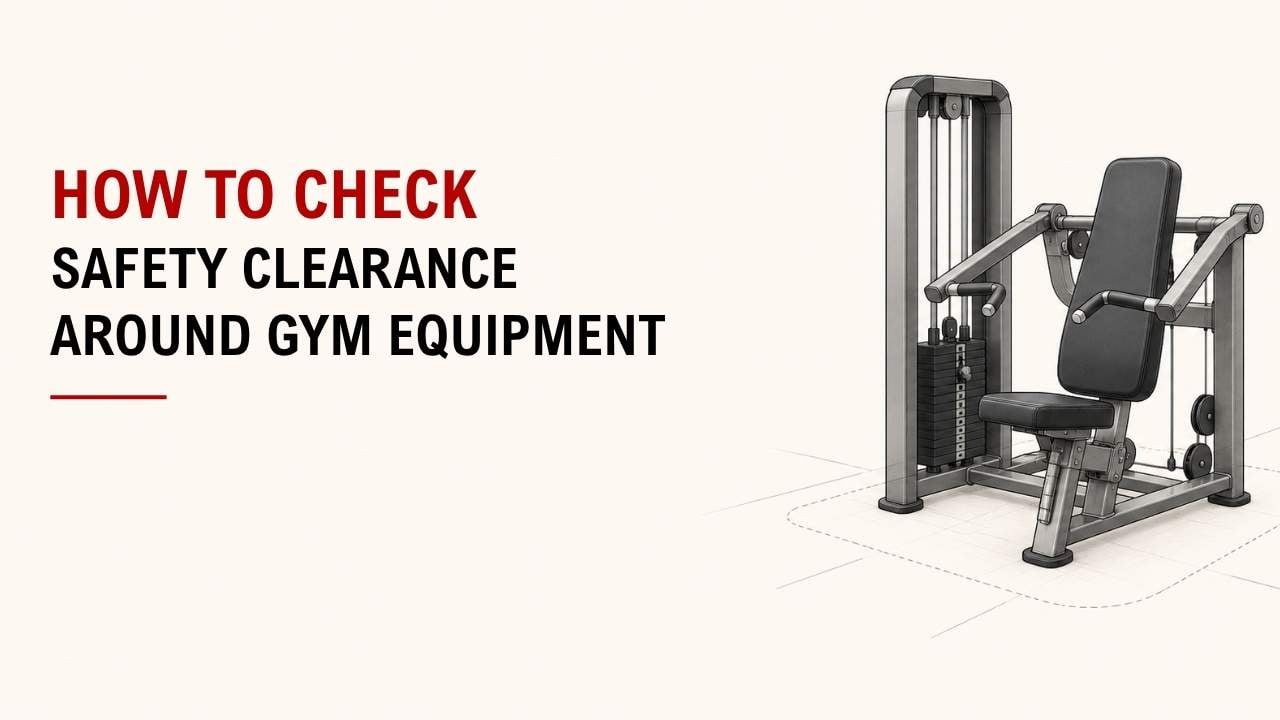

Have you ever started an exercise and realized the wall, another machine, or another person was too close? A machine can look fine until you actually start moving.
The short answer is: check the space around the machine, test its full movement, make sure your body can move freely, and keep entry and walking areas clear. If the area feels cramped, create more room before you start.
As an Ergonomics Engineer at YR Fitness, I study how people move around gym equipment and how machine dimensions affect usable space. I often see equipment that looks well positioned until someone performs the first full repetition.
Below, I’ll show you six quick checks you can make before using a machine. Use them as a simple safety routine before your workout.
1. Check the Space Around the Machine
Start by looking around all sides of the machine.
Check for:
- Walls
- Other machines
- Benches
- Weight plates
- Dumbbells
- Bags and bottles
- Columns or other obstacles
You should be able to get into position without squeezing between objects.
The American Council on Exercise’s guidance on exercise equipment also recommends leaving adequate space between equipment, users, and foot traffic.
Quick question: Does the machine actually fit?
Do not judge by the frame alone. Your body and the machine’s moving parts also need space.
If the manufacturer provides a recommended clearance, use that figure rather than guessing.
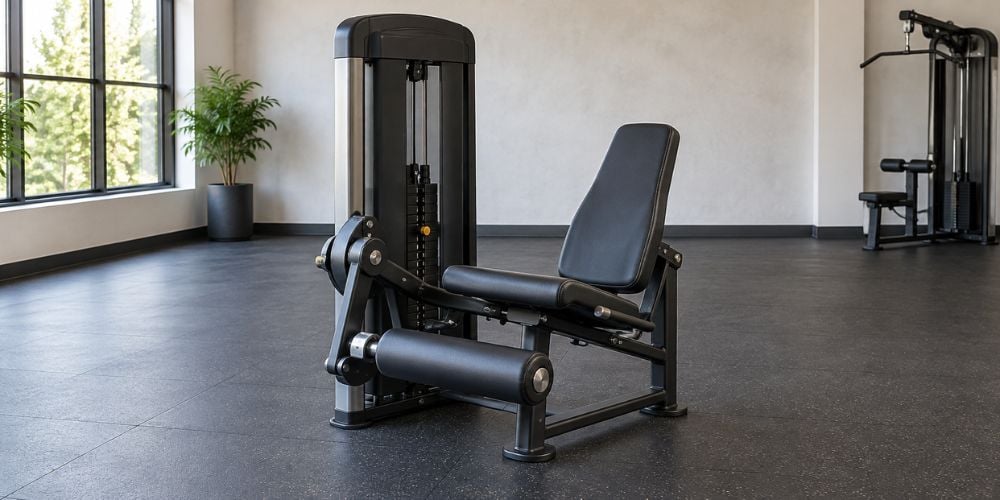
2. Check the Machine’s Full Movement
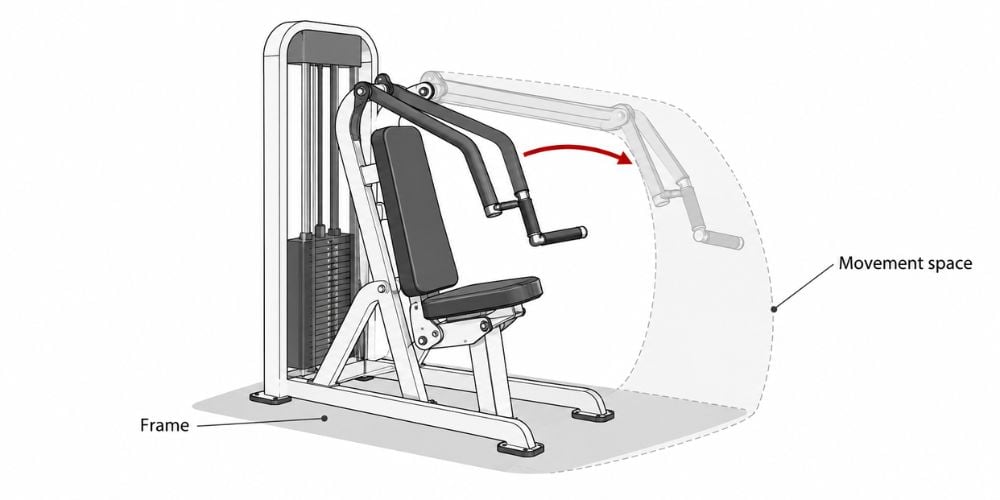
A machine may look safe while standing still but needs much more room once it starts moving.
Before using heavy resistance, slowly take it through its normal range of motion.
Check whether:
- Pressing arms approach a wall
- Pedals come close to another machine
- Cable handles reach nearby equipment
- Weight arms swing into another training area
- Adjustable parts hit surrounding objects
I pay extra attention to machines with long arms or wide movement paths. Their working space can be much larger than their frame size.
Here is why manufacturer instructions matter. In one Precor safety and maintenance manual, the manufacturer specifies 40 inches (1 meter) of clearance around certain equipment and says functional-training areas must allow cables to extend fully. Those numbers apply to the equipment covered by that manual, so always check your own machine’s instructions.
3. Check Your Own Exercise Space
Next, forget about the machine for a moment. How much space do you need?
Get into your normal exercise position and perform one slow practice rep with little or no resistance.
Ask yourself:
- Can I fully extend my arms?
- Can my legs move freely?
- Can I lean or rotate without hitting anything?
- Is there enough room to adjust my position?
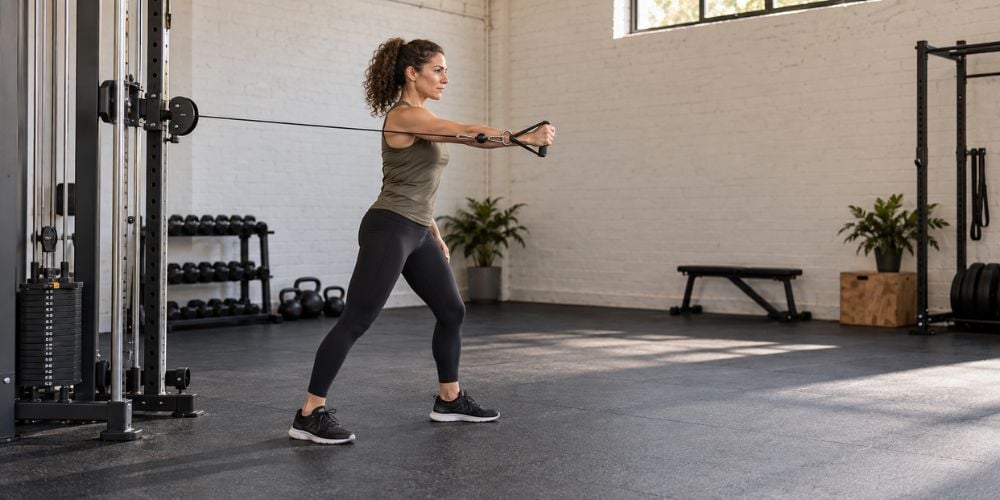
For example, a cable machine may have plenty of space around its frame, but you might stand several feet away from it during the exercise.
I often find that one slow practice rep exposes clearance problems faster than simply looking at the machine.
Area to Check | What You Need |
Front | Room to enter, exercise, and step away |
Sides | No contact with machines or people |
Back | Clearance for your body or moving parts |
Above | No low lights, beams, or obstacles |
One more check: look upward.
Pull-up bars, overhead presses, cable attachments, and raised machine arms may need more vertical space than you expect.
4. Keep the Entry and Exit Area Clear
You should be able to get on and off the equipment easily.
Move anything blocking your access, including:
- Loose weight plates
- Dumbbells
- Small benches
- Resistance bands
- Gym bags
- Water bottles
Why check this before exercising?
After a hard set, you may be tired or slightly less steady. Stepping around loose weights and bags becomes harder than it was before your set.
I prefer checking the exit area before my first set rather than discovering the problem once fatigue sets in.
Simple rule: if you cannot enter and leave comfortably, the area is too crowded.
If you’re comparing commercial equipment and want to know whether a machine will suit your available training space, check the dimensions and movement style at YR Fitness. We design our equipment around practical movement paths, so you can compare the machine footprint with the space you will actually need while exercising.
5. Check the Walking Route
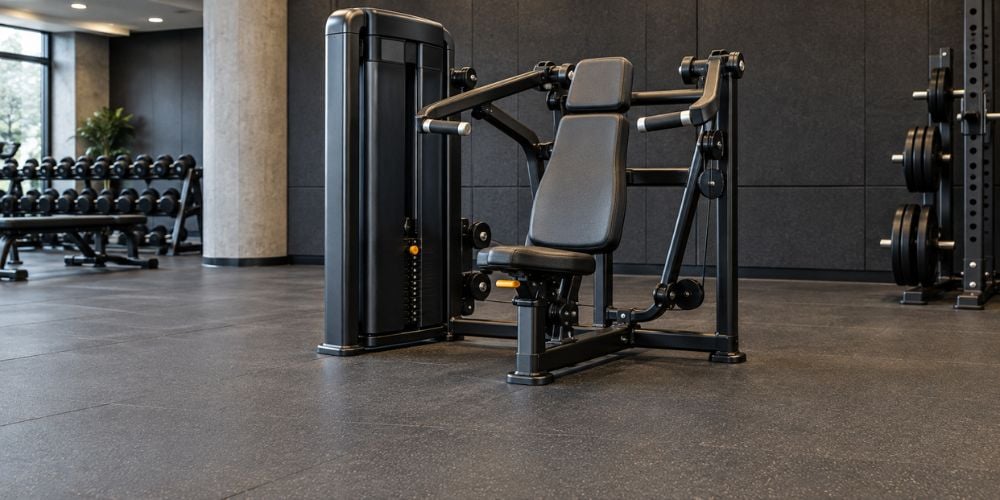
Now look beyond your own workout area.
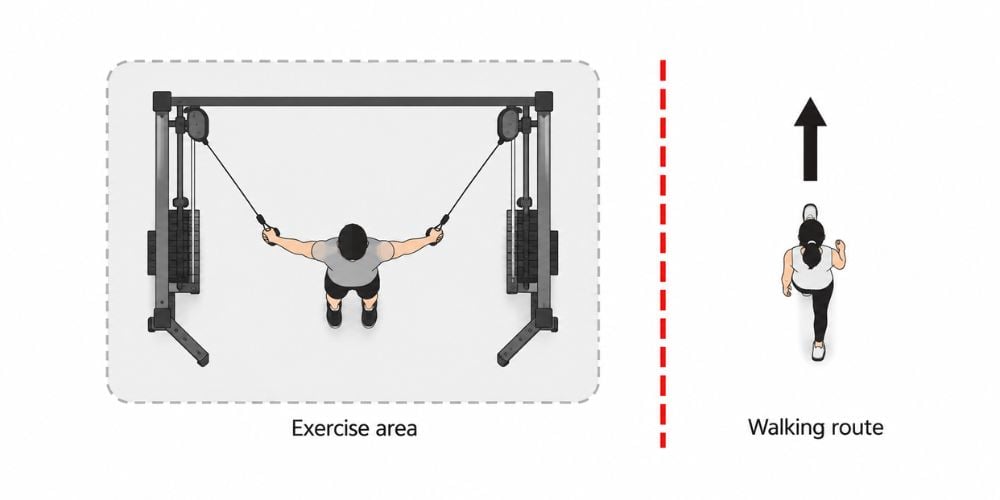
Can someone walk past without entering your exercise space?
Pay attention to:
- Narrow gaps between machines
- Equipment beside busy walkways
- Benches extending into walking routes
- Plates stored where people walk
- Cable exercises crossing common paths
Someone walking past should not come close to moving handles, cables, pedals, or weight arms.
This matters because your exercise area is not just the spot where your feet are. A moving handle, extended leg, or cable may reach much farther.
If people regularly need to squeeze past you, the practical clearance is probably too small.
6. Leave More Room for Dynamic Exercises
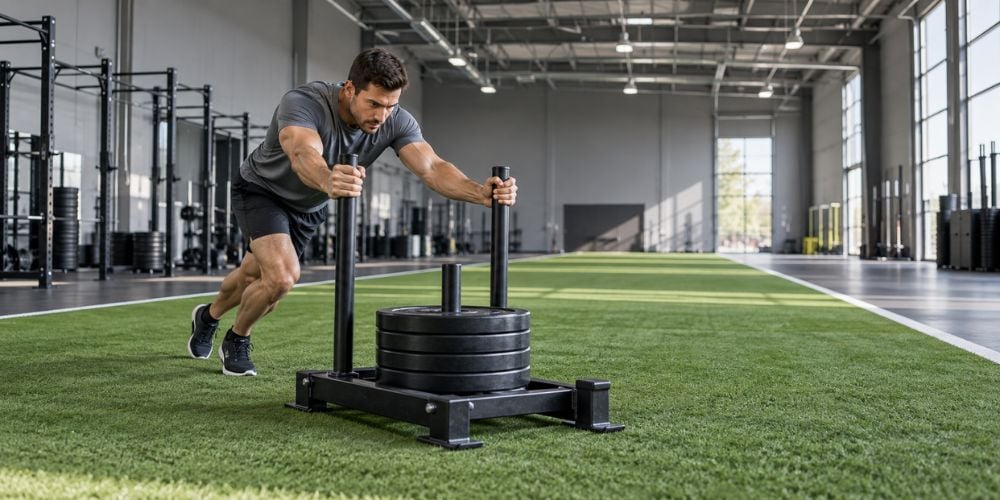
Some exercises naturally need more open space than a seated machine exercise.
Examples include:
- Cable exercises
- Sled pushes
- Rowing
- Walking lunges
- Functional trainer movements
- Free-weight bench exercises
- Exercises using independent machine arms
Why more room?
Because your body, the equipment, or both move through a larger area.
Exercise Type | Relative Clearance Need | Why |
Seated fixed machine | Lower | Movement stays close to the machine |
Selectorized press or row | Moderate | Arms or handles may move outward |
Cable exercise | Higher | You may stand away from the machine |
Free-weight exercise | Higher | Weights and body move through open space |
Sled or walking exercise | Very high | You travel across the floor |
Functional trainers are a good example. The Precor FTS Glide specifications list both the machine dimensions and a recommended workout area, plus additional overhead clearance for pull-ups. It is a useful reminder that machine size and usable exercise space are not always the same thing.
In my experience, leaving a little extra room feels much better than completing every repetition while worrying about what is behind you.
Quick Safety Check Before You Start
Not sure whether you have enough space?
Take five seconds and ask:
- Is there clear space around the equipment?
- Can every moving part travel freely?
- Can my body complete the full exercise?
- Can I enter and exit easily?
- Is the nearby walking route clear?
- Could another person step into my exercise area?
If one answer is no, adjust the space before you start.
Conclusion
Checking safety clearance is simple: look around the machine, test its movement, check your own exercise space, and keep nearby paths clear. A few seconds of checking can make your workout more comfortable and help prevent unnecessary collisions.
If you are comparing equipment for your training space, explore YR Fitness to check commercial machine designs and dimensions before deciding what fits.
Related articles: