






I still remember the first time a gym owner told us their step platforms kept cracking after a few months of group classes. It was a small issue at first, then it became a safety problem.
That moment pushed us to look closer at what really makes an aerobic step worth buying. It also showed how easy it is to waste money on the wrong model.
YR Fitness has been building commercial gym equipment since 1997, with a strong focus on gym-floor reliability. We offer a full range of strength equipment, cardio machines, and accessories for complete gym setup needs. We export to over 100 countries and provide support for gyms, distributors, and fitness project teams globally.
In this guide, you’ll see what to check before you buy, what specs matter most, and what problems to avoid. By the end, you’ll know how to choose a step that fits your class needs and budget.
A step platform looks simple, but the wrong one can cause complaints, downtime, and even injuries. You deserve a choice that holds up under real gym use.
So, let’s get started!
Table of Contents
1. Quick Comparison Chart
Aerobic steps are versatile pieces of equipment that provide a wide range of cardio and strength exercises. Different types of steps offer varying features, which can cater to individual workout preferences and intensity levels. Partnering with a reputable commercial gym equipment manufacturer can help ensure you select durable, high-quality aerobic steps and other essential gear for your facility. Below is a table comparing the features of the different types of aerobic steps:
Type | Adjustability | Durability | Weight Capacity |
Basic Adjustable Steps | 2-3 levels | Moderate, made from sturdy plastic | Typically supports up to 250-300 lbs |
Stackable Steps | Fully customizable by stacking units | Very durable, usually heavier than basic steps | Supports heavier weights, up to 400 lbs |
Multi-use Platforms | Adjustable with attachments for other exercises | High durability for both cardio and strength training | Supports up to 400-500 lbs |
Portable Aerobic Steps | Fixed height, non-adjustable | Durable but lighter materials, designed for portability | Supports up to 200-250 lbs |
YR Fitness is a trusted manufacturer of commercial gym equipment used by fitness facilities worldwide. Our products are built for heavy daily use, with a strong focus on durability, safety, and consistent performance. We support gym owners with stable production quality and practical service that fits real business needs. From strength to functional training, YR Fitness delivers equipment designed to perform in high-traffic environments.
Contact YR Fitness today to discuss your facility goals and equipment requirements. Let our team help you choose the right solutions to upgrade your gym with confidence.
2. Aerobic Step Materials
Aerobic steps are made from different materials, but high-density plastic is often the best choice for its durability and affordability. Other materials like metal and fiberglass are strong but heavier, which can make them harder to move. When considering materials, it’s also helpful to look at products from some of the biggest fitness equipment companies, as they often use higher-quality plastics and manufacturing processes for better durability and safety. Here are the main materials used in aerobic steps that you can add into your gym:
Polyurethane Aerobic Step
Polyurethane is the most popular material used in aerobic steps due to its strength and lightweight properties. According to Mordor Intelligence, the polyurethane market is growing at a CAGR of 5.36%, reflecting its increasing demand for fitness equipment. This makes it an ideal choice for gyms that prioritize portability and long-lasting performance.
Pros:
- Durability: Polyurethane is highly resistant to wear and tear, making it ideal for high-traffic gym environments.
- Shock Absorbent: It has excellent cushioning properties, reducing impact on joints during high-intensity workouts.
- Weather Resistance: Polyurethane resists moisture and temperature changes, offering longevity even in humid environments.
Cons:
- Weight: Heavier than some other options, making it less portable and harder to move around the gym.
- Chemical Sensitivity: Can degrade if exposed to certain chemicals, including some cleaning agents.
Polyethylene Aerobic Step
Polyethylene steps, particularly high-density ones, are among the sturdiest options available. They can support weight capacities ranging from 200 to 500 lbs, depending on the brand. This makes them ideal for a wide range of users, including those who need extra support. Polyethylene is also recyclable, adding an eco-friendly benefit.
Pros:
- Affordable: Polyethylene is typically more affordable, making it a cost-effective choice for gyms on a budget.
- Lightweight: It is easy to transport and store, making it convenient for multi-use.
- Flexibility: Polyethylene is relatively flexible, reducing the risk of cracking under pressure or during movement.
Cons:
- Less Durable: While cost-effective, polyethylene steps may wear down faster with frequent use.
- Prone to UV Damage: Prolonged exposure to sunlight can cause polyethylene to degrade or become brittle.
PVC Aerobic Step
PVC aerobic steps give your members steady footing and better control during fast-paced workouts. The material creates a firm, slip-resistant surface, which helps reduce shifting and improves grip during high-intensity moves. YR Fitness produces PVC aerobic steps built for heavy daily use, with strong structure and long-lasting performance for commercial gyms.
If you’re upgrading group classes or replacing worn steps, YR Fitness can help you choose the right options for your facility. Ask for specs and bulk pricing so you can plan your next order with confidence.
Pros:
- High Impact Resistance: PVC is highly durable and can withstand heavy use, making it ideal for intense workouts.
- Easy to Clean: Its non-porous surface makes it easy to maintain and clean, reducing the risk of bacterial buildup.
- Waterproof: PVC is resistant to moisture, making it a great option for humid or damp environments.
Cons:
- Chemical Emission: It may emit volatile organic compounds (VOCs), especially when new, which could affect air quality indoors.
- Nonelastic: PVC can be more firm than other materials, making it prone to cracking under heavy pressure or impact.
ABS Aerobic Step
Material quality plays a big role when you’re choosing aerobic steps that can handle constant daily use. YR Fitness manufactures aerobic steps using advanced materials such as high-density polyethylene and polyurethane to support long service life and safer training sessions. These materials help maintain structural strength, reduce surface wear, and provide stable footing in busy gym settings.
If you’re planning to upgrade your class equipment or replace older steps, YR Fitness can help you match the right material to your training environment. Request specs, load ratings, and ordering options so you can choose with confidence.
Pros:
- High Strength: ABS is very strong and impact-resistant, making it an excellent choice for high-traffic gym environments.
- Durable: ABS has a long lifespan and can withstand high-pressure use, making it a great long-term investment.
Cons:
- Scratch-Prone: ABS can be prone to scratching, which may affect its appearance over time.
- Heat Sensitive: ABS is sensitive to high heat, which can cause it to warp or deform if exposed to excessive temperatures.
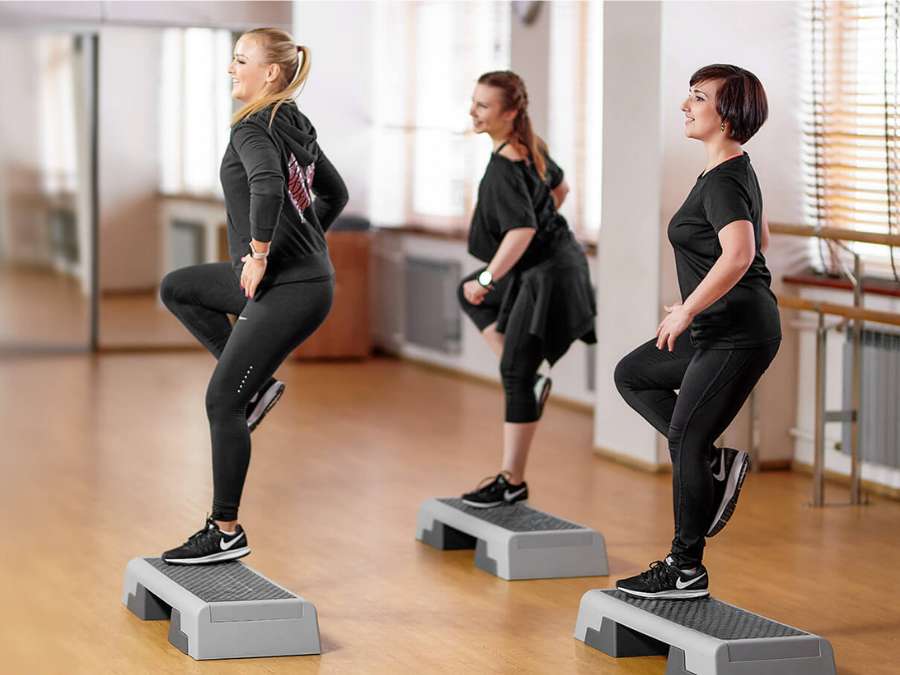
Material quality matters when selecting aerobic steps that will stand up to frequent use. YR Fitness produces aerobic steps using advanced materials like high-density polyethylene and polyurethane for long-lasting performance and member safety. Reach out to our team for expert guidance on choosing the ideal aerobic steps for your gym environment.
3. Aerobic Step Features to Look For
When buying an aerobic step for your gym, there are several key features to consider to get the most value for your investment. These features will help you select a stepper that meets your gym’s needs and provides a safe, comfortable workout experience. Here are the main features to look for:
Step Length
The length of an aerobic step directly impacts the types of exercises your clients can perform. For instance, longer steps are ideal for a variety of workouts such as aerobics, cardio, and lateral movements, providing more space for a comfortable experience. Shorter steps may limit the range of motion, especially for users who prefer a wider stance. Pro Tip: Full-sized commercial aerobic steps, typically 43 x 16 inches, are recommended for maximum versatility in a gym setting.
Height Adjustability
Many aerobic steppers offer adjustable height, allowing users to modify the platform’s elevation based on their workout intensity or personal comfort. The risers, typically 2 inches apart, play a key role in determining the height. This adjustability makes the stepper versatile for individuals of different heights and fitness levels. Stepper heights can be adjusted to:
- 4 inches
- 6 inches
- 8 inches
- 10 inches
Pro Tip: Check if the risers are easy to adjust and stable at various heights to suit your gym’s needs.

Maximum Weight Capacity
The weight capacity of an aerobic step indicates how much weight the stepper can handle without being damaged. Many commercial-grade steps support at least 200 lbs, with some offering up to 250 lbs or more for larger users. At Yr-R Fitness, our aerobic steps are designed with high weight capacities, allowing them to withstand the stress of daily use in busy gym environments. Pro Tip: Look for a stepper with a weight capacity of 200-250 lbs to cover a wide range of users.
Build Quality
A well-constructed aerobic step must withstand frequent use without wobbling or losing stability. High-quality plastic is commonly used for its durability, but it’s important to select a step that feels sturdy and solid underweight. Weak or unstable steps can detract from your clients’ workout experience and pose safety risks.
Pro Tip: Opt for aerobic steps built from durable materials like high-density plastic to guarantee long-lasting use in your facility.
Anti-Slip Design
Aerobic steps should have non-slip surfaces and stable legs that prevent sliding, especially on hard floors. For example, if you’re running a group fitness class, a non-slip surface helps prevent slips and falls, even during fast-paced routines. This not only protects users from accidents but also helps preserve the flooring in your gym.
Pro Tip:
Choose steppers with non-skid feet and a textured surface to enhance grip and reduce the risk of slips during intense workouts.
Look for anti-slip features on the stepper surface like:
- Anti-Slip Surface Mats
- Slip-Resistant Texture
- Sweat-Proof Coating
Stability
In a busy gym environment, stability is non-negotiable. The step should remain firmly in place during high-intensity exercises, regardless of height adjustments. The cool thing isthat stability allows clients to focus on their workouts without being distracted by wobbling or shaking equipment. Pro Tip: Select aerobic steps that maintain their stability, even at higher heights, to guarantee a seamless workout experience.
Impact Absorption
Shock absorbency is another important feature, especially for clients who engage in high-impact exercises. A step with good shock absorption reduces the strain on joints, making workouts safer and more comfortable. This can help minimize injury risks, keeping your clients active and injury-free. Pro Tip: Invest in shock-absorbent steps to improve client comfort and reduce the impact of strenuous exercises.
Transportability
Portability is an added convenience for gyms with limited storage space. Foldable or stackable aerobic steps allow you to maximize space efficiency and make it easier to move equipment when needed. This flexibility can be especially helpful in multi-purpose fitness areas.
Pro Tip: Foldable steps are ideal for easy storage and transportation within a gym environment.
Well-designed aerobic steps can add energy to classes and give trainers more options for progressions and intensity changes. YR Fitness manufactures gym-grade steps with anti-slip platforms, steady bases, and high weight ratings built for commercial reliability. These details help members move with confidence, even during quick transitions and higher-speed routines.
If you want steps that last longer and perform better under heavy use, it helps to match features to your gym’s schedule and traffic. Share your needs, and we’ll help you narrow down the best models for your facility.
4. Types of Aerobic Steps
Aerobic steps are essential equipment in any gym, offering versatility for a range of workouts, including cardio, strength training, and balance exercises. Understanding the different types available is crucial for gym owners to meet the diverse needs of their members. Here are some types of aerobic steps that you should take in your gym:
Basic Adjustable Steps
These are the standard aerobic steps commonly found in gyms. The height can be modified with risers, accommodating both beginners and advanced users. Their flexibility makes them ideal for general fitness classes and personal training sessions. Sounds impressive, right?

Stackable Steps
Stackable steps allow users to increase height by adding multiple units, offering more intensity for advanced workouts. They are space-efficient and suitable for gyms with limited storage, making them a practical option for high-traffic areas or group classes.

Multi-Use Platforms
These steps are designed for multifunctionality, often doubling as weight benches or platforms for plyometric exercises. Their versatility adds value, catering to a wider range of training needs and maximizing gym space efficiency.

Portable Aerobic Steps
Aerobic steps are not one-size-fits-all. Some are better for fast-paced group classes, while others work well for strength-based step training or smaller studio areas. YR Fitness supplies commercial-grade aerobic steps in multiple formats, including adjustable platforms and multi-function benches, so you can build the right setup for your gym.
If you’re deciding what to buy next, share your usage and layout, and we’ll guide you to the most suitable step options.

Aerobic steps come in many styles, each suited for different training styles and space requirements. YR Fitness offers a diverse range of commercial-grade steps, from adjustable platforms to multi-use benches, ensuring you find the perfect fit for your facility. Get in touch to discuss how we can help you choose the best aerobic steps for your gym.
5. Aerobic Step Accessories
To maximize the functionality and versatility of your aerobic steps, consider investing in accessories that can enhance the workout experience. These add-ons can increase the longevity of your equipment and improve client satisfaction by offering additional workout options. Below are some commonly used aerobic step accessories:
- Risers: Additional risers allow users to adjust the height of the aerobic step, creating varied workout intensities. Having extra risers on hand is beneficial for facilities where users have different fitness levels.
- Non-Slip Mats: Non-slip mats are an excellent accessory for increasing safety, especially when the step is used on smooth surfaces. And the best part isthat these mats prevent the step from moving during use.
- Storage Racks: For gyms with multiple aerobic steps, a storage rack is essential for keeping equipment organized. Stackable racks make it easy to store steps and risers neatly when they are not in use.
- Grip Covers: Grip covers are designed to enhance the surface texture of aerobic steps, giving users more traction during exercises. These covers help prevent slipping during high-intensity or fast-paced workouts.
Accessories can make aerobic steps more flexible, safer to use, and easier to manage in a busy gym. With the right add-ons, you can adjust training height, improve floor grip, and create a cleaner, more professional class setup that members enjoy. YR Fitness supplies durable step accessories such as risers, non-slip mats, and storage racks that help keep equipment stable and the training area organized.
If you run frequent group classes or rotate equipment between rooms, the right accessories can save setup time and reduce wear. Share your step models and gym layout, and we’ll recommend the best add-ons to complete your aerobic training zone.
6. Buying Tips and Traps to Avoid
Selecting the right aerobic step for your facility can make a big difference in both user satisfaction and equipment longevity. There are several important factors to consider to avoid common purchasing mistakes and to get the most value from your investment. Here are some key tips and traps to watch out for:
- Dimensions: Opt for commercial-grade, full-sized aerobic steppers, measuring around 43 x 16 inches. These dimensions are suitable for beginners and experienced users in a busy gym environment.
- Protection: Look for steppers with rounded corners to reduce the risk of injury during use. This small detail can help create a safer workout environment and protect users from accidental bumps or falls.
- Warranty: Most aerobic steps don’t come with a warranty, but for the ones that do, it’s usually between 1 to 6 months. So what’s the point? It can provide some extra peace of mind when purchasing in bulk.
- Riser Adjustments: When it comes to risers, look for models that offer flexible height adjustments. This allows for greater stability during use and helps to maintain the structural integrity of the step.
- Load Capacity: A weight limit of around 200 kg is common among high-quality aerobic steps. This capacity supports a wide range of users, making it essential for facilities with diverse clientele.
- Manufacturing Method: Ask your supplier about the manufacturing process. Injection-molded steppers are durable and can withstand frequent use, while blow-molded steppers may be hollow and less durable.
Investing in the right aerobic steps is important if you want safe training and consistent class quality in a busy gym. YR Fitness manufactures commercial-grade aerobic steps designed to last under heavy daily use while supporting steady performance over time.
If you’re choosing steps for group classes or high-traffic areas, ask for guidance on materials, load capacity, and surface grip so you avoid common buying mistakes.
Conclusion
In the end, that gym owner replaced the cracked steps and the complaints stopped. Classes ran smoother, and members felt safer again. That’s the purpose of this guide. It helps you pick a step platform that can handle daily group workouts without failing.
You learned how to check the deck surface, internal build, riser fit, and overall weight rating. You also saw why the cheapest option often becomes the most expensive later.
Buying the right step can reduce downtime and protect your gym’s reputation. If you want help choosing commercial-grade aerobic steps for your facility, YR Fitness is ready to support you. Contact us today!
Dive Deeper Into Our Resources
Looking for more diverse product options? Browse through our handpicked selections:
For some insightful reads, we’ve curated a list of recommended articles just for you:
Still haven’t found what you’re looking for? Don’t hesitate to contact us. We’re available around the clock to assist you.
Related articles: