








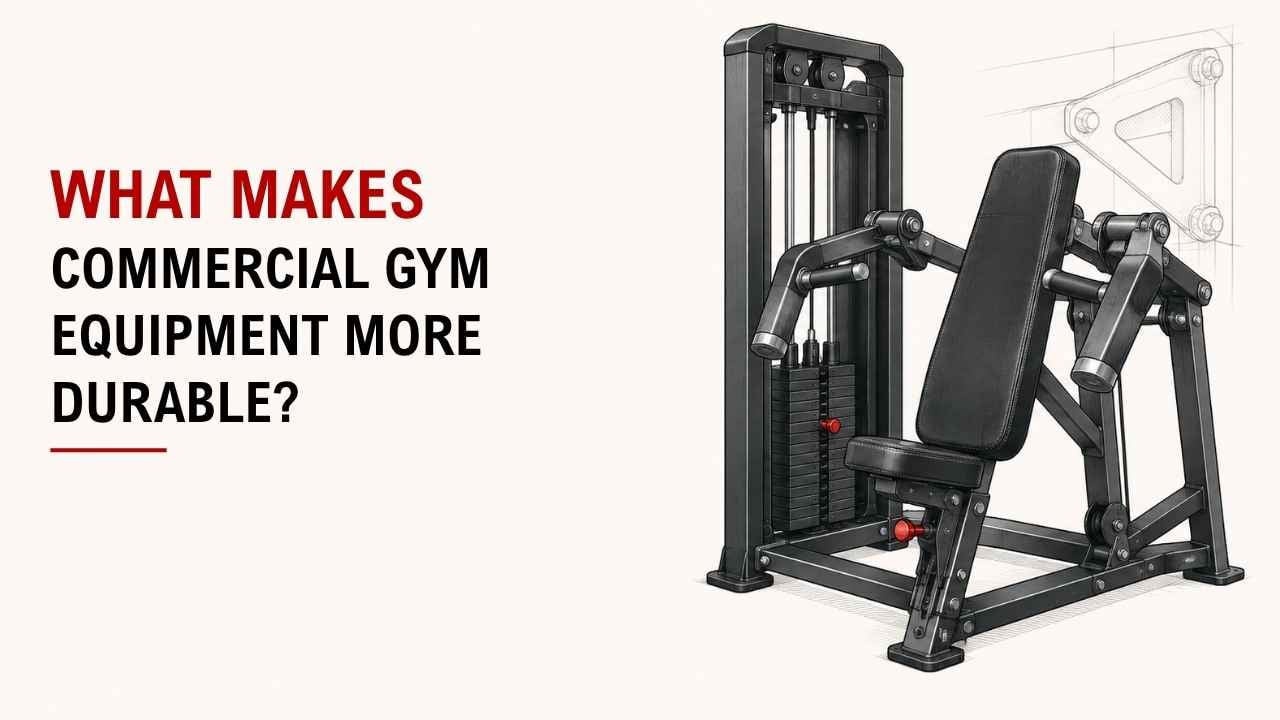

Why does commercial gym equipment usually feel stronger and last longer than lighter home-use machines? The difference often comes down to how the frame, moving parts, padding, and surface protection are built.
The short answer is: commercial equipment uses stronger steel, tougher cables, better bearings, durable upholstery, and protective finishes. These parts are made to handle repeated loading and frequent daily workouts.
As a Machinery & Structural Engineer at YR Fitness, I pay close attention to the parts that take the most stress during exercise. In my experience, real durability comes from the whole machine working together, not from one heavy-looking part.
In this guide, I’ll show you the six areas that matter most for durability. Scroll down and you’ll know what to look for the next time you use or compare commercial gym equipment.
1. Heavy-Duty Steel Frames
The frame is the foundation of the machine.
Commercial equipment normally uses thicker steel tubing because it needs to handle repeated loads without bending or becoming unstable. Strong welds and reinforced connection points also help keep the structure solid.
Commercial stationary equipment is also covered by formal safety and testing requirements, such as ISO 20957-1:2024 for stationary training equipment. The standard covers general safety requirements and test methods for equipment used in gyms, clubs, studios, and other training spaces.
What should you notice as a user?
A durable machine should feel stable when you push, pull, or press. You should not feel excessive shaking through the frame.
I often pay extra attention to the areas where the frame connects to moving arms and weight systems. These points usually carry more stress, so stronger construction matters.
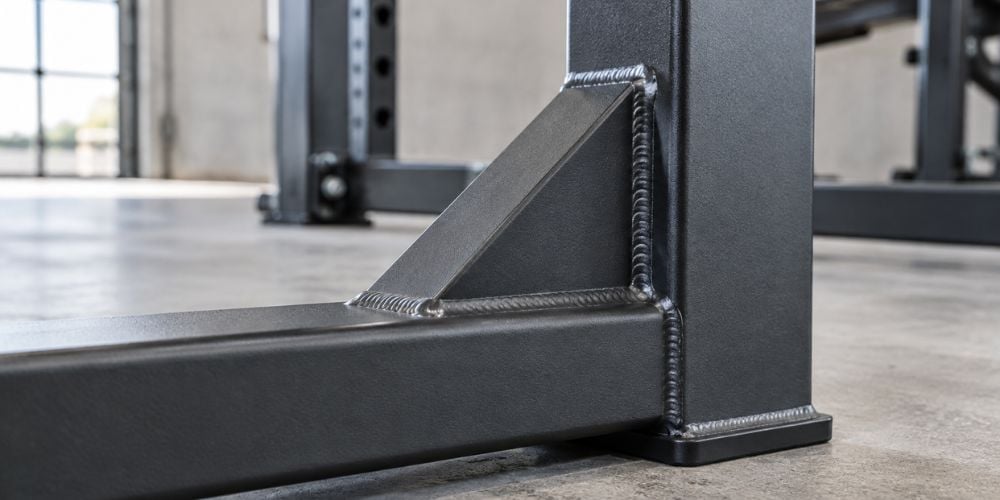
Simple rule: thicker steel + strong welds + solid support points = better durability.
What to Check | What You Want to Feel or See |
Frame | Solid with little unwanted movement |
Welds | Clean and secure around connection points |
Moving arms | Stable under resistance |
Base | Firm on the floor |
High-stress areas | Reinforced and well supported |
2. High-Quality Cables and Pulleys
Cable machines repeat the same pulling motion again and again.
That means the cable and pulley system needs to handle constant tension without becoming rough, loose, or unreliable.
Good commercial machines usually have:
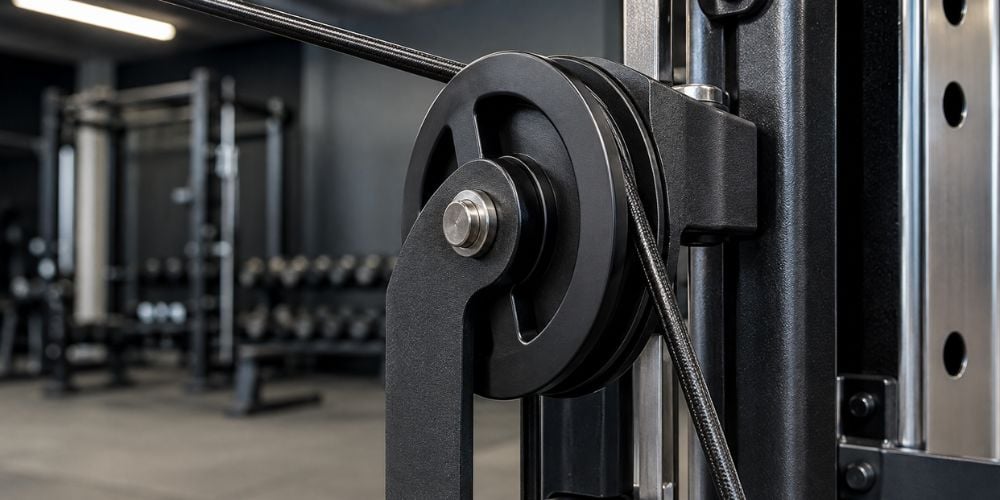
- Strong coated cables
- Smooth pulley wheels
- Secure cable routing
- Durable pulley bearings
- Proper cable alignment
Have you ever used a cable machine that suddenly felt rough?
The weight stack may not be the problem. Worn pulleys, damaged cables, or poor alignment can add friction and make the whole movement feel worse.
Here is why this matters: the cable, pulley, and weight system work as one unit. One poorly aligned part can affect how smooth the entire exercise feels.
3. Durable Bearings and Moving Joints
A strong frame is not enough if the moving parts feel loose.
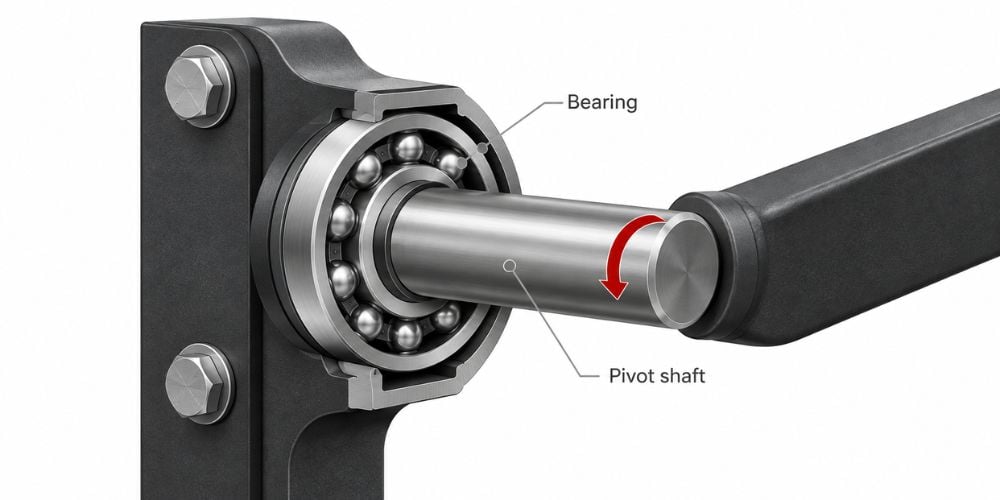
Bearings help exercise arms, pulleys, pedals, and other rotating parts move smoothly. Better bearings can handle repeated use with less friction and unwanted movement.
I often see older commercial machines that still feel surprisingly smooth. Good bearings and correct joint alignment are usually part of the reason.
Look for:
- Smooth movement
- Minimal side-to-side looseness
- No grinding sounds
- No sudden resistance changes
These small details can tell you a lot about how well the machine is built.
At YR Fitness, we focus on frame structure, movement mechanics, cable routing, and high-wear components when developing equipment for repeated commercial use. If you want to see how these details come together, browse our commercial strength and cardio equipment on the YR Fitness website and compare the construction for yourself.
4. Strong Weight Stacks and Guide Rods
Selectorized machines depend heavily on the weight stack system.
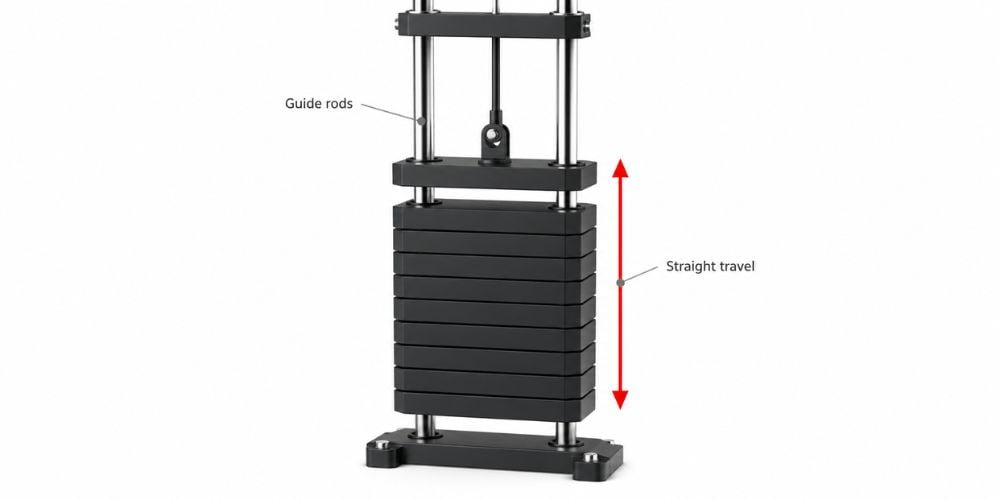
The plates need to move smoothly, while the guide rods keep the stack traveling in a straight path. Strength equipment with stacked weights is specifically covered by ISO 20957-2:2024, which sets additional safety requirements and test methods for stationary strength equipment.
Part | Why It Matters |
Weight plates | Need to handle repeated lifting and lowering |
Guide rods | Keep the stack moving straight |
Bushings | Reduce friction between moving parts |
Selector pin | Locks the chosen weight securely |
When the guide rods are straight, clean, and properly aligned, the machine usually feels smoother.
From an engineering point of view, alignment is easy to overlook. Even strong parts can wear faster if they constantly move at the wrong angle.
Quick Check: Does the stack rise evenly without sticking or shaking? If yes, the guide system is probably doing its job well.
5. Tough Upholstery and Padding
Durability is not only about steel.
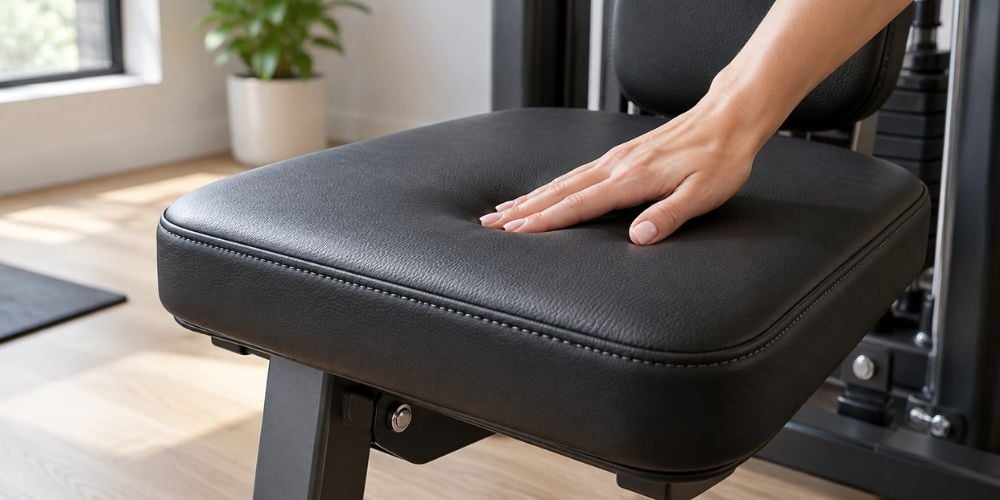
Seats, back pads, and arm pads also deal with sweat, body weight, friction, and regular cleaning. Weak upholstery can crack, flatten, or tear even when the frame is still in good condition.
Commercial padding should have:
- Dense foam
- Strong outer upholstery
- Secure stitching
- Firm attachment to the frame
- Resistance to frequent cleaning
Want a quick check?
Press down on the pad. Good padding should feel supportive without collapsing too easily and should return to its normal shape afterward.
Also check the edges and stitching. These high-contact areas often show wear before the center of the pad does.
6. Protective Frame Finishes
Strong steel still needs protection.
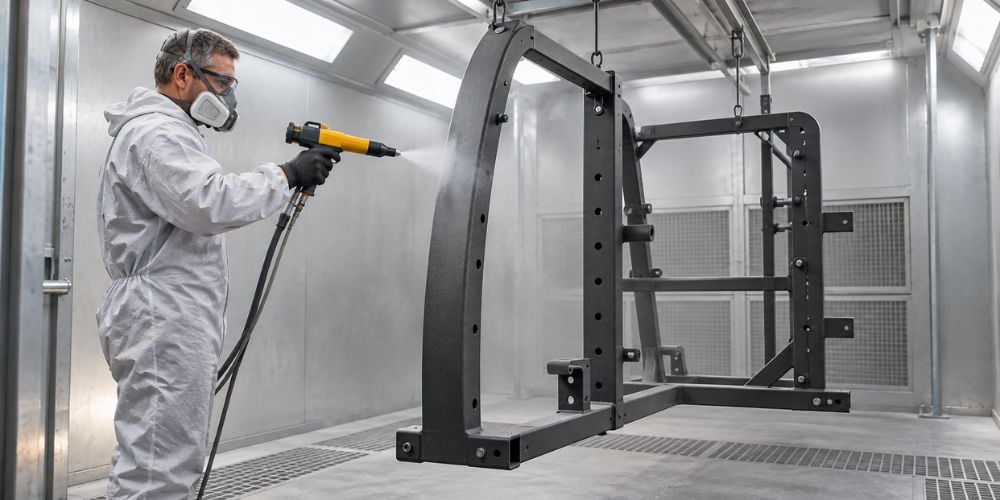
Commercial machines are exposed to sweat, moisture, cleaning products, shoes, plates, and accidental knocks. A durable surface finish helps protect the metal underneath.
Powder coating is commonly used because it creates a tough outer layer over the steel. The Powder Coating Institute explains that powder-coated finishes can provide resistance to impact, moisture, chemicals, scratches, chipping, abrasion, and corrosion.
A good finish can help reduce:
- Scratches
- Chipping
- Moisture exposure
- Corrosion
- Everyday surface wear
I usually check corners, adjustment areas, and high-contact sections first. These areas tend to show wear earlier than the rest of the machine.
A small scratch does not automatically mean the machine is weak. Widespread peeling or rust, however, can show that the protective finish has started to fail.
Quick Durability Check
Want to judge a machine quickly before your workout? Start with these six areas.
Area | Good Sign | Warning Sign |
Frame | Stable and rigid | Excessive shaking |
Cables | Smooth and intact | Fraying or rough movement |
Pulleys | Quiet rotation | Sticking or unusual noise |
Bearings | Smooth movement | Grinding or looseness |
Upholstery | Firm and supportive | Cracks, tears, flattened foam |
Finish | Even and protected | Peeling or widespread rust |
Conclusion
What makes commercial gym equipment more durable? It is the combination of strong steel frames, reliable cables and pulleys, quality bearings, solid weight-stack systems, tough upholstery, and protective finishes.
I always look beyond appearance because the high-stress parts tell you much more about long-term durability.
If you want to see these construction details in real commercial equipment, explore the strength, cardio, and fitness equipment from YR Fitness and compare what is behind the machine, not just how it looks.
Related articles:



