








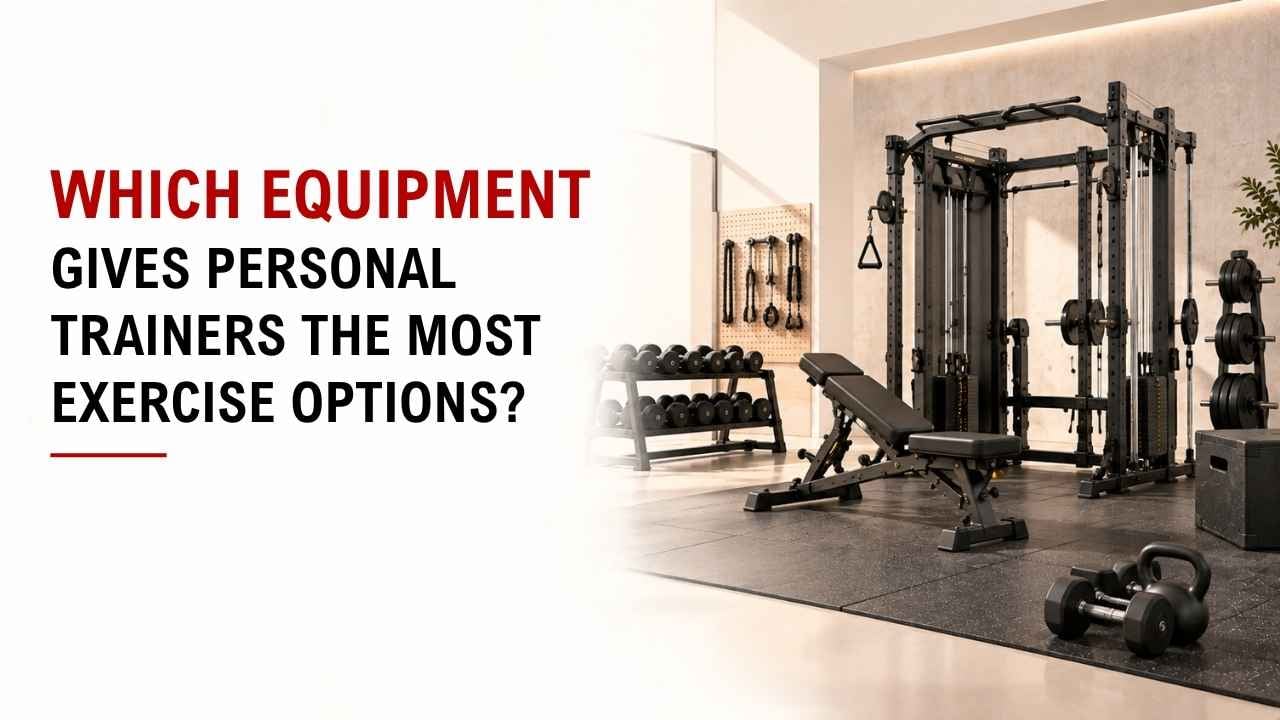

Want more exercise options without buying too much equipment? A few versatile choices can cover most of your workouts.
The short answer is simple: functional trainers, adjustable dumbbells, benches, racks, kettlebells, and resistance bands give you the most variety. At YR Fitness, we focus on equipment that supports more useful movements from one setup.
As an Exercise Physiology & Biomechanics Expert, I look closely at how equipment affects movement, comfort, and exercise choice. I often see people get better results when they use equipment that is easy to adjust and fits different training needs.
Below, I’ll show you the six best options and what each one can do.
Exercise Options at a Glance
Want the quick comparison first? Here is how the six choices differ.
Equipment | Best For | Exercise Variety | Space Needed |
Functional trainer | Full-body cable training | Very high | Moderate |
Adjustable dumbbells | Free-weight training | Very high | Low |
Adjustable bench | Expanding dumbbell exercises | High | Low–moderate |
Squat/power rack | Heavy strength training | High | High |
Kettlebells | Strength + conditioning | High | Low |
Resistance bands | Portable training | High | Very low |
One useful point before choosing: the American College of Sports Medicine’s resistance-training guidance notes that consistency and matching training to your goals matter more than making a program unnecessarily complicated.
1. Functional Trainer / Cable Machine
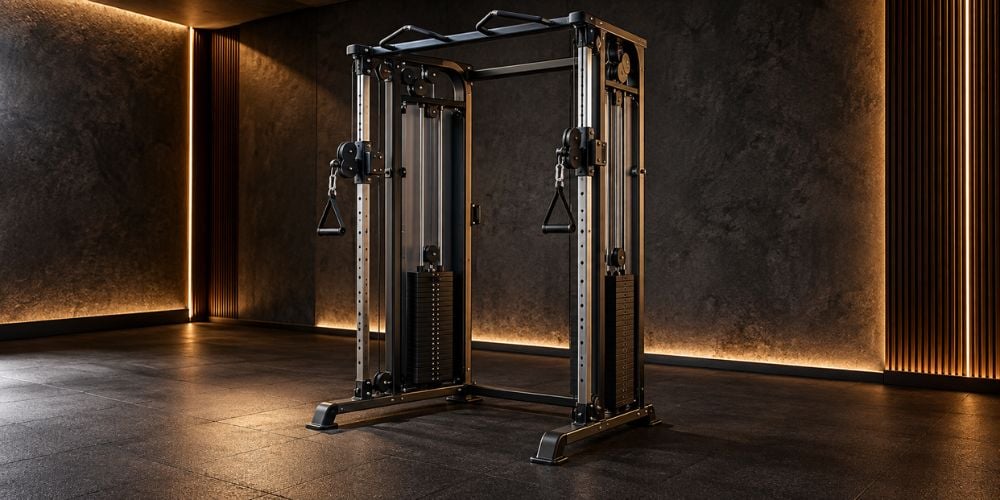
If I had to choose one machine for exercise variety, I would start with a functional trainer.
You can use it for:
- Cable chest presses
- Rows
- Lat pulldowns
- Biceps curls
- Triceps pushdowns
- Lateral raises
- Face pulls
- Lunges
- Squats
- Core rotations
Why so many options?
You can move the pulley higher or lower, change the handle, and pull from different angles. That makes one machine useful for upper-body, lower-body, and core exercises.
2. Adjustable Dumbbells
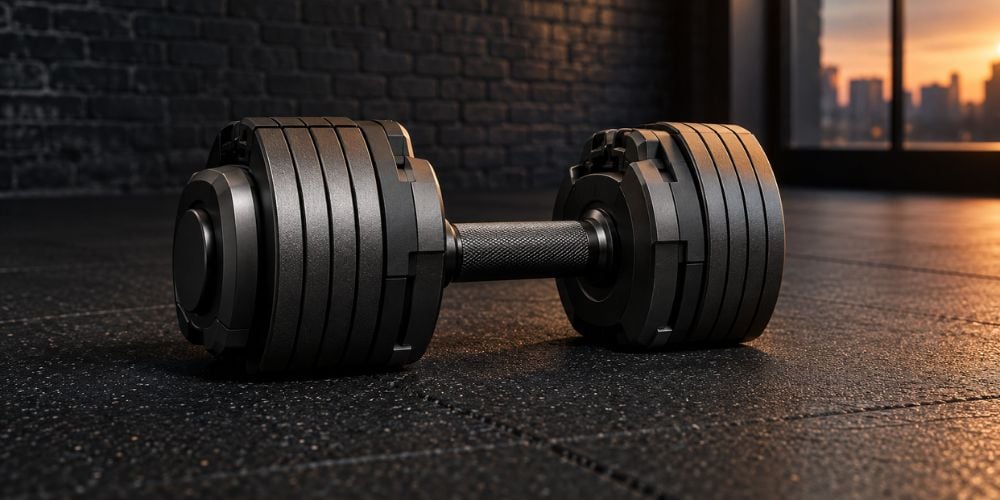
Adjustable dumbbells give you a lot of exercises without taking up much room.
Try:
- Goblet squats
- Lunges
- Chest presses
- Shoulder presses
- Bent-over rows
- Biceps curls
- Triceps extensions
- Romanian deadlifts
What makes them so useful?
Each arm or leg can work independently. You also have freedom to change your grip, stance, and range of motion.
They are simple too. Pick your weight and start training.
3. Adjustable Bench
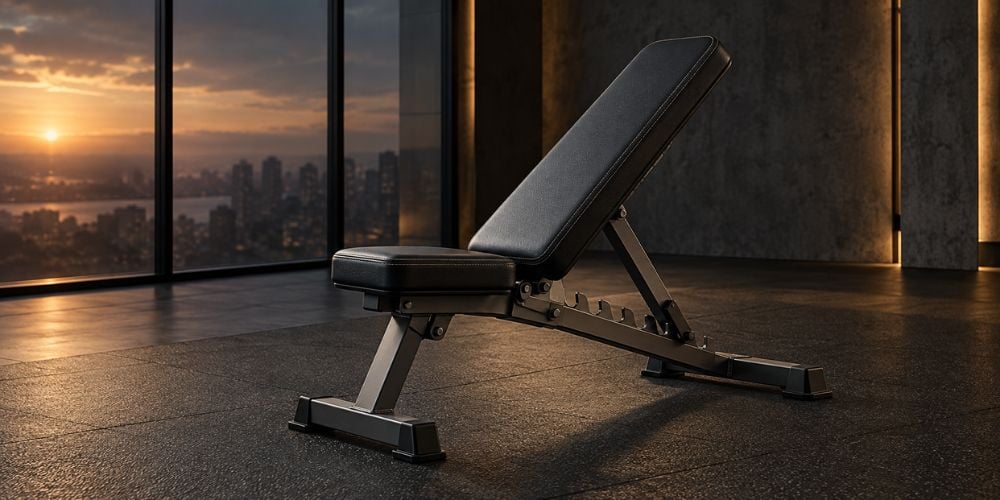
An adjustable bench becomes much more useful when you combine it with dumbbells.
You can perform:
- Flat dumbbell press
- Incline press
- Seated shoulder press
- One-arm rows
- Step-ups
- Bulgarian split squats
- Hip thrusts
Here is why the adjustment matters: changing the backrest angle changes your body position.
I often see people buy more weights when what they really need is a better way to use the weights they already have. A good adjustable bench can solve that.
Want one setup that supports many different strength exercises? Explore YR Fitness commercial strength equipment to compare cable machines, benches, racks, and other versatile training options in one place.
4. Squat Rack or Power Rack
Want to train heavier?
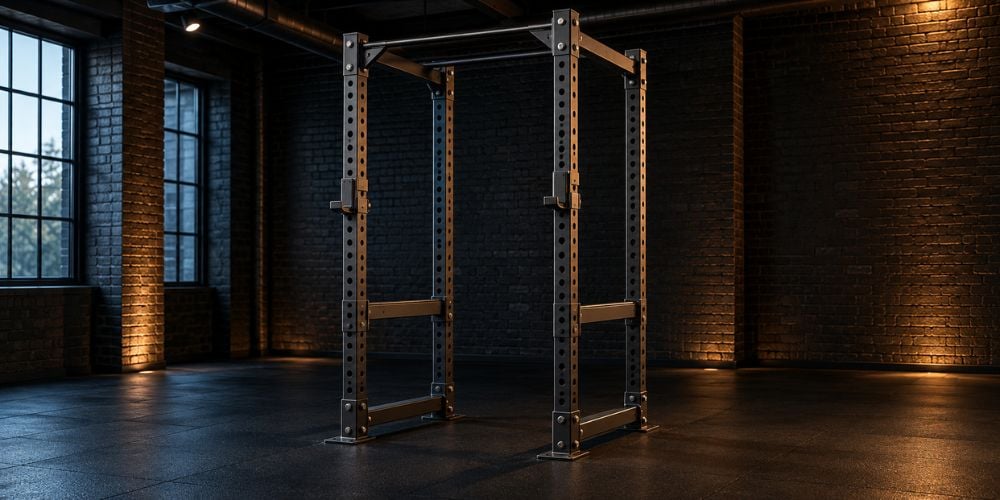
A squat or power rack gives you more options for barbell strength work:
- Back squats
- Front squats
- Bench presses
- Overhead presses
- Rack pulls
- Barbell lunges
- Pull-ups
Add a barbell, weight plates, and adjustable bench, and the rack becomes much more versatile.
The trade-off is space. If you mainly want compact equipment, dumbbells or kettlebells may suit you better.
5. Kettlebells
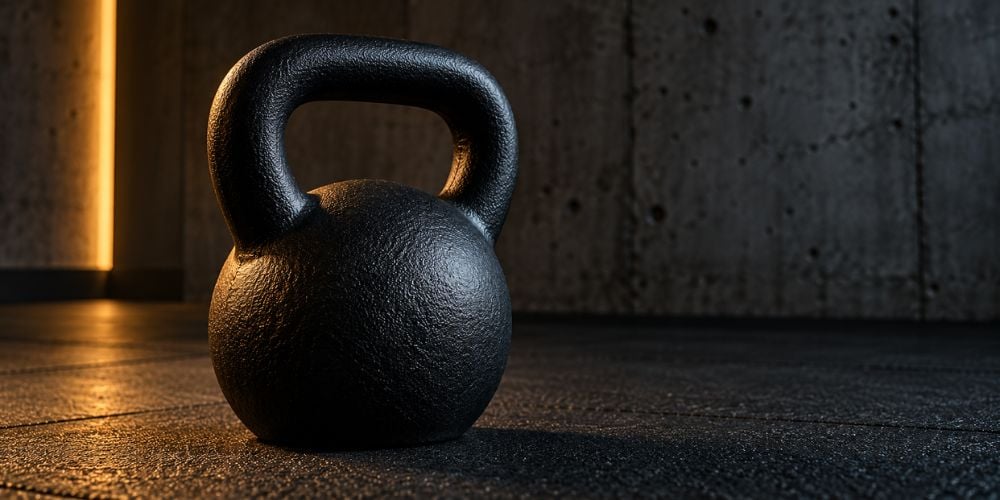
Kettlebells work well when you want strength and conditioning in the same workout.
You can do:
- Goblet squats
- Kettlebell swings
- Deadlifts
- Shoulder presses
- Rows
- Lunges
- Farmer carries
- Turkish get-ups
I like kettlebells because you can move quickly between exercises without much setup.
They are also easy to store, which makes them practical when space is limited.
7. Resistance Bands
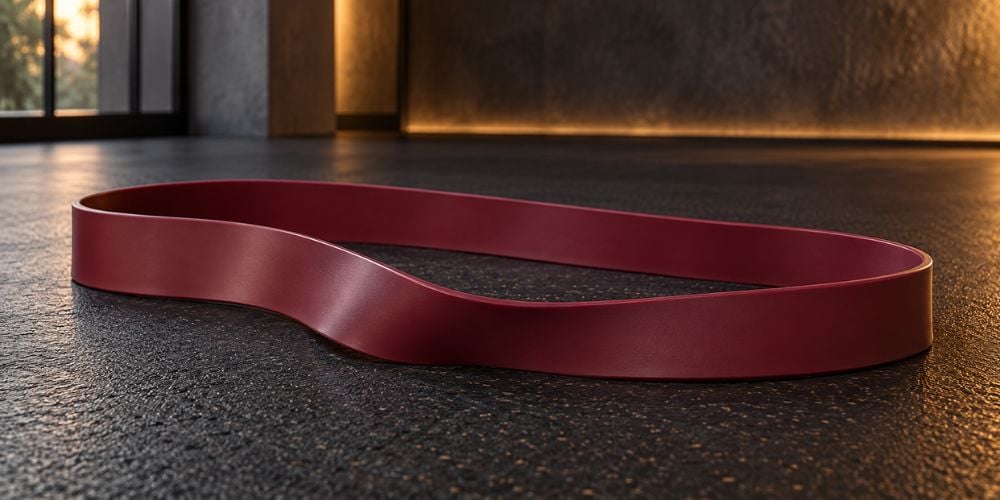
Resistance bands may look simple, but they add plenty of exercise options.
Use them for:
- Rows
- Pull-aparts
- Shoulder exercises
- Glute exercises
- Mobility drills
- Warm-ups
- Assisted pull-ups
They are light, affordable, and easy to store.
The NHS strength and flexibility guidance includes resistance-band work as one form of muscle-strengthening activity.
Which Equipment Should You Choose?
You do not need everything on the list. Match the equipment to how you actually want to train.
Your Main Goal | Best Starting Choice |
Most exercises from one machine | Functional trainer |
Small-space full-body training | Adjustable dumbbells |
More dumbbell exercise angles | Adjustable bench |
Heavy barbell strength work | Squat or power rack |
Strength + conditioning | Kettlebells |
Portable, low-space workouts | Resistance bands |
So, which one gives the most options?
For one machine, I would choose the functional trainer. Its adjustable pulley positions, attachments, and exercise angles make it hard to beat for variety.
For a more complete setup, combine it with adjustable dumbbells, a bench, rack, kettlebells, and resistance bands.
Conclusion
For pure exercise variety, the functional trainer comes first, while dumbbells, benches, racks, kettlebells, and bands help fill the gaps.
You do not need every piece at once—start with the equipment that supports the exercises you actually enjoy doing.
From my experience, useful equipment is equipment you can keep finding new ways to use. If you want to compare versatile strength setups, explore YR Fitness and see which options fit the way you want to train.
Related articles:



