





A few years ago, a rehab clinic owner sent us a photo of a patient walking again on one of our treadmills. It was their first full session after a serious injury. That photo stayed on our factory wall for months because it reminded us what our equipment is really built for.
That moment pushed us to keep improving our rehab machines, focusing on smooth movement, steady resistance, and long-term reliability.
At YR Fitness, we’ve been manufacturing commercial gym and rehab equipment for years. We’ve seen firsthand which machines keep running under daily strain and which ones fail too soon. That real-world insight shapes everything we share.
In this article, we’ll walk you through nine types of equipment that consistently perform in rehab and therapy settings. Each choice reflects our experience in designing, testing, and supplying to clinics worldwide.
If you’re setting up or expanding your rehab space, this list was written for you.
So, let’s get started!
- Quick Comparison Chart
- 1. Adjustable Dumbbells
- 2. Resistance Bands
- 3. Recumbent Bike
- 4. Treadmill With Handrails
- 5. Balance Board
- 6. Functional Cable Trainer
- 7. Adjustable Treatment Bench
- 8. Foam Roller
- 9. Parallel Bars
- 3 Factors To Consider When Choosing The Best Gym Equipment For Rehab and Physical Therapy Clinics
- Conclusion
Quick Comparison Chart
Before diving into the details, here’s a quick look at how each piece of rehab equipment compares. This table gives you a clear overview of features, benefits, and practical use before exploring each section in depth.
Equipment | Core Purpose | Key Benefit | Best For | Limitation |
Adjustable Dumbbells | Strength training with variable resistance | Compact, adaptable for different recovery stages | Clinics with limited space | Less ideal for high patient volume |
Resistance Bands | Flexible, low-impact strength work | Portable and gentle on joints | Small therapy centers | Limited challenge for advanced patients |
Recumbent Bike | Safe seated cardio | Promotes endurance with joint support | Post-surgery or arthritis programs | Requires more floor space |
Treadmill With Handrails | Gait and balance retraining | Controlled walking environment with support | Clinics focusing on gait recovery | Higher maintenance costs |
Balance Board | Coordination and stability training | Engages core and improves posture | Neuro or orthopedic rehab | Not suitable for patients with severe imbalance |
Functional Cable Trainer | Full-body strength and coordination | Customizable resistance and range of motion | Multi-program rehab centers | Needs regular inspection and space |
Adjustable Treatment Bench | Manual therapy and assessments | Improves comfort and therapist efficiency | High patient turnover clinics | Costly to repair if mechanism fails |
Foam Roller | Muscle recovery and flexibility | Boosts blood flow and mobility | General recovery sessions | Not ideal for patients with pain sensitivity |
Parallel Bars | Walking and balance restoration | Supports gait training and posture correction | Long-term mobility rehab | Requires dedicated space |
Moving on, let’s take a closer look at each piece of equipment and how it supports your rehab programs.
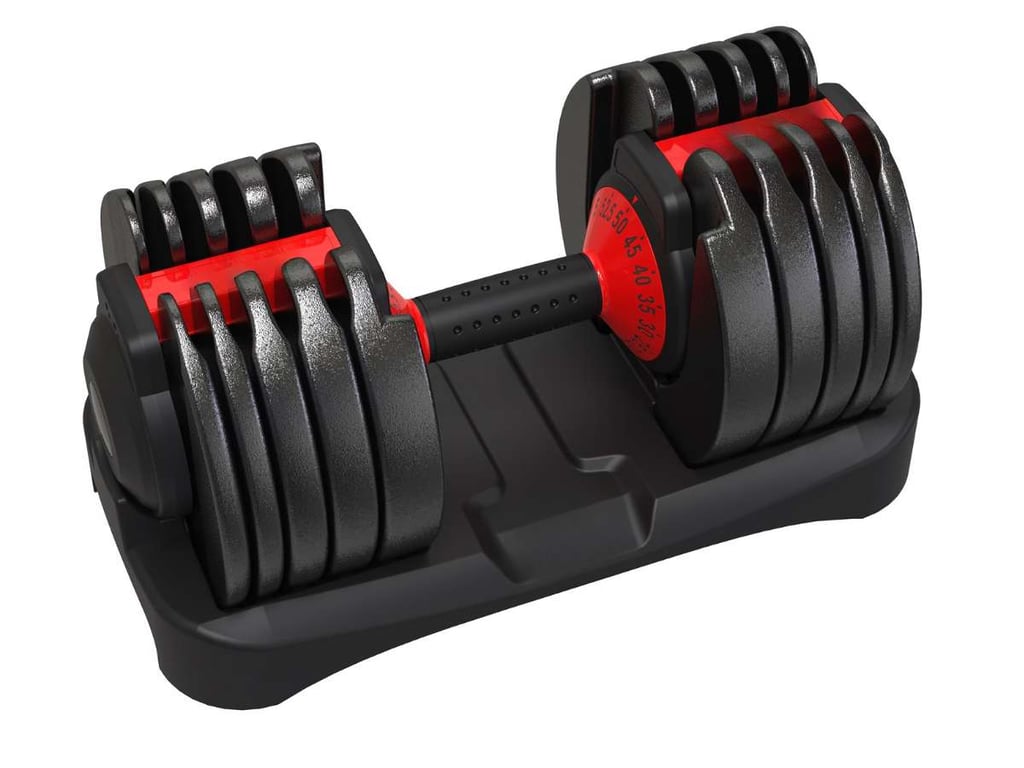
1. Adjustable Dumbbells
Adjustable dumbbells are one of the smartest tools you can add to your rehab or physical therapy clinic. They let your patients rebuild strength step by step, without needing an entire rack of weights. For you, that means less clutter, better workflow, and equipment that adapts to every recovery stage.
Key Features To Look For
- Smooth Weight Adjustment: You’ll want dumbbells that change weight levels easily and stay stable after every switch. That way, your staff can keep sessions running smoothly instead of fixing stuck plates or loose settings.
- Secure Locking System: Look for a design that locks tight after adjustment so you don’t have to worry about plates shifting mid-exercise. It’s about protecting your patients and giving your team peace of mind during therapy.
- Comfortable Grip Design: Choose handles with a non-slip, textured surface that stays comfortable through long sessions. A good grip gives your patients better control and reduces the risk of wrist strain during recovery work.
Why It Works For Rehab and Physical Therapy Clinics
- Progressive Recovery Support: You can start your patients with lighter weights and gradually increase resistance as they regain strength known as progressive overload. This makes tracking recovery easier and keeps therapy sessions safe and measurable.
- Space Efficiency for Your Facility: One set of adjustable dumbbells can replace a full rack of traditional ones, saving you valuable space. That gives your clinic more room for treatment benches, stretch zones, or cardio equipment.
- Versatility for Different Programs: You can use these dumbbells for everything from post-surgery strength building to joint stabilization exercises. They give your therapists more freedom to adapt sessions to each patient’s condition.
Takeaway
Adjustable dumbbells are ideal when you need space-efficient, versatile tools that support controlled, progressive training. However, in facilities with extremely high patient turnover, fixed sets may still be more convenient for simultaneous use.
At YR Fitness, we manufacture adjustable dumbbells with a focus on professional design, durability, and user safety. Each set allows quick, precise weight changes, helping therapists adjust intensity smoothly without disrupting sessions. The ergonomic grip and secure locking system ensure reliable performance for daily use in rehab, therapy, and light commercial settings.
If you’re planning to upgrade your strength training tools, YR Fitness adjustable dumbbells offer a practical balance of quality, flexibility, and long-term value.
2. Resistance Bands
Resistance bands are a must-have for any rehab or therapy clinic like yours. They help your patients rebuild strength and flexibility without putting stress on their joints. For you, they’re an affordable, easy-to-store option that fits perfectly into almost every recovery program.
Key Features To Look For
- Varied Resistance Levels: You should choose bands that offer different resistance levels to fit a range of patients. This makes it easier for your therapists to start with gentle tension and increase difficulty as recovery improves.
- Durable Latex or Fabric Material: Go for high-quality material that won’t snap or lose tension quickly. Strong bands save you from frequent replacements and give your patients consistent resistance over time.
- Comfortable Handles or Loops: Handles or loops that are soft yet sturdy make a big difference during longer sessions. They help your patients maintain control, reduce wrist strain, and feel more secure throughout each exercise.
Why It Works For Rehab and Physical Therapy Clinics
- Gentle on Joints: Bands are excellent for introducing resistance without stressing injured muscles or tendons. You can safely guide patients through controlled movements while reducing the risk of pain or re-injury.
- Portable and Space Saving: You can store dozens of bands in a small drawer or carry them between treatment rooms. They’re perfect if your facility has limited space or if your therapists need flexibility during sessions.
- Supports Multiple Recovery Goals: These bands work well for strength, balance, and mobility training. Your team can adapt them easily to suit patients at different recovery stages and ability levels.
Takeaway
Resistance bands are best if you want a low-cost, flexible exercise and joint-friendly training option for your clinic. But they may not provide enough challenge for advanced strength programs or high-intensity sessions.

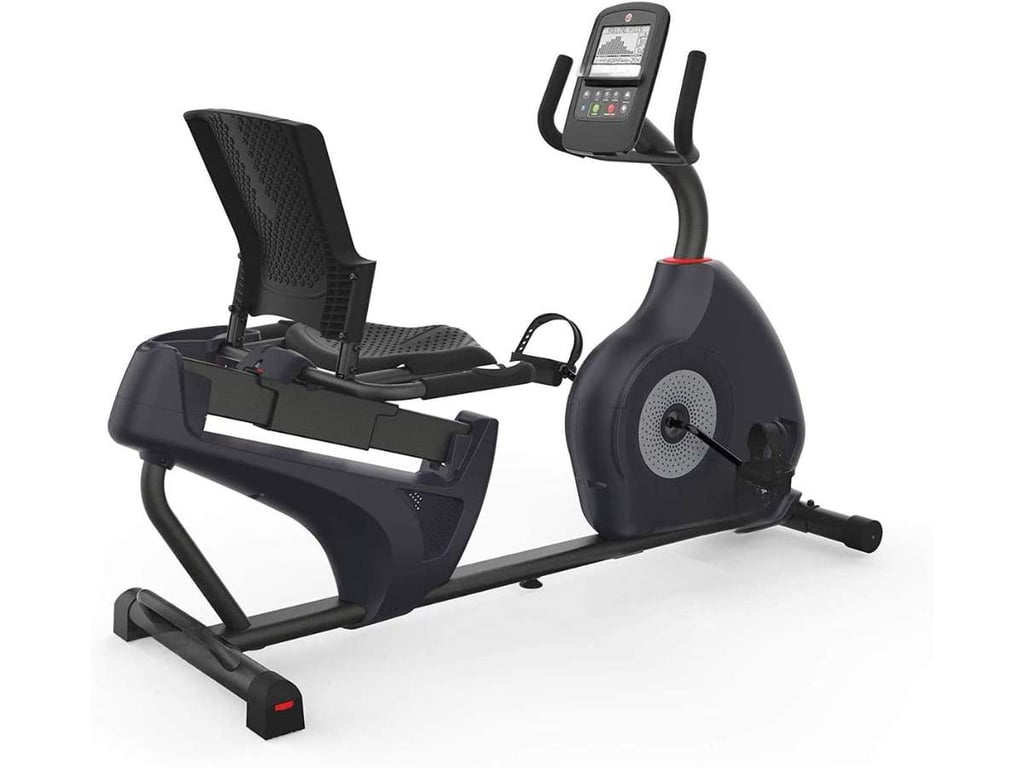
3. Recumbent Bike
A recumbent bike is one of the best machines you can offer in your rehab facility. It gives your patients a comfortable, low-impact workout that builds strength and endurance safely. For you, it’s dependable equipment that supports a wide range of recovery programs without constant adjustments.
Key Features To Look For
- Adjustable Seat and Backrest: You’ll want a bike that allows easy seat adjustments and has a supportive backrest. This setup helps your patients maintain good posture and keeps them comfortable during longer therapy sessions.
- Smooth and Quiet Pedal Motion: Look for models that run quietly with a consistent, fluid pedal stroke. Smooth movement keeps your patients focused on form and makes it easier for therapists to monitor performance.
- Clear Digital Display: A display that tracks distance, time, and resistance levels helps you record progress accurately. This information is useful for setting goals and customizing programs for individual recovery needs.
Why It Works For Rehab and Physical Therapy Clinics
- Safe and Stable Cardio: A recumbent bike keeps your patients seated in a stable position while they move. It reduces strain on the knees and hips, making it ideal for post-surgery or arthritis recovery.
- Improves Circulation and Mobility: The gentle pedaling motion boosts blood flow and joint flexibility. Over time, it helps your patients regain endurance and balance without pain or fatigue.
- Built for Daily Use: These bikes are designed for consistent use, even with multiple patients per day. You can rely on them to last for years with minimal upkeep.
Takeaway
Recumbent bikes are best if your clinic focuses on safe, low-impact cardio and mobility training. But they take up more floor space, which might limit your setup if your facility is small.
4. Treadmill With Handrails
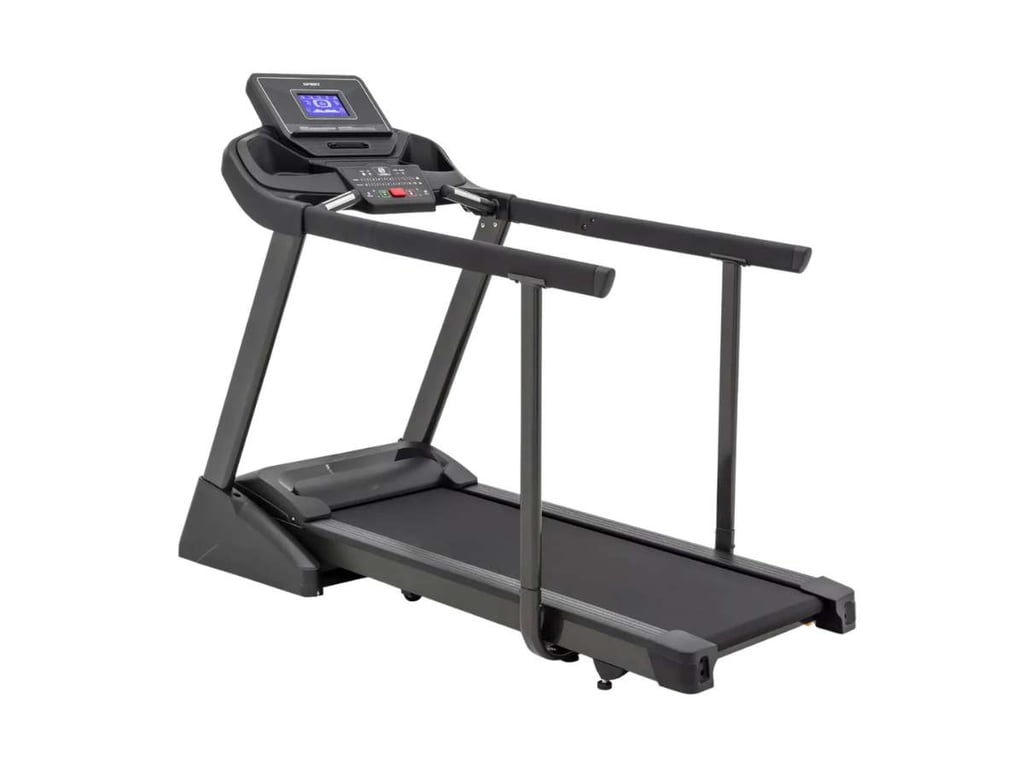
A treadmill with handrails is one of the most effective tools for helping your patients regain walking confidence. It supports gait training, balance, and strength development in a safe, controlled way. For your clinic, it’s a trusted choice that improves results for a wide range of rehabilitation programs.
Key Features To Look For
- Full-Length Handrails: You should choose a treadmill with solid, extended handrails on both sides. This feature helps your patients maintain balance and stability, especially during early rehabilitation stages.
- Low Starting Speed and Gradual Acceleration: Go for models that start slow and build up speed gradually. This gives your therapists more control during sessions and helps patients adjust safely as they improve.
- Shock-Absorbing Belt Surface: A cushioned running belt reduces impact on joints while providing solid traction. It lets your patients walk comfortably and lowers the risk of fatigue or strain.
Why It Works For Rehab and Physical Therapy Clinics
- Improves Gait and Coordination: Walking on a treadmill helps retrain balance and coordination. The added support from handrails gives your patients the confidence to focus on movement without fear of falling.
- Customizable Training Options: Adjustable speed and incline settings allow you to match each patient’s progress. This flexibility helps you create programs that feel both safe and challenging.
- Boosts Patient Engagement: Patients often find treadmill walking more engaging than static exercises. This makes therapy sessions more active and helps them stay motivated to continue training.
Takeaway
Treadmills with handrails are ideal for clinics focused on balance training, gait correction, and safe rehabilitation. However, they can involve higher upkeep and require regular servicing to maintain consistent performance.
At YR Fitness, we design rehabilitation treadmills with professional engineering and commercial-grade quality. Each model features reinforced handrails, ultra-low starting speeds, and cushioned running belts to support safe, comfortable movement. Our treadmills are developed through in-house design and tested in real therapy environments to ensure they meet daily clinical demands.
If you’re upgrading your gait and balance training area, YR Fitness treadmills offer a reliable, long-term solution—combining thoughtful design, durable construction, and performance trusted by facilities in different countries and regions.
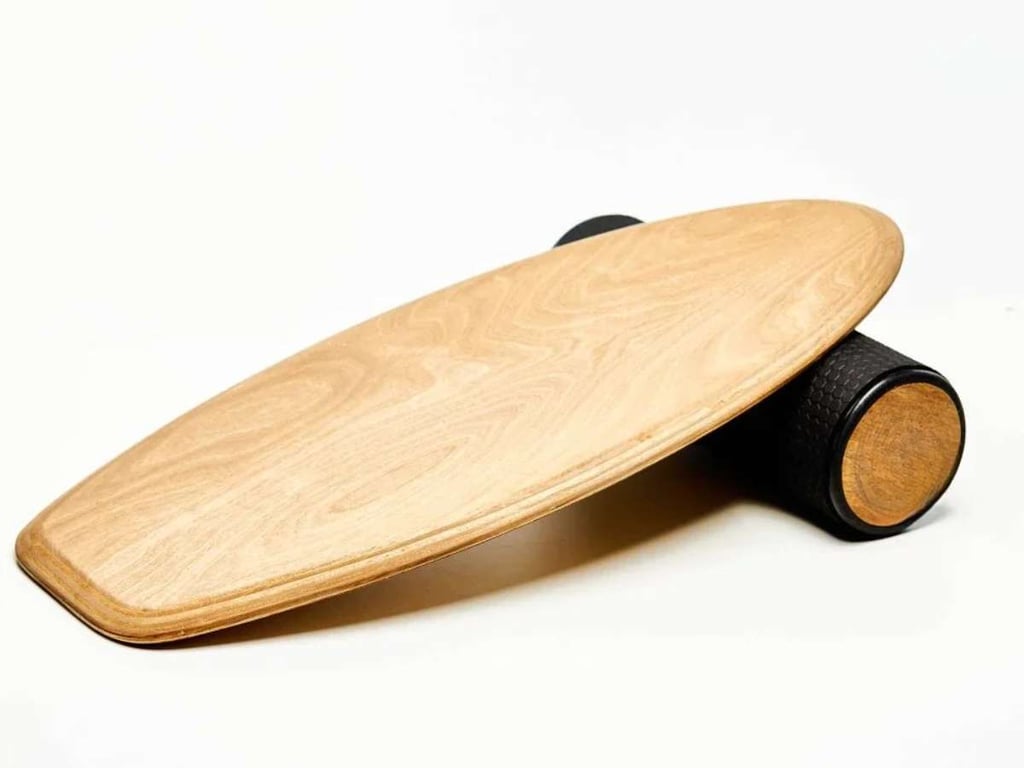
5. Balance Board
A balance board is one of those small tools that make a big difference in your clinic’s rehab sessions. It challenges your patients to control their movements, rebuild coordination, and improve confidence. Adding one gives your team a simple yet effective way to make stability training more engaging and result-driven.
Key Features To Look For
- Non-Slip Surface: Look for a textured top that grips well, even when used with shoes or socks. This helps your patients stay steady during training and allows them to focus on improving posture and control instead of worrying about slipping.
- Adjustable Tilt or Motion Base: Choose a board that lets you adjust the angle or range of motion. Being able to vary difficulty gives your therapists more flexibility to match the challenge level to each patient’s ability.
- Durable Build: Go for a balance board made from sturdy, high-quality material that can withstand frequent daily use. A strong board not only lasts longer but also gives your patients a safer and more stable platform to train on.
Why It Works For Rehab and Physical Therapy Clinics
- Builds Core Strength and Stability: Balance boards target the smaller stabilizing muscles that traditional exercises often miss. This helps your patients regain strength and coordination essential for daily movement.
- Improves Focus and Motor Control: By forcing patients to make small, controlled adjustments, it helps retrain the brain and body to work together. That’s valuable for those recovering from neurological or orthopedic conditions.
- Compact and Easy to Fit Anywhere: You can use several boards in one room without crowding your space. They’re light, portable, and ideal for clinics wanting to keep therapy stations efficient.
Takeaway
Balance boards are best if you want to improve coordination, balance, and patient engagement in a small footprint. But they may not be ideal for patients with severe balance issues who need stronger physical support.
6. Functional Cable Trainer
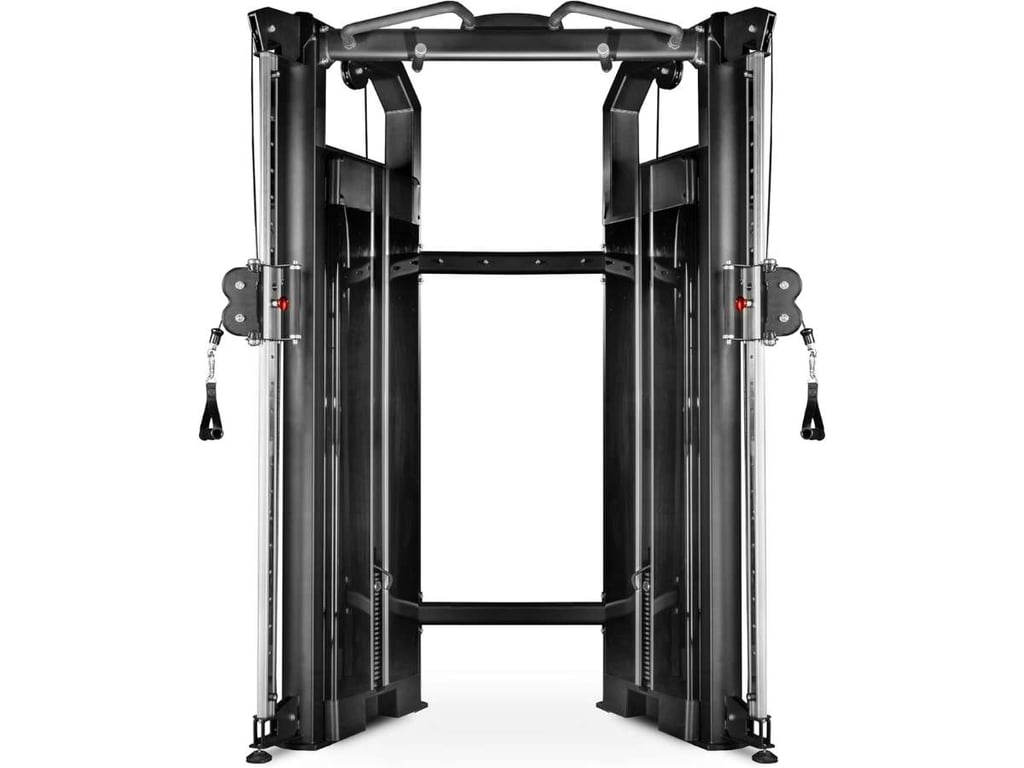
A functional cable trainer brings real versatility to your rehab center. It allows controlled, multi-directional movement that strengthens muscles while supporting natural motion. This type of equipment helps your therapists run effective sessions that improve balance, coordination, and functional strength.
Key Features To Look For
- Adjustable Pulley System: Choose a unit that allows easy height and angle changes for different exercises. This gives your therapists control over resistance paths so each movement suits the patient’s ability level.
- Smooth Cable Resistance: Look for cables that glide quietly and consistently through each motion. Smooth resistance prevents jerking or uneven pull, which helps your patients maintain proper form and confidence.
- Dual Weight Stacks: A system with two independent weight stacks lets your therapists train both sides of the body separately. This setup is especially effective for correcting muscle imbalances that often develop after injury.
Why It Works For Rehab and Physical Therapy Clinics
- Encourages Functional Recovery: You can recreate real-life movements such as lifting, reaching, or pushing. This helps your patients transition from therapy sessions to normal daily activities more easily.
- Offers Custom Resistance Control: Fine-tuning resistance levels allows you to progress patients at a steady pace. It ensures safe, measurable improvement without overloading weak muscles or joints.
- Keeps Sessions Engaging: Patients often enjoy the variety of exercises a cable trainer allows. That variety helps maintain motivation and encourages consistent participation throughout recovery.
Takeaway
Functional cable trainers are best for clinics that want flexible, full-body training options for long-term patient progress. But they need enough floor space and regular inspection to keep cables running smoothly and safely.
7. Adjustable Treatment Bench
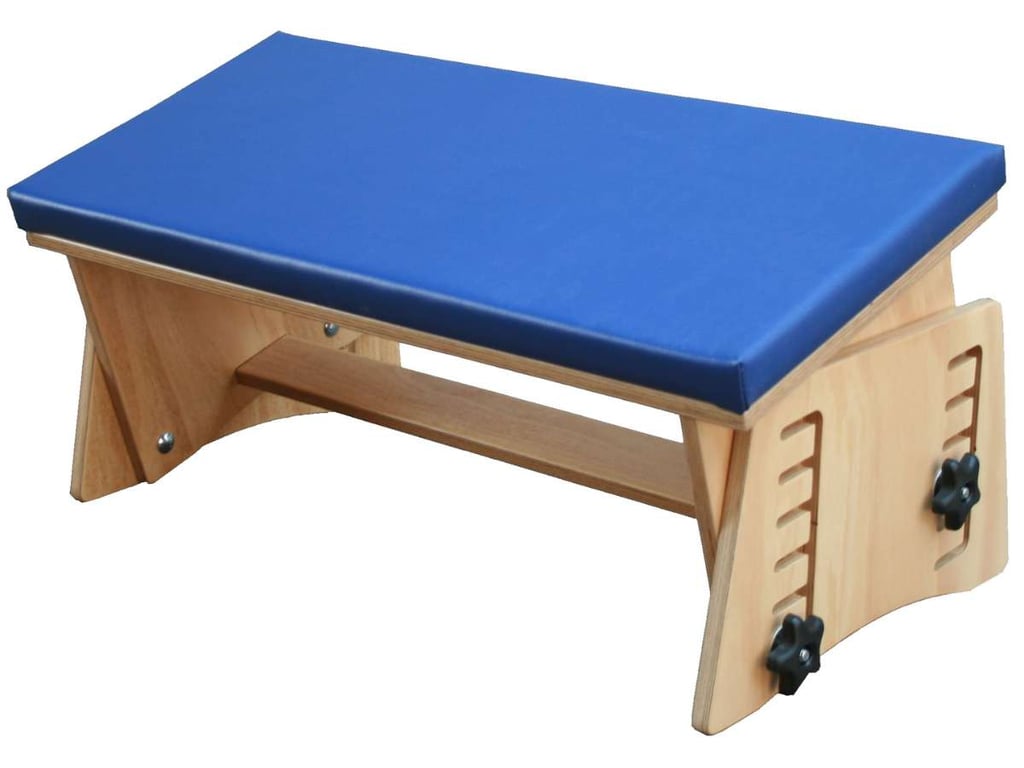
An adjustable treatment bench is one of the most used pieces of equipment in any therapy clinic. It gives your therapists the flexibility to perform different treatments comfortably while keeping patients supported. Investing in a reliable bench means better workflow, improved patient comfort, and a more professional setup.
Key Features To Look For
- Height Adjustability: Look for electric or hydraulic height controls that allow quick changes. This feature helps your therapists maintain good posture and comfort, especially during back-to-back patient sessions.
- Balanced Cushion Support: Choose padding that offers firmness without losing comfort. Patients should feel relaxed, but your therapists still need stable support for manual therapy or stretching work.
- Sturdy Frame Design: Go for a solid steel or reinforced aluminum frame that can handle daily use. A strong base makes patients feel secure and extends the life of your equipment.
Why It Works For Rehab and Physical Therapy Clinics
- Supports Different Treatment Styles: From assessments to stretching or strength exercises, the bench adapts easily. It helps your staff move between therapy types without switching equipment.
- Improves Patient Comfort: A comfortable and stable surface builds patient trust and allows them to stay relaxed during treatment. That comfort leads to better cooperation and smoother sessions.
- Increases Therapist Efficiency: The adjustable height and sturdy build reduce strain on your staff. It lets them focus on proper technique instead of repositioning themselves awkwardly during therapy.
Takeaway
Adjustable treatment benches are best if you want to improve workflow, comfort, and patient satisfaction in your clinic. But they can be expensive to repair if the lifting system or cushioning wears out over time.
8. Foam Roller
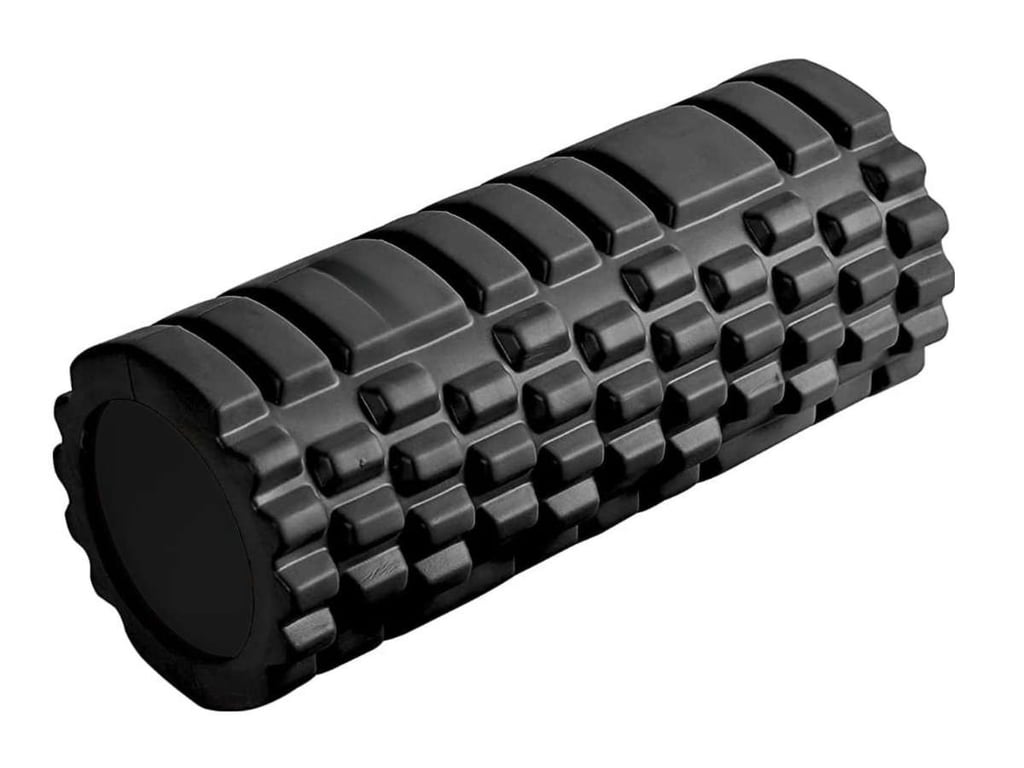
A foam roller might look simple, but it plays a major role in recovery and muscle conditioning inside your rehab clinic. It helps patients relieve tightness, improve flexibility, and restore normal muscle function after therapy sessions. Adding foam rollers gives your therapists an affordable, easy-to-use tool that supports faster recovery between treatments.
Key Features To Look For
- Density Options: Choose rollers that come in soft, medium, and firm densities. This lets your therapists match the right pressure for each patient’s comfort level and recovery stage.
- Textured or Smooth Surface: Both have their benefits, depending on the therapy focus. Textured rollers provide deeper tissue stimulation, while smooth ones are better for sensitive patients or early recovery phases.
- Durable Core Material: Go for high-quality EVA or EPP foam that keeps its shape even after heavy use. This prevents flattening and keeps your clinic from having to replace them frequently.
Why It Works For Rehab and Physical Therapy Clinics
- Improves Muscle Recovery: Foam rolling helps increase blood flow and release tight muscle fibers. It supports faster recovery and reduces soreness after strength or flexibility training.
- Enhances Range of Motion: Regular use improves mobility in major joints like the shoulders, hips, and knees. It’s an excellent warm-up or cooldown tool that complements other therapy exercises.
- Encourages Patient Independence: Foam rollers can be used safely by patients on their own between sessions. This builds patient confidence and supports progress outside the clinic.
Takeaway
Foam rollers are an excellent choice for clinics looking to improve flexibility, muscle recovery, and circulation through low-cost, accessible tools. However, they may not be ideal for patients with limited mobility or balance, where closer supervision and specialized equipment are needed.
At YR Fitness, we produce clinic-grade foam rollers designed to withstand daily rehabilitation and physical therapy use. Our rollers feature firm, supportive cores with comfortable, easy-to-clean surfaces, making them suitable for both supervised sessions and patient-led recovery routines.
If you’re looking to upgrade your clinic’s mobility tools, YR Fitness foam rollers offer the durability, performance, and professional quality trusted by rehab centers across 100+ countries.
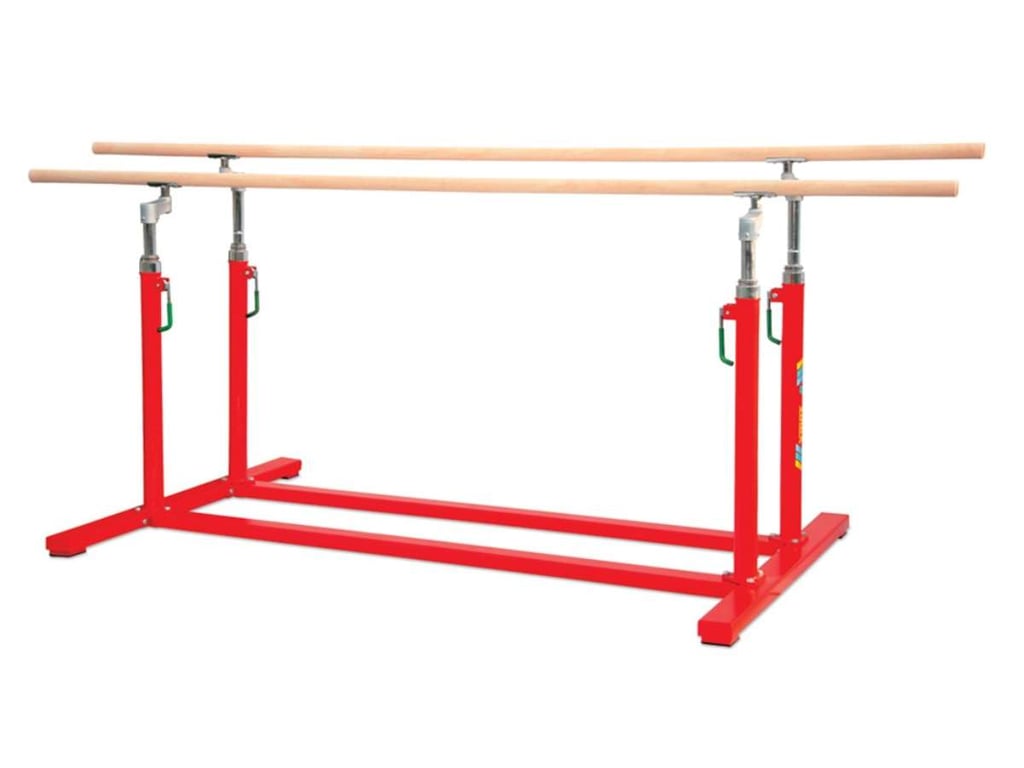
9. Parallel Bars
Parallel bars are one of the most essential tools in rehabilitation and physical therapy. They help patients relearn walking, improve posture, and build confidence during mobility recovery. In your clinic, they become a dependable training zone for balance, coordination, and gait correction.
Key Features To Look For
- Adjustable Height and Width: Pick bars that can be easily adjusted to match different body types and therapy levels. This ensures each patient feels stable and properly supported during movement training.
- Non-Slip Base or Platform: The floor base should have a textured or rubber surface to prevent slipping. It gives patients a sense of safety and lets them focus fully on walking technique.
- Strong Handrail Grip: Choose bars with a smooth but secure surface that’s comfortable to hold. A steady grip helps your patients feel confident as they practice balance and gait patterns.
Why It Works For Rehab and Physical Therapy Clinics
- Supports Gait Training: Parallel bars let patients safely relearn walking after surgery or injury. The stable setup gives your therapists control over each step, reducing the risk of falls.
- Improves Balance and Posture: Regular practice on the bars strengthens the core and lower body. It also helps correct uneven weight distribution that often follows injury or long recovery periods.
- Accommodates Various Conditions: You can use them for patients recovering from neurological, orthopedic, or post-stroke conditions. Their adaptability makes them a long-term investment in your rehab program.
Takeaway
Parallel bars are best for clinics that focus on gait, balance, and posture rehabilitation. But they require more dedicated floor space and should be checked regularly to keep the structure stable and safe for daily use.
3 Factors To Consider When Choosing The Best Gym Equipment For Rehab and Physical Therapy Clinics
Choosing the right rehab equipment goes beyond comparing prices or brands. The machines you pick directly affect how safe, effective, and comfortable your therapy sessions are. As a manufacturer, we’ve seen how thoughtful choices can make a huge difference in both patient progress and staff satisfaction. Here are some factors to consider before choosing:
#1 Patient Needs and Recovery Goals
Start by looking at what types of patients your clinic serves most often. Post-surgery recovery, neurological therapy, and mobility training each require different tools and resistance levels. Equipment should match those needs without overwhelming new patients. Think about features that make recovery more natural, adjustable resistance, easy access, and comfort all play a role in steady progress.
#2 Space, Safety, and Ease of Use
Even the best equipment won’t work well if it doesn’t fit your space or workflow. Make sure your layout allows safe movement between machines and gives therapists clear visibility during sessions. Safety rails, non-slip surfaces, and simple controls make a big difference for patient confidence. When equipment feels safe and intuitive, your team can focus more on care and less on adjustments.
At YR Fitness, we’re proud that our equipment is designed with real clinic environments in mind. Every machine we build focuses on smooth movement, stability, and ergonomic control to support both patients and therapists. Our rehab-focused line combines compact design with reliable safety features, helping you get more function out of limited space without sacrificing comfort or quality.
If you’re planning to upgrade your facility, explore how our equipment can improve your clinic’s efficiency and safety while keeping patient comfort a top priority.
#3 Durability and Maintenance Requirements
Your clinic’s equipment will be used every day, so durability matters as much as design. Look for machines built from strong, high-quality materials that hold up under repeated use. Reliable construction saves you from frequent repairs and downtime. Also, check how easy it is to maintain, parts that are simple to clean and service will save your staff time and reduce long-term costs.
Conclusion
Years ago, we learned that great rehab results start with the right tools. From adjustable dumbbells to parallel bars, each piece of equipment plays a role in rebuilding confidence and movement.
Your clinic deserves machines that work as hard as your patients do. At YR Fitness, we build equipment tested and trusted in real therapy settings.
If you’re ready to improve comfort, safety, and recovery outcomes, our team can help you find what fits your facility best. Contact us today!
Related articles: