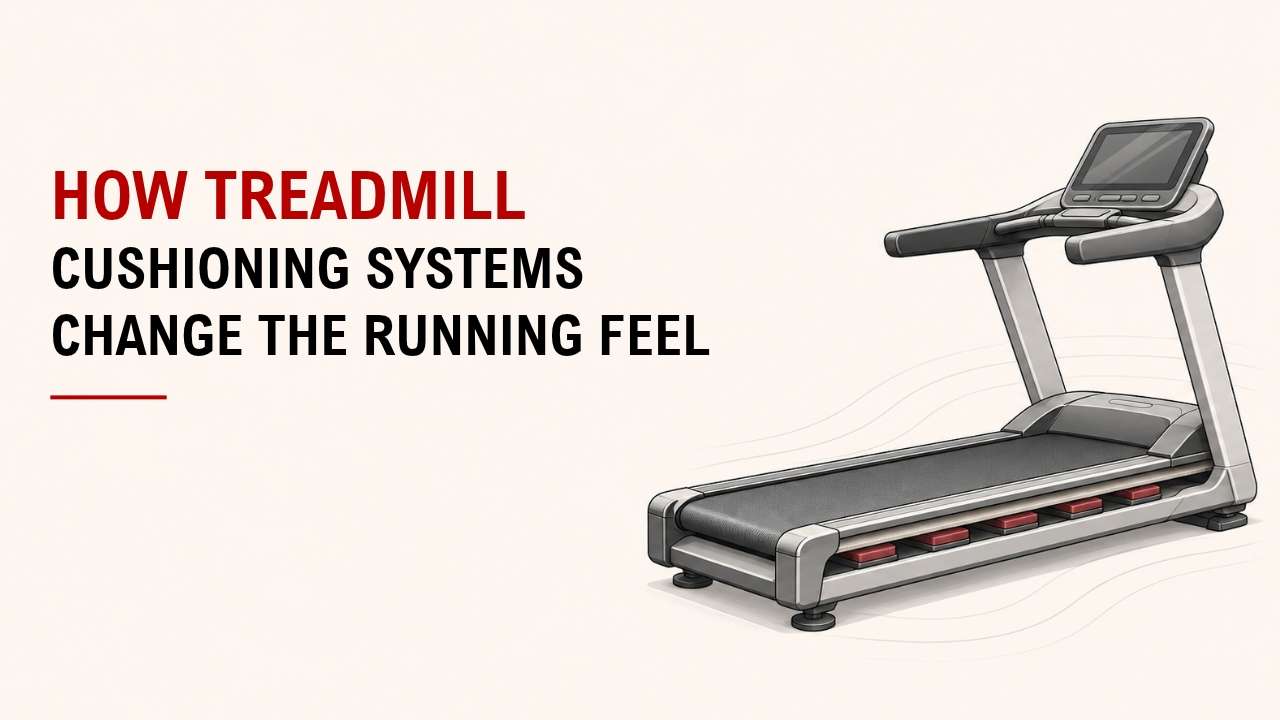

Why do some treadmills feel soft while others feel firm? The difference often comes from how the running deck absorbs impact.
Treadmill cushioning affects foot landings, impact, bounce, and stability. The right cushioning can make running feel smoother and more comfortable.
As a Machinery & Structural Engineer at YR Fitness, I focus on treadmill design and running comfort. I’ve seen how proper cushioning can improve the running feel without sacrificing stability.
Below are five ways treadmill cushioning changes your running experience. You’ll also learn how to choose the right cushioning for your workouts.
1. Makes Foot Landings Feel Softer
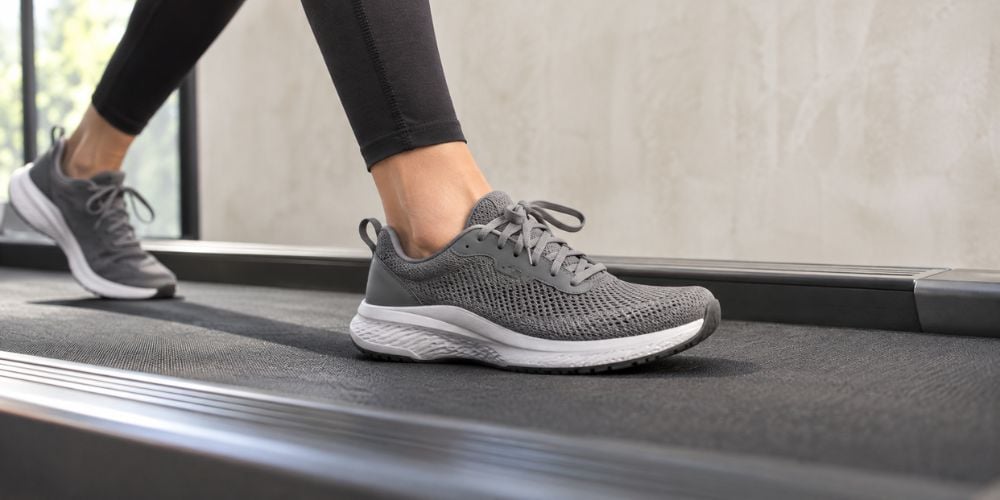
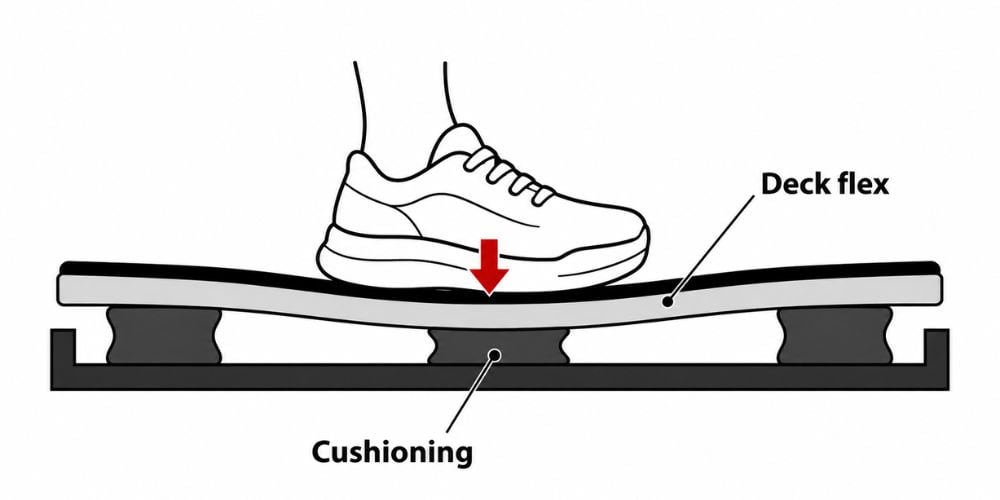
Ever noticed how some treadmills feel softer when your feet touch the belt? That’s because the cushioning system allows the running deck to flex slightly under your weight.
Instead of landing on a rigid surface, your feet meet a deck that absorbs some of the force.
Here’s what you may notice:
- Your feet land on a softer surface.
- Each step may feel less harsh.
- Walking and jogging can feel more comfortable.
- The deck gives slightly instead of feeling completely solid.
In my experience, softer cushioning is especially noticeable during easy jogging. However, a deck that’s too soft may not feel comfortable for everyone.
Research on the mechanical properties of treadmill surfaces also shows that treadmills differ in shock absorption, deck movement, and energy return. This helps explain why two treadmills can feel different even at the same speed.
Quick tip: Walk or jog for a few minutes and notice how the deck responds when your feet land.
2. Changes How Much Impact You Feel
Every time your foot lands, it creates an impact. Treadmill cushioning helps absorb some of that impact through the deck and supporting materials.
How does that change your workout?
- Foot landings may feel less sharp.
- Your legs may experience less jarring.
- Repeated steps can feel smoother.
- Running may feel different from running on concrete.
Here’s why this matters: a softer surface can change how much impact you notice, but it doesn’t automatically mean less stress on every part of your body.
A systematic review of treadmill and overground running found that most measured running mechanics were broadly similar, although some movement differences existed.
Keep in mind that cushioning doesn’t automatically prevent injuries. Your weight, running speed, footwear, and treadmill design also affect how each landing feels.
At YR Fitness, we understand that comfortable running depends on more than a soft deck. Our approach to commercial treadmill construction considers the running surface, frame support, and overall stability to help create a consistent workout experience.
Looking for a treadmill that feels comfortable during regular workouts? Explore our commercial cardio equipment and compare the features that matter to your running experience.
3. Changes the Bounce Under Your Feet
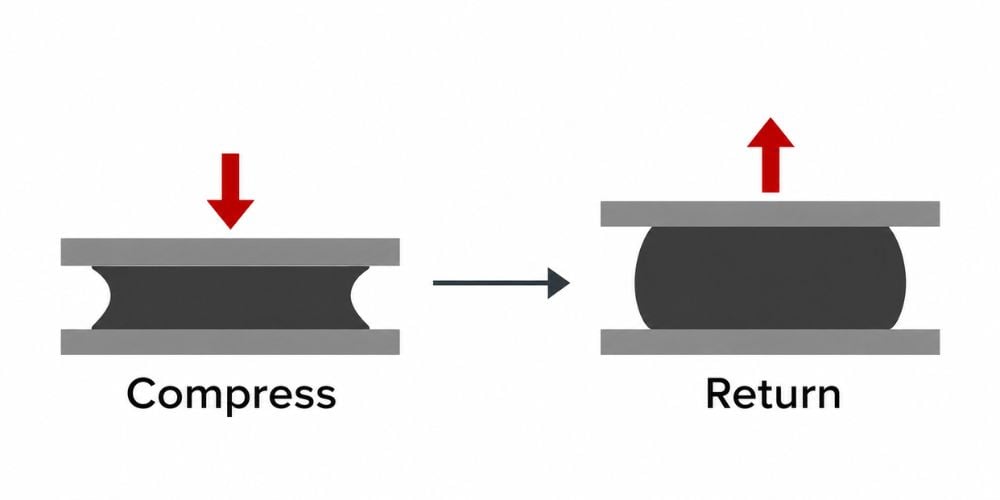
Does your treadmill feel springy when you push off? That’s partly because the cushioning compresses under your weight and then returns to its original shape.
Some systems feel soft, while others feel firmer and more responsive.
Cushioning Feel | What You Notice While Running |
Soft | More give when your feet land |
Springy | Noticeable bounce after each step |
Firm | Less deck movement and a solid push-off |
Balanced | Some softness with controlled movement |
I often suggest checking how the deck feels when you push off, not just when you land. A treadmill that feels comfortable while walking might feel too bouncy when you run faster.
Why does bounce matter?
A springy surface may feel responsive, but more bounce doesn’t always mean easier running. A study on treadmill surface properties and endurance running found that differences in shock absorption and energy return can also affect running effort.
Quick tip: Increase your speed gradually and check whether the bounce still feels natural.
4. Affects Stability While Running
Cushioning doesn’t just change how soft the treadmill feels. It also affects how steady the running surface feels under your feet.
A very soft deck may move more, while a firmer deck can feel more solid.
Here’s what changes:
- Firm cushioning: Often feels more stable underfoot.
- Soft cushioning: Allows more deck movement.
- Balanced cushioning: Combines comfort with controlled movement.
- Consistent cushioning: Makes each step feel more predictable.
However, stability also depends on the treadmill frame, deck support, and overall construction.
What should you choose?
Look for cushioning that feels comfortable without making your feet feel unstable. If the deck moves too much or feels uneven, try another treadmill.
A stable running surface should let you focus on your workout instead of constantly adjusting your steps.
5. Changes How Running Feels at Different Speeds
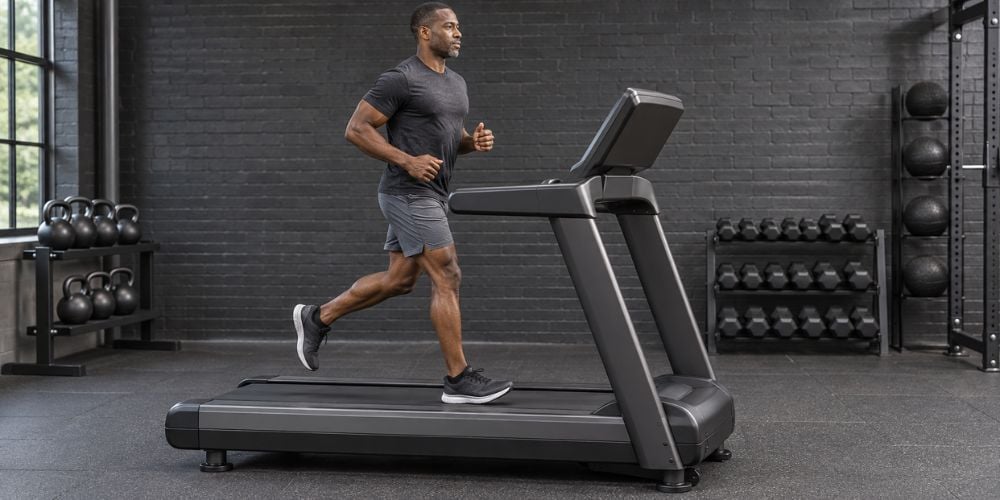
Ever felt comfortable walking on a treadmill but noticed a different feel when you started running? That’s because your landing force and movement change as your speed increases.
Cushioning that feels soft while walking may feel bouncier during faster running.
Here’s a simple comparison:
Running Speed | Cushioning Feel to Look For |
Walking | Comfortable, gentle landings |
Easy jogging | Moderate softness and smooth movement |
Steady running | Balanced cushioning and stability |
Fast running | Controlled, responsive cushioning |
I recommend testing a treadmill at your usual workout speed before choosing one. What feels comfortable for someone else may feel too soft or too firm for you.
How do you test cushioning?
- Start walking and notice how your feet land.
- Increase to a comfortable jogging speed.
- Run at your usual pace and check the bounce.
- Pay attention to any excessive deck movement.
- Choose the treadmill that feels comfortable and stable.
The goal isn’t to find the softest treadmill. It’s to find one that supports your natural stride at the speeds you normally use.
Conclusion
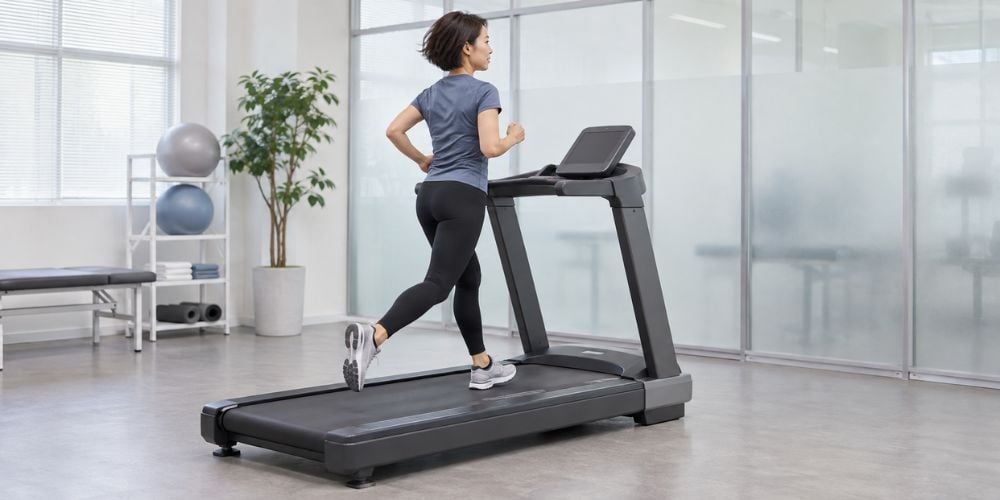
Treadmill cushioning changes how soft, smooth, bouncy, and stable your running feels. Softer cushioning can make landings feel gentler, while firmer cushioning can provide a more solid running surface.
The best treadmill cushioning is the one that feels comfortable and stable at your usual running speed.
Want to compare treadmill designs? Explore YR Fitness commercial cardio equipment to find options built for comfortable, consistent workouts.
Related articles: