


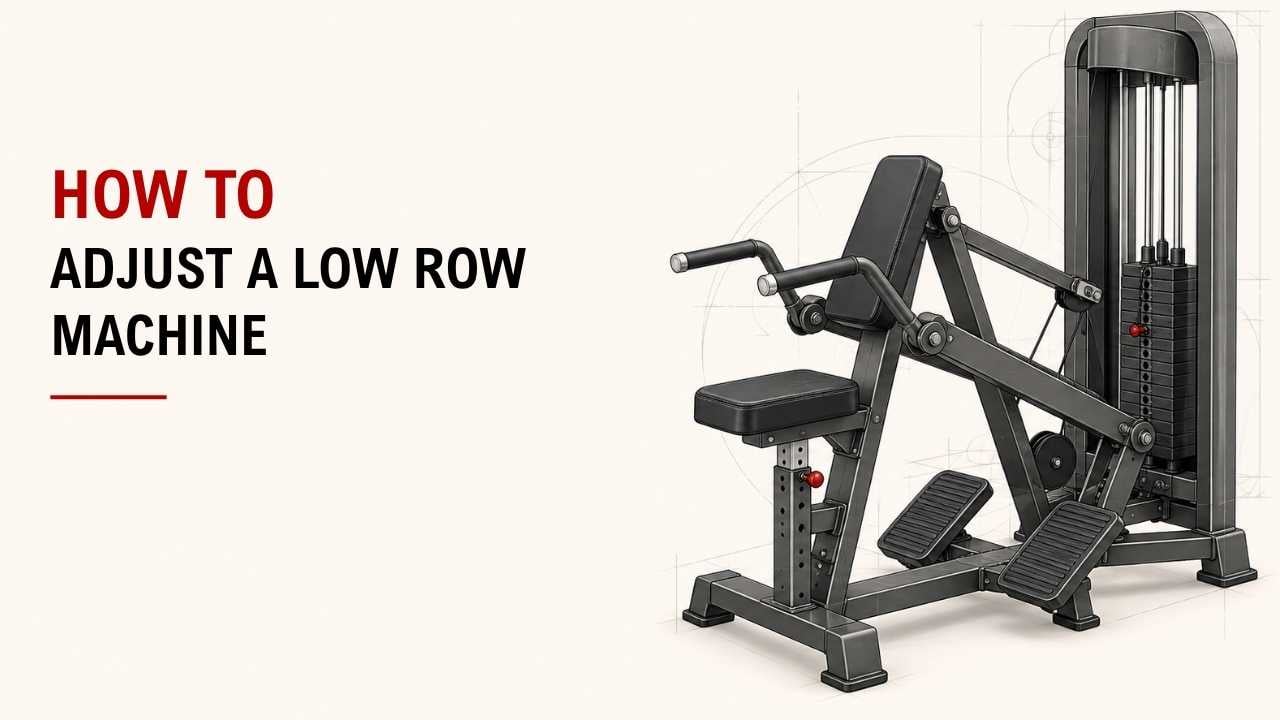

Not sure how to adjust a low row machine? The wrong setup can make your back workout uncomfortable and harder to control.
The fix is simple: adjust the seat height, chest pad, handles, and weight, then check your body position. These small adjustments help you row comfortably and maintain proper form.
As an Exercise Physiology & Biomechanics Expert at YR Fitness, I focus on how body positioning affects movement during exercise. I’ve seen how proper machine adjustments help people train their back more comfortably and with better control.
Below, I’ll show you the simple steps to adjust a low row machine. Follow them before your next workout to get your setup right.
1. Adjust the Seat Height
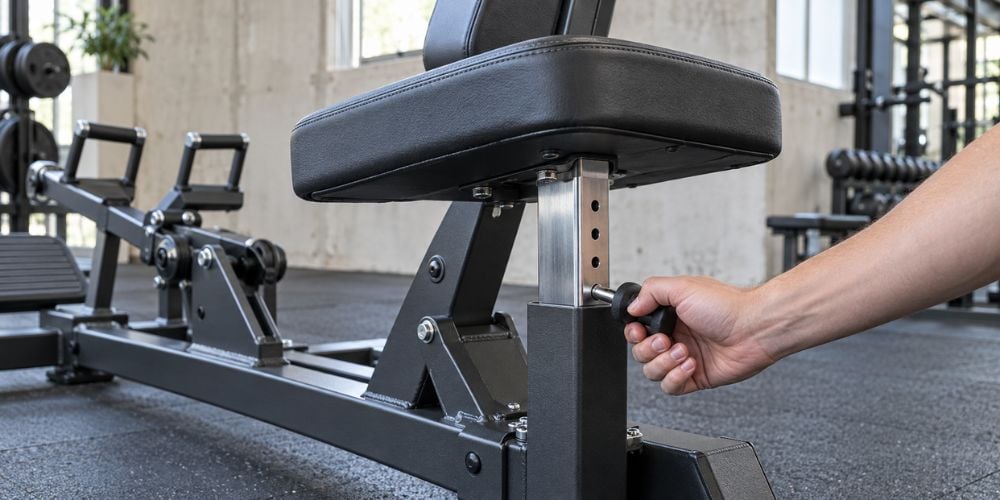
Start by adjusting the seat to match your height. You should be able to reach the handles without raising your shoulders or rounding your back.
Here’s how to adjust it:
- Sit on the machine with your feet supported.
- Find the seat adjustment lever or pin.
- Raise or lower the seat until the handles align comfortably with your lower chest or upper abdomen, depending on the machine’s design.
- Keep your shoulders relaxed and your back straight.
- Lock the seat securely before starting.
Quick tip: If you need to shrug your shoulders to reach the handles, try changing the seat height.
Why does this matter? A properly adjusted seat helps you pull along the machine’s intended movement path without forcing your shoulders into an uncomfortable position.
The American Council on Exercise (ACE) also recommends adjusting the seat and keeping your feet supported while maintaining a neutral spine during machine rows.
2. Set the Chest Pad Position
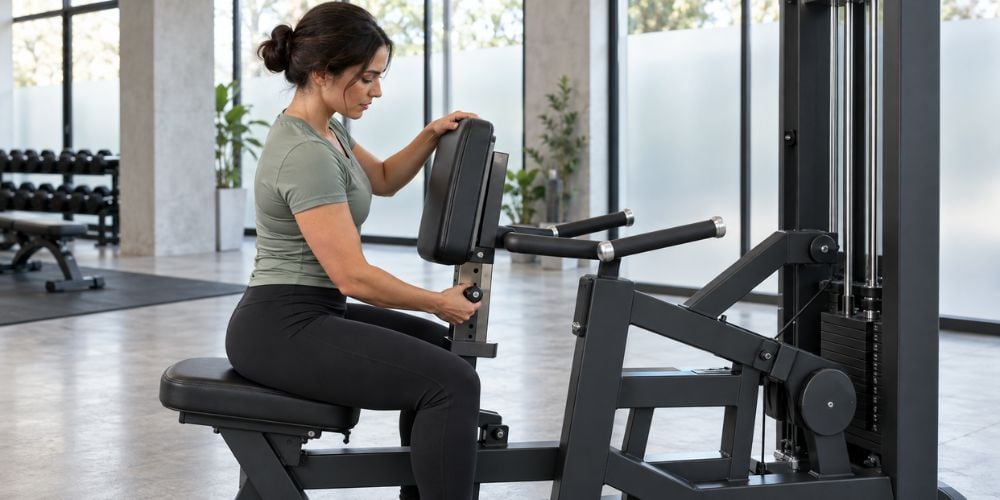
The chest pad supports your upper body while rowing. It helps you stay stable instead of leaning backward to lift the weight.
Follow these steps:
- Sit upright with your chest against the pad.
- Move the pad forward or backward if the machine allows it.
- Make sure you can reach the handles without overstretching.
- Leave enough room to pull your elbows backward.
- Keep your chest supported throughout each repetition.
What if the pad feels too far away?
Move it closer until you can reach the handles comfortably without rounding your back.
I often see people stretching too far just to grab the handles. A small chest pad adjustment can make the starting position much more comfortable.
Quick Seat and Chest Pad Adjustment Guide
Problem | Possible Cause | What to Adjust |
Shoulders feel raised | Seat height doesn’t fit | Change seat height |
Hard to reach handles | Chest pad too far back | Move pad closer |
Limited pulling movement | Chest pad too close | Move pad slightly back |
Back keeps rounding | Poor reach or posture | Recheck seat and pad |
Body moves too much | Poor support or heavy weight | Check pad and resistance |
Quick reminder: Not all low row machines have adjustable chest pads. If yours has a fixed pad, focus on the seat position and a comfortable handle reach.
3. Adjust the Handle Position
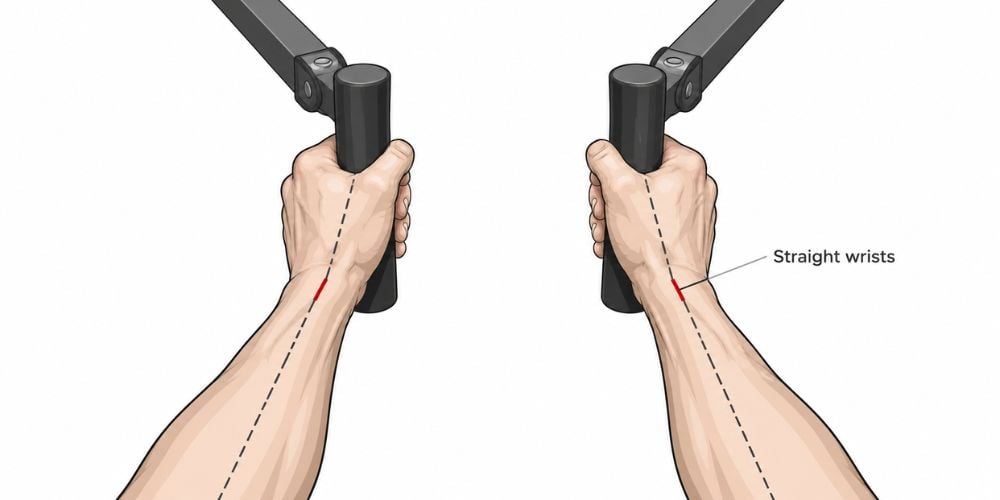
Your grip affects how comfortably your arms and shoulders move. Choose a handle position that allows you to pull without bending your wrists or shrugging.
Check these five things:
- Grip width: Choose a comfortable width if different grips are available.
- Wrists: Keep them straight and aligned with your forearms.
- Elbows: Let them move naturally beside your body.
- Shoulders: Keep them relaxed without shrugging.
- Handle reach: Avoid stretching so far that your back rounds.
Which grip should you use?
A neutral grip, with your palms facing each other, is a comfortable starting option for many people. You can also try other available grips if they feel better for your shoulders.
The National Academy of Sports Medicine (NASM) explains how proper grip, shoulder position, and controlled elbow movement help you perform seated machine rows.
Quick tip: I usually recommend testing your grip with a light weight first. You should feel comfortable pulling without twisting your wrists.
A comfortable low row starts with a machine that fits your body. At YR Fitness, we design commercial strength equipment with practical adjustments, self-designed movement angles, and durable construction for regular use.
If you’re exploring strength machines for your gym or training space, browse our equipment options and compare their seat, handle, and support features.
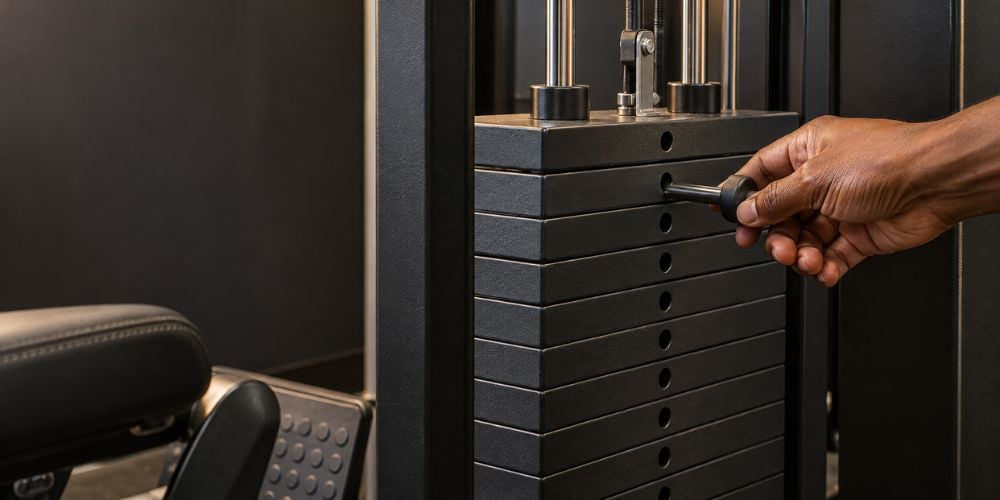
4. Choose the Right Weight
Too much weight can make you lean backward, swing, or lose control. Start with a manageable resistance before increasing the load.
Here’s what to do:
- Select a light starting weight.
- Perform a few slow repetitions.
- Check whether your upper body stays stable.
- Choose a weight you can control for 8–12 repetitions.
- Increase the resistance gradually as you get stronger.
How do you know if the weight is too heavy?
If you’re jerking the handles, lifting your chest away from the pad, or swinging your body, reduce the weight.
Low Row Machine Weight Selection Guide
Weight Selection | What You’ll Notice | What to Do |
Too light | Repetitions feel very easy | Increase gradually |
Just right | Smooth, controlled repetitions | Maintain the weight |
Too heavy | Swinging or poor posture | Reduce the weight |
In my experience, controlled repetitions are more useful than lifting heavier weights with poor technique. Focus on keeping your body steady while your back does the work.
5. Check Your Feet and Body Position
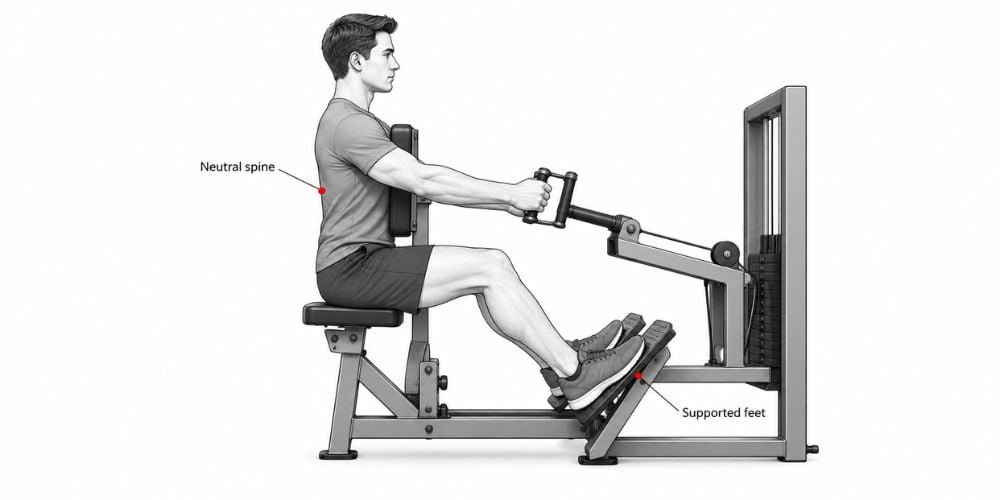
Your body should remain stable while you pull the handles. Good positioning makes it easier to control the movement and avoid unnecessary strain.
Check your position:
- Place both feet firmly on the footrests or floor.
- Keep your knees slightly bent and comfortable.
- Sit upright with your spine in a neutral position.
- Keep your chest against the pad if the machine has one.
- Relax your shoulders without rounding your lower back.
- Keep your body steady instead of swinging forward or backward.
Why do your feet matter?
Your feet provide support while you’re pulling. If they’re poorly positioned, you may struggle to keep your upper body stable.
For another useful reference, PureGym’s seated cable row guide explains how foot placement, a neutral spine, and controlled pulling support proper rowing technique.
Quick tip: If you keep moving backward during each pull, check your posture and reduce the weight if necessary.
6. Test the Machine Before Starting
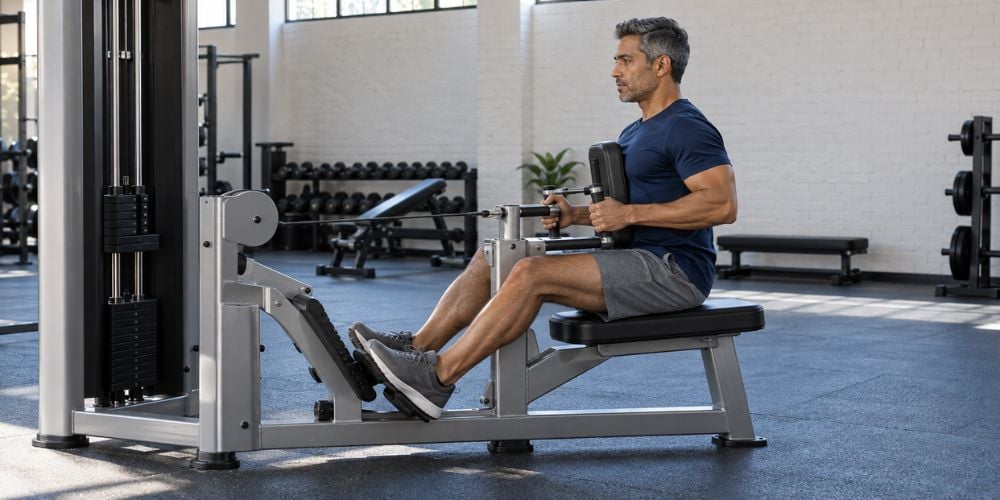
Before your workout, perform a few slow repetitions. This is the easiest way to check whether your adjustments feel comfortable.
Follow these steps:
- Sit in position and hold the handles.
- Pull slowly toward your lower ribs or upper abdomen, following the machine’s movement path.
- Move your elbows backward naturally.
- Keep your spine neutral and shoulders relaxed.
- Return the handles slowly to the starting position.
- Complete 2–3 test repetitions and readjust if needed.
What should a proper low row feel like?
You should feel your back muscles working without excessive swinging or overstretching. The handles should move smoothly while your body stays stable.
If you feel sharp pain or notice unusual machine movement, stop exercising and ask gym staff for help.
Final Setup Checklist
Before beginning your working sets, make sure:
- Your seat height feels comfortable.
- Your chest pad supports your upper body, if provided.
- Your wrists and shoulders stay in a natural position.
- Your weight is manageable.
- Your feet remain firmly supported.
- Your test repetitions feel smooth and controlled.
Conclusion
Adjusting a low row machine comes down to six steps: set the seat, chest pad, handles, weight, body position, and test your movement. A proper setup helps you train your back comfortably and with better control.
Want to learn more about adjustable strength equipment? Explore YR Fitness to see commercial gym machines designed for comfortable movement and long-term use.
Related articles:



