






How much daily stress does your gym equipment really handle?
In a busy fitness facility, machines are used constantly, making proper maintenance essential not only for performance, but also for member safety, equipment longevity, and cost control.
At YR Fitness, we work closely with gym owners and facility operators and understand how preventive maintenance plays a critical role in protecting equipment investments. A proactive approach helps reduce unexpected downtime, minimize repair costs, and keep workouts running smoothly.
Here are two essential aspects of gym equipment maintenance every facility should prioritize:
- Lubrication and tightening
- Checking for wear and tear
In this guide, we outline key maintenance steps, from daily cleaning routines to timely part inspections and replacements. Following these best practices will help extend the lifespan of your equipment and support a safer, more reliable training environment.
Let’s get started!
Table of Contents
1. Cleaning and Sanitizing
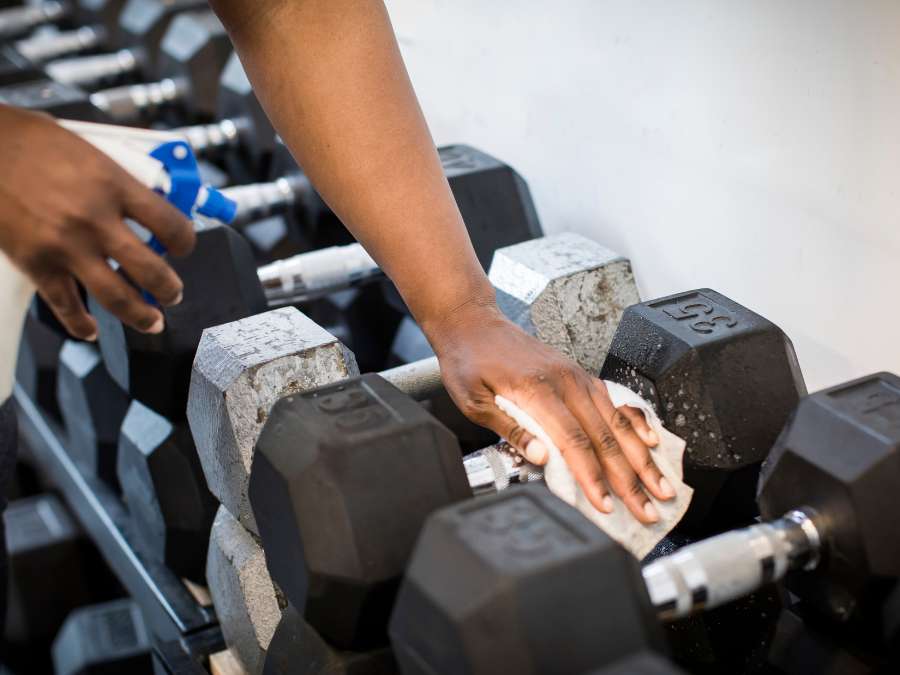
Maintaining gym equipment through regular cleaning and sanitization is essential for the health and safety of your members. As a matter of fact, neglecting cleaning can reduce the lifespan of your equipment, as grime can wear down surfaces and moving parts. Here are some of the best practices for keeping your equipment clean and sanitized:
- Daily Wipe-Downs: Perform routine wipe-downs on all equipment surfaces that come into contact with users, such as handles, seats, and screens. This helps to keep bacteria and grime at bay between deeper cleanings.
- Weekly Deep Cleaning: Schedule time each week for a more thorough cleaning of all equipment. Pay special attention to areas that are harder to reach, ensuring that buildup doesn’t lead to damage or malfunctions over time.
- Use Approved Cleaning Products Choose cleaning agents recommended by the equipment manufacturer. Harsh chemicals can corrode or damage the surfaces of your machines, leading to costly repairs or replacements.
- Provide Cleaning Stations for Members Set up cleaning stations with disinfectant sprays and wipes around the gym to encourage members to clean equipment after use. This promotes hygiene and reduces the spread of germs in the facility.

Proper cleaning and sanitizing are essential to keeping gym equipment safe, functional, and visually appealing. YR Fitness designs and manufactures commercial-grade fitness machines using durable materials and protective finishes that are engineered to handle frequent cleaning without degrading performance.
Our equipment is built with long-term use in mind, helping gyms maintain high hygiene standards while extending machine lifespan. Contact YR Fitness to explore equipment solutions designed for easy maintenance and lasting reliability.
2. Lubrication and Tightening
Proper lubrication and regular tightening of gym equipment are critical to maintaining smooth operation and preventing long-term damage. Think of this, without lubrication, moving parts can generate excessive friction, leading to wear and tear that shortens the lifespan of the machine. Consider the following tips to keep everything running smoothly:
- Lubricate Moving Parts Regularly: Moving parts like cables, chains, and belts should be lubricated on a scheduled basis. This minimizes friction and prevents premature wear, helping the equipment run more smoothly and quietly.
- Inspect and Tighten Bolts and Screws: Loose hardware can lead to equipment instability and accidents. Make it a habit to check bolts, screws, and other fasteners on a regular basis and tighten any that have come loose over time.
- Use Manufacturer-Recommended Lubricants: Always use lubricants that are specified by the manufacturer. For instance, incorrect products can lead to buildup or damage, negatively impacting the machine’s performance.
- Schedule Maintenance Checks: Create a maintenance schedule to routinely check for any issues that may require lubrication or tightening. This helps prevent small problems from escalating into costly repairs.
Regular lubrication and tightening of hardware are essential for smooth, safe equipment operation. YR Fitness designs and manufactures commercial-grade fitness machines with precision-engineered components and reinforced construction to reduce loosening and wear over time.
Our equipment is built to support reliable performance with minimal maintenance demands, helping gyms reduce downtime and service costs. Reach out to YR Fitness to explore equipment solutions designed for efficient upkeep and long-term durability.
3. Checking for Wear and Tear
Gym equipment undergoes significant stress from constant use, making it essential to inspect regularly for signs of wear and tear. Deteriorating components like frayed cables or worn-out padding can pose safety hazards if left unattended. Similarly, regular inspections extend the life of your equipment and enhance the safety of your gym environment. Use these inspection practices to keep equipment in top condition:
- Perform Visual Inspections: Frequently check for visible signs of damage, such as cracks, rust, or worn surfaces. These inspections are quick and can catch issues before they worsen.
- Monitor High-Use Equipment: Machines that see heavy usage, like treadmills and weight machines, should be checked more often. These pieces are more prone to wear and tear due to constant use.
- Check for Functionality Issues: Regularly test the operation of machines to detect abnormalities, such as strange noises or resistance changes. Unusual sounds often indicate mechanical problems.
- Replace Damaged Parts Immediately: If any parts are found to be damaged or worn out, replace them immediately to avoid safety hazards or equipment failure.
Here’s a table summarizing the best practices for checking gym equipment for wear and tear:
Practice | Benefit |
Perform Visual Inspections | Identifies visible damage like cracks, rust, or wear, allowing for early detection of issues. |
Monitor High-Use Equipment | Ensures frequently used machines, like treadmills, are inspected more often to prevent breakdowns. |
Check for Functionality Issues | Detects mechanical problems early by testing machines for abnormal noises or resistance changes. |
Replace Damaged Parts Immediately | Prevents safety hazards and extends the life of equipment by promptly replacing worn-out parts. |
Spotting wear early keeps your gym safe and avoids costly downtime. YR Fitness offers durable commercial equipment built to endure intense daily use. Get in touch to discover machines that stand the test of time.
4. Calibration and Alignment
Proper calibration and alignment of gym equipment are crucial for efficient operation and long-term durability. Misaligned components can wear unevenly, leading to costly repairs and downtime. On top of that, accurate calibration is also necessary to provide users with correct workout data, such as speed, resistance, and distance. To maintain proper calibration and alignment, consider the following:
- Follow Manufacturer’s Calibration Guidelines: Each machine has specific calibration instructions in its manual. Adhering to these, as recommended by YR Fitness, ensures that equipment operates optimally and delivers accurate performance metrics. Partnering with a reputable commercial gym equipment manufacturer can also provide you with expert guidance and support for proper calibration and maintenance, keeping your machines running smoothly and safely.
- Check Alignment of Belts and Tracks: For machines with belts, tracks, or pulleys, alignment is key to preventing unnecessary wear. Misaligned components can lead to malfunction or damage over time.
- Schedule Regular Calibration: Set up a regular schedule for calibrating equipment, especially for machines that track metrics like speed or resistance. Regular calibration establishes accurate readings.
- Hire Professionals for Complex Machines: For machines with intricate systems, such as electronic ones, it’s often a good idea to hire certified professionals to handle calibration and alignment to prevent further issues.
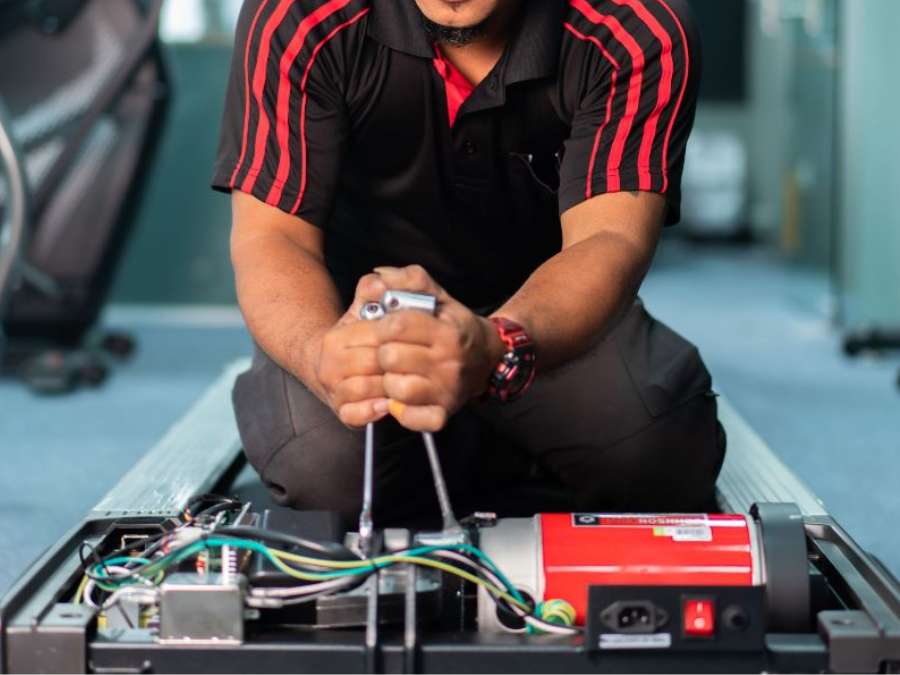
Accurate calibration ensures precise performance and member trust. YR Fitness provides commercial equipment known for consistency and easy calibration. Contact us for solutions that keep your gym operating at peak precision.
5. Storing and Protecting Equipment
Proper storage and protection of gym equipment when it’s not in use is essential to prolong its lifespan and maintain functionality. On the other hand, environmental factors like dust, moisture, or extreme temperatures can damage sensitive equipment or lead to corrosion. Consider these practices for storing and protecting your gym equipment:
- Designate Storage Areas: Create specific storage areas for smaller equipment like mats, dumbbells, and resistance bands. Keeping these items organized helps prevent them from getting lost or damaged.
- Use Protective Covers: For larger equipment like treadmills and bikes, use protective covers when they are not in use. This shields them from dust and moisture that can affect both mechanical and electronic components.
- Control the Environment: Keep your gym’s temperature and humidity levels stable, as extreme conditions can cause rust, electronics malfunctions, or material degradation. A climate-controlled environment is especially important for electrical equipment.
- Store Portable Equipment Properly: Smaller, portable equipment such as kettlebells or jump ropes should be neatly stored on racks or shelves. Avoid leaving them on the floor where they can become tripping hazards or damaged.
6. Electrical Maintenance
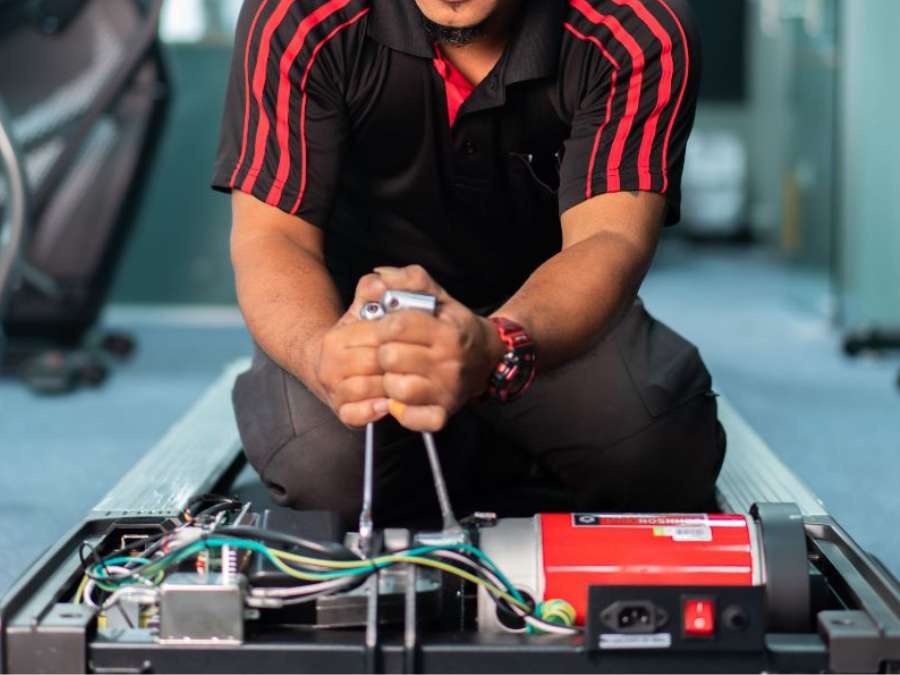
Many pieces of gym equipment, like treadmills and elliptical machines, rely on electrical systems to function properly. Malfunctions in these systems can cause equipment failure, potential safety hazards, and costly repairs. Routine electrical maintenance helps to prevent these issues and ensures machines continue to operate smoothly. Use the following guidelines to maintain the electrical components of your gym equipment:
- Inspect Power Cords and Plugs: Regularly check power cords, plugs, and outlets for signs of wear, such as fraying or discoloration. For instance, damaged cords should be replaced immediately to avoid electrical fires or shocks.
- Check for Overheating: Monitor equipment for signs of overheating, such as warm surfaces or unusual smells. Overheating can signal an electrical issue that needs immediate attention.
- Clean Electrical Components Safely: Clean the exterior surfaces of electrical equipment using dry cloths and appropriate cleaning agents, avoiding any moisture that could affect internal components.
- Shut Down Equipment After Use: Encourage staff and members to turn off machines when not in use. This reduces the wear on electrical components and minimizes the risk of circuit overload.
7. Replacing Worn Out Parts
Despite regular maintenance, certain parts of gym equipment will naturally wear out over time due to heavy use. Replacing these parts before they fully fail is crucial to keeping your equipment safe and functional. Anyone will agree that neglecting to replace worn parts can lead to larger, more expensive repairs, and may pose safety risks to users. Here are some key steps to stay on top of part replacements:
- Identify Commonly Worn Parts: Recognize the parts that typically wear out the fastest, such as belts, cables, and padding. Keep these items on hand to facilitate quick replacements when needed.
- Keep Detailed Maintenance Logs: Record the dates when parts are replaced to track their longevity. This will help you plan future maintenance and anticipate when specific parts are likely to need replacing again.
- Order Parts Directly from the Manufacturer: Purchase replacement parts from the original equipment manufacturer, such as YR Fitness, to enhance compatibility and performance. Using non-genuine parts can affect the functionality and safety of the machine.
- Train Staff to Replace Parts Safely: Make sure your maintenance team or gym staff are trained to replace parts correctly. Improper installation of new parts can lead to malfunction or damage to the equipment.
Managing part replacements doesn’t have to be complicated. We have prepared a ready-to-use checklist that makes it easy to manage your equipment maintenance. Click here to download this file!
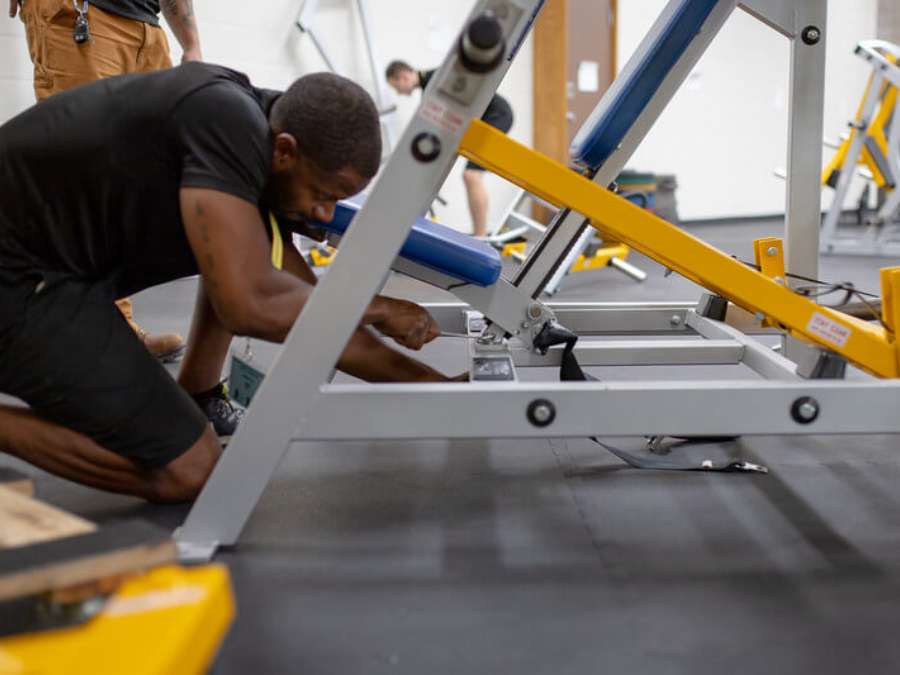
Timely replacement of worn-out parts is essential for minimizing downtime and protecting your equipment investment. YR Fitness designs and manufactures commercial-grade fitness machines with standardized components and durable construction, making maintenance and part replacement more efficient.
Our focus on long-term serviceability helps gyms keep equipment operating safely and consistently. Connect with YR Fitness to learn how our dependable equipment solutions support smooth maintenance and uninterrupted gym operations.
Conclusion
Maintaining your gym equipment with preventive care is essential for keeping your gym running efficiently and safely. Regular upkeep, such as cleaning, lubrication, and part replacement, ensures that your machines stay in top condition, preventing costly repairs and downtime.
This guide has provided practical steps to help you create a maintenance routine that fits your gym’s needs. At YR Fitness, we specialize in designing durable, commercial-grade gym equipment that is built to last. Contact us today to learn more about how we can support your gym’s success.
Dive Deeper Into Our Resources
For some insightful reads, we’ve curated a list of recommended articles just for you:
Still haven’t found what you’re looking for? Don’t hesitate to contact us. We’re available around the clock to assist you.
Related articles: