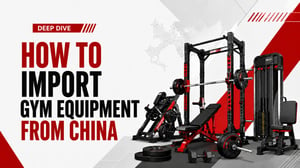






A few years ago, one of our long-time clients came to us frustrated, their members were complaining about bent barbells and shaky racks. They’d spent thousands replacing cheap equipment that just couldn’t handle serious powerlifters.
As a manufacturer, we see this story repeat all too often.
That’s when it hit us — gym owners aren’t just buying equipment, they’re building a brand.
At YR Fitness, we’ve been manufacturing commercial gym equipment since 1997, supplying strength machines, cardio equipment, and accessories as a one-stop solution. We focus on professional design built for daily use in busy facilities. We also export to over 100 countries and regions, supporting gym projects worldwide.
In this article, we’ll walk you through 10 of the best gym equipment for powerlifting gyms. You’ll learn what matters most, what to avoid, and how to build a facility that keeps lifters coming back.
Because when your equipment delivers strength, your business grows stronger too.
So, let’s dive in!
- Quick Comparison Chart
- 1. Power Rack / Squat Rack
- 2. Olympic Barbells
- 3. Weight Plates (Calibrated Steel or Bumper)
- 4. Adjustable Bench (Flat & Incline Options)
- 5. Deadlift Platform
- 6. Lifting Belt and Accessories Zone
- 7. Specialty Bars
- 8. Powerlifting Platform
- 9. Plate Storage & Barbell Racks
- 10. GHD (Glute Ham Developer) & Reverse Hyper
- How to Choose the Right Equipment for Your Powerlifting Gym
- Conclusion
Quick Comparison Chart
When choosing powerlifting equipment, it helps to see everything side by side. Below is a quick comparison to guide you — showing what each item does best and why it matters for your gym setup.
Equipment | Key Purpose | Main Features | Best For |
Power Rack / Squat Rack | Core for heavy lifts | Strong steel, safety pins | All lifters & main training zone |
Olympic Barbells | For squats, bench, deadlift | High tensile, deep knurl | Competition & strength gyms |
Weight Plates | Add resistance | Calibrated, durable finish | Pro gyms & accurate loading |
Adjustable Bench | For press & support work | Firm pad, multiple angles | Versatile bench setups |
Deadlift Platform | Floor protection | Rubber surface, wood insert | Heavy pulls & noise control |
Lifting Belt & Accessories | Safety & support | Belts, wraps, chalk | Serious lifters & accessory zone |
Specialty Bars | Training variety | SSB, trap, deadlift bars | Advanced gyms & athletes |
Powerlifting Platform | Competition lifting area | Non-slip, solid base | Meets event standards |
Plate Storage & Racks | Keep area tidy | Compact, mobile racks | Organized gym spaces |
GHD & Reverse Hyper | Posterior chain training | Adjustable, smooth motion | Rehab & strength balance |
Each piece has a clear role in building a serious powerlifting facility. Keep reading below to learn the details, expert insights, and pro tips for choosing the right one for your gym.
1. Power Rack / Squat Rack
Every strong gym starts with a solid foundation — and for powerlifting gyms, that foundation is the power rack. It’s the center of nearly every serious training session. From squats to presses and pulls, this piece does heavy lifting for your business and your members alike.
Specifications
- Load Capacity: A commercial rack should safely handle at least 1000 lbs. Anything less risks safety and performance. When you’re equipping a professional gym, you want gear that stands firm even under your strongest member’s PR attempts.
- Steel Gauge and Frame: Choose 11-gauge steel or thicker for long-term durability. The thicker the frame, the better it can take repeated abuse without wobbling.
- Safety and Adjustability: Look for Westside hole spacing and secure safety pins or straps. These small details let lifters adjust perfectly to their height and training style, while minimizing injury risk. Smooth adjustments save time — a big win when multiple members share one rack.
Purpose
- Versatility in Training: A quality rack isn’t just for squats. It’s a full training station for bench press, overhead press, and pull-ups. That flexibility lets gym owners offer complete workouts in limited floor space. It’s one of the best ROI pieces you can own.
- Safety and Confidence for Lifters: Heavy lifts require absolute trust in the rack. With solid j-cups and safety arms, lifters can train hard without fear of injury. That confidence keeps your members coming back — and attracts serious powerlifters to your facility.
- Longevity for Commercial Use: Unlike cheaper home models, commercial racks are built to withstand constant use. The right investment today saves you countless repair costs later. That’s why YR Fitness racks are welded, not bolted, for maximum stability and fewer long-term maintenance issues.
Final Thoughts
If you’re building or upgrading your powerlifting gym, start with a power rack that matches your gym’s standards. It should be strong, safe, and professional. This one piece sets the tone for the rest of your facility.
At YR Fitness, we design and manufacture heavy-duty racks built for serious training and long-term commercial use. With 24 years of production experience and ISO-certified manufacturing, we have supported gym owners worldwide in building strong, reliable training spaces. Many of our clients use our racks to compete with well-known international brands while keeping costs under control and protecting their profit.
If you are ready to build a gym your lifters trust and your business can grow, partner with YR Fitness today. Our team will help you select the right commercial-grade rack setup based on your floor plan, training style, and budget.

2. Olympic Barbells
Every powerlifting gym needs a set of reliable Olympic barbells. They’re the backbone of every big lift — squats, benches, and deadlifts. If your bars bend, rust, or spin wrong, your members will notice immediately. We’ve worked with enough gym owners to know: good barbells aren’t a luxury; they’re a must.
Specifications
- Tensile Strength: Look for bars with a tensile strength of at least 180,000 PSI. This ensures the bar can handle serious weight without permanently bending. High strength also means longer lifespan under daily commercial use — something your bottom line will thank you for.
- Knurling and Grip: The bar’s knurling should be deep enough for grip but not sharp. Center knurling helps with squats, while dual marks guide consistent hand placement. A balanced knurling pattern gives lifters both comfort and control — critical for long training days.
- Sleeve Rotation: Smooth spin prevents wrist strain and enhances performance. Bushing systems are ideal for powerlifting since they provide controlled rotation without too much whip. If you cater to mixed athletes, a hybrid bar with moderate spin works best.
Purpose
- Supports the Big Three Lifts: Olympic barbells are made for the squat, bench press, and deadlift. These three lifts define powerlifting, and a reliable bar supports them all. A bar that performs consistently helps lifters progress — and keeps your gym’s reputation solid.
- Encourages Proper Technique: A straight, balanced bar teaches proper form. It helps lifters feel the load evenly and move correctly through each lift. That’s key for safety and long-term training results in a commercial environment.
- Durability for High Traffic Use: Gyms see hundreds of reps daily. Olympic barbells built from chrome-coated or stainless steel resist corrosion and wear from constant chalk, sweat, and cleaning. That means fewer replacements and smoother operations for your staff.
Final Thoughts
The Olympic barbell may look simple, but it’s one of the smartest investments you’ll make for your powerlifting gym. A single bar handles thousands of lifts every month — so quality truly matters.
When your members grab a bar that feels balanced, solid, and responsive, they notice. It builds trust in your facility and reinforces that you care about performance and safety.
Choose barbells that fit your members’ needs and your gym’s training volume. Do it right once, and your bars will keep your business — and your lifters — strong for years.

3. Weight Plates (Calibrated Steel or Bumper)
When it comes to powerlifting, weight plates are where strength meets precision. Every rep, every PR, every meet-ready lift depends on plates that are consistent and accurate. We’ve worked with many gym owners who learned the hard way that low-grade plates can throw off their members’ training progress — and even their reputation.
Specifications
- Calibrated Accuracy: Competition and advanced training require precision. Calibrated steel plates are accurate within a few grams of their stated weight, ensuring fair, repeatable lifts. This consistency helps serious lifters trust your equipment and your gym’s quality standards.
- Material and Coating: Choose between steel plates for compact loading or bumper plates for shock absorption and quieter training. A durable rubber or urethane coating prevents rust and protects your floors. The right coating also makes maintenance easier for busy commercial spaces.
- Plate Width and Diameter: Calibrated plates are thinner, allowing more weight on the bar. That’s essential when your clients push their limits. Standardized diameter ensures the bar sits evenly during lifts, helping lifters maintain proper form and balance.
Purpose
- Supports Competition-Level Training: Your powerlifters need consistent, accurate loads for progressive training. Calibrated plates allow them to train exactly as they would in a meet. This keeps your gym competitive among serious athletes and teams.
- Reduces Noise and Equipment Damage: Bumper plates are ideal if your gym focuses on deadlifts and Olympic-style training. They reduce the impact on both flooring and bars. That means a quieter environment, fewer repairs, and longer equipment life — all great for your bottom line.
- Improves Professional Image: When clients see uniform, color-coded, high-quality plates, it sends a clear message: your gym values performance and precision. It’s a small detail that makes a big difference in how members perceive your facility.
Final Thoughts
Weight plates might seem simple, but they directly affect how your lifters train and how your gym is judged. Cheap or inconsistent plates lead to frustration, and eventually, lost members.
Invest in well-calibrated, durable plates that fit your training style and your lifters’ goals. Whether you go for compact steel or protective bumpers, quality plates will always pay off in performance and reputation.
Think of your plates as the foundation of your powerlifting culture, precise, reliable, and built to last.

4. Adjustable Bench (Flat & Incline Options)
An adjustable bench might not be the flashiest piece of powerlifting equipment, but it’s one of the hardest-working. You’ll see it under a barbell, next to dumbbells, or used for core and accessory work all day long. In a commercial gym, a reliable bench isn’t optional — it’s a daily necessity that keeps your training floor running smoothly.
Specifications
- Load Capacity: Commercial benches need to handle at least 1000 lbs of load safely. A strong frame and high-capacity hinge system prevent wobbling or breakdown under pressure. If your gym caters to powerlifters, a heavy-duty bench ensures both safety and longevity.
- Frame Construction: Look for a steel frame with welded joints instead of bolts. Welded designs hold up far better under repeated impact. The frame should also have a wide base for stability and rubber feet to prevent sliding on hard floors.
- Padding and Upholstery: Thick, high-density foam padding supports lifters without sinking or shifting. The cover should resist tearing and be easy to clean — especially important in high-traffic gyms where hygiene and durability matter.
Purpose
- Supports Pressing Movements: The adjustable bench is key for bench presses, dumbbell presses, and shoulder work. Being able to switch between flat and incline positions helps lifters target different muscle angles while using the same equipment.
- Increases Training Variety: Beyond pressing, the bench supports rows, core exercises, step-ups, and accessory lifts. It’s a small footprint tool with huge versatility — something every gym owner appreciates when maximizing space.
- Improves Member Comfort and Safety: Sturdy benches allow lifters to stay balanced during heavy lifts. A comfortable surface and stable base encourage proper form and reduce injury risk, especially when multiple members use it daily.
Final Thoughts
A well-built adjustable bench makes training smoother for your members and operations easier for your team. It supports dozens of exercises without needing constant adjustment or repair — the kind of reliability every commercial gym needs.
When choosing benches, think beyond looks. Prioritize stability, load rating, and ease of use. Your lifters will feel the difference every time they train, and that consistency builds trust in your facility.
In the long run, investing in a few solid benches gives you more flexibility, better safety, and happier members — all with minimal maintenance.

5. Deadlift Platform
If there’s one sound every powerlifting gym knows, it’s the thud of a deadlift hitting the floor. That’s where a solid deadlift platform earns its keep. It protects your flooring, your bars, and your members’ ears — all while giving lifters a stable surface to pull from.
Specifications
- Construction Materials: A good platform combines thick rubber mats and a wood center panel. The rubber absorbs shock while the wood gives lifters stable footing. This mix keeps both lifters and equipment safe under heavy loads.
- Dimensions and Thickness: Most commercial platforms measure about 8 feet by 4 to 6 feet, giving plenty of room for deadlifts and other barbell work. Rubber layers should be at least 1 inch thick to handle impact from repeated drops. Size and thickness go hand in hand with safety.
- Frame and Edge Design: Look for steel framing or reinforced edging to keep mats and wood panels locked in place. Loose pieces shift over time, which can cause trips or uneven lifting surfaces. A clean, tight frame keeps everything aligned even after years of heavy use.
Purpose
- Protects Flooring and Equipment: Every drop sends shock through the floor. A platform absorbs that force, keeping your concrete intact and your barbells straight. Over time, that protection saves thousands in repair and replacement costs.
- Reduces Noise and Vibration: Platforms help dampen the loud clangs and vibrations of heavy deadlifts. That’s not just for comfort — it’s good for your members’ experience and keeps neighboring tenants happier if you’re in a shared building.
- Provides a Stable Lifting Surface: Consistency matters in strength training. A level, firm platform helps lifters maintain proper positioning from set to set. It also gives them a dedicated, professional area for heavy pulls — boosting safety and performance.
Final Thoughts
A deadlift platform is one of those pieces you don’t appreciate until you have it — and you’ll never want to go without again. It shows your members that your gym is serious about safety and performance.
It’s also a smart investment. You’ll extend the life of your flooring, bars, and plates while giving lifters a better training experience.
If you’re setting up or upgrading your powerlifting area, make a platform part of your foundation. It’s one of those small details that separates a “good gym” from a truly professional one.

6. Lifting Belt and Accessories Zone
Every powerlifting gym needs more than just racks and bars — it needs an accessories zone where lifters can gear up safely and effectively. This area includes lifting belts, wrist wraps, chalk stands, and other essentials that support performance.
Specifications
- Lifting Belt Design: Commercial-quality belts should have thick leather or strong nylon with solid stitching and secure buckles. Width and stiffness matter — a consistent 4-inch belt supports the core without restricting movement. Lifters rely on that rigidity for stability during heavy squats and pulls.
- Accessory Storage Setup: Keep accessories organized on racks, hooks, or small shelves near main lifting zones. An easy-access setup saves time between lifts and keeps the gym floor clear. This also reduces wear on gear and creates a cleaner training environment.
- Chalk Station and Flooring: A dedicated chalk station prevents mess and adds grip confidence for lifters. Pair it with rubber flooring or mats underneath to contain dust and protect your floors. This small detail makes a big difference in maintenance.
Purpose
- Improves Lifter Safety and Performance: Belts, wraps, and straps are tools that reduce injury risk and boost performance. By offering a full accessory area, you show members that you care about safe, effective lifting practices — not just heavy weights.
- Enhances Gym Efficiency: When gear is stored neatly and close to lifting areas, it saves time and avoids traffic around equipment. A well-thought-out accessories zone helps your members train faster and smoother, especially during peak hours.
- Creates a Professional Atmosphere: An organized accessories section signals that your gym is serious about quality. It’s a subtle but powerful way to impress new members and retain loyal ones who appreciate order and readiness.
Final Thoughts
Your lifting belt and accessories zone might be small, but it has a big impact on how members experience your gym. It adds convenience, professionalism, and safety — all things serious lifters value.
Think of it as your gym’s “toolbox.” When every piece is easy to find and use, lifters can focus on performance instead of searching for gear.
Set up this zone thoughtfully, and you’ll create a smooth, functional space that helps your members lift with confidence — and keeps your gym running efficiently day after day.

7. Specialty Bars
Every gym owner knows that not all lifters are the same — and that’s where specialty bars shine. These bars go beyond the standard Olympic model, offering lifters variety and safer training options. From safety squat bars to trap bars and deadlift bars, having a few of these in your gym can set you apart from the competition.
Specifications
- Bar Type and Purpose: Each specialty bar serves a specific training goal. The Safety Squat Bar (SSB) helps reduce shoulder strain, while the Trap Bar offers a neutral grip for deadlifts and shrugs. The Deadlift Bar, on the other hand, provides extra flex (“whip”) to help lifters pull heavier weights. Choosing the right mix depends on your members’ needs.
- Material and Finish: High-tensile steel with durable coatings — like black zinc or hard chrome — ensures longevity under constant commercial use. A solid finish resists corrosion and maintains grip quality, even with chalk or heavy sweat exposure.
- Handle and Knurling Design: Comfort and control are key. Specialty bars often include angled handles, wider grips, or unique knurling patterns for different training styles. These design details make them easier to handle and help reduce injury risk for your members.
Purpose
- Reduces Injury and Strain: Specialty bars allow lifters with mobility issues or previous injuries to train safely. For example, a Safety Squat Bar keeps stress off the shoulders and wrists, letting lifters squat comfortably without losing intensity.
- Adds Variety and Progression: Your members will appreciate having more options. Specialty bars target specific weaknesses, improve muscle engagement, and keep training engaging. This variety supports long-term progression and prevents plateaus.
- Builds a Professional Image: Gyms that offer multiple bar options stand out immediately. Serious lifters know the difference between a generic setup and a facility that’s invested in performance tools. Specialty bars signal that your gym takes strength training seriously.
Final Thoughts
Adding specialty bars to your equipment lineup tells members that your gym takes strength training seriously. It may seem like a small upgrade, but it can change how lifters feel about your facility. Specialty bars also help members train with more comfort, better joint positioning, and more variety, which keeps them coming back.
As a commercial gym equipment manufacturer, YR Fitness understands what serious strength gyms need to succeed. Our specialty bars are built with precision machining, comfortable grip design, and durability testing that matches real commercial use. They are made to handle heavy loads, repeated drops, and daily wear from high-traffic training spaces.
If you want to raise your gym’s reputation and offer members more than basic barbells, partner with YR Fitness today. We will help you choose the right specialty bars for your gym needs.

8. Powerlifting Platform
A powerlifting platform gives your gym a professional edge while keeping lifters safe and focused. It’s more than just a section of floor — it’s a designated area that defines strength, precision, and discipline. If your gym hosts meets or caters to advanced lifters, a well-built platform instantly raises your facility’s credibility.
Specifications
- Material Construction: The best powerlifting platforms combine hardwood centers with rubber or urethane edges. The wood provides a stable, even footing for lifters, while the rubber edges absorb shock and protect both plates and the floor. This design balances durability with functionality.
- Size and Layout: Standard platforms measure about 8×8 feet, but many gyms adjust based on available space. The size should give lifters room for safe movement and spotting. A properly spaced platform also keeps your lifting area organized and professional-looking.
- Surface Finish and Stability: The platform surface should be non-slip yet smooth enough for quick foot adjustments. Anchoring it securely to the floor prevents unwanted shifting during heavy lifts — a must-have for safety and consistent performance.
Purpose
- Defines Professional Lifting Zones: A platform sets boundaries for training and competition lifts. It creates a focused environment where lifters can perform without distractions or interference from others, improving both safety and gym flow.
- Protects Flooring and Equipment: Heavy barbells dropped repeatedly can crack concrete or damage flooring. A platform absorbs that impact, extending the life of your floor, bars, and plates — an investment that pays off long term.
- Supports Events and Branding: Powerlifting platforms are ideal for hosting competitions or filming promotional content. Many gyms customize them with logos or colors, reinforcing their brand identity while creating an inspiring training space.
Final Thoughts
A powerlifting platform is one of those finishing touches that separates a good gym from a serious one. It shows lifters that you care about safety, structure, and performance.
For gym owners, it’s also a smart business move. You protect your facility from costly wear while offering a professional lifting experience your members will talk about.
When you invest in a well-built platform, you’re not just adding equipment — you’re building a space that commands respect, lifts your brand image, and supports every powerful rep your members perform.

9. Plate Storage & Barbell Racks
No matter how good your equipment is, a messy floor can ruin the entire look and safety of your gym. That’s why plate storage and barbell racks are essential for any powerlifting facility. They keep weights organized, protect your gear, and help your members train efficiently without wasting time searching for the right plate or bar.
Specifications
- Material and Build Quality: Go for heavy-duty steel construction that can handle commercial use. Welded joints and powder-coated finishes add durability and prevent rust. The stronger the build, the longer your racks and storage units will hold up under constant loading and unloading.
- Design and Layout Options: Choose between vertical or horizontal racks based on your space and gym flow. Vertical storage saves floor space and looks clean, while horizontal trees or wall-mounted systems make access quicker during high-traffic hours.
- Mobility and Capacity: If your gym layout changes often, look for racks with wheels or compact footprints. High-capacity models allow for more plates in a smaller space, keeping everything within easy reach without cluttering the floor.
Purpose
- Keeps the Gym Organized and Safe: Proper storage prevents tripping hazards and damage to expensive gear. When plates and bars are neatly arranged, your gym looks professional and safer for members moving between stations.
- Extends Equipment Life: By storing weights off the ground, you protect them from scratches, rust, and unnecessary wear. A good storage setup also prevents bent barbells — a common issue when bars are left lying around.
- Improves Member Experience: An organized setup saves time for both members and staff. Lifters can quickly find what they need, making their sessions smoother and more productive. It also reflects a level of care that serious athletes notice and appreciate.
Final Thoughts
Plate storage and barbell racks may not seem like big-ticket items, but they’re key to maintaining a clean, efficient, and safe gym environment. They keep your investment protected and your training floor running like clockwork.
From a business perspective, an organization is part of your brand. A tidy, well-equipped gym leaves a strong first impression — one that builds trust and loyalty.
So when you plan your layout, treat storage like the backbone of your operation. It’s the small detail that supports everything else, from performance to professionalism.

10. GHD (Glute Ham Developer) & Reverse Hyper
Strong hamstrings and glutes are the foundation of serious powerlifting, and that’s where GHDs and Reverse Hypers come in. These machines don’t just build muscle — they protect lifters from injury and improve overall performance.
Specifications
- Frame and Construction: Look for commercial-grade steel frames with wide bases to keep the unit steady during intense use. Welded joints and anti-slip feet help maintain balance and safety, especially under heavier or faster movements.
- Adjustability: Good GHD and Reverse Hyper machines should have adjustable pads and foot rollers. This allows lifters of different heights to find a comfortable position for effective range of motion and proper alignment.
- Padding and Comfort: Thick, high-density foam padding provides comfort while supporting the hips and legs during movement. It should resist wear and sweat while remaining firm enough to keep lifters stable during dynamic reps.
Purpose
- Strengthens the Posterior Chain: Both machines target the glutes, hamstrings, and lower back — essential muscles for squats and deadlifts. Strengthening these areas reduces injury risk and boosts overall lifting power.
- Improves Recovery and Mobility: Reverse Hypers, in particular, help with spinal decompression and circulation. Many powerlifters use them for active recovery, easing lower back tension after heavy training sessions.
- Adds Training Variety: These machines give your members new ways to train the same core muscle groups. They keep workouts engaging, making your gym stand out for offering more than just the basics.
Final Thoughts
The GHD and Reverse Hyper are often underestimated, but they’re two of the smartest additions you can make to a powerlifting gym. They build critical strength, prevent injuries, and help lifters recover faster, a winning combination for both performance and longevity.
From a business standpoint, these machines also show your members that you care about more than heavy lifts, you care about their long-term results. That trust helps you stand out in a competitive market.
If you’re looking to round out your powerlifting section with equipment that delivers measurable results, start with these two. They complete your lineup and keep your athletes training strong, safely, and consistently.

How to Choose the Right Equipment for Your Powerlifting Gym
Choosing the right powerlifting equipment isn’t just about filling your space — it’s about building a gym that performs, lasts, and fits your members’ needs.
We’ve seen gym owners make fast decisions based on price alone, only to realize later that poor quality costs more in the long run. Here’s how to choose smarter, so every piece of equipment supports both your business and your members.
- Define Your Gym’s Focus and Target Users: Start by identifying what kind of lifters you’re catering to — serious powerlifters, general strength trainers, or a mix of both. For example, competition-ready gyms need calibrated plates and power bars, while community gyms might lean on versatile, multi-use stations.
- Prioritize Commercial-Grade Durability: Commercial gyms run all day, every day — your gear needs to handle that. Always choose heavy-duty, tested equipment with solid welds, thick steel, and high load ratings.
- Plan Your Layout for Flow and Safety: Your floor plan should make it easy for members to move safely between stations. Keep power racks and platforms spaced out, and use compact storage solutions to reduce clutter.
- Balance Budget and Brand Reputation: Don’t chase the cheapest option or the most expensive brand name. The goal is to find equipment that gives the best mix of performance, safety, and cost-effectiveness.
Conclusion
That gym owner we mentioned earlier? He upgraded his space with the right powerlifting gear — and now, his racks stay straight, his members stay happy, and his business keeps growing.
The truth is simple: when your equipment performs, so does your gym.
From racks to benches, every piece we covered plays a role in building a stronger, more professional facility. Take the time to choose gear that lasts and elevates your brand.
If you’re ready to upgrade your setup with trusted, commercial-grade equipment, contact YR Fitness today, and let’s build your next powerhouse gym together.
Related articles: