




Are you struggling to figure out which equipment is worth buying for your personal training studio? I’ve met many owners in the same situation and we’ve helped them avoid mistakes by pointing out what lasts.
Those talks showed me that clear and honest guidance can save both time and money for business owners like you.
At YR Fitness, we’ve been designing and producing gym equipment for nearly 30 years. Our machines are trusted in over 100 countries and used by organizations like the U.S. Army and the Chinese Olympic Team. We hold over 200 patents and meet global standards which shows our focus on durability and safety.
In this article, you’ll find nine of the best equipment options for personal training studios. Each one is explained with its key benefits, so you can quickly match them to your business needs.
If you want reliable advice from the people who make the machines, you’re in the right place.
Let’s jump in!
Quick Summary
Here’s a quick snapshot of the nine best equipment options before we dive deeper. This table gives you a side-by-side view of their features and benefits.
Equipment | Key Features | Why It Works for Studios | Things to Consider |
Adjustable Dumbbells | Compact, adjustable, wide range, durable | Saves space, cost effective, trainer-friendly | Locking issues, grip comfort |
Resistance Bands | Versatile, portable, low impact, stackable | Adds variety, budget friendly, client-friendly | Durability, hygiene needs |
Kettlebells | Dynamic, grip strength, durable, size range | Functional, high intensity, trainer appeal | Learning curve, floor protection |
Adjustable / Flat Bench | Multi-angle, stable, compact, heavy-duty | Core foundation, supports progression, efficient | Weight capacity, padding quality |
Ellipticals | Smooth stride, resistance levels, tracking | Broad appeal, endurance support, complements | Footprint size, maintenance needs |
Chin-Up Bar | Multi-grip, flexible mount, load capacity | Strength builder, adaptable, low cost | Installation, ceiling clearance |
Squat Rack | Safety arms, storage, attachments, steel | Core lift builder, group or solo use | Anchoring, space planning |
Foam Rollers | Density options, textured, lightweight | Recovery aid, mobility, pro-level touch | Size choice, cleaning needs |
Medicine Ball | Weight range, durable, compact, variety | Explosive training, group use, versatile | Floor damage, choosing right type |
With this snapshot as your guide, let’s dive deeper into every equipment choice.
1. Adjustable Dumbbells
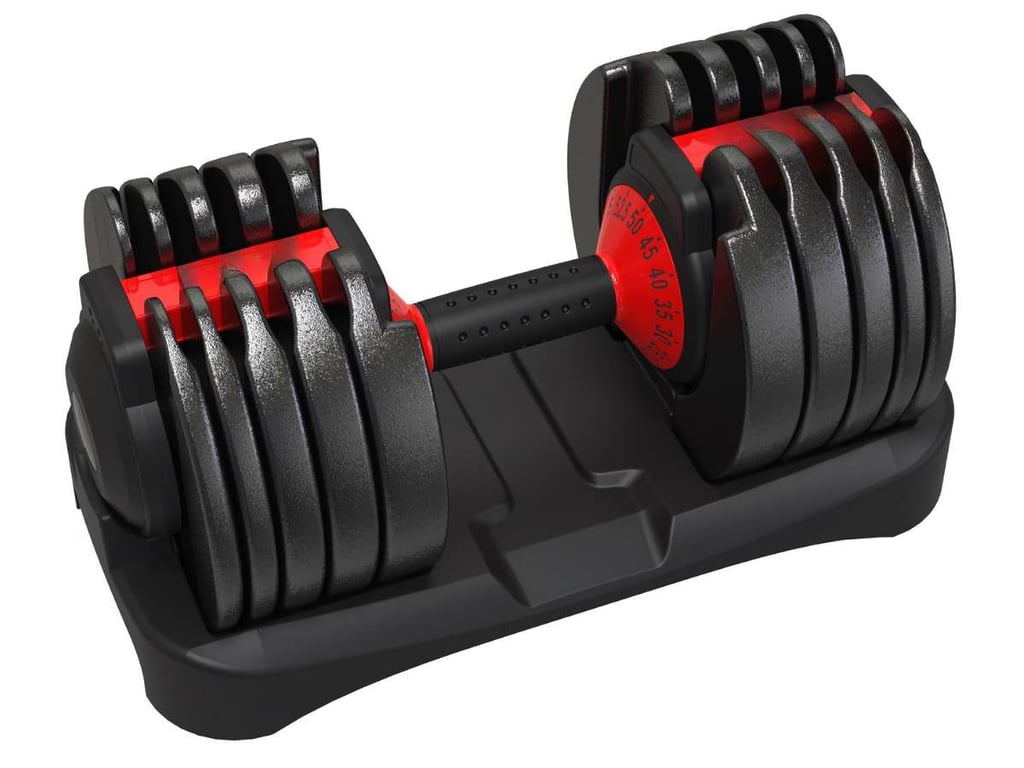
In a personal training studio, space efficiency and smart investment decisions matter just as much as training quality. Adjustable dumbbells solve both challenges by offering flexibility without overcrowding your floor. Instead of lining the walls with fixed-weight racks, studios can rely on a compact solution that supports a wide range of client abilities.
Working with professional trainers and studio owners worldwide, adjustable dumbbells are often one of the first upgrades made when optimizing limited space while maintaining commercial-level performance.
Key Features
- Compact Design: One adjustable set can replace an entire rack of traditional dumbbells. This helps studios stay organized and leaves more room for movement-based training, stretching zones, or functional equipment.
- Quick Adjustment System: Fast weight changes allow trainers to move seamlessly between exercises. This is especially important in personal training sessions where time efficiency keeps clients engaged and workouts flowing.
- Wide Weight Range: Adjustable dumbbells easily accommodate beginners, intermediate users, and advanced clients. This versatility makes them suitable for both one-on-one coaching and small-group sessions.
- Durable, Commercial-Grade Construction: In professional environments, equipment is used repeatedly throughout the day. Commercial adjustable dumbbells are built with reinforced steel components and secure locking systems to withstand constant use.
Why Adjustable Dumbbells Work for Personal Training Studios
- Maximized Floor Space: Smaller studios benefit from equipment that delivers functionality without dominating the room. Adjustable dumbbells allow you to expand training options while keeping the space open and flexible.
- Cost-Efficient Investment: Rather than purchasing multiple fixed-weight sets, adjustable dumbbells consolidate your investment into one solution that performs multiple roles—ideal for studios balancing budget and quality.
- Trainer-Friendly Design: Quick transitions mean trainers can maintain workout intensity and momentum, improving both session efficiency and client satisfaction.
Things to Consider Before Choosing
- Locking System Reliability: Poorly designed adjustment mechanisms may loosen over time, affecting safety and training flow. For commercial studios, secure and tested locking systems are essential.
- Grip Comfort and Ergonomics: Handles should support frequent use, sweat exposure, and varying hand sizes. Ergonomic grips reduce fatigue and help clients maintain proper form during longer sessions.
Final Thoughts
Adjustable dumbbells are a practical foundation for any personal training studio looking to balance space, cost, and professional performance. When designed for commercial use, they deliver long-term value and adaptability for evolving training programs.
At YR Fitness, we design and manufacture commercial gym equipment with professional movement angles, high durability, and real-world training environments in mind. As a manufacturer exporting to over 100 countries, we help studio owners source strength equipment, cardio machines, and accessories through a true one-stop solution—without the cost burden of international premium brands.
Looking to equip or upgrade your personal training studio? Contact YR Fitness today to get expert guidance and commercial-grade equipment built to support your studio’s long-term growth.
2. Resistance Bands
Resistance bands may look simple, but they bring real value to a personal training studio. They allow your trainers to work on strength, mobility, and rehab without adding bulky machines. For you, that means lower costs, less space used, and more training options to offer your clients.
Key Features
- Versatile Training Options: Your trainers can use them for strength work, mobility drills, or rehab sessions. That saves you from buying separate tools for each purpose.
- Different Resistance Levels: With light, medium, and heavy bands, you cover a wide range of client abilities. You won’t need separate gear for beginners and advanced members.
- Portable and Lightweight: Bands can be carried anywhere in your studio or even outside. This gives your trainers freedom to adapt sessions wherever needed.
- Low Impact on Joints: They create tension without heavy loading. That helps you serve clients who need gentler training, like seniors or those recovering from injuries.
Why It Works for Personal Training Studios
- Adds Variety: Bands help your trainers keep workouts fresh. Clients stay engaged when you mix bands with weights or bodyweight moves.
- Budget Friendly: Stocking bands doesn’t strain your budget. You can supply multiple trainers and clients without a large upfront spend.
- Client-Friendly: Many clients feel less intimidated starting with bands than jumping straight into heavy equipment. That helps your trainers build trust faster.
Things to Consider
- Durability: Cheap bands wear out or snap quickly. As a studio owner, you’ll want to buy commercial-grade options that can handle constant use.
- Hygiene: Bands absorb sweat and stretch over time. Plan for regular cleaning and replacements as part of your maintenance schedule.
Final Thoughts
For a low cost, resistance bands give your studio flexibility and variety. They’re easy for trainers to use, practical for clients, and help you maximize every square foot of your space.

3. Kettlebells
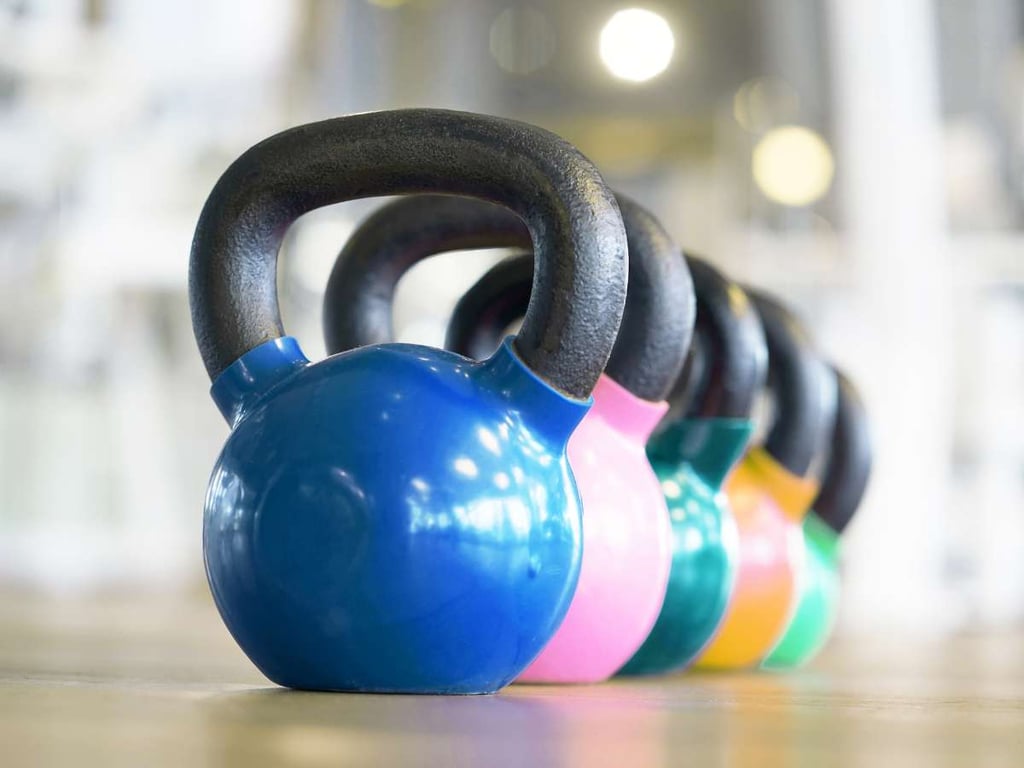
Kettlebells are a staple in personal training studios because they combine strength, cardio, and functional movement in one compact tool. For studio owners, that means delivering highly effective training without filling the floor with bulky machines. From our work with professional trainers across different markets, kettlebells consistently prove to be one of the most versatile and space-efficient investments.
Key Features
- Dynamic Training Tool: Kettlebells support swings, cleans, presses, carries, and squats, allowing trainers to build programs that improve strength, endurance, and coordination in a single session.
- Grip and Core Engagement: The off-center weight design naturally activates stabilizing muscles. This helps clients develop grip strength and core control, 2 foundations of long-term fitness progress.
- Commercial-Grade Cast Construction: Built from solid steel or cast iron, quality kettlebells are designed to withstand repeated drops and high-frequency use, making them suitable for busy personal training studios.
- Full Weight Range Availability: From lighter options for beginners to heavy kettlebells for advanced athletes, a complete set allows studios to serve diverse client needs without expanding their footprint.
Why Kettlebells Work for Personal Training Studios
- Functional, Real-World Movement: Kettlebell exercises closely reflect natural movement patterns. This allows trainers to deliver results that clients feel not only in workouts, but in everyday activities.
- High-Impact Training in Limited Space: A kettlebell-focused session can replace multiple machines, enabling full-body workouts even in compact studio environments.
- Strong Trainer Appeal: Many experienced coaches prefer kettlebells for creative, results-driven programming. Equipping your studio with them supports trainer satisfaction and retention.
Things to Consider
- Technique and Coaching Skill: Kettlebell training requires proper instruction, especially for beginners. Trainers should focus on form and controlled progression before increasing load.
- Floor Protection: Repeated drops can damage flooring over time. Using rubber mats or reinforced training zones helps protect your studio and extend equipment lifespan.
Final Thoughts
Kettlebells may take up little space, but they deliver significant training value. When designed for commercial use, they become a long-term asset that supports varied programming, trainer creativity, and client results.
At YR Fitness, we manufacture commercial-quality kettlebells as part of our complete gym equipment lineup, alongside strength machines, cardio equipment, and functional accessories. Our products are self-designed with professional movement standards, strict quality control, and durability suitable for high-traffic studios.
If you’re ready to upgrade your studio with commercial-grade kettlebells. Contact YR Fitness today and let our team help you equip your space with durable, trainer-approved solutions built for long-term success.
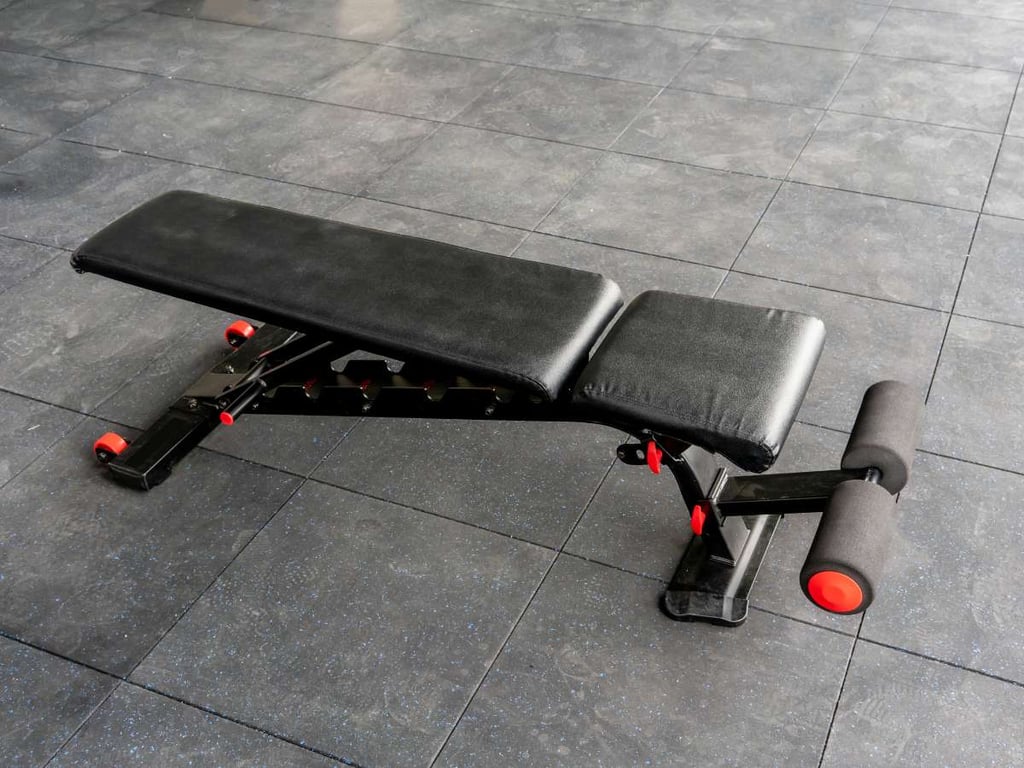
4. Adjustable / Flat Bench
Every personal training studio needs a strong foundation, and the bench fills that role. It might not draw attention like bigger machines, but your trainers will use it daily for a wide range of exercises. For your business, it’s a reliable piece that supports client progress and keeps sessions moving smoothly.
Key Features
- Multi-Angle Adjustability: An incline or decline setting lets trainers expand workout options. This makes a single bench serve multiple training purposes without extra equipment.
- Heavy-Duty Frame: Commercial benches with solid steel construction can handle repeated use under heavy loads. This strength gives you confidence the equipment won’t fail during client sessions.
- Stable Footprint: A bench that stays firm under pressure keeps both trainers and clients safe. Stability also helps build trust in the equipment, which matters in a studio setting.
- Compact Storage Design: Features like transport wheels or fold-up frames make moving and storing benches easier. That flexibility is valuable when you need to rearrange your space quickly.
Why It Works for Personal Training Studios
- Foundation for Free Weights: Nearly every strength move, presses, rows, step-ups benefits from a solid bench. Without it, your trainers lose versatility in programming.
- Supports Client Progression: Adjustable benches let trainers increase intensity by changing angles instead of always adding more weight. This helps clients progress at a safer pace.
- Maximizes Trainer Efficiency: Trainers can transition from chest presses to bodyweight drills in seconds. That efficiency helps you get more out of each session.
Things to Consider
- Weight Capacity: Not every bench is made for the demands of a studio, and weaker frames can bend under heavy use. Choose benches with higher load ratings that can safely handle daily client sessions.
- Padding Quality: Low-quality padding quickly flattens and creates discomfort for clients during training. Investing in high-density foam ensures long-lasting support and a professional feel.
Final Thoughts
A bench may seem basic, but it’s one of the most valuable investments for your studio. It supports safe, flexible training and allows your trainers to do more with less space.
5. Ellipticals
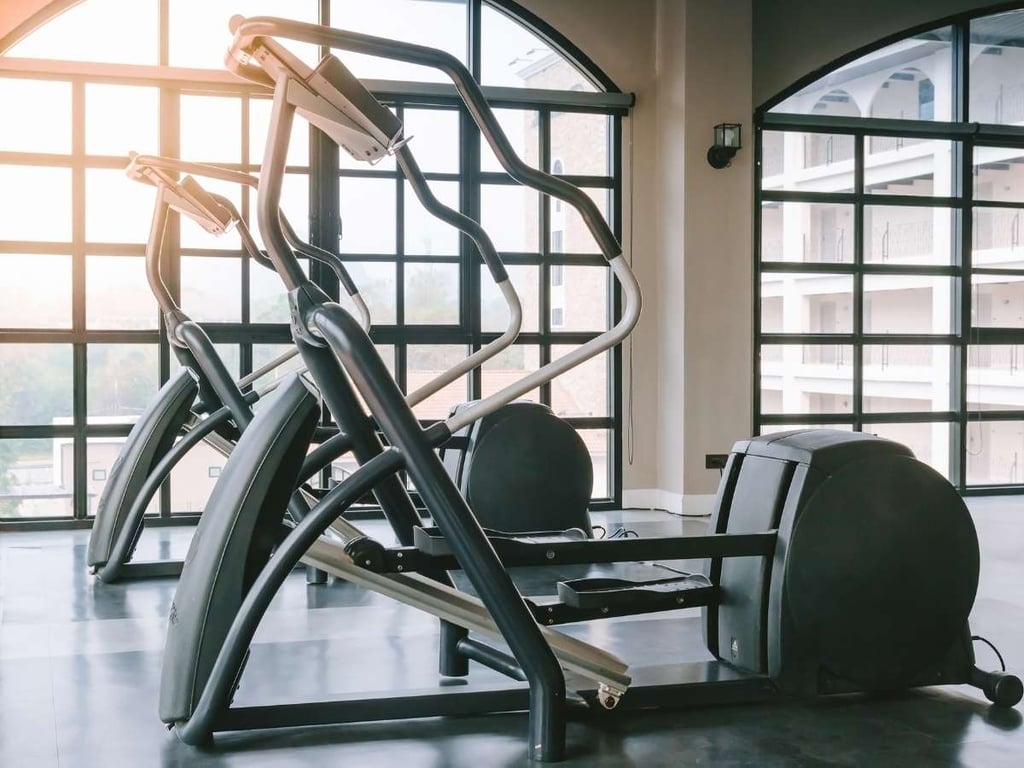
Ellipticals give your studio a cardio option that works for a wide range of clients. Unlike treadmills, they reduce joint stress while still delivering a strong cardiovascular workout. That means a machine that appeals to both everyday clients and those who need lower-impact training.
Key Features
- Smooth Stride Motion: The design mimics natural walking or running without pounding the joints. This lets your trainers serve clients who want cardio without pain.
- Resistance and Incline Controls: Trainers can adjust both to create challenging sessions. That variety helps your studio meet the needs of clients at different fitness levels.
- Digital Tracking: Many models track heart rate, calories, and distance. These features help your trainers measure progress and keep clients motivated.
- Durable Drive System: A strong flywheel and sealed bearings keep the stride consistent. This reliability matters when your machines run every day in a commercial setting.
Why It Works for Personal Training Studios
- Appeals to a Broad Audience: From beginners to seasoned athletes, ellipticals are accessible. That gives your trainers a tool they can use with almost any client.
- Supports Long Sessions: Clients can work at a steady pace for extended periods. This makes ellipticals useful for fat-burning and endurance training programs.
- Complements Strength Equipment: Cardio machines round out your studio’s offerings. With ellipticals, you show clients that you cover more than just weights.
Things to Consider
- Footprint Size: Ellipticals require more space than compact tools, which can limit floor availability if not planned correctly. Measure your layout carefully to keep training areas open and functional.
- Maintenance Needs: These machines rely on moving parts like belts and electronics that wear down over time. Set aside a budget for maintenance servicing to keep them running smoothly in a busy studio.
Final Thoughts
Adding ellipticals gives your studio a reliable cardio option that clients actually use. They balance accessibility with performance, making them a smart addition alongside your strength equipment.
6. Chin-Up Bar
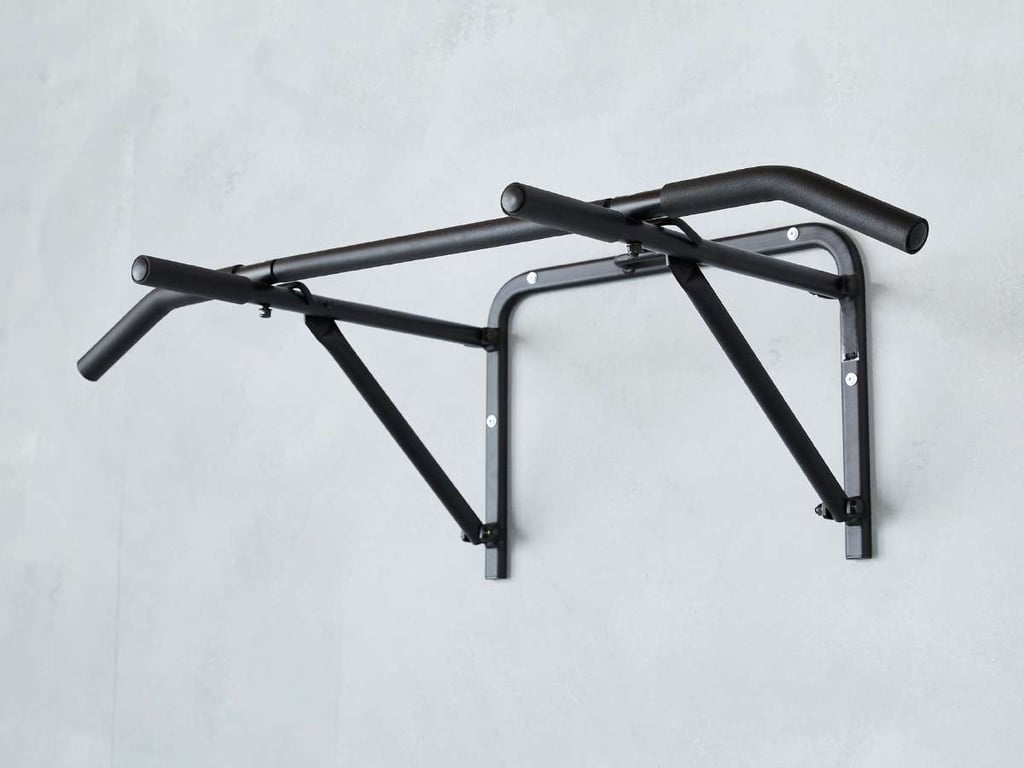
A chin-up bar is one of the simplest but most effective additions you can make to a personal training studio. Why? Because it takes little space, yet it gives your trainers a reliable tool for building upper-body and core strength. For your business, it’s a low-cost investment that delivers high training value.
Key Features
- Multiple Grip Options: Commercial bars often include neutral, wide, and close grips. This lets your trainers adjust exercises for different muscle targets.
- Wall or Ceiling Mounts: Depending on your studio layout, bars can be installed securely in different positions. That flexibility helps you make the best use of your space.
- Heavy Load Capacity: A proper chin-up bar should support significant weight. This ensures it’s safe for assisted pulls, weighted vests, or resistance band add-ons.
- Minimal Footprint: The bar takes up little room compared to other strength tools. That makes it ideal for studios looking to maximize usable space.
Why It Works for Personal Training Studios
- Proven Strength Builder: Pulling movements are essential for balanced strength programs. A chin-up bar gives your trainers an efficient way to cover that need.
- Adaptable for All Clients: With bands or assistance, even beginners can use it. This makes the bar useful across different client levels.
- Low Cost, High Value: Compared to larger machines, a chin-up bar is inexpensive. That gives you strong return on investment without a large spend.
Things to Consider
- Installation Requirements: A chin-up bar that isn’t install properly can become a major safety hazard during training. Always use professional installation to protect both your trainers and clients.
- Ceiling Height: Bars require enough vertical space for clients to perform movements safely. Take accurate measurements before purchasing so you don’t run into clearance issues.
Final Thoughts
A chin-up bar may look simple, but it offers real strength-building power for your studio. With minimal cost and space, it adds variety and function that your trainers will use daily.
7. Squat Rack
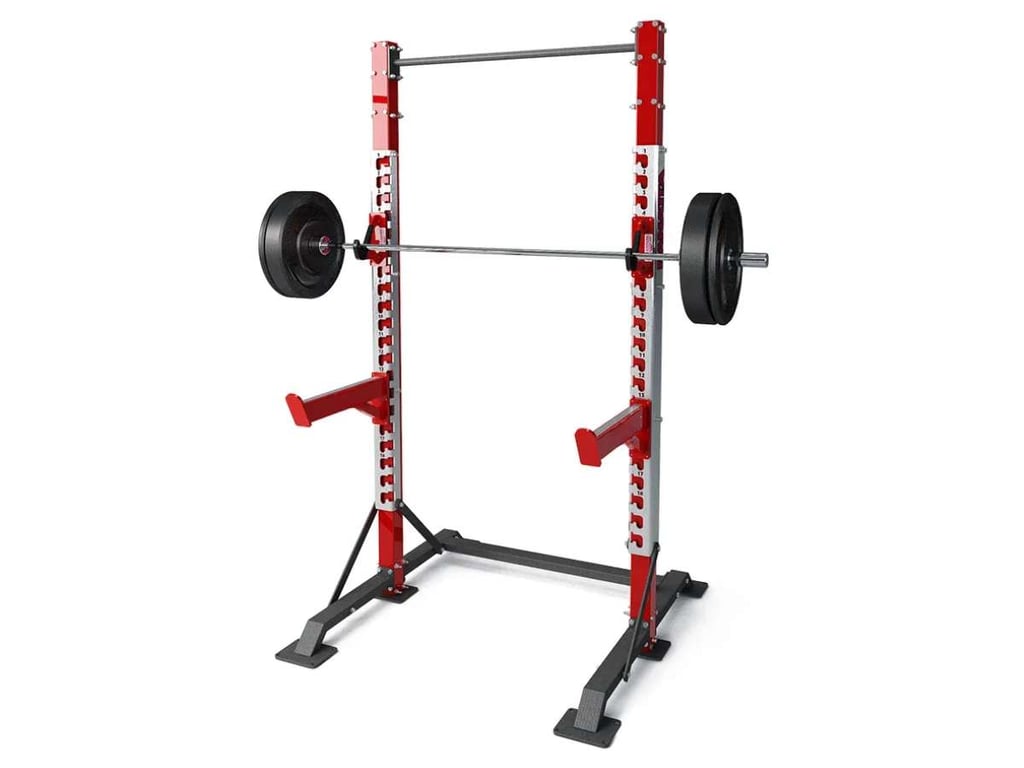
A squat rack is the foundation of serious strength training in any personal training studio. It allows trainers to coach essential compound lifts with safety, consistency, and progression built in. From our perspective as a commercial gym equipment manufacturer, a well-designed squat rack doesn’t just support training—it defines the professionalism of your space.
Key Features
- Safety Spotter Arms: Adjustable safety arms protect clients when pushing heavier loads. This allows trainers to confidently program squats, presses, and pulls while maintaining a safe training environment.
- Integrated Bar and Plate Storage: Built-in storage keeps weights organized and the floor clear. This improves studio flow and helps trainers transition smoothly between exercises.
- Expandable Attachments: Modern squat racks support add-ons like landmines, dip handles, and pull-up bars. These attachments expand training variety without increasing your equipment footprint.
- Heavy-Duty Commercial Steel Frame: A rack built for professional use must handle repeated heavy loading. Reinforced steel construction ensures long-term stability and protects your investment.
Why Squat Racks Work for Personal Training Studios
- Essential Strength Development: Squat racks enable the core lifts that drive measurable strength gains. Clients progress faster when foundational movements are programmed correctly and consistently.
- Flexible for Multiple Training Formats: Whether coaching one-on-one sessions or small group training, squat racks allow you to serve more clients without overcrowding your studio.
- Strong Professional Impression: A solid, well-designed rack signals quality and seriousness. Clients immediately recognize they’re training in a professional environment built for results.
Things to Consider
- Floor Anchoring and Stability: Some squat racks require bolting to the floor for maximum safety. Proper installation is essential to prevent movement under heavy loads.
- Smart Space Planning: Adequate clearance is needed for bar movement, plate loading, and safe lifting. Thoughtful layout planning ensures racks enhance, rather than limit, studio workflow.
Final Thoughts
A squat rack is more than just equipment—it’s the centerpiece of a high-performing personal training studio. It empowers trainers to deliver real strength results and reinforces your studio’s commitment to quality training.
At YR Fitness, we manufacture commercial squat racks designed for daily, high-intensity use. Our racks are self-designed with professional movement standards and compatibility with a wide range of attachments. As part of our one-stop supply of strength equipment, cardio machines, and accessories, we help studio owners build complete training spaces that balance durability, performance, and cost efficiency.
Planning to equip or upgrade your studio with commercial-grade squat racks? Contact YR Fitness today to get expert support and equipment built to grow with your business.
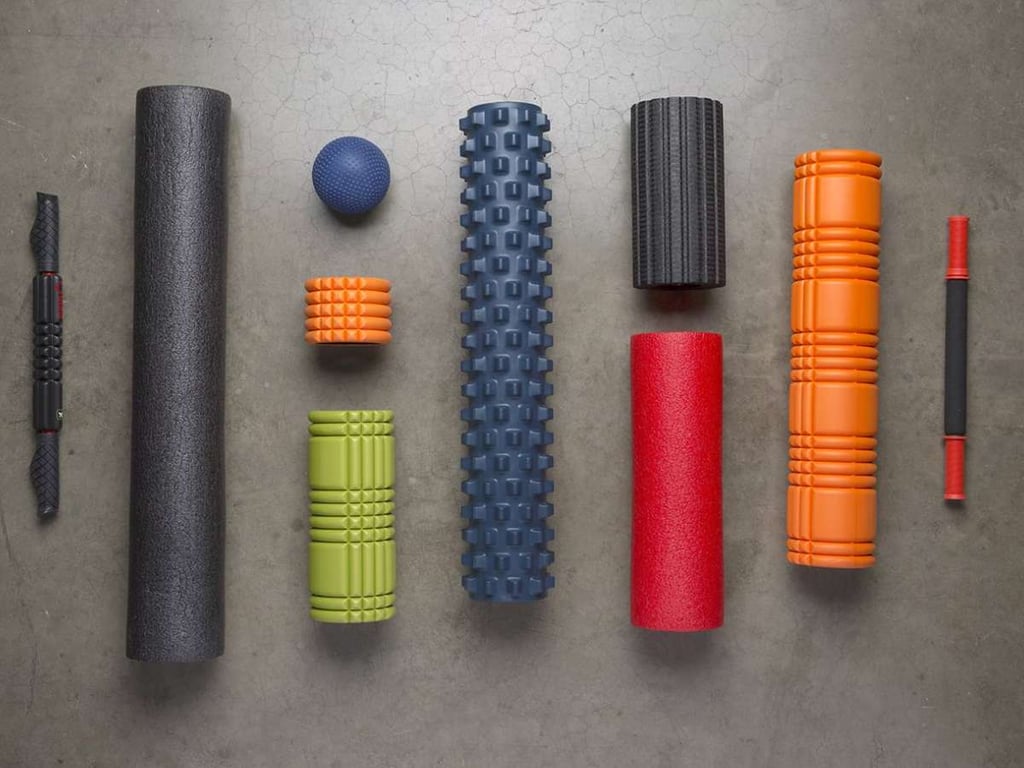
8. Foam Rollers
Foam rollers may not grab attention like heavy machines, but they play a vital role in training studios. They help clients recover faster, improve mobility, and stay consistent with their sessions. We know recovery tools like these keep trainers delivering results and clients coming back for more.
Key Features
- Different Density Options: Soft rollers are useful for beginners, while firm ones handle advanced recovery work. Stocking a mix allows your trainers to meet the needs of all client types.
- Textured Surfaces: Some rollers come with grids or ridges to dig deeper into muscle tissue. This gives your trainers another option for clients who want more than basic rolling.
- Lightweight and Portable: Rollers are easy to move between training zones or group sessions. This flexibility helps your trainers add them seamlessly into warm-ups or recovery.
- Durable Materials: Commercial-quality rollers won’t flatten out after weeks of use. That saves you from replacing them often and keeps clients satisfied with the feel.
Why It Works for Personal Training Studios
- Improves Recovery: Clients who recover faster show up more often and train harder. Foam rollers give your trainers a simple way to support that progress.
- Enhances Mobility: Rolling increases range of motion in a short time. That helps trainers prepare clients for heavy lifts without extra equipment.
- Adds Professional Touch: Studios that provide recovery tools show attention to client well-being. This builds trust in your services and sets you apart from lower-quality setups.
Things to Consider
- Size Variety: Longer rollers are better for large muscle groups, while shorter ones work well in tight spaces. Offering both gives your trainers flexibility in programming.
- Cleaning Needs: Rollers pick up sweat and bacteria quickly. You’ll need a cleaning schedule to keep them safe and professional for daily use.
Final Thoughts
Foam rollers are affordable, practical, and valued by clients. Adding them to your studio shows you care about results beyond the workout itself.
9. Medicine Ball
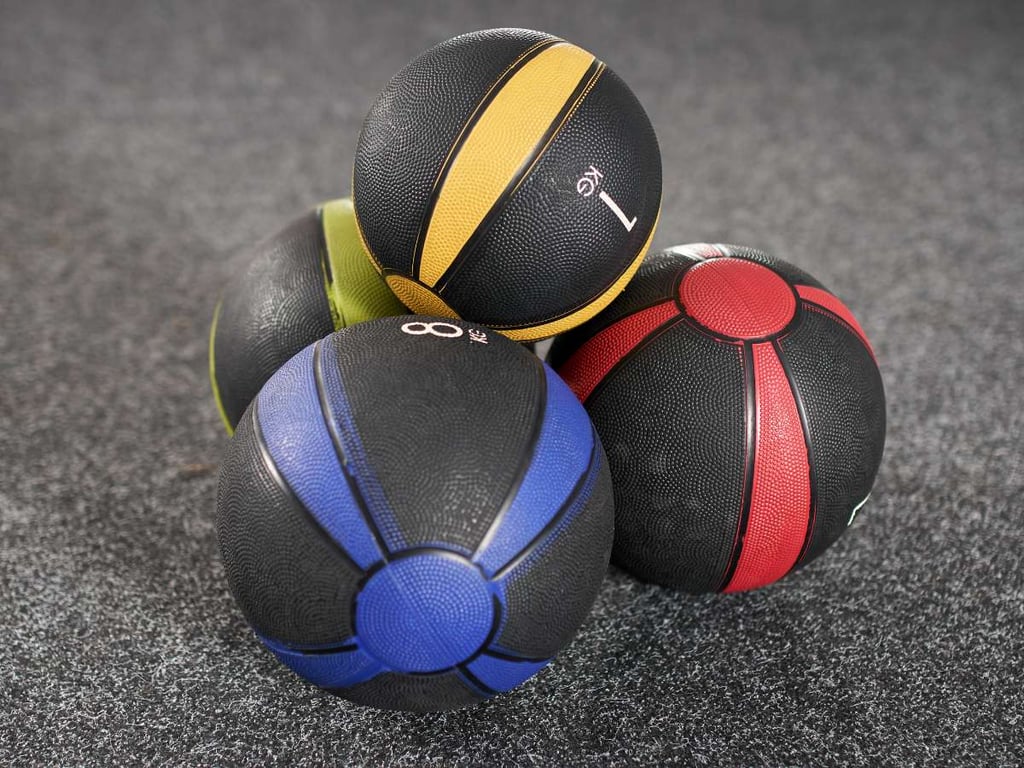
For the last but definitely not the least is the medicine balls. It brings energy and versatility to your studio training. They allow your trainers to program explosive, full-body movements that other equipment can’t match. For your business, they’re an affordable way to expand workout variety and keep clients engaged.
Key Features
- Wide Weight Range: Medicine balls come in light options for speed drills and heavier versions for power training. This lets your trainers adapt them to clients with different goals.
- Different Styles Available: From slam balls to wall balls, each type serves a purpose. Having a mix allows your trainers to design sessions that go beyond standard lifts.
- Compact and Easy to Store: Medicine balls don’t take up much space compared to machines. Your studio can keep several on hand without losing valuable floor area.
- Durable Shell Construction: Commercial-grade coverings resist tearing and splitting. This ensures your trainers can use them daily without worrying about wear.
Why It Works for Personal Training Studios
- Encourages Explosive Training: Medicine balls let trainers build power with throws, slams, and rotational moves. That gives your clients a type of training machines can’t replicate.
- Engages Small Groups: Trainers can use balls in partner drills or circuits. This makes them especially useful for boosting interaction in semi-private sessions.
- Adds Fun to Workouts: Clients often enjoy the dynamic feel of medicine ball training. That energy keeps sessions fresh and helps with long-term retention.
Things to Consider
- Floor Surface Impact: Slamming balls on hard floors can cause damage. Providing mats or designated areas keeps your studio protected.
- Ball Type Selection: Not every ball is built for every exercise. Choose slam balls for repeated impact and wall balls for endurance and coordination drills.
Final Thoughts
Medicine balls are simple, durable, and highly versatile. Adding them gives your trainers more ways to challenge clients and helps your studio stand out with creative programming.
3 Factors To Consider When Choosing The Best Gym Equipment for Personal Training Studios
Choosing equipment for a personal training studio isn’t just about filling space. The decisions you make directly affect how trainers work, how clients feel, and how well your business runs. Here are the key factors to keep in mind before making your next purchase:
- Space and Layout: Your studio size limits what you can realistically fit, so bulky equipment that blocks movement will slow down training sessions. Plan with flow in mind, making sure clients and trainers can move smoothly between zones without bumping into equipment.
- Durability and Quality Standards: Studio equipment faces constant daily use, so cheap materials will break down quickly and create unnecessary downtime. Choose commercial-grade builds with certifications like CE, TÜV, or ISO to guarantee safety, reliability, and long-term value.
- Supplier Support: Work with suppliers that deliver spare parts, responsive service, and solid warranty coverage to keep your studio running smoothly. At YR Fitness, we back our equipment with lifetime frame warranties and a guaranteed spare parts supply. Our global clients trust us because we provide 24-hour customer support and fast, reliable solutions whenever issues arise.
Conclusion
Every piece of equipment you select tells a story about your studio. Adjustable benches, squat racks, and foam rollers all come together to build trust and value.
The nine tools we shared aren’t just items to buy. They’re investments in client results and trainer efficiency. Think of this list as a roadmap to avoid costly mistakes and maximize your space.
We began with the problem many owners face: uncertainty. Now, you have clear answers.
YR Fitness is here to help you make confident, long-term equipment choices. Contact us today!
Related articles: