




Barbell Manufacturer in China
Built by athletes, for athletes.
Built tough to handle every strength training.
Built with precise movement angles since 1997.
Products We Have for You
Showing 10–18 of 25 results
-

Women’s Barbell
$5.00YR Fitness OB25 Women’s Barbell is built for serious strength training. With smooth rotation, strong chrome finis
-
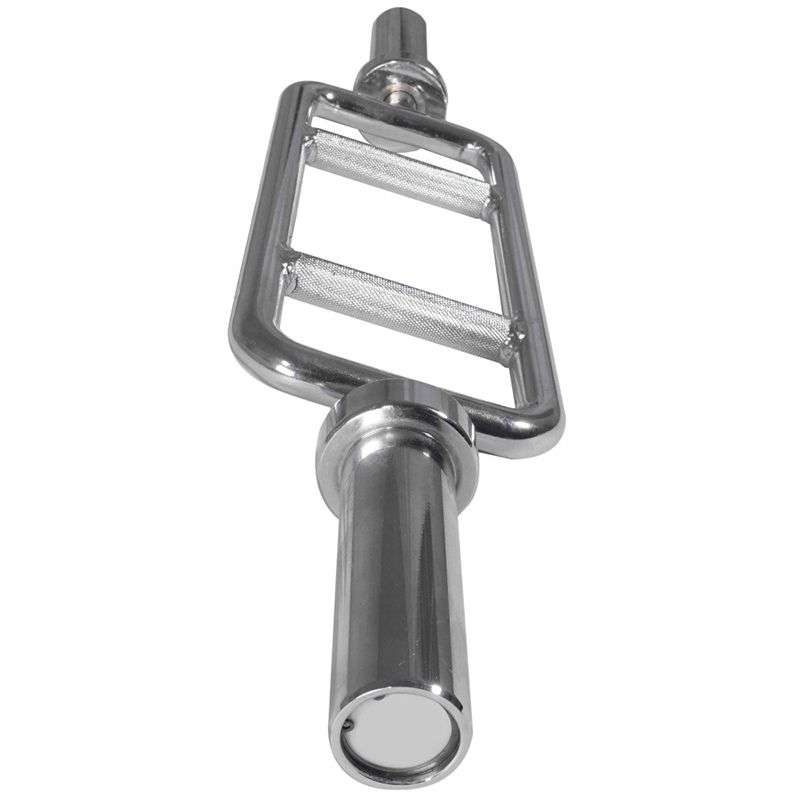
Triceps Weight Bar
$5.00YR Fitness TB01 Triceps Weight Bar is perfect for targeting your triceps and upper body. With multiple grip options
-

Hex 72
$5.00YR Fitness HEX 72 Trap Bar is built for safe and powerful lifting. With a longer frame, smooth spin, and strong gri
-

Hex 56
$5.00YR Fitness HEX 56 Trap Bar is built for safe, heavy lifting. Its strong frame and balanced design reduce back strai
-
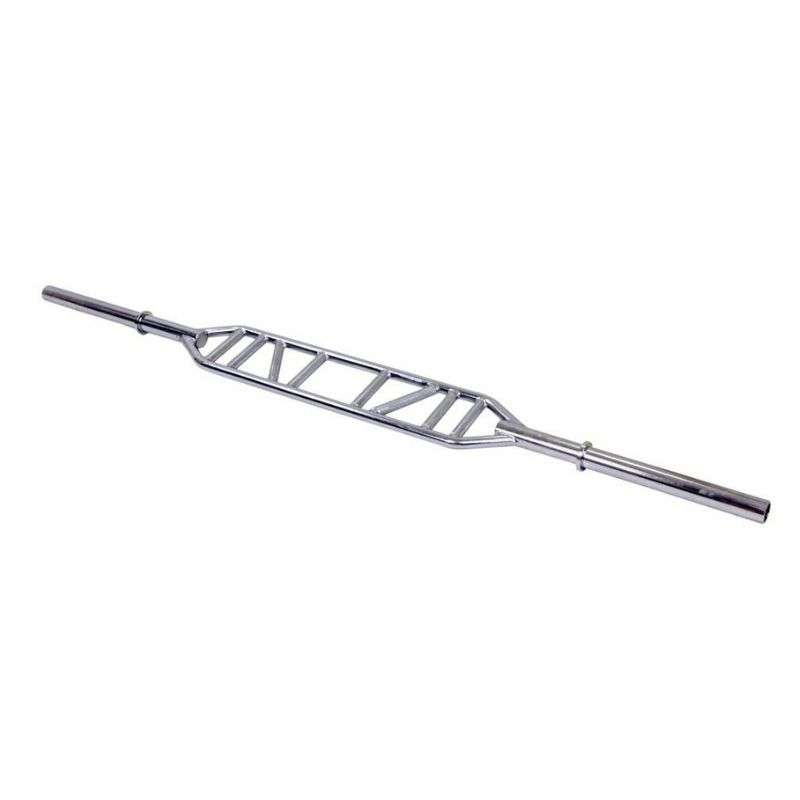
Olympic Swiss Bar
$5.00YR Fitness OSB01 Olympic Swiss Bar adds variety to your workouts with multiple grip options, helping you target dif
-

Safety Squat Bar
$5.00YR Fitness SSB02 Safety Squat Bar is designed for safer, more comfortable squats. With a 35° handle angle and smoo
-

Safety Squat Bar
$5.00YR Fitness SSB01 Safety Squat Bar is made for stable, comfortable squatting. With a 90° handle angle and smooth-sp
-

Deadlift Bar
$5.00YR Fitness OB27PRO Deadlift Bar is built for serious pulling power. Its thinner shaft, extra length, and strong whi
-

Squat Bar
$5.00YR Fitness OB32PRO Squat Bar is built for heavy lifting with maximum control. Its thick shaft, aggressive knurling,
Certified by Global Standards
Backed by CE, TÜV, and ISO certifications so you can buy with full confidence in safety and performance.

DESIGNED By ATHLETES,
FOR ATHLETES
At YR Fitness, Design Transcends Aesthetics.
It’s About Functionality.
Simple, But Significant.


Only True Feedback Counts
Quality Standard of YR Fitness
That’s why we are confident to compete with big brand quality, but at 1/5 price.
Built with Strength: 3.0mm Solid Steel Pipes
We use thick 3.0mm+ Q235 steel pipes for every part of the machine — whether it’s the frame or the training area, no matter the size. With added reinforcement bends, our machines stay strong and steady. No shaking, just solid power.

This is How We Make Your Gym Equipment
Over 20 years, YR Fitness has put $8M into tech—just to bring you better machines.
100% Original Design Since 1997
Because Great Design Makes Great Machines.
Pulley Output Ratio
Leveraging the power of physics, we’ve tailored our pulley output ratio for optimal training. Take our butterfly machines: a 2:1 ratio means a 70kg weight selection delivers a 35kg training load. This higher ratio enhances your workout and saves on weight plate costs.

Compare Our Key Series
73 Series
Heavy-Duty Frame
Pro-Level Movement
High-End Line
61A Series
Durable
Affordable
Best-Selling
C4 Series
Modern Look
Upgraded Fusion
More Features
Quick Comparison At A Glance
Feature | 73 Tough Series | 61A Racing Series | C4 Revival Series |
|---|---|---|---|
Launch Year | 2008 | 2016 | 2025 |
Design Focus | High-end performance and biomechanics | Space-saving, budget-friendly, market-driven | Combines 61A’s simplicity with 73’s advanced features |
Frame Tubing | 75×130×3.0 mm (main) + 58×101×3.0 mm (functional) | 75×118×3.0 mm (main) + 50×120 / 40×80 / 50×100 mm | 150×50×3.0 mm (main) + 50×120 / 40×80 / 50×100 mm |
Aesthetic Design | Parabolic, bold, aluminum accents | Compact and practical | Stylish, modern, fits younger gym aesthetics |
Durability Level | Heavy-duty, custom-engineered components | Very durable, many still running after 20+ years | Same durability level with upgraded styling and adjustability |
Movement Types | Independent converging/diverging paths | Standard movement paths | Includes both standard and independent paths (split models) |
Adjustability | Basic adjustability | Standard user adjustability | Advanced: rotating handles, adjustable pads, backrests, etc. |
Innovation Level | First of its kind globally in 2008 | Refined through years of customer feedback | Integrated innovation from both series + unique new machines |
Series Size | 62 models | 62 models | 74 models (still expanding) |
Target Buyer | High-end gyms, serious training centers | Budget-conscious gyms, franchise chains | Gyms that want both performance and style |
Pricing | Premium | Most affordable | Mid-range, with excellent feature-to-price ratio |
Production Method | Partially handmade due to complex design | Fully industrialized | Industrial production with some specialty detailing |
After-Sales Service | Lifetime support | Lifetime support | Lifetime support |
Let’s Talk

Blake Fisher
Gym Owner from Malaysia
Our members love using this. Super strong with top engineering. Great quality at an affordable price. Smooth to operate, can handle big weights and hits the target muscle. We are very satisfied for these gym machines! We plan on opening another gym once the virus is over.

Jay Dang
Gym Owner from Australia
Commercial quality. Well made. I feel it is just as good as the other top brand benches we have at our club eg Technogym, Matrix etc, but is so much more affordable. All of my order arrived on time and the sales manager was awesome to communicate with. Highly recommend!!!

Steve
Gym Owner from USA
The Quality is very nice, I really like them. All my clients are happy with my new equipment. I will work hard to promote them in Poland.

Allan
Distributor from Poland
Commercial Barbell – Definitive FAQ Guide
1. What is the structure of commercial barbells?
A commercial barbell has a solid steel shaft, rotating sleeves, and grip areas for safe lifting.
Commercial barbells are built to handle heavy use in gyms. The shaft is made from high-quality steel for strength and durability. The sleeves on each end rotate smoothly, allowing weight plates to move freely during lifts.
YR Fitness barbells are designed with solid steel construction and tested for long-term performance in busy commercial gyms. Visit our to explore our commercial-grade barbell options.
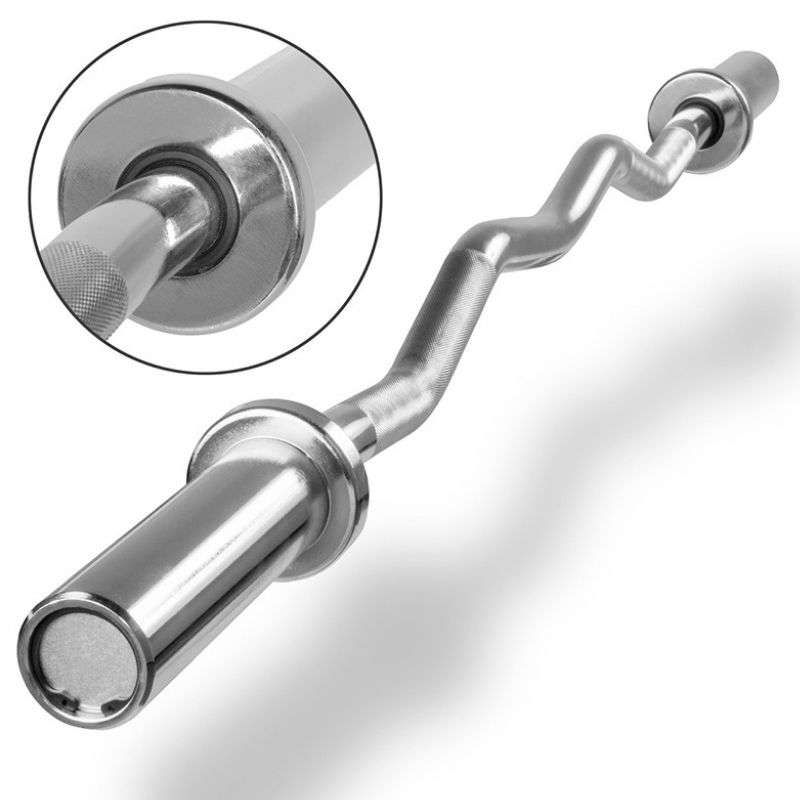
3. What is the difference between a curl bar and a straight barbell?
A curl bar has angled grips, while a straight bar is completely flat.
Curl bars are designed to reduce wrist strain during exercises like bicep curls and tricep extensions. The angled handles help lifters maintain a natural grip. Straight bars are better for compound lifts like squats, presses, and deadlifts.
YR Fitness provides both curl and straight barbells with commercial-grade steel and precision knurling for better comfort and control during workouts.
5. How can I tell if a barbell is suitable for Olympic or powerlifting use?
Check the bar’s spin system, diameter, and tensile strength.
Olympic bars usually have bearings for smooth sleeve rotation and a thinner shaft (around 28 mm). Powerlifting bars have bushings for controlled movement and a thicker shaft (around 29 mm) for stiffness. Both should meet high tensile strength standards (180,000 PSI or more).
YR Fitness barbells are manufactured under ISO20957 standards and designed for both Olympic and powerlifting performance. You can consult our team to choose the right model for your gym’s needs.
7. What is the size of commercial barbells?
Most commercial barbells are between 2 to 2.2 meters long.
The exact size depends on the bar type and purpose. Olympic barbells are around 2.2 meters long, while women’s or training bars may be shorter. The shaft diameter also varies between 25 mm to 29 mm. A well-sized bar ensures comfort, stability, and compatibility with commercial gym racks and plates.
YR Fitness designs barbells with standard commercial dimensions for universal use. Our barbells fit easily with commercial benches, racks, and platforms, making them a perfect choice for gyms that prioritize quality and efficiency.
9. What is the maximum load of barbells?
Commercial barbells can usually handle 600 to 1,500 pounds, depending on build quality.
Load capacity depends on the bar’s tensile strength and material. Bars with higher tensile strength (above 180,000 PSI) can hold heavier weights without bending. This is important for gyms that serve advanced or powerlifting clients.
YR Fitness uses high-tensile steel and advanced welding processes to create barbells that perform under extreme loads. Our bars are tested for safety and long-term durability, ensuring they remain stable even after years of heavy commercial use.
11. What materials are used to make commercial barbells?
Commercial barbells are made of high-strength steel for durability and safety.
The main shaft is built from solid steel, chosen for its ability to handle heavy loads without bending or cracking. The sleeves are often reinforced steel tubes that rotate smoothly during lifts. High-quality steel also helps the bar stay straight after long-term use.
YR Fitness uses premium-grade steel tested for heavy commercial performance. Every barbell is made to meet ISO20957 standards, ensuring stability, consistency, and long service life in professional gym environments. Learn more about our material standards on our website.
13. What does tensile strength mean for a barbell?
Tensile strength measures how much weight a bar can handle before bending or breaking.
It is usually measured in PSI (pounds per square inch). A higher number means a stronger bar. Most commercial-grade barbells have tensile strengths of 180,000 PSI or higher, making them safe for heavy lifts. Lower-quality bars with less strength may bend or lose shape over time.
At YR Fitness, all our barbells are made from high-tensile steel to handle extreme training loads. This strength helps gym owners provide durable, safe equipment that performs under pressure—ideal for both beginners and serious athletes.
15. Are commercial barbells rust resistant?
Yes, most commercial barbells have protective coatings that resist rust.
However, no coating is completely rust-proof. Proper maintenance—like wiping the bar after use and avoiding moisture exposure—extends its lifespan. Stainless steel and zinc finishes offer the best protection for busy gyms.
YR Fitness barbells use anti-corrosion coatings that perform well even in humid environments. With basic cleaning and storage care, our bars stay in top condition for years, helping gym owners maintain professional-quality equipment without frequent replacements.
17. What is the difference between bushings and bearings in a commercial barbell?
Bushings offer controlled spin, while bearings provide faster rotation.
Bushings are metal rings that create a moderate, consistent spin—ideal for powerlifting and general strength training. Bearings, often made of small steel balls or needles, give a quicker spin suited for Olympic lifts where bar rotation is key.
YR Fitness produces barbells using both systems. Our bushing barbells deliver a stable feel for heavy lifts, while bearing barbells are designed for smooth, fast spins during Olympic-style training. Gym owners can choose based on their training focus and member needs.
19. Is whip important to a barbell?
Yes, whip is the bar’s natural flex, and it affects lifting performance.
A bar with more whip bends slightly under heavy weight, helping lifters in explosive lifts like clean and jerk or snatch. A stiffer bar has less whip and offers more control for slow, heavy lifts such as squats or deadlifts.
YR Fitness engineers its barbells with balanced flexibility—strong enough for stability yet responsive enough for performance lifts. This ensures smooth training for different lifting styles, whether it’s strength training or Olympic lifting.
21. How do I maintain and clean barbells in my gym?
Wipe barbells after every use and clean them regularly to prevent rust and wear.
Daily cleaning removes sweat, chalk, and dust that can damage steel and knurling. Use a dry cloth after each session, and a soft brush to remove chalk from the grip. Once a week, apply a light coat of oil to the shaft and sleeves to protect the surface.
YR Fitness recommends simple but consistent barbell care to extend the lifespan of commercial equipment. Our barbells are made with protective coatings and high-grade steel, but proper cleaning ensures long-term performance and safety in your gym. Visit yanrefitness.com for more product care tips.
23. What safety features should I look for in commercial barbells?
A safe commercial barbell should have strong steel, secure sleeves, and reliable grip.
Check for features like proper knurling depth, tight sleeve assembly, high tensile strength, and anti-slip coating. These details reduce risks during heavy lifts and keep your gym members safe. Bars that meet international standards offer better durability and control.
YR Fitness designs every barbell to meet ISO20957 safety standards, ensuring quality that gym owners can trust. Our products undergo strict testing for stability and load resistance before shipping. For gyms that value safety and performance, YR Fitness provides a dependable solution built for long-term use.
2. How many types of commercial barbells are there?
There are several types of barbells for different training needs.
The most common are standard barbells, Olympic barbells, powerlifting bars, and specialty bars such as curl bars and trap bars. Each one supports a specific type of movement.
YR Fitness offers a complete line of commercial barbells to fit every gym setup—whether your clients focus on general strength training or professional lifting. Our equipment is made for long-term, high-frequency use in commercial gyms.
4. What is the difference between a deadlift bar and a standard bar?
A deadlift bar is longer, thinner, and more flexible than a standard bar.
This flexibility gives it more “whip,” allowing lifters to pull heavier weights smoothly. Deadlift bars also have deeper knurling for stronger grip and slightly lower tensile stiffness. Standard bars, on the other hand, are stiffer and suited for general training.
YR Fitness designs both types to handle intense use. Our barbells are built with balanced flexibility and strength to meet commercial gym standards.
6. What is the difference between men’s and women’s barbells?
Men’s barbells are slightly longer, heavier, and thicker than women’s barbells.
Men’s barbells usually measure about 2.2 meters long and weigh 20 kg, while women’s barbells are about 2.01 meters long and weigh 15 kg. The shaft of a women’s bar is also thinner, which makes it easier to grip. Both bars function the same but are made to match user comfort and competition standards.
YR Fitness manufactures both men’s and women’s barbells to meet international specifications, ensuring each bar fits professional training programs in commercial gyms. You can check the full specifications on our website or contact our team for recommendations.
8. How much does an empty barbell weigh?
A standard Olympic barbell weighs 20 kg for men and 15 kg for women.
Technique or beginner bars may weigh less—around 10 kg or even 5 kg for training use. Weight may also vary based on design, material, and coating. For example, heavy-duty bars can weigh slightly more due to thicker steel construction.
YR Fitness provides a full range of barbells with accurate weight calibration for training consistency and competition use. Each bar is checked for precision balance before shipping, ensuring long-lasting performance in any commercial gym setting.
10. Are all barbells compatible with standard weight plates?
Most commercial barbells fit Olympic-style plates, but not all bars fit every plate type.
Commercial barbells often use 50 mm sleeve diameters, which match standard Olympic weight plates. However, some cheaper or home-use bars may have smaller sleeves. Always check the sleeve size before buying or mixing brands.
All YR Fitness barbells feature standard 50 mm sleeves, ensuring full compatibility with commercial weight plates and collars. This makes equipment setup easier for gym owners and distributors who need reliable, interchangeable gear.
12. What type of coating or finish protects a barbell from rust?
Common coatings include chrome, zinc, or stainless steel finishes that protect against rust.
These coatings create a barrier that prevents moisture and sweat from reaching the steel. Hard chrome and black zinc are often used for commercial bars because they resist corrosion and wear. Stainless steel bars offer the best rust protection but are more expensive.
YR Fitness applies protective coatings through a controlled production process to ensure long-lasting shine and protection. Our barbells maintain their smooth finish and performance even after years of high use in commercial gyms.
14. How do I know if a barbell is commercial grade?
A commercial-grade barbell is built for heavy daily use, strong materials, and consistent performance.
It usually has a high tensile strength rating, precision knurling, smooth sleeve rotation, and protective coating. These features ensure the bar can handle repeated use without damage. Home-use bars, by comparison, may not meet these standards.
YR Fitness manufactures only commercial gym equipment, meaning every barbell is designed for long-term reliability. Our products are trusted by professional gyms, distributors, and sports facilities worldwide, proof of their consistent quality and strength.
16. What are the features of barbell sleeves?
Barbell sleeves hold the weight plates and allow smooth rotation during lifts.
Each sleeve is attached to the ends of the bar and designed to spin freely. This rotation helps reduce stress on the lifter’s wrists and elbows during movements like cleans or snatches. High-quality sleeves use smooth bearings or bushings to make the bar feel balanced.
YR Fitness designs its barbells with precision-engineered sleeves for stability and smooth rotation. This helps lifters perform safely while protecting the bar from wear over time. Our commercial bars are tested for continuous use in busy gym settings.
18. How does knurling indicate the type of barbell?
Knurling patterns show what the bar is made for—powerlifting, Olympic, or general training.
Powerlifting bars often have deeper, sharper knurling for a strong grip, while Olympic bars use finer, less aggressive knurling to protect the hands during dynamic lifts. The knurl marks also vary in position depending on the sport.
YR Fitness ensures every barbell has accurate knurling depth and marks for safe grip and professional feel. Our precision machining keeps consistency across all bars, giving lifters confidence and control with every movement.
20. Is it safe to leave weight plates on a barbell overnight?
It’s not recommended to leave weight plates on a barbell for long periods.
Keeping plates loaded can cause the bar to bend over time, especially if it’s stored on a rack unevenly. The constant pressure also affects sleeve alignment. Unloading the bar after use helps preserve its straightness and lifespan.
YR Fitness recommends proper storage to maintain the bar’s performance. Our heavy-duty steel barbells are built for long-term durability, but good gym practices—like removing weights and using barbell racks—help ensure years of reliable use.
22. How often should I inspect or replace barbells?
Inspect your barbells every few weeks, and replace them when you see signs of damage or bending.
Regular checks help spot early wear such as loose sleeves, rust, or a bent shaft. Commercial gyms should also test sleeve rotation and grip texture often to ensure user safety. Most quality barbells can last for many years with proper maintenance.
YR Fitness barbells are built to handle heavy daily use in professional gyms. Still, we advise gym owners to keep a maintenance routine to prevent sudden issues. Our customer team can guide you in spotting early signs of wear and choosing replacements when needed.