





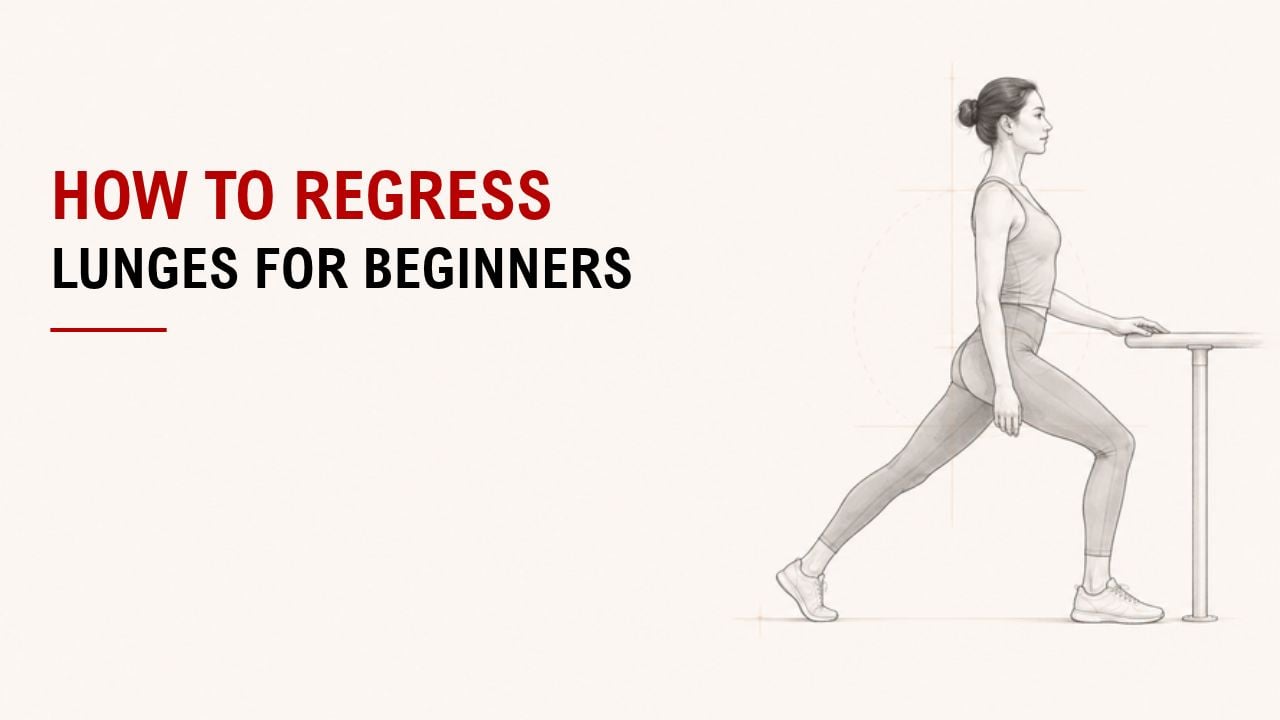

Do you struggle with balance or knee control when doing lunges? Does lowering your body feel harder than it should?
You can make lunges easier by holding onto support, reducing your depth, or trying simpler variations. These changes help you build leg strength and balance without forcing movement.
As an Exercise Physiology & Biomechanics Expert working with YR Fitness, I often help beginners improve their exercise technique. I’ve seen how a few small adjustments can make lunges much easier to control.
In this guide, you’ll learn six simple ways to regress lunges and build confidence. Start with the easiest option and work toward regular lunges at your own pace.
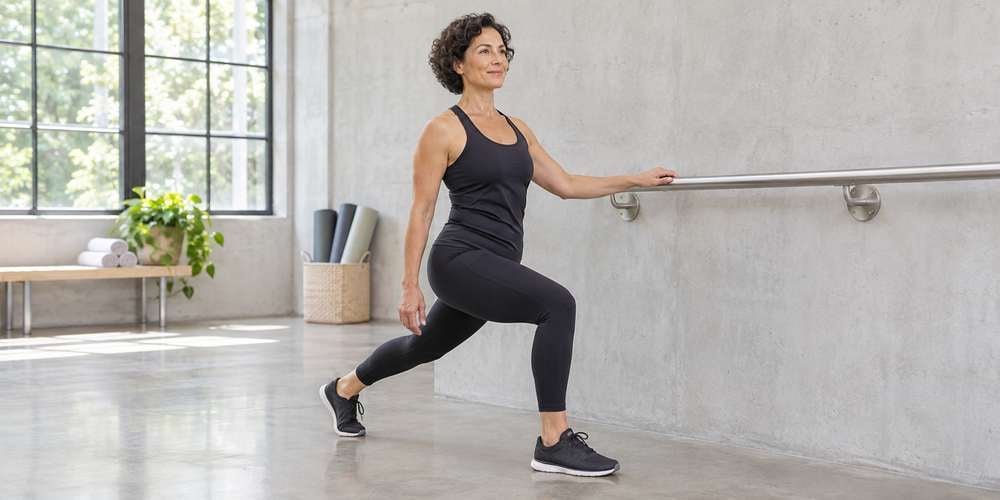
1. Start With Supported Lunges
Struggling to keep your balance? Hold onto a wall, railing, or sturdy support while practicing lunges.
This gives you more stability, so you can focus on controlling your legs.
How to do it:
- Stand beside a wall, railing, or sturdy support.
- Place one foot forward and the other backward.
- Hold the support lightly with one hand.
- Slowly bend both knees to lower your body.
- Push through your front foot to stand back up.
- Repeat 8–10 times per leg.
Quick tip: Keep your chest upright and your front foot flat. Avoid pulling yourself up with your supporting hand.
I recommend supported lunges when beginners have enough leg strength but struggle to stay steady.
2. Reduce Your Lunge Depth
You don’t need to lower your back knee to the floor. A shallow lunge still works your legs while making the movement easier.
How to do it:
- Stand with one foot in front of the other.
- Keep your feet about hip-width apart from side to side.
- Bend both knees slightly.
- Lower your hips only a few inches.
- Push through your front foot to stand back up.
- Repeat 8–10 times per leg.
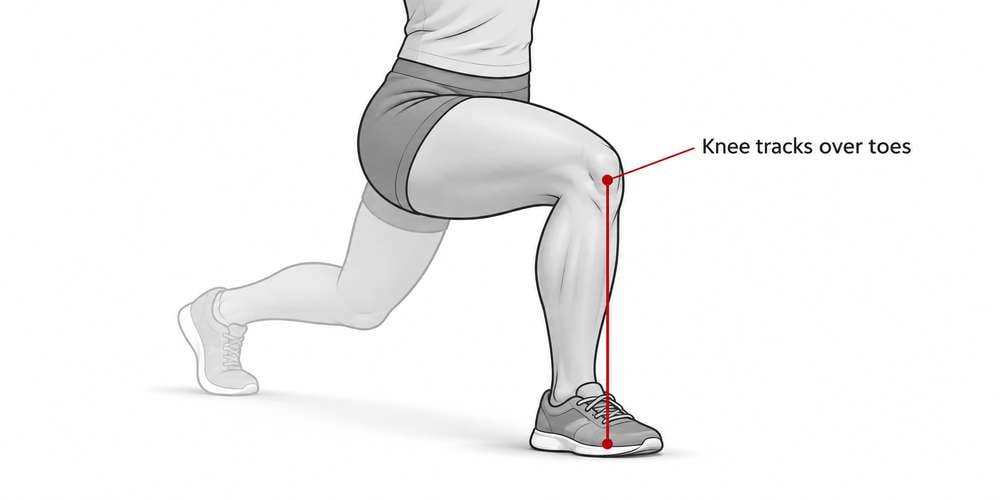
Quick tip: Keep your front knee pointing in the same direction as your toes. Only lower as far as you can without pain or losing balance.
The Mayo Clinic’s lunge exercise guide also recommends using a comfortable range of motion instead of forcing a full-depth lunge.
Here is a quick way to adjust your lunges based on what feels difficult.
Problem | Easier Adjustment |
Losing balance | Hold onto stable support |
Knee discomfort | Reduce depth and check alignment |
Legs feel too weak | Use a shallow split squat |
Body feels unstable | Widen your stance slightly |
Struggling to stand up | Reduce the range of motion |
Start with the adjustment that addresses your main problem. Increase your depth gradually as your strength and confidence improve.
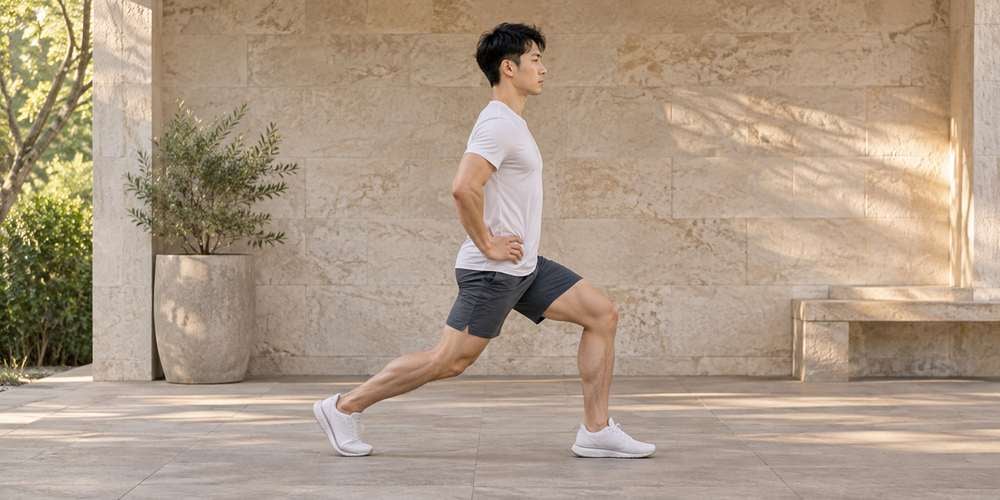
3. Switch to Static Split Squats
Regular lunges involve stepping forward or backward, which can make balancing difficult.
Static split squats remove that extra movement because your feet stay in place.
How to do it:
- Stand with one foot forward and one foot back.
- Keep both feet planted on the floor.
- Bend both knees and lower your hips slowly.
- Keep your upper body steady.
- Push through your front foot to stand back up.
- Complete 8–12 reps per leg.
Quick tip: Keep enough space between your feet to stay balanced. Avoid placing both feet on one straight line.
This is one of my favorite starting exercises for beginners who struggle with coordination.
If you need more leg strength before trying lunges, you can also follow a beginner gym machine workout plan or try a machine-only leg day workout.
Both options can help you strengthen your legs without relying entirely on single-leg balance.
At YR Fitness, we design commercial strength equipment to support stable, controlled training. If lunges feel too difficult, our leg press equipment can help you work your quads and glutes while you build the strength needed for harder exercises.
Explore the equipment and choose movements that match your current fitness level.
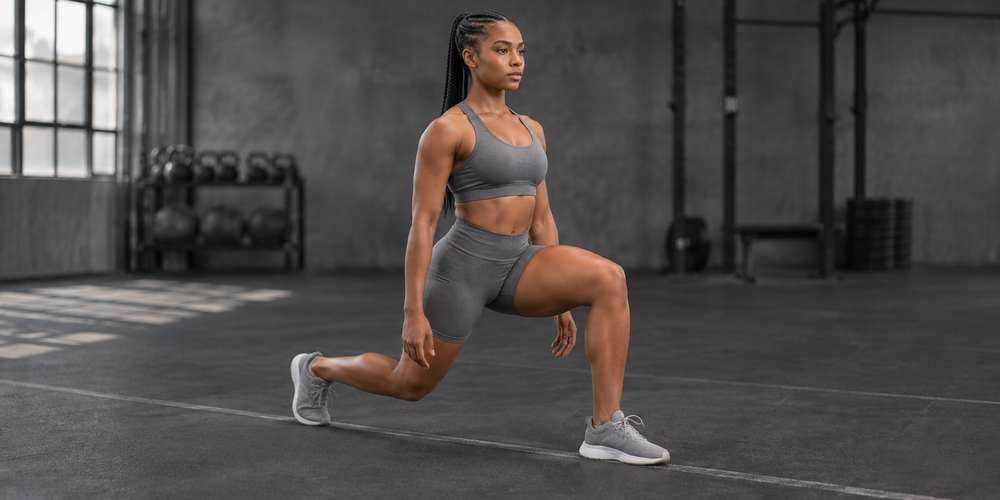
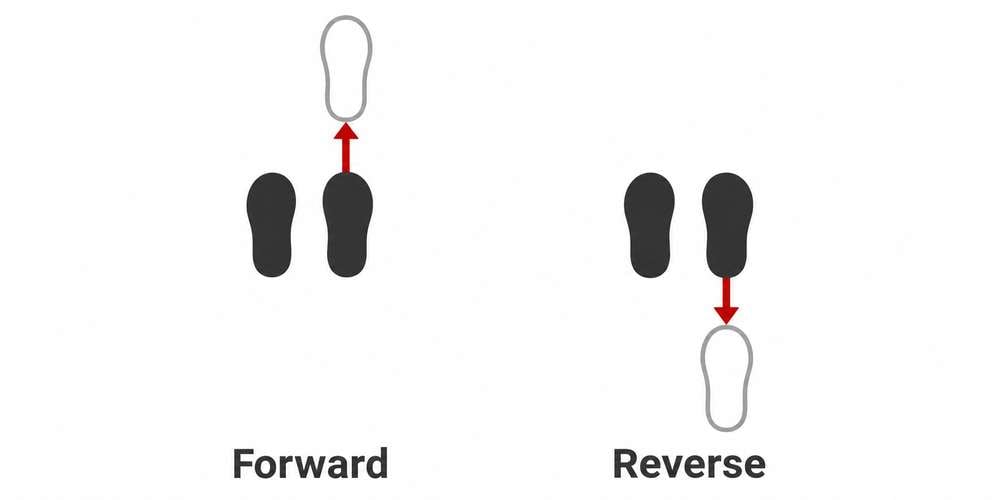
4. Try Reverse Lunges Instead of Forward Lunges
Forward lunges can feel difficult because you need to control your body as you step and land.
Reverse lunges may be easier because your front foot stays planted while you step backward.
How to do it:
- Stand upright with your feet hip-width apart.
- Step one foot backward.
- Bend both knees and lower your body slowly.
- Keep your front foot flat on the floor.
- Push through your front foot to return to standing.
- Repeat 8–10 times per leg.
Quick tip: Start with a comfortable step length. Hold stable support if balancing is still difficult.
What if reverse lunges still feel too hard?
Go back to supported static split squats. Practice until you can control the movement without wobbling.
5. Use Bodyweight Before Adding Weights
Adding dumbbells too early can make lunges harder to control. Start with your bodyweight and focus on getting each repetition right.
How to do it:
- Choose a supported lunge or static split squat.
- Keep your hands on your hips or hold support for balance.
- Lower your body slowly.
- Push back up without rushing.
- Perform 2 sets of 8–10 reps per leg.
- Rest 30–60 seconds between sets, or longer if needed.
Quick tip: Move slowly and stay within a comfortable range. Stop if you feel sharp pain.
The American College of Sports Medicine’s resistance training guidelines explain that bodyweight training can build strength and that consistent training matters more than complicated methods.
Once bodyweight lunges feel easy, you can gradually add light dumbbells.
If you want additional lower-body training, the seated leg press machine is another option for strengthening your legs with back support.
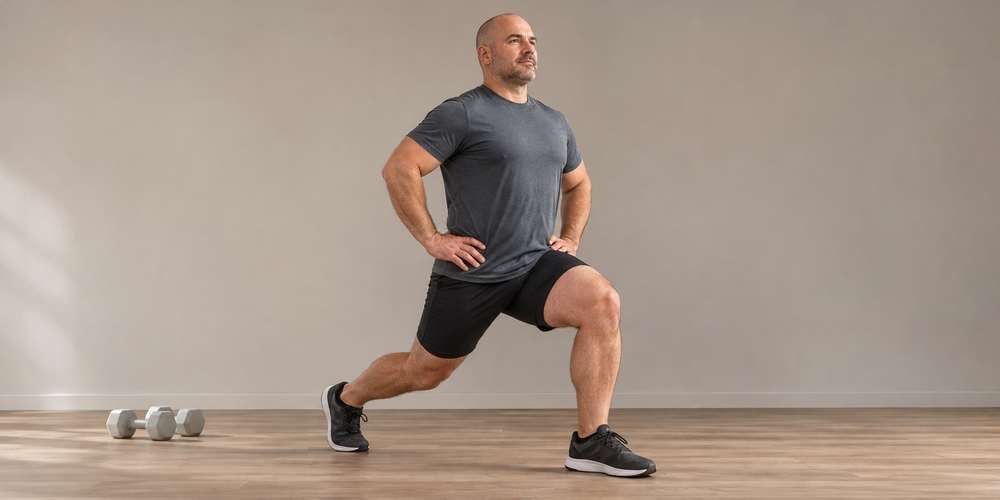
6. Progress Back to Regular Lunges
Once easier variations feel comfortable, you can gradually move toward regular forward lunges.
Follow this progression:
Level | Lunge Variation | Main Focus |
1 | Supported shallow lunge | Improve balance |
2 | Static split squat | Build leg strength |
3 | Reverse lunge | Improve coordination |
4 | Regular forward lunge | Build movement control |
5 | Weighted lunge | Increase resistance |
How do you know you’re ready to progress?
Check these five things:
- You can complete 10–12 controlled reps per leg.
- Your front knee stays aligned with your toes.
- You can balance without excessive shaking.
- You can lower and stand up without pain.
- You can maintain good form throughout your sets.
Don’t rush to the next level. Move forward only when your current variation feels stable and comfortable.
If you’re also using leg machines to improve your strength, learning how to adjust a leg press machine for your height can help you train with better positioning and control.
Remember, progress doesn’t always mean adding more weight. Sometimes, simply moving deeper with better balance is enough.
Conclusion
Regressing lunges helps you build leg strength and balance without making exercise too difficult. Start with support, reduce your depth, and move toward regular lunges as your control improves.
Good technique matters more than how deep you lunge or how much weight you lift.
For more ways to build lower-body strength, explore YR Fitness and its commercial-grade strength equipment. Find training options that help you strengthen your legs and feel more confident with each workout.
Related articles: