
Do your kettlebell swings look more like squats? Are you bending your knees too much instead of moving your hips?
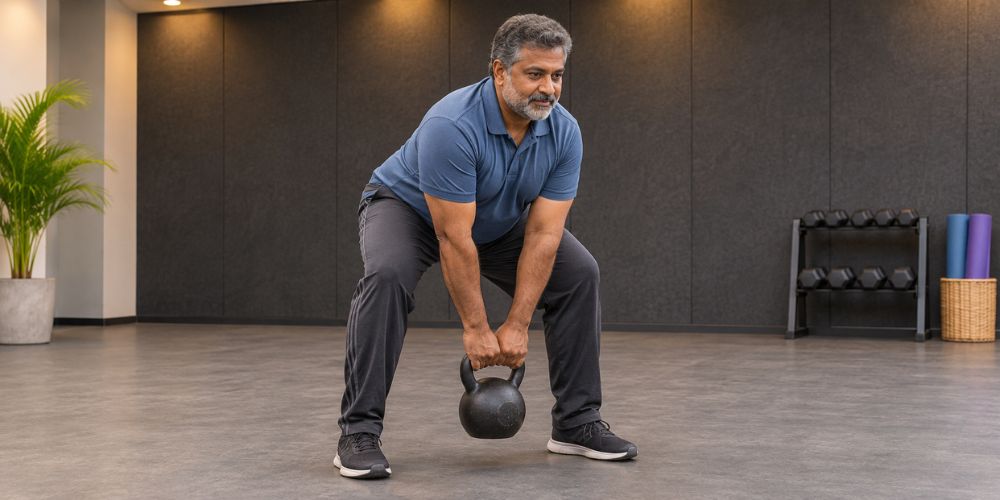
To fix this, push your hips backward, keep your knees slightly bent, and drive the kettlebell forward using your hips. The movement should feel like a hip hinge, not a squat.
As an Exercise Physiology and Biomechanics Expert at YR Fitness, I often see beginners struggle with this mistake. Learning the correct hip movement helps you train your glutes, hamstrings, and core more effectively.
In this guide, you’ll learn six simple ways to stop squatting your kettlebell swing. Follow these tips to improve your form and make each swing feel smoother.
1. Push Your Hips Back, Not Down
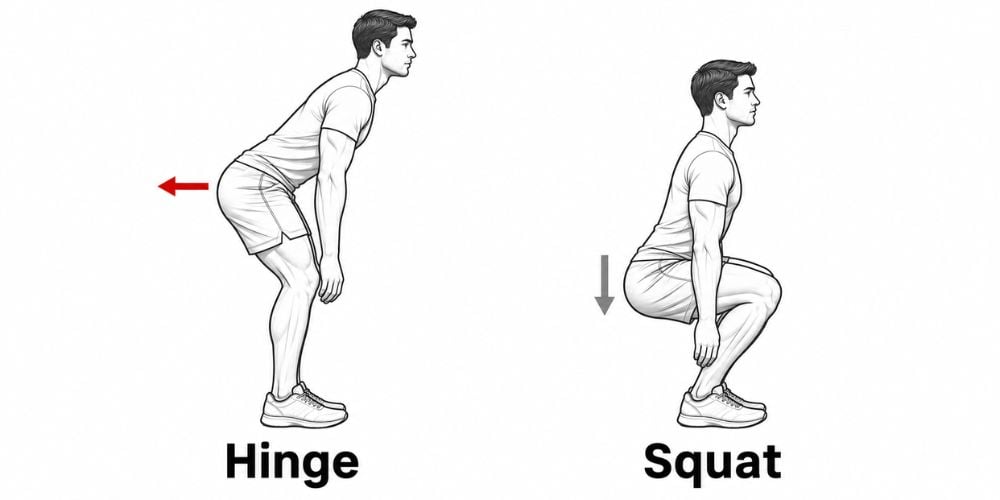
The biggest difference between a squat and a kettlebell swing is how your hips move.
In a squat, your hips move downward. In a swing, your hips move backward before driving forward.
Here’s how to fix it:
- Stand with your feet about shoulder-width apart.
- Keep your knees slightly bent.
- Push your hips backward while keeping your spine neutral.
- Feel a gentle stretch in your hamstrings.
- Drive your hips forward to stand tall.
Why does this matter? A proper hip hinge helps your glutes and hamstrings generate power without relying too much on your knees.
The American Council on Exercise (ACE) also explains that the kettlebell swing should focus on hip movement rather than repeated squatting.
Quick Tip: Imagine closing a door with your butt. This helps you push your hips backward instead of dropping into a squat.
2. Keep Your Shins Nearly Vertical
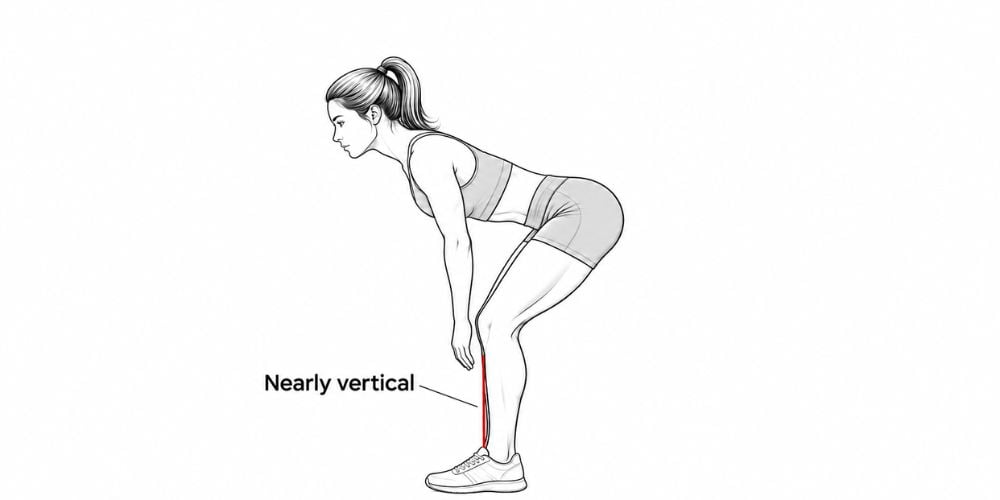
Are your knees moving too far forward during each swing?
That could be why your movement looks more like a squat. Keeping your shins nearly vertical helps you focus on the hip hinge.
Here’s what to do:
- Keep both feet firmly planted.
- Bend your knees slightly as your hips move backward.
- Avoid pushing your knees too far forward.
- Keep your weight balanced across your feet.
Your knees should still move naturally. Don’t force them to stay completely still.
Quick Tip: I recommend practicing without a kettlebell first. Once you can push your hips backward without squatting, you’re ready to add weight.
3. Drive the Kettlebell With Your Hips
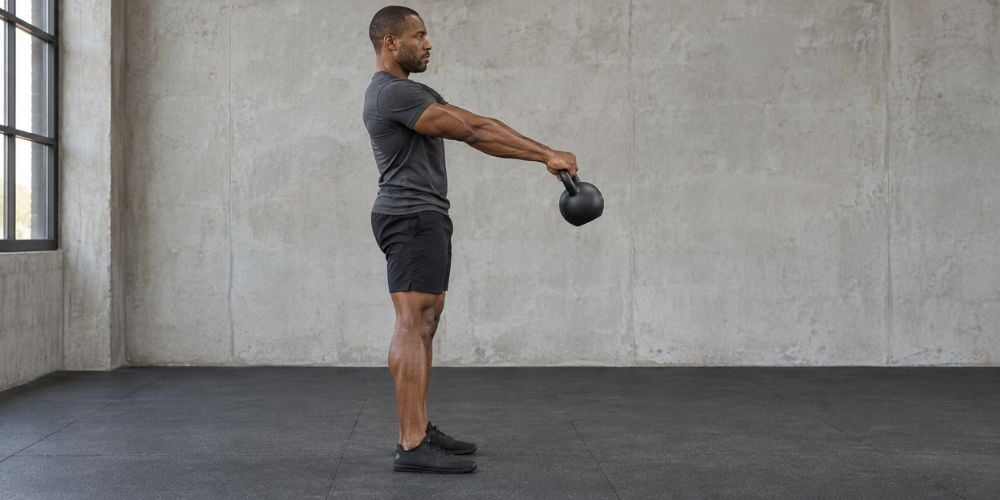
Your arms shouldn’t be doing most of the work during a kettlebell swing.
Instead, use your glutes and hips to generate power. Your arms simply guide the kettlebell.
Follow these steps:
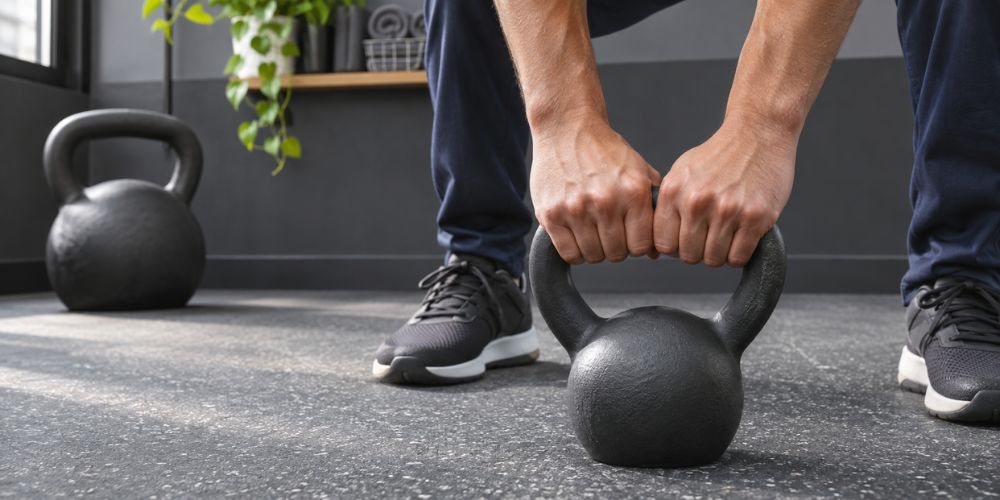
- Place the kettlebell slightly in front of your feet.
- Hinge backward and grip the handle with both hands.
- Hike the kettlebell backward between your upper thighs.
- Push through your feet and drive your hips forward.
- Let the kettlebell swing forward naturally.
- Allow it to fall back before hinging again.
For a Russian kettlebell swing, the weight usually rises to about chest height. You don’t need to lift it higher with your arms.
The National Strength and Conditioning Association (NSCA) also recommends keeping your back neutral and using hip and knee extension to move the kettlebell forward.
Quick Tip: Think “hips drive, arms follow.” Stand tall at the top without leaning backward.
A kettlebell with a comfortable, secure handle can make your practice easier. For example, a cast iron kettlebell with a smooth handle can support controlled swings and other strength exercises.
Good technique comes first, but a comfortable grip and suitable weight also matter.
At YR Fitness, we offer commercial kettlebells and functional training equipment for different strength exercises. We focus on durable materials and practical designs that support regular workouts.
Explore the equipment options to compare kettlebell styles and find what suits your training routine.
4. Practice the Wall Hip Hinge Drill
Still having trouble pushing your hips backward?
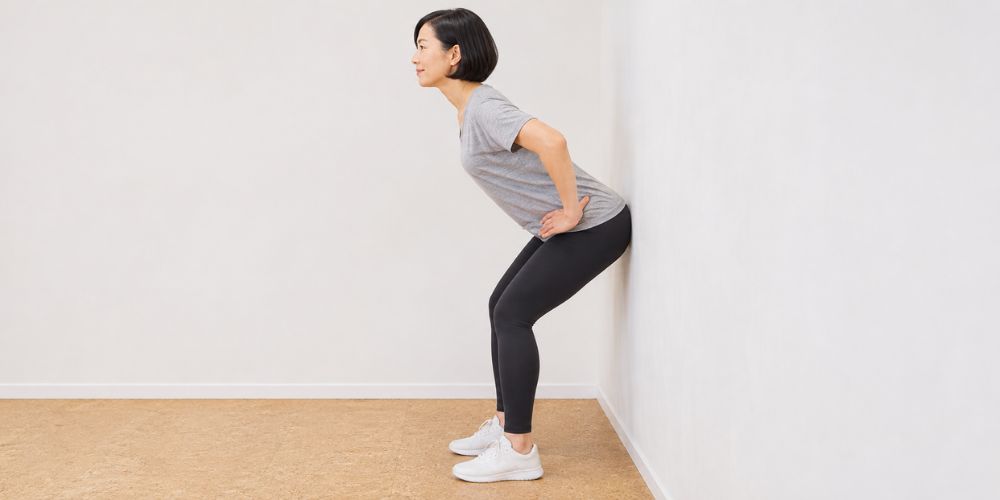
Try the wall hip hinge drill. It’s one of the easiest ways to learn the correct movement without using a kettlebell.
Here’s how to practice:
- Stand 6–12 inches away from a wall, facing away from it.
- Keep your feet shoulder-width apart.
- Bend your knees slightly.
- Push your hips backward until your glutes touch the wall.
- Stand tall and repeat 10–15 times.
If you can’t touch the wall without squatting, move a little closer.
Quick Tip: I often suggest this drill to beginners because the wall gives instant feedback. Once you can touch it with your hips, practice the movement without the wall.
5. Use a Lighter Kettlebell
A kettlebell that’s too heavy can make your swing harder to control.
You may squat too low, pull with your arms, or lose your back position.
Here’s what to do:
- Start with a weight you can control comfortably.
- Practice kettlebell deadlifts before full swings.
- Perform 8–10 controlled swings per set.
- Focus on hip movement instead of swing height.
- Increase the weight only when your form stays consistent.
I always recommend getting the movement right before adding more weight. A lighter kettlebell can help you build confidence and control.
Not sure which kettlebell to use?
You can compare vinyl kettlebells for their floor-friendly coating or urethane kettlebells for their consistent handle dimensions across different weights.
Choose the option that feels comfortable in your hands and matches your current strength.
6. Check Your Kettlebell Swing Form
Not sure what’s wrong with your swing? Use this quick table to spot common mistakes.
Common Mistake | How to Fix It |
Squatting too low | Push your hips backward, not down |
Knees moving too far forward | Keep your shins nearly vertical |
Lifting with your arms | Drive the kettlebell using your hips |
Rounding your back | Keep your spine neutral |
Leaning backward at the top | Stand tall and tighten your core |
Swinging too high | Let your hip power control the height |
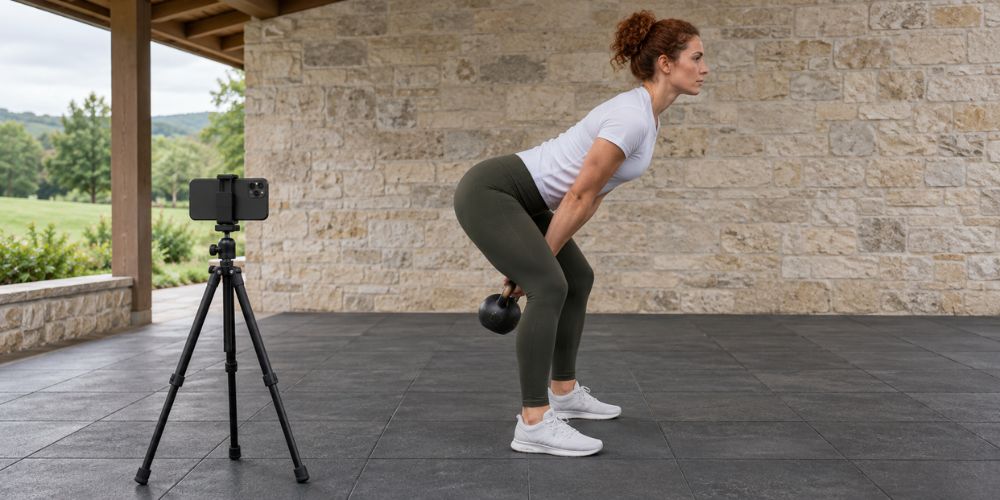
Here’s a simple way to check your form: Record yourself from the side.
Watch your hip movement during the downswing. If your hips drop straight down instead of moving backward, slow down and practice the hinge again.
Quick Kettlebell Swing Practice
Want to fix your swing before your next workout? Try this short routine.
Exercise | Repetitions |
Wall hip hinge | 10 reps |
Bodyweight hip hinge | 10 reps |
Kettlebell deadlift | 10 reps |
Kettlebell swing | 8–10 reps |
Repeat for 2–3 rounds, resting 30–60 seconds between rounds as needed.
Focus on controlled movements instead of speed. Stop if you feel pain, lose control, or notice your lower back rounding.
Quick Tip: If your swing starts looking like a squat again, return to the wall hip hinge drill before continuing.
Conclusion
To stop squatting your kettlebell swing, focus on one simple change: push your hips backward instead of downward.
Keep your knees slightly bent, maintain a neutral spine, and use your hips to generate power. Start with the wall hip hinge drill and practice with a manageable weight.
With regular practice, your swings should feel smoother and more controlled.
At YR Fitness, we believe proper technique and reliable equipment go hand in hand. Explore our fitness equipment and accessories to find practical options for your strength training routine.
Related articles: