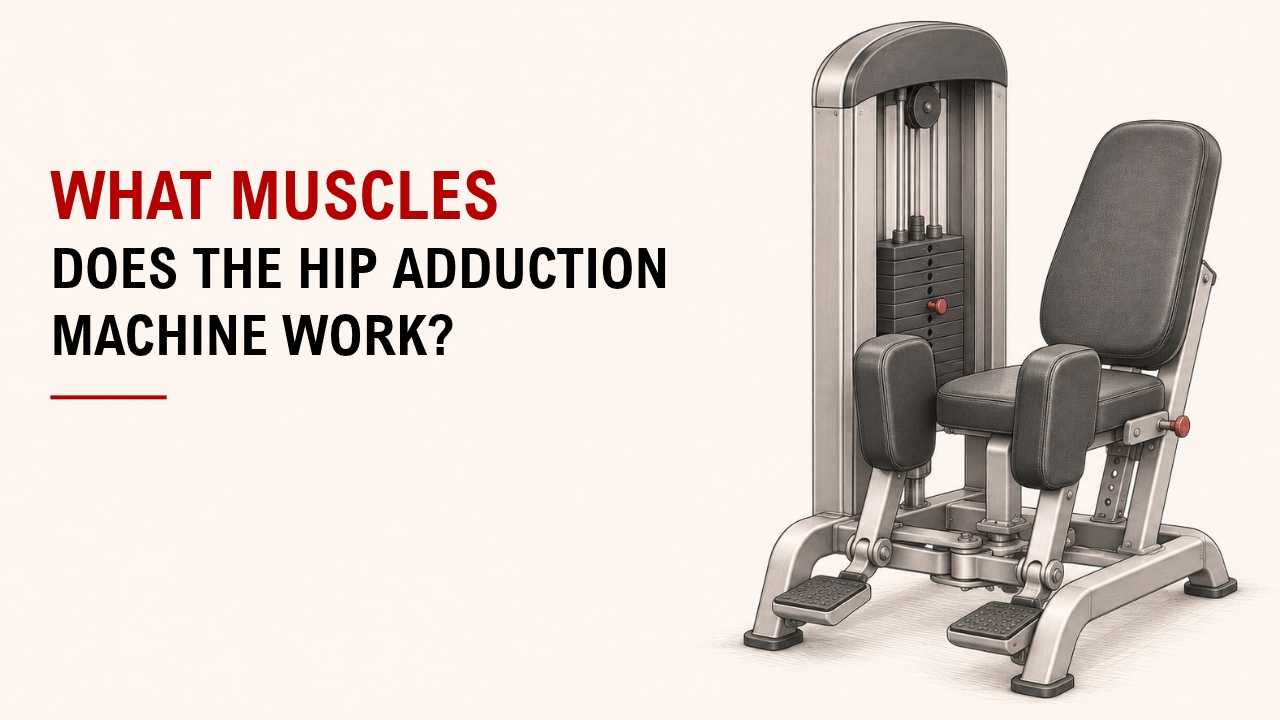

Ever feel your inner thighs burning when you squeeze your legs together on the hip adduction machine? Wonder which muscles are actually doing the work?
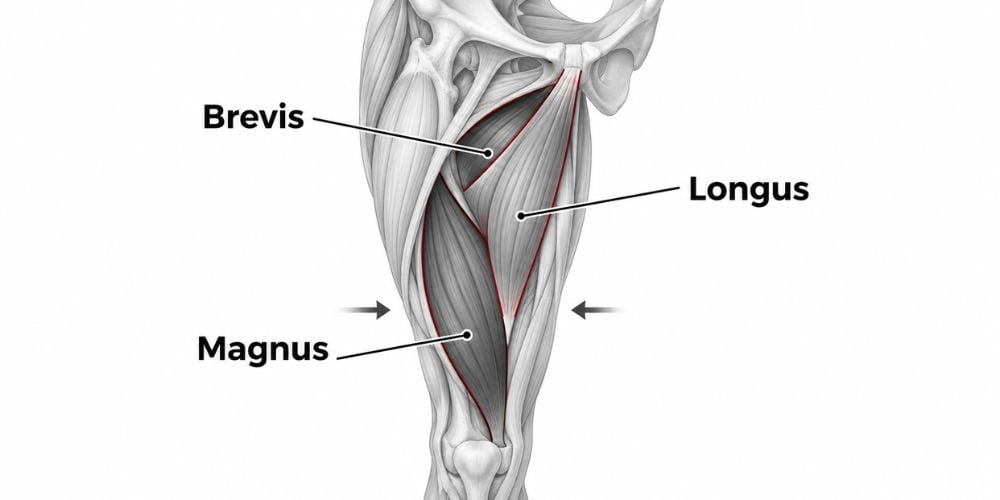
The hip adduction machine mainly targets five muscles: the adductor magnus, adductor longus, adductor brevis, gracilis, and pectineus. These muscles help bring your legs together and support hip stability.
As an Exercise Physiology and Biomechanics Expert at YR Fitness, I help fitness enthusiasts understand how exercises work their muscles.
Below, you’ll learn what each muscle does, which ones work the hardest, and how to train them properly.
1. Adductor Magnus
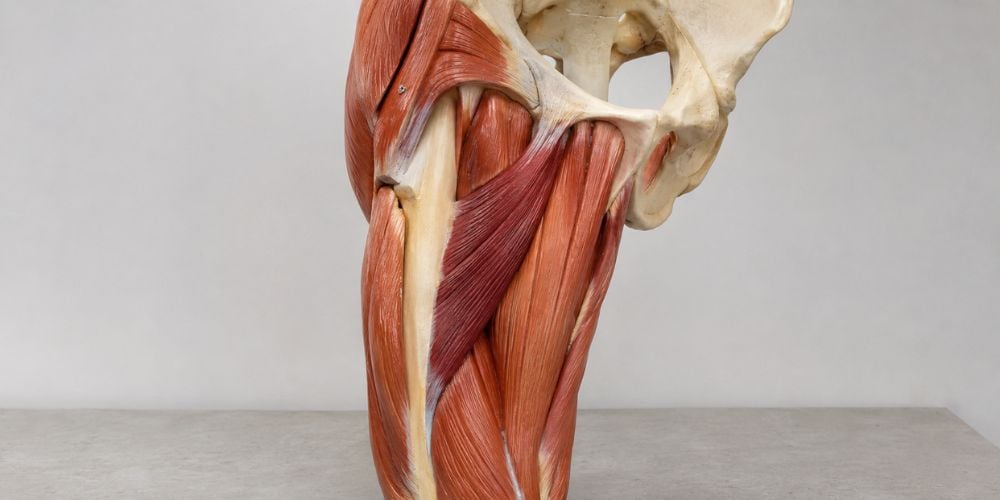
The adductor magnus is one of the largest muscles in your inner thigh. It plays a major role in pulling your legs toward the center of your body.
When you squeeze the machine’s pads together, this muscle helps generate much of the force.
Its main functions include:
- Pulling your thighs inward
- Supporting hip stability
- Helping with hip extension through part of the muscle
This muscle is important for building inner thigh strength and controlling hip movement.
You can learn more about its location and function in this medial thigh muscle anatomy guide from the National Library of Medicine.
2. Adductor Longus
The adductor longus runs along your inner thigh, connecting your pelvis to your thigh bone.
It works with the adductor magnus to pull your legs together during exercise.
Its main functions include:
- Bringing your thighs inward
- Assisting with hip flexion
- Supporting controlled hip movement
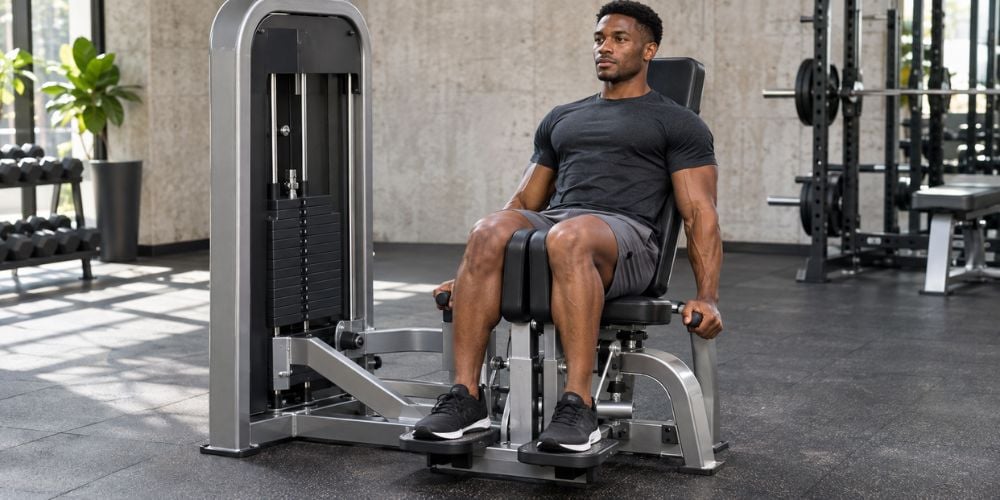
You’ll use this muscle whenever you press the machine’s pads together.
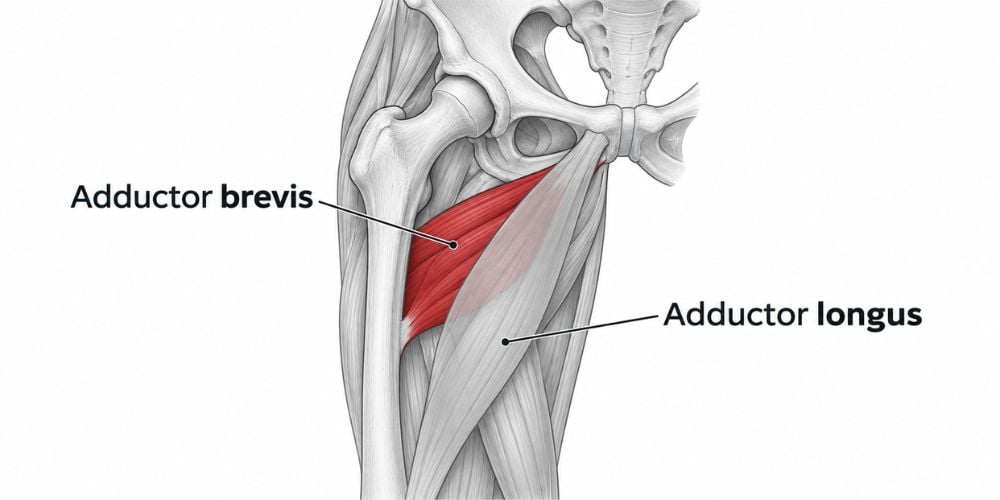
3. Adductor Brevis
The adductor brevis is a smaller muscle located beneath the adductor longus. It supports the larger adductors as you bring your thighs together.
Its main functions include:
- Pulling your thighs inward
- Assisting with hip flexion
- Helping stabilize your hips
I often see people rush their repetitions, making it harder to maintain control. Slowing down helps you keep steady tension on your inner thighs.
Not sure how to set up your machine? Follow this hip adduction machine setup guide to adjust your position and control each repetition.
4. Gracilis
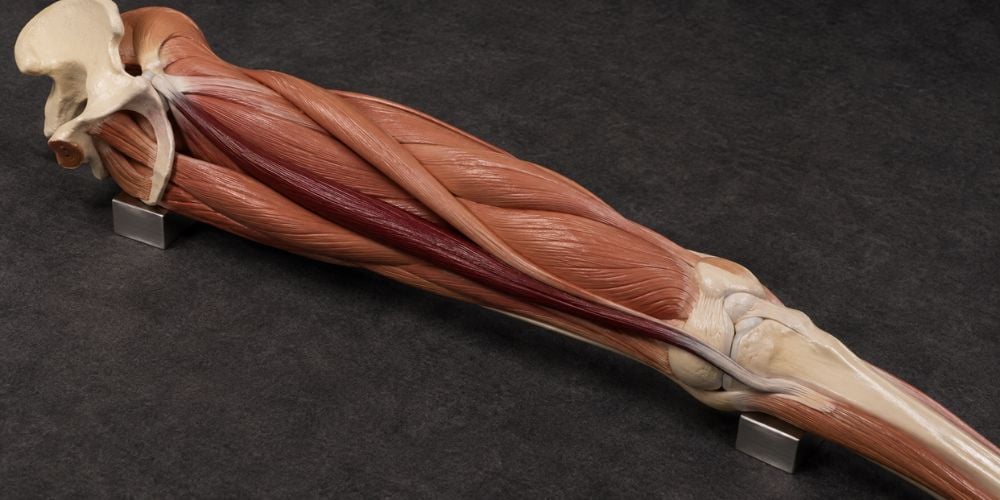
The gracilis is a long, thin muscle running from your pelvis to the inside of your knee.
Unlike the other main hip adductors, it crosses both your hip and knee joints.
Its main functions include:
- Bringing your legs together
- Assisting with knee bending
- Helping rotate your lower leg inward when your knee is bent
This muscle works with the other adductors during the squeezing movement.
5. Pectineus
The pectineus is a small muscle near your upper inner thigh, close to your groin.
It helps bring your thigh inward and supports movement at your hip joint.
Its main functions include:
- Pulling your thigh inward
- Assisting with hip flexion
- Supporting hip control
Although it’s smaller than the other adductors, it still contributes to the exercise.
Want to understand how these muscles work together? This hip joint anatomy guide explains which muscles help with hip adduction and other hip movements.
6. Which Muscles Get the Most Work?
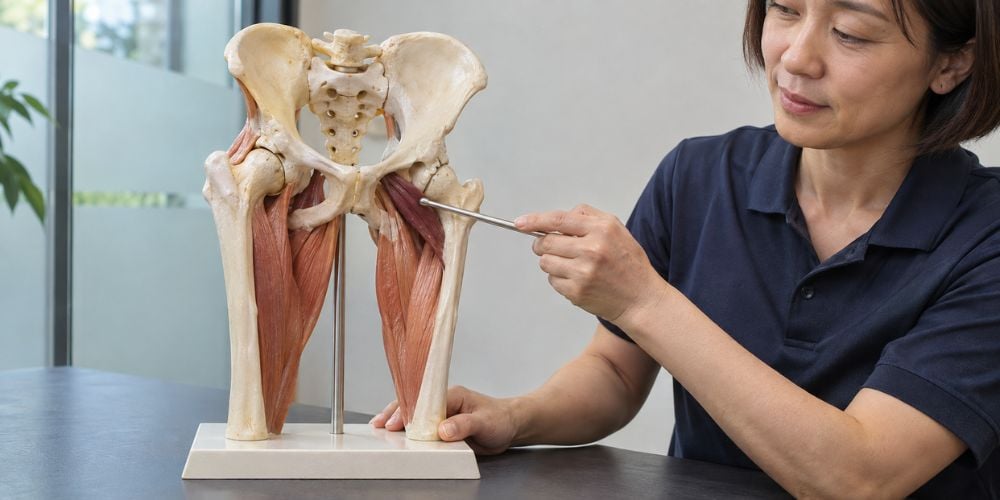
The hip adduction machine mainly targets your inner thighs. However, some muscles contribute more than others depending on your hip position and movement.
Here’s a simple breakdown:
Muscle | Role During Hip Adduction |
Adductor Magnus | Major contributor to pulling your thighs inward |
Adductor Longus | Main hip adductor |
Adductor Brevis | Assists with inward thigh movement |
Gracilis | Helps bring your thighs together |
Pectineus | Assists with hip adduction |
The adductor magnus, adductor longus, and adductor brevis are major contributors. The gracilis and pectineus also assist.
Keep in mind that muscle involvement changes with your hip position, range of motion, and individual anatomy.
How to Feel Your Inner Thighs Working
Want to make sure you’re training the right muscles? Start with these simple steps.
Step | What to Do |
1. Sit upright | Keep your back against the backrest |
2. Adjust the pads | Choose a comfortable starting position |
3. Squeeze slowly | Bring your legs together without rushing |
4. Pause briefly | Hold for a moment when your legs come together |
5. Return slowly | Open your legs with control |
What matters most? Control, not the amount of weight.
We recommend choosing a resistance you can manage without swinging your legs or forcing your hips too far apart.
You can also include this exercise in a balanced leg-day machine workout alongside other lower-body movements.
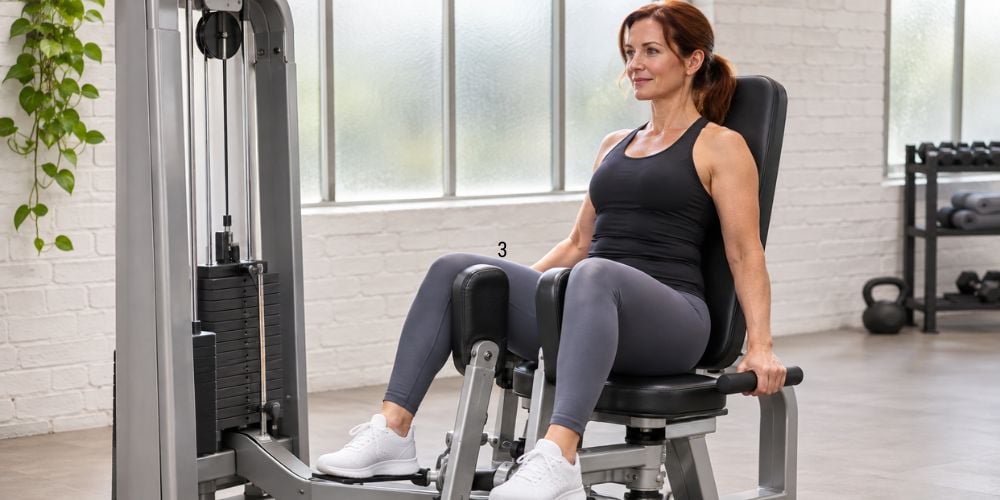
At YR Fitness, we design hip adduction machines with adjustable starting positions, supportive seating, and smooth movement. Our goal is to help you find a comfortable position and focus on controlled repetitions.
Explore our hip adduction machine to see how its design supports your inner thigh workouts.
Conclusion
The hip adduction machine works five main inner thigh muscles: adductor magnus, adductor longus, adductor brevis, gracilis, and pectineus.
These muscles help bring your legs together and support hip stability. I suggest focusing on slow, controlled repetitions instead of increasing the weight too quickly.
Want to make your inner thigh workouts more comfortable? Explore YR Fitness inner thigh workout machines to find equipment designed for stable, controlled lower-body training.
Related articles: