


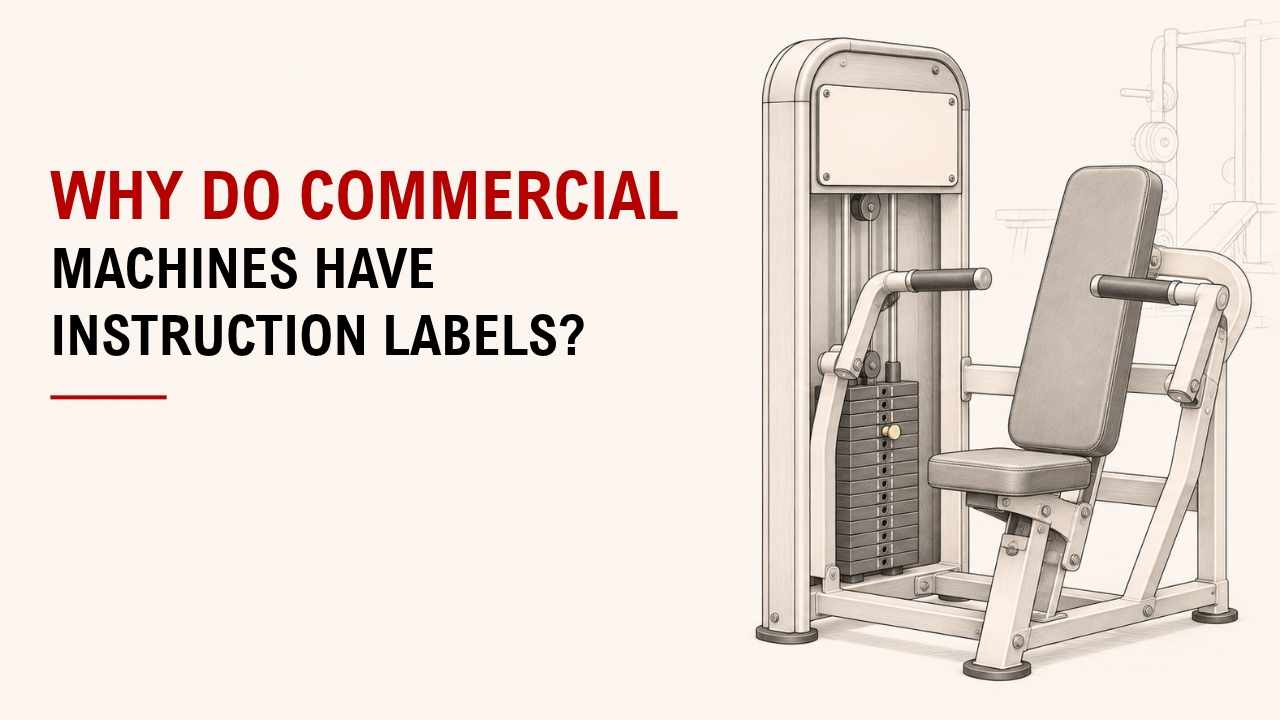

Have you ever wondered why gym machines have instruction labels? They help you understand the machine before you start.
The short answer is simple: they show you how to set up, move correctly, stay safer, and know which muscles you are training. This is especially useful on unfamiliar equipment.
As an Ergonomics Engineer at YR Fitness, I study how people interact with seats, handles, pads, and adjustments. I have seen how clear instructions can make a machine easier to understand and more comfortable to use.
Below, I’ll explain the main reasons these labels matter. Use them as a quick guide the next time you try a new machine.
1. Show You How to Use the Machine
The first job of an instruction label is simple: show you what to do.
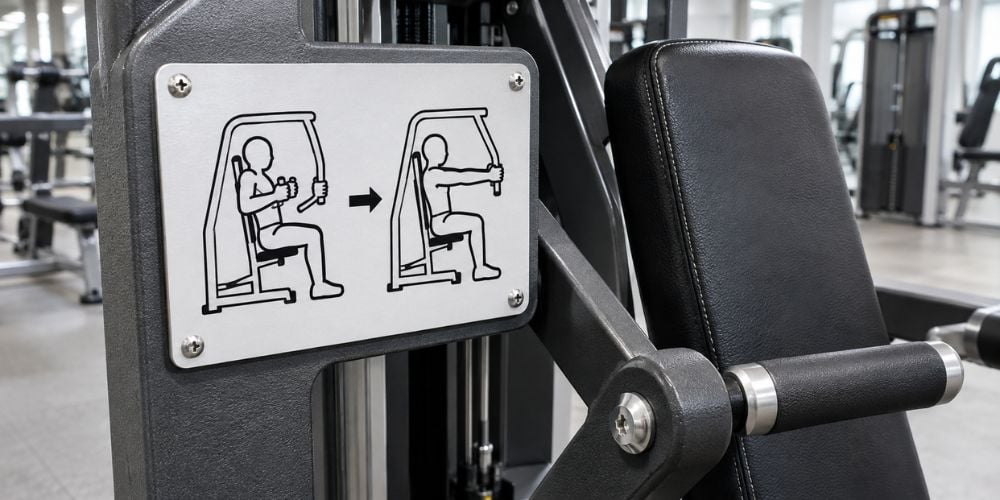
Most labels include a picture of the basic exercise. They may show the starting position, finishing position, and direction of movement.
For example, a chest press diagram normally shows you sitting against the back pad and pressing the handles forward.
Trying a machine for the first time? Check the label before selecting your weight.
It can quickly tell you whether you should:
- Push
- Pull
- Extend
- Curl
I personally check the movement diagram first when I use an unfamiliar machine. A few seconds can make the whole exercise easier to understand.
2. Explain the Correct Setup
The right exercise can still feel wrong if the machine is not adjusted properly.
Instruction labels may show you how to set:
- Seat position
- Back pad position
- Handle position
- Foot placement
- Adjustment points
- Starting position
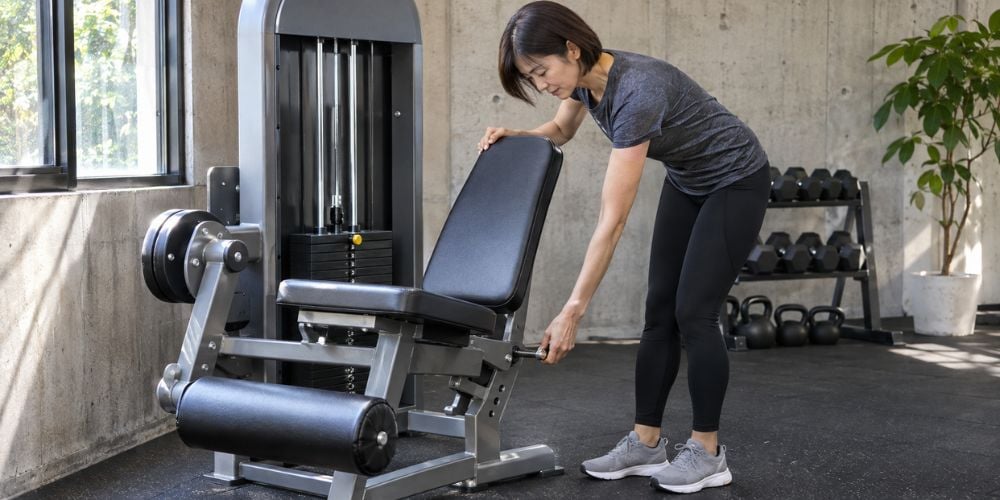
Take a leg extension machine as an example. You normally need to adjust the seat and roller pad so your knees and lower legs sit in a suitable position.
Why does setup matter?
Commercial machines are used by people of different heights and body sizes. Good adjustments help one machine work for more users.
There is also a broader safety reason behind thoughtful machine design. ISO 20957-1:2024 covers general safety requirements and test methods for stationary training equipment used in places such as gyms, clubs, studios, hotels, and rehabilitation centers.
3. Help You Use Better Form
An instruction label cannot replace a trainer, but it can give you a useful form reminder.
You may see diagrams showing:
- Where your back should stay
- Where your feet should go
- How your arms should move
- Which direction should the handles travel
- Where should the movement start and finish
I often see beginners focus only on moving weights. The label reminds them that body position matters too.
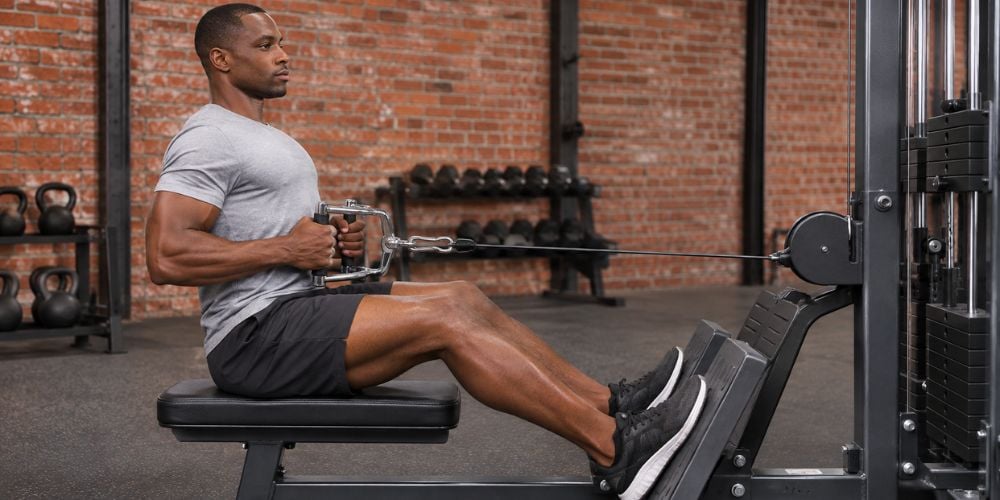
For example, a seated row diagram may show your chest upright while your elbows travel backward. That gives you a quick visual reference before your set.
Still unsure about your form? Use the label as a starting point, then ask a qualified trainer if the movement causes pain or feels unusually awkward.
Clear instructions work best when the machine itself is easy to adjust and understand. At YR Fitness, we design commercial strength equipment with practical adjustment points, controlled movement paths, and everyday gym use in mind, so you can explore how these design details come together on real equipment.
4. Provide Important Safety Warnings
Some parts of the label are there for safety rather than exercise technique.
Common warnings may include:
- Keep hands away from moving parts.
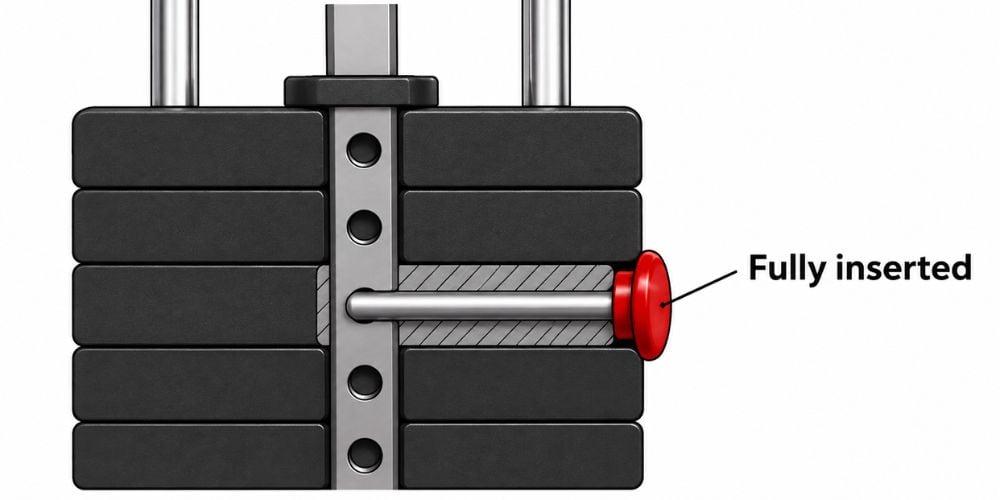
- Make sure the selector pin is fully inserted.
- Adjust the machine before exercising.
- Do not use damaged equipment.
- Keep children away from the machine.
- Use the equipment only as intended.
These warnings matter because commercial machines contain moving arms, weight stacks, cables, pulleys, adjustment pins, and other moving components.
A small mistake can make a big difference.
For example, an incorrectly inserted weight-stack pin may prevent the selected weight from being properly engaged. The warning reminds you to check before you start.
This is not just a design preference. ASTM F1749 specifically covers safety signage and labels for fitness equipment and fitness facilities, including the use of hazard levels such as danger, warning, and caution.
From an ergonomics point of view, I see clear safety information as part of good machine design. Users should not have to guess how to avoid obvious problems.
Safety-label design is also addressed by ANSI Z535.4-2023, which provides guidance for presenting product hazards and safe-use information through structured labels, signal words, and symbols.
5. Show Which Muscles the Exercise Targets
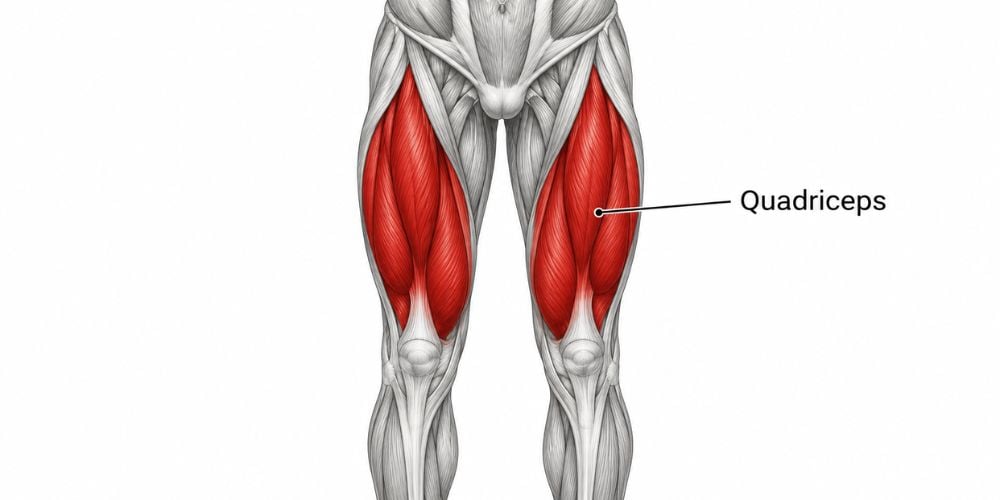
Many commercial machine labels also include a simple muscle diagram.
Why is that useful? It helps you quickly see whether the machine fits your workout.
Machine | Main Area Usually Targeted |
Chest Press | Chest, shoulders, triceps |
Lat Pulldown | Back, biceps |
Leg Extension | Quadriceps |
Leg Curl | Hamstrings |
Shoulder Press | Shoulders, triceps |
Seated Row | Back, biceps |
These diagrams are especially helpful when several machines look similar.
Just remember that the diagram shows the main target area. Other muscles may still help stabilize or assist the movement.
6. Make Commercial Gyms Easier to Use
A busy commercial gym may have dozens of different machines.
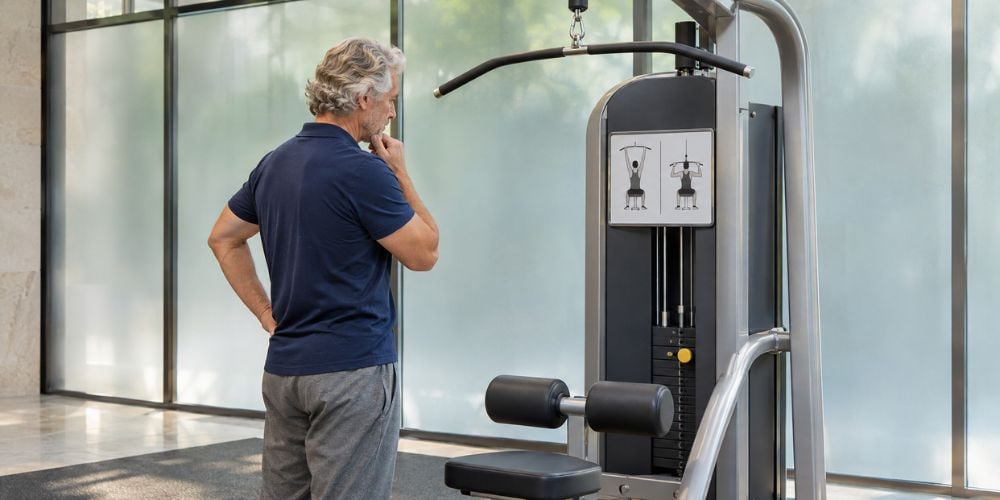
Staff cannot stand beside every machine explaining how it works. Instruction labels give you the basic information directly on the equipment.
They are especially useful for:
- Beginners
- Members trying a new machine
- People training without a personal trainer
- Visitors using unfamiliar equipment
- Anyone who forgets an adjustment or movement direction
Here is why this matters: you do not need to memorize every machine in the gym.
Check the label, adjust the equipment, choose a manageable weight, and start with more confidence.
Quick Check Before Using a Machine
Before your first rep, I recommend checking four simple things:
Check | What to Look For |
Exercise | Understand the intended movement |
Setup | Adjust the seat, pads, or handles |
Weight | Choose a manageable resistance |
Safety | Read warnings and check moving parts |
It only takes a few seconds. I have found that this small habit prevents a lot of unnecessary confusion.
Conclusion
Commercial machines have instruction labels to make exercise easier to understand, easier to set up, and safer to perform. They show you the movement, adjustments, basic form, warnings, and muscles being trained.
At YR Fitness, we see clear user guidance as part of practical commercial machine design. If you want to compare how different strength and cardio machines handle adjustments and everyday training, explore the equipment range and see which designs make the most sense for you.
Related articles:



