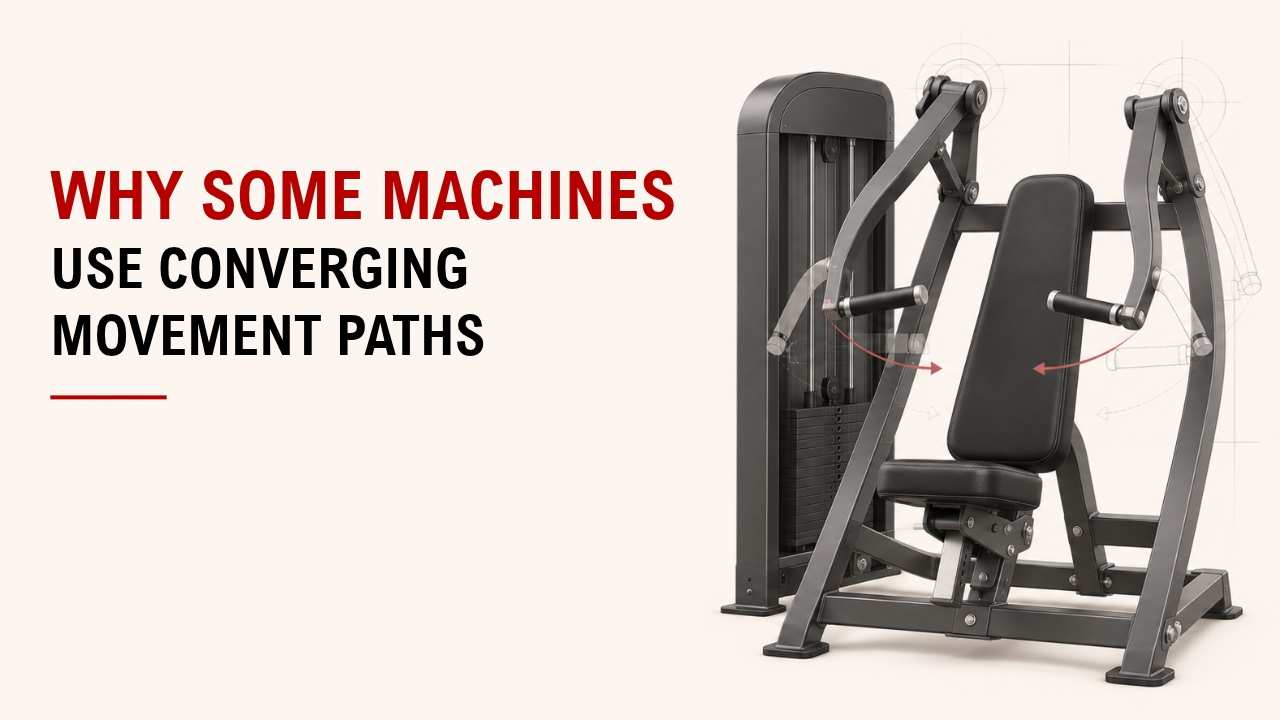

Have you noticed some chest press or shoulder press handles move inward as you push? That is a converging movement path.
The simple answer is: it helps the machine follow a more natural arm path, improve comfort, and create a smoother press. It can also make the chest contraction feel stronger near the end.
As an Exercise Physiology & Biomechanics Expert at YR Fitness, I work closely with joint movement, exercise mechanics, and strength-machine design. Over the years, I have seen how small changes in movement angles can make a big difference in comfort and control.
Below, I’ll explain the six main reasons machines use converging movement paths. You’ll quickly see why this design can feel different from a straight-path machine.
- 1. It Follows a More Natural Arm Path
- 2. It Can Feel More Comfortable on the Shoulders
- 3. It Helps Create a Stronger Squeeze at the End
- 4. It Better Matches How the Shoulder Joint Moves
- 5. It Can Make Machine Pressing Feel Less Mechanical
- 6. It Allows Manufacturers to Design Around Body Mechanics
- Conclusion
1. It Follows a More Natural Arm Path
Your arms do not always move perfectly straight when you press.
Think about a dumbbell chest press. Your hands can naturally move slightly closer together as you push upward instead of staying locked at one width.
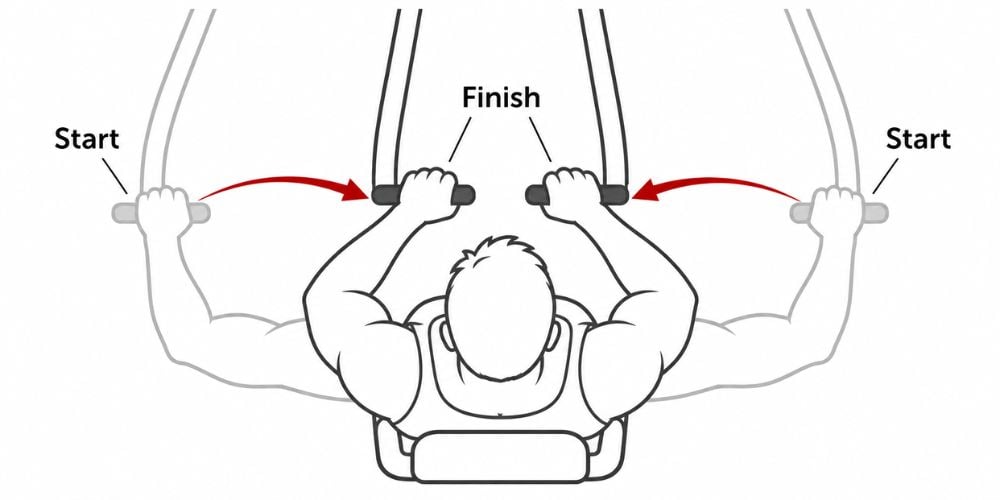
A converging machine uses a similar idea:
- Your hands start farther apart.
- You press forward or upward.
- The handles gradually move inward.
- You return along the same controlled path.
Why does that matter?
You get the stability of a machine without necessarily feeling like your hands are being forced along one straight line.
The path is still guided, but the slight inward movement can make the press feel smoother.
2. It Can Feel More Comfortable on the Shoulders
Your shoulder is not a simple hinge.
The humerus, scapula, and clavicle all contribute to shoulder movement. Research into shoulder biomechanics and scapulohumeral rhythm shows how these structures move together rather than working as a single fixed joint.
That helps explain why some people find a completely straight machine path restrictive.
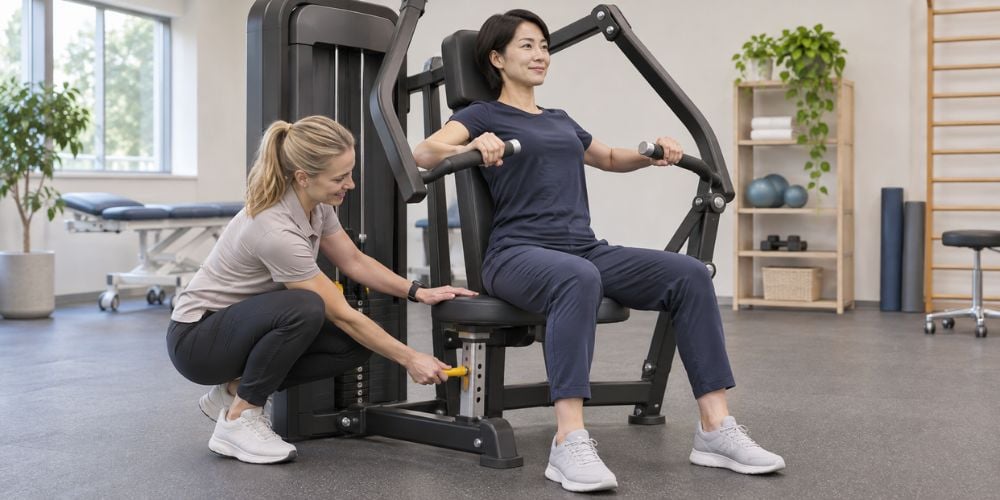
A converging path lets your hands and upper arms change position slightly as you press.
I often tell people to pay less attention to the number on the weight stack and more attention to this question:
Can you complete the rep without fighting the machine?
If the answer is yes, the movement path probably fits you reasonably well.
Seat height and grip position still matter, so adjust those before increasing the weight.
3. It Helps Create a Stronger Squeeze at the End
Ever finished a converging chest press and felt your chest working harder near the top?
There is a simple reason.
As the handles move inward, your upper arms move closer toward the center of your body. The pectoralis major contributes to horizontal adduction of the shoulder, which is an important part of pressing movements. Research examining pectoralis major activity during pressing exercises also describes horizontal adduction as a key action of the muscle.
You do not need to force the handles together.
Just follow the machine’s intended path and keep the rep controlled. If it feels comfortable, a brief pause at the end can help you focus on the contraction.
Here is a quick way to compare common pressing options:
Training Type | Movement Freedom | Stability | Typical Feel |
Barbell press | Moderate | Moderate | Stable but less independent arm movement |
Dumbbell press | High | Lower | More freedom to choose your arm path |
Converging machine press | Controlled | High | Guided path with an inward arc |
Straight-path machine press | Very controlled | High | More fixed hand position |
A converging machine is therefore a middle ground: more guided than dumbbells, but less straight-line in feel than some traditional machines.
When we design strength equipment at YR Fitness, we pay attention to the handle path, pivot position, and how the movement feels from the first part of the rep to the last. If you want to compare different commercial strength-machine designs, you can explore our strength equipment here.
4. It Better Matches How the Shoulder Joint Moves
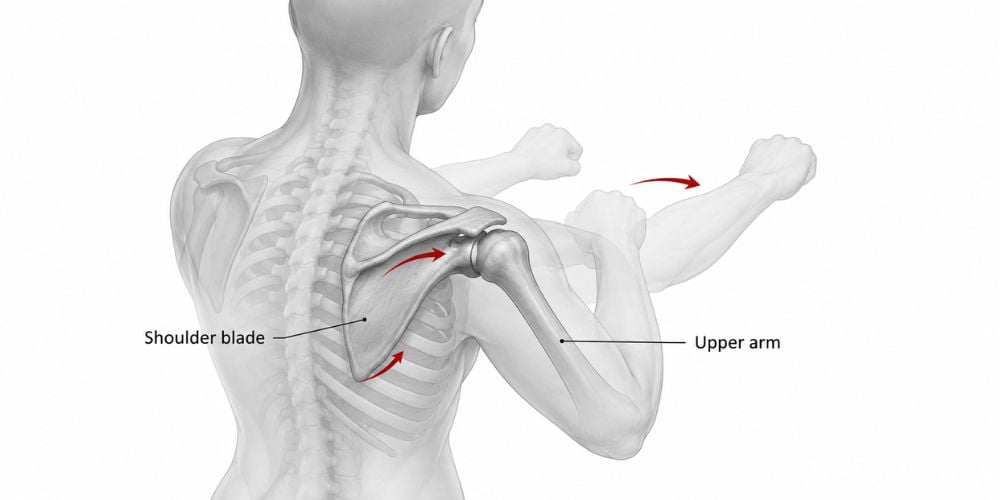
Your shoulder does much more than move forward and backward.
During pressing movements, your upper arm changes position while your shoulder blade also moves. Studies measuring scapular and humeral movement during arm motion show that shoulder movement involves coordinated changes between these structures.
That is why a slightly curved movement path can sometimes feel more natural than a completely straight one.
During a chest press, the movement may look like this:
- Your elbows begin slightly away from your body.
- You press the handles forward.
- Your upper arms move toward the center.
- Your hands finish slightly closer together.
The machine controls the path while still allowing that inward movement.
Does that mean every converging machine will fit you perfectly?
No.
Body size, arm length, seat position, grip style, and the machine’s geometry all change how the movement feels.
5. It Can Make Machine Pressing Feel Less Mechanical
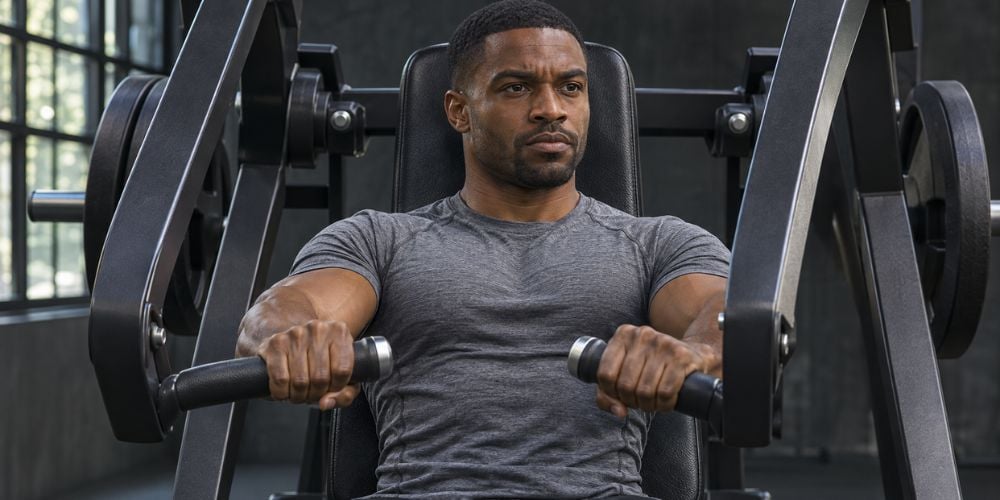
Some fixed-path machines can feel very rigid.
You push forward.
The handles stay the same distance apart.
Then you return.
A converging machine still guides the movement, but the inward arc can make the exercise feel less mechanical.
This can be useful if you like machine stability but still want a press that feels closer to how your arms naturally travel.
On the other hand, converging does not automatically mean better.
Research comparing machine and free-weight resistance training found that both approaches can effectively develop strength and muscle, with results depending partly on how strength is tested and trained.
So choose based on comfort, control, and your training goal rather than assuming one machine style is always superior.
6. It Allows Manufacturers to Design Around Body Mechanics
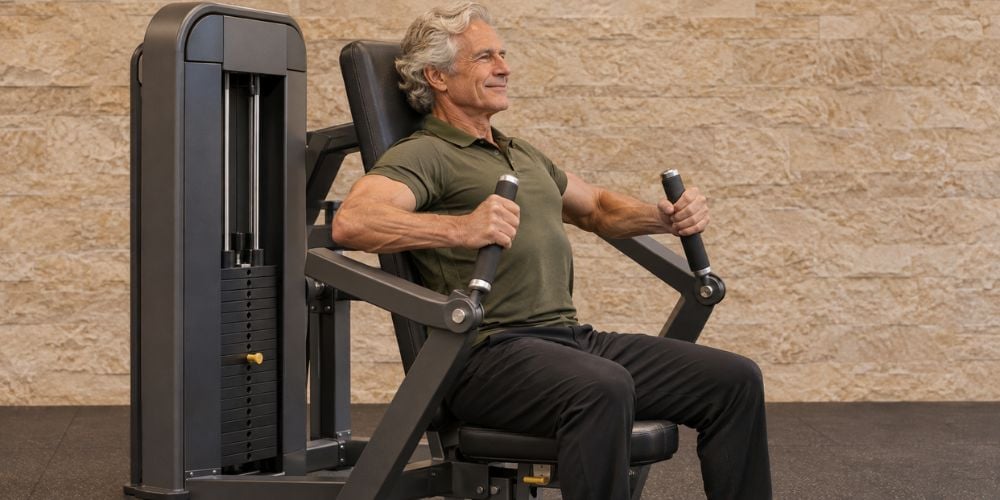
Converging movement does not happen by accident.
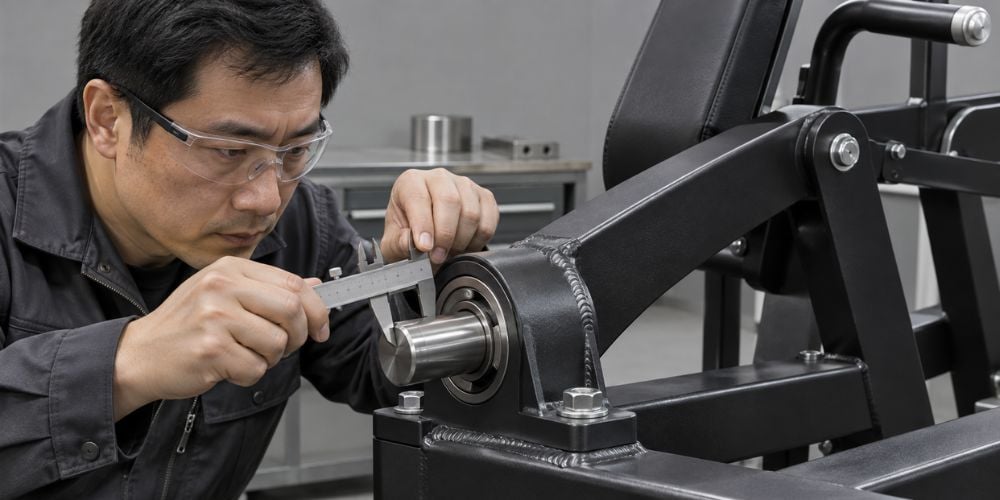
Manufacturers create the path by changing several parts of the machine.
Design Element | What It Can Change |
Pivot location | The arc followed by the handles |
Lever-arm length | How far the handles travel |
Handle position | Your hand and arm starting position |
Seat position | Your body position relative to the pivots |
Frame geometry | Overall direction of movement |
Starting and finishing angles | Where the exercise begins and ends |
Small changes can make a surprisingly big difference.
For example, changing the pivot position changes the arc your hands follow. That is one reason two chest press machines can look similar but feel completely different once you sit down.
In my experience, this is one of the most overlooked parts of choosing a machine.
The weight stack catches your eye first. The movement geometry is often what you actually feel during every repetition.
Conclusion
Machines use converging movement paths mainly to follow natural arm movement, better accommodate shoulder mechanics, and create a smoother pressing experience.
The easiest test is simple: does the machine let you press smoothly without forcing your shoulders or hands into an awkward position? If it does, the movement path is probably doing its job.
At YR Fitness, we design commercial strength equipment with movement angles and machine geometry in mind, not just the amount of weight a machine can hold.
If you want to see how different strength-machine designs handle these movements, explore YR Fitness equipment and compare the movement paths for yourself.
Related articles: