








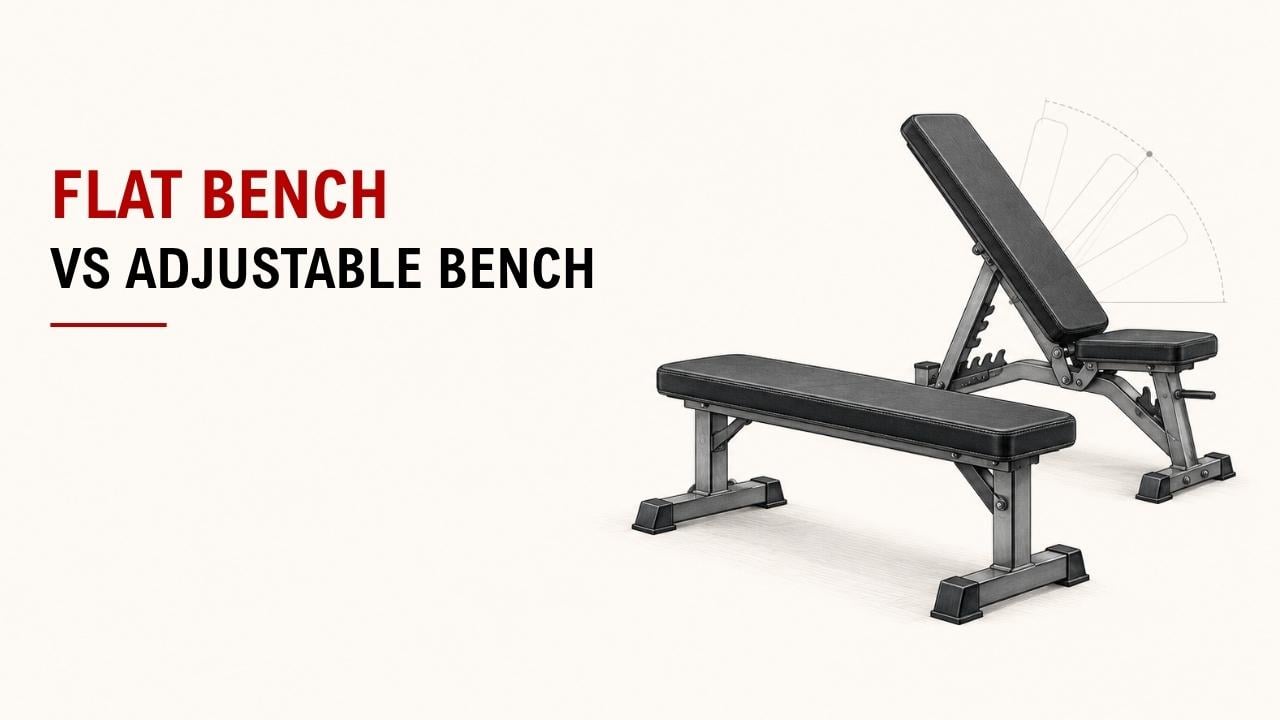

Not sure whether to choose a flat bench or an adjustable bench? The main difference is how much training variety you want.
A flat bench is simple and stable, while an adjustable bench gives you more angles and exercise options. If you mainly press flat, go flat; if you want more variety, adjustable is usually better.
As a Machinery & Structural Engineer at YR Fitness, I work closely with gym equipment structure, stability, and adjustment systems. I’ve seen how small design details can make a big difference in how secure and comfortable a bench feels during training.
This guide will quickly compare both bench types, their best exercises, and what to check before buying. You should be able to choose the right one without overthinking it.
1. What Is a Flat Bench?
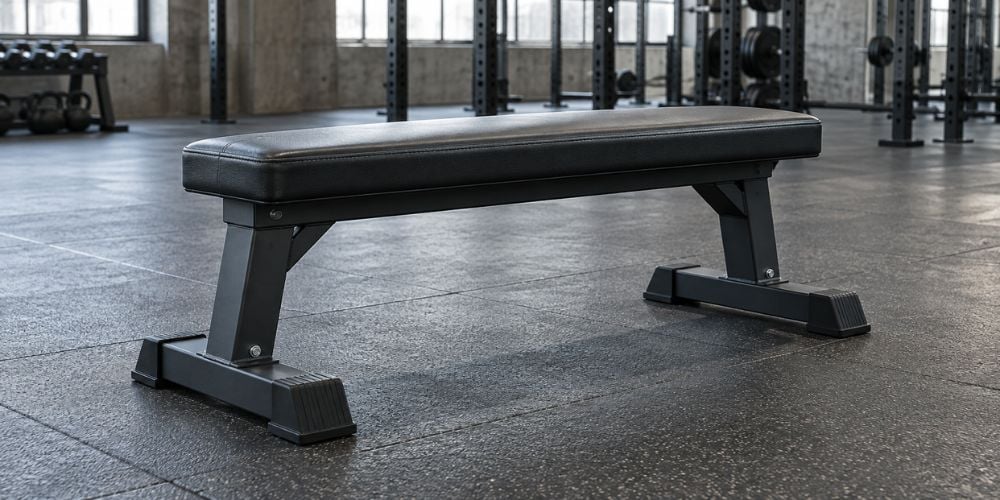
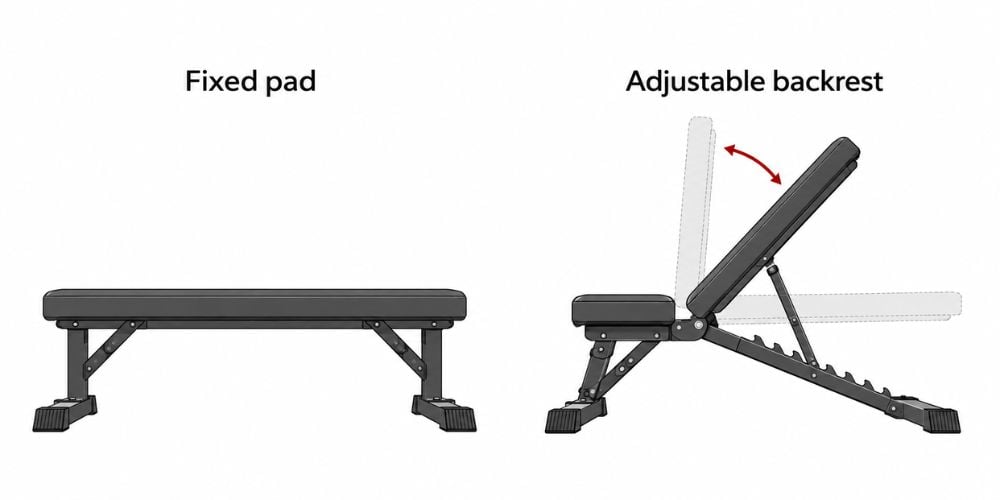
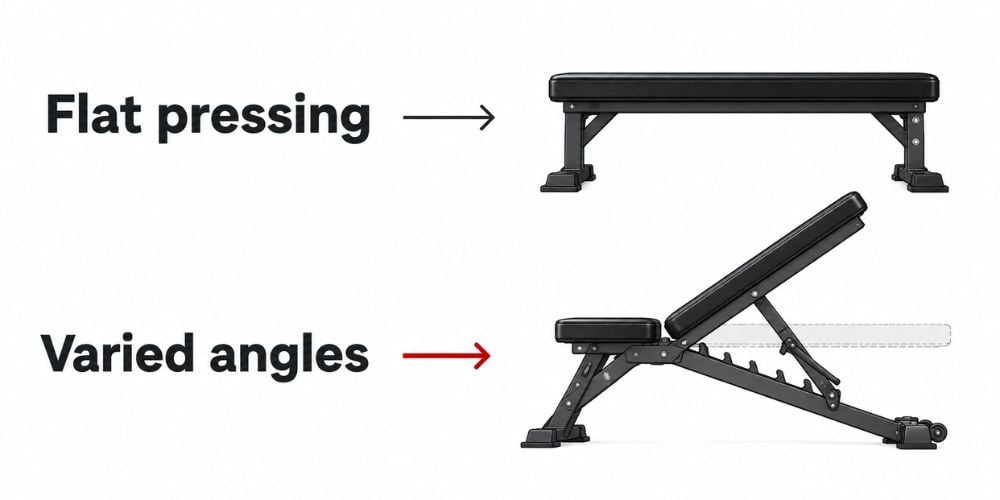
A flat bench has one fixed horizontal pad. There is no adjustable backrest.
That simple design is one of its main strengths.
You can use it for:
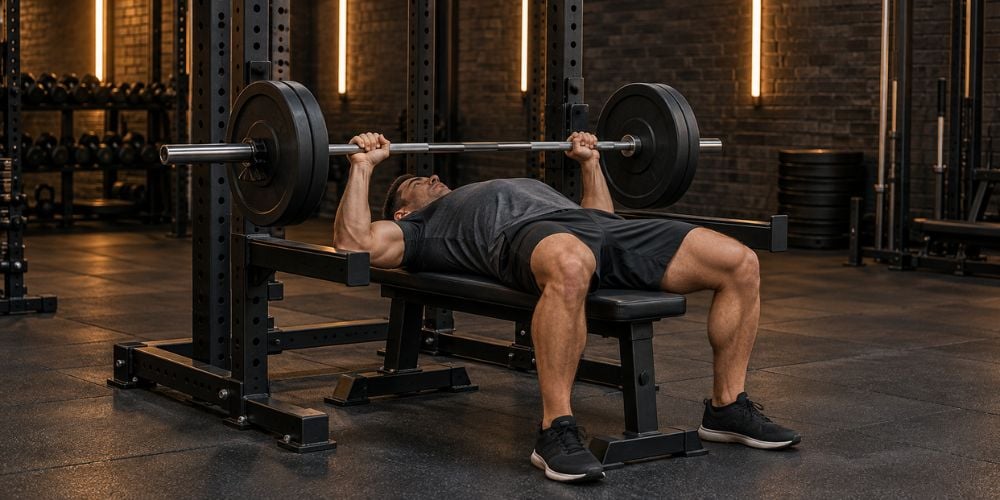
- Barbell bench press
- Dumbbell bench press
- Dumbbell rows
- Triceps extensions
- Bulgarian split squats
- Step-ups
Because there are fewer moving parts, a flat bench can feel very solid under heavy loads. I often prefer this straightforward setup when flat pressing is the main goal.
Flat benches are also usually lighter and easier to move.
Want a reference point for bench size? The International Powerlifting Federation’s technical rules specify competition benches at 42–45 cm high, with a pad width of 29–32 cm.
2. What Is an Adjustable Bench?
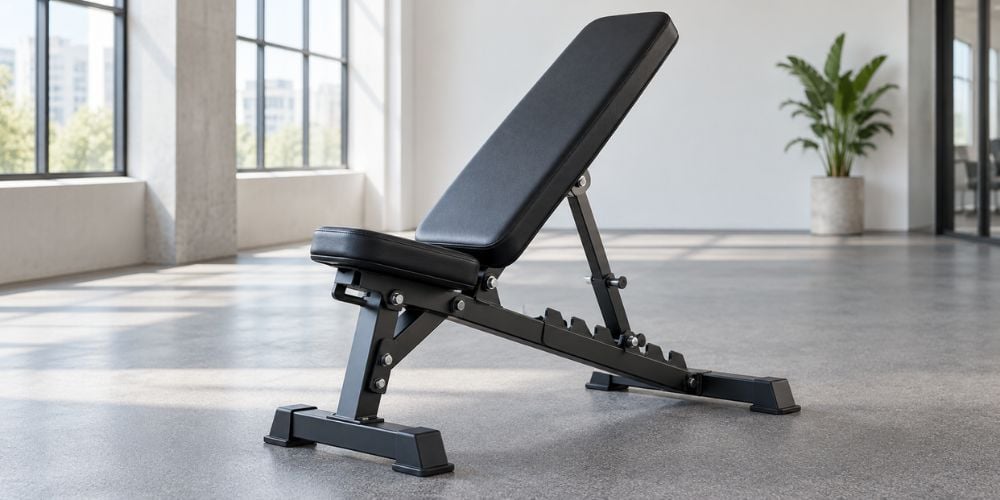
An adjustable bench lets you change the backrest angle. Many models also let you adjust the seat.
Common positions include:
- Flat
- Low incline
- Medium incline
- High incline
- Upright
- Decline on some models
The big benefit is versatility.
Want to put more emphasis on upper-chest work? Raise the backrest.
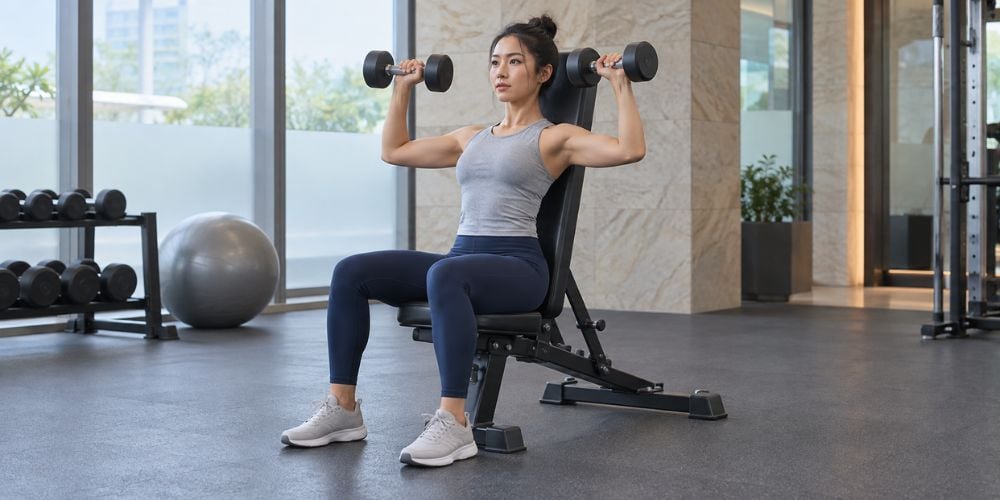
Want to perform seated shoulder presses? Move it closer to upright.
Want standard dumbbell presses again? Set it flat.
3. Main Differences Between a Flat and Adjustable Bench
Here is the quickest comparison.
Feature | Flat Bench | Adjustable Bench |
Backrest | Fixed | Multiple angles |
Stability | Usually very high | Depends on frame and adjustment system |
Exercise variety | Moderate | High |
Weight | Usually lighter | Usually heavier |
Moving parts | Very few | Several |
Storage | Easier | Can require more space |
Price | Usually lower | Usually higher |
Best for | Basic strength training | Versatile training |
Stability
A flat bench has a simple frame with fewer hinges and adjustment points. That can make it especially stable for heavy flat pressing.
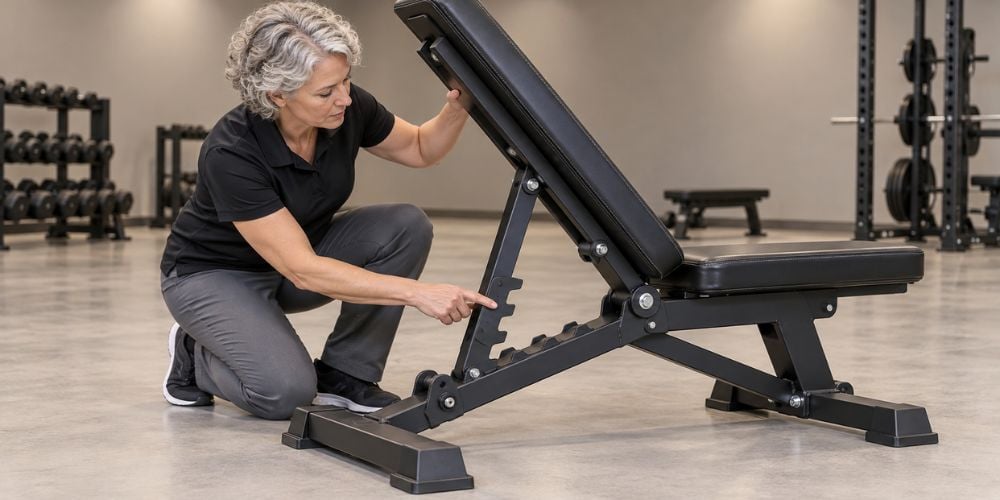
An adjustable bench can also feel very solid, but I look more closely at its pivot points, locking system, frame width, and side-to-side movement.
Here is why this matters: extra adjustment positions are only useful if the bench stays secure while you use them.
Exercise Variety
This is where the adjustable bench stands out.
One bench can support flat presses, incline presses, seated shoulder presses, incline curls, incline rows, and other movements.
A flat bench cannot change your torso angle.
So is the flat bench worse? No.
If most of your training happens flat, you may never need those extra positions.
Size and Weight
Flat benches are generally smaller and lighter.
Adjustable benches need hinges, locking mechanisms, extra frame parts, and additional supports. That usually makes them heavier.
If you move your bench often, look for wheels and a front handle.
At YR Fitness, we build commercial strength equipment with frame stability, practical adjustment, and repeated daily use in mind. If you want to compare how fixed and adjustable bench designs are built, browse our equipment range and use those construction details as a reference before choosing your bench.
4. Which Is Better for Bench Press?
For a traditional flat barbell bench press, a good flat bench is hard to beat.
It gives you a simple platform without a backrest gap or adjustment hardware underneath you.
The barbell bench press is also a proven chest exercise. Research highlighted by the American Council on Exercise found high pectoral activation during the movement, and ACE recommends keeping the movement controlled with the feet planted and the bar lowered toward the chest.
But what if you also want incline pressing?
Then an adjustable bench is more practical.
You can move through:
Flat press → low incline press → higher incline press → seated shoulder press
without changing benches.
I often see people focus too much on how many adjustment positions a bench offers. I would rather have fewer secure positions than many positions with noticeable movement in the frame.
5. Exercises You Can Do on Each Bench
Both benches support plenty of exercises. The adjustable bench simply gives you more angles.
Training Goal | Flat Bench Exercise | Adjustable Bench Exercise |
Chest | Flat barbell or dumbbell press | Flat or incline press |
Back | Dumbbell row | Incline dumbbell row |
Shoulders | Limited seated support | Seated shoulder press |
Arms | Lying triceps extension | Incline curl |
Chest isolation | Dumbbell pullover | Incline chest fly |
Legs | Bulgarian split squat | Bulgarian split squat |
Conditioning | Step-ups | Step-ups |
Which gives you more value?
Ask yourself one simple question:
Will I actually use the extra angles?
If yes, choose the adjustable bench.
If most of your training happens flat, the simpler bench may already do everything you need.
For smaller workout spaces, I often find adjustable benches useful because one bench can cover several exercise positions.
6. What Should You Check Before Buying?
Do not choose a bench just because it has many adjustment settings.
Start with the basics.
Weight Capacity
Check that the bench can support your body weight plus the weight you are lifting.
This matters even more if you use heavy dumbbells or place the bench inside a rack.
Frame Stability
Give the bench a gentle push from different directions.
- Does it rock?
- Does it shift?
- Does the backrest move sideways?
A good bench should feel planted before you add weight.
Bench Height
Your feet should be able to sit firmly on the floor during pressing exercises.
A bench that is too high can make your setup awkward, especially if you are shorter.
Padding
The pad should feel supportive rather than extremely soft.
Too much cushioning can make you feel less stable when pressing heavier weights.
Backrest Gap
Adjustable benches usually have a small gap between the seat and backrest.
Lie on the bench in its flat position and check whether the gap bothers you.
Flat Bench or Adjustable Bench: Which Should You Choose?
Here is the simple answer.
Choose a flat bench if you:
- Mainly perform flat bench exercises
- Want maximum simplicity
- Want a lighter bench
- Have a smaller budget
- Prefer fewer moving parts
Choose an adjustable bench if you:
- Want incline pressing
- Perform seated shoulder exercises
- Want more dumbbell variations
- Have limited space for multiple benches
- Want one bench for many exercises
Neither one is automatically better.
The better bench is the one that matches how you actually train.
Conclusion
A flat bench is simple, stable, and well suited to basic strength training. An adjustable bench gives you more angles and more exercise choices from one piece of equipment.
If you want to compare commercial-grade bench construction before making your choice, explore YR Fitness and see which bench style better matches the way you train.
Related articles:



