


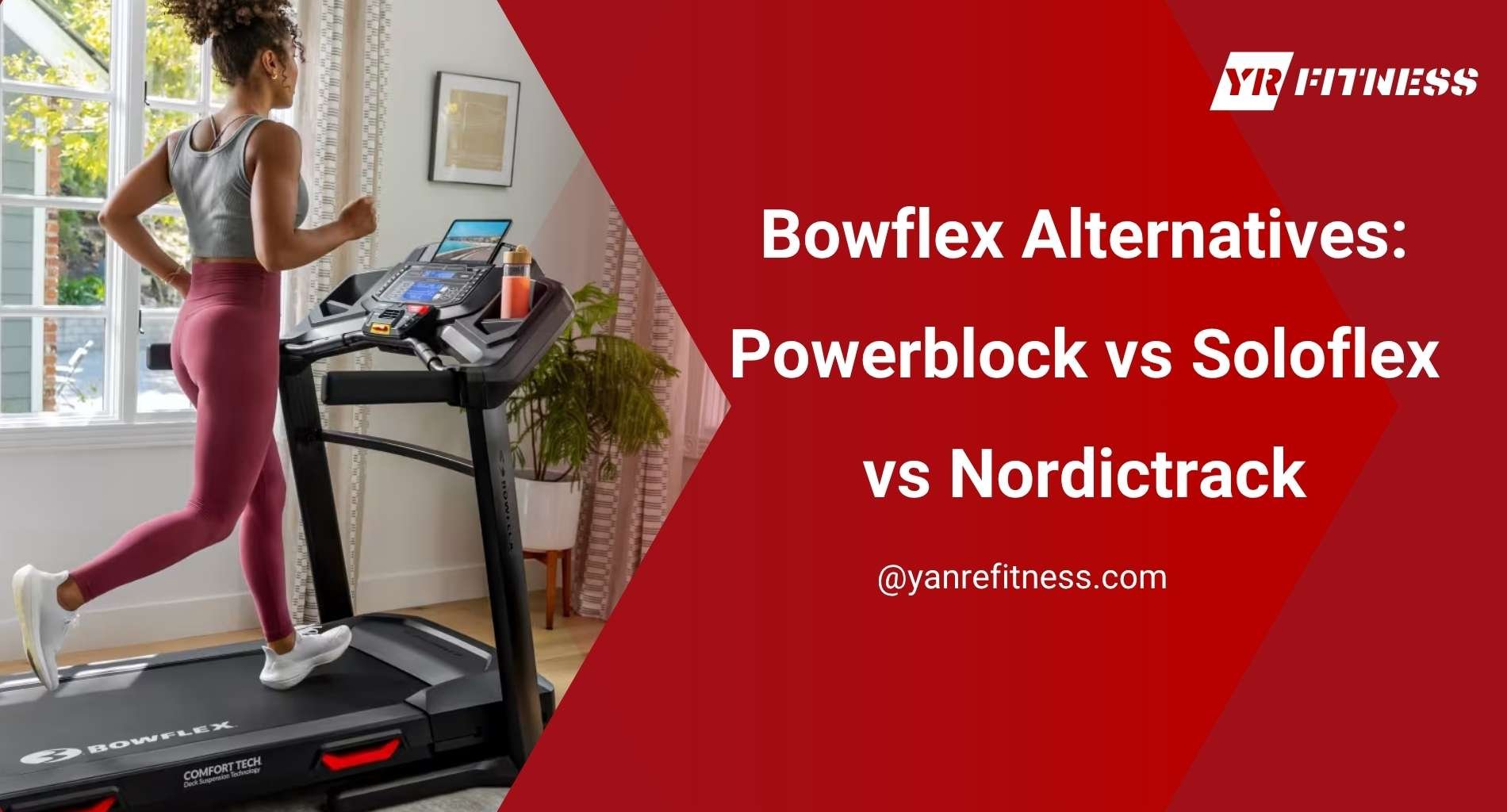
I remember installing a Bowflex machine for a small gym client. At first, it looked perfect for limited space. But after a few months, the bands lost tension, and parts started breaking.
That experience made me start looking for options that could handle heavy, daily use without constant repairs.
As someone who tests and sources gym equipment for commercial setups, I’ve spent years comparing different systems in real facilities. You can trust this review comes from hands-on use and feedback from gym owners, not marketing claims.
In this article, you’ll see how Powerblock, Soloflex, and NordicTrack perform in strength, durability, and overall value. You’ll know which brand gives better returns and fewer headaches in long-term operations.
If you’re rethinking your current setup or planning an upgrade, this guide will help you make a smarter choice.
So, let’s get started!
- 1. Why Consider a Bowflex Alternative?
- 2. Quick Comparison of Bowflex Alternative
- 3. Powerblock: Best for Space-Saving Strength Training
- 4. Soloflex: Best for Controlled Resistance Training
- 5. NordicTrack: Best for Training Variety
- 6. Factors to Consider When Choosing a Bowflex Alternative
- Why Importing From a Chinese Supplier Makes Sense
- Conclusion
1. Why Consider a Bowflex Alternative?
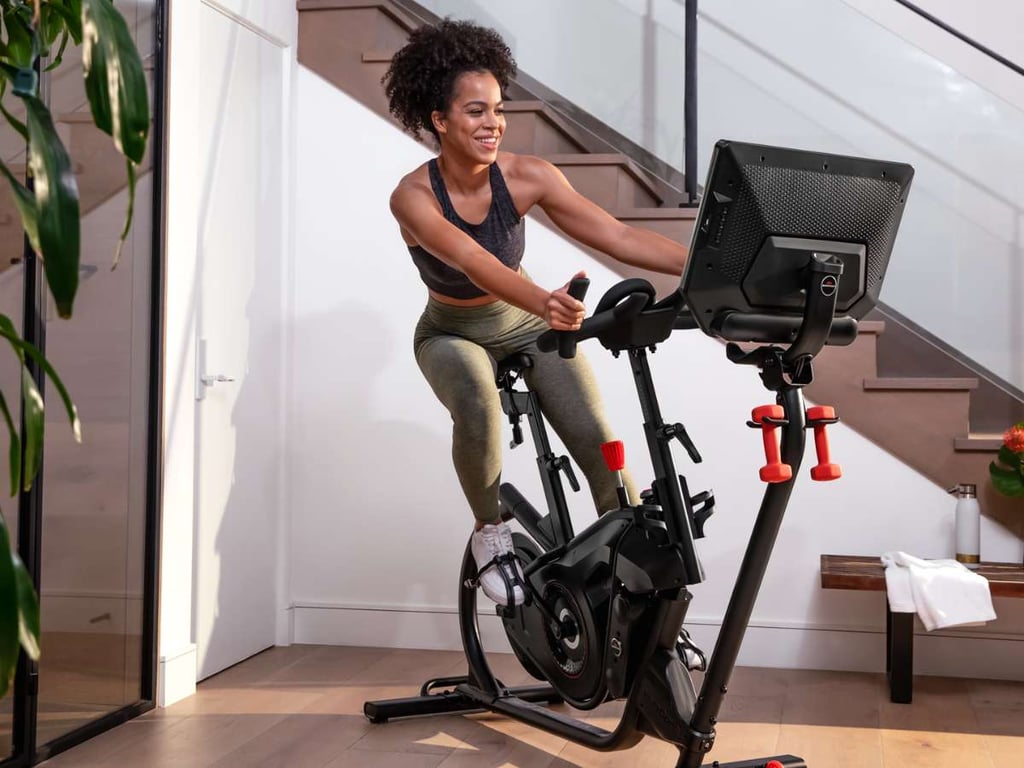
Bowflex has a solid reputation in fitness, but that doesn’t automatically make it the best option for every commercial setup. I’ve worked with gym owners who started with Bowflex because it was popular and compact. After a few months, though, they ran into problems that affected daily operations and profitability:
- Frequent band wear and tear that required costly replacements sooner than expected
- Limited resistance range that didn’t meet the needs of stronger or more advanced members
- Repair delays that led to downtime and interrupted training sessions
- Space and setup limits that made it hard to integrate multiple Bowflex units efficiently
These recurring challenges made many businesses look for alternatives that deliver consistent performance and longer life cycles. Powerblock, Soloflex, and NordicTrack are worth considering because they’re built with higher durability, simpler part replacements, and scalable configurations for gyms of any size.
2. Quick Comparison of Bowflex Alternative
Choosing the right Bowflex alternative depends on how your facility operates and who you serve. Some gyms need compact systems that save floor space, while others focus on training diversity or durability for daily use. Here’s a quick look at how Powerblock, Soloflex, and NordicTrack perform across key business needs.
- Powerblock: Best for gyms needing compact, durable strength equipment
- Soloflex: Best for studios offering low-impact or rehabilitation-style training
- NordicTrack: Best for facilities wanting variety and integrated digital programs
Brand | Features | Offerings | Watch Out For |
Bowflex | Compact home-style resistance system with adjustable tension bands | Strength machines, benches, treadmills | Band wear over time, limited load capacity for commercial use |
Powerblock | Adjustable dumbbell system with solid steel construction | Strength training sets, rack accessories | Limited maximum weight, less suitable for advanced lifters |
Soloflex | Elastic resistance with smooth motion and quiet operation | Full-body resistance stations, training benches | Requires band replacement, limited scalability for larger gyms |
NordicTrack | Cardio and strength equipment with interactive technology | Treadmills, rowers, functional trainers | Higher upfront cost, requires subscriptions for digital programs |
3. Powerblock: Best for Space-Saving Strength Training
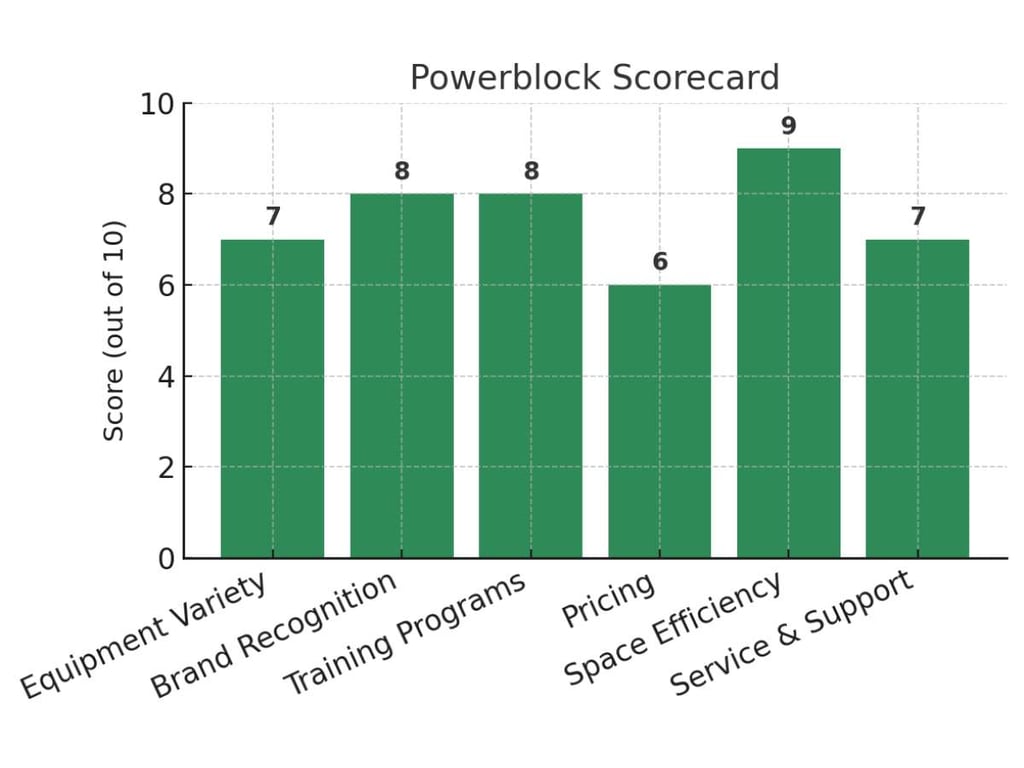
PowerBlock has become a trusted name for gyms that need reliable, space-efficient strength equipment. The brand focuses on smart design and long-term functionality, making it ideal for studios and training centers with limited floor area. Many gym owners choose PowerBlock for its commercial-grade durability and simple maintenance.
Pros
- Space Efficiency: Powerblock’s stackable block design replaces an entire dumbbell rack with a single compact set. This helps you maximize every square foot, perfect for gyms trying to fit more cross training stations without adding clutter or storage racks.
- Durability for Heavy Use: Built with solid steel plates and a strong selector pin, Powerblock can take years of repeated use. You won’t have to worry about bending handles or worn bands, which helps you cut down on long-term replacement costs.
- Quick Weight Adjustment: Members can switch weights in seconds, keeping sessions fast and efficient. Trainers love this feature too since it keeps group workouts moving smoothly during busy hours.
- Low Maintenance Over Time: Powerblock’s simple mechanical system means fewer breakdowns compared to cable or band setups. For you, that means less downtime, fewer service calls, and more consistent performance for clients.
Cons
- Limited Maximum Weight: Even with extensions, the maximum load isn’t as high as traditional dumbbells. For gyms serving advanced lifters, you may still need heavier fixed options to meet their training goals.
- Bulky Handle Design: The enclosed handle takes time for some users to adjust to. Trainers might need to demonstrate proper grip and form to help members feel more comfortable.
- Restricted Exercise Range: The block shape doesn’t suit every movement, especially functional or swing-style exercises. This can limit variety in group or circuit training programs.
- Higher Initial Cost: Powerblock sets cost more upfront than standard dumbbells. But for long-term use, the space savings and reduced replacement needs often make up for the price difference.
Why Gym Owners and Users Like Powerblock
Gym owners value Powerblock because it saves space, lasts longer, and cuts maintenance time. Trainers appreciate how easy it is to adjust weights between clients. Members like that it keeps workouts flowing smoothly without waiting around for equipment changes.
4. Soloflex: Best for Controlled Resistance Training
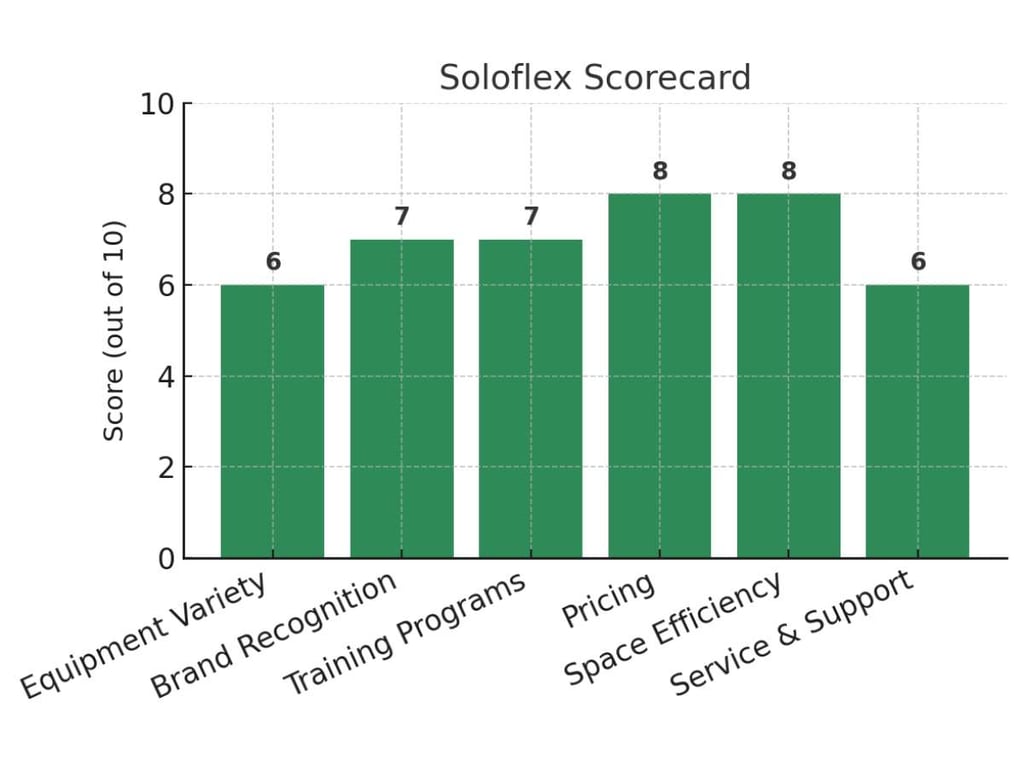
I found Soloflex to be a reliable option for smaller gyms that focus on personal training or rehab-style workouts. Its smooth, band-based resistance system helps reduce joint stress while keeping sessions controlled and quiet. For businesses serving beginners or clients needing low-impact training, it’s a practical alternative to traditional weight systems.
Pros
- Smooth Resistance System: Soloflex uses elastic resistance instead of weight stacks, creating a fluid and quiet workout. Your clients will feel steady resistance throughout each rep, helping them build strength without the joint strain that heavy plates can cause.
- Compact, All-in-One Frame: This setup combines several exercise stations in one piece of equipment. That means you can offer your members multiple workout options without crowding your gym floor or stretching your budget for separate machines.
- Low Noise Level: Since Soloflex doesn’t use metal weights, it runs almost silently. You’ll notice the difference in small studios or mixed-use spaces where quiet operation makes for a better client experience.
- Easy Setup and Maintenance: Soloflex is simple to assemble and easy to maintain over time. You won’t need a technician for every small issue, and replacing worn resistance bands is quick and affordable.
Cons
- Limited Weight Progression: Resistance bands have a ceiling on how much strength they can provide. If your gym caters to advanced athletes, you may need to pair Soloflex with free weights to meet their needs.
- Ongoing Replacement Costs: Over time, bands lose elasticity and will need replacing. While not expensive, you’ll need to plan for this recurring cost to keep your equipment performing consistently.
- Less Appeal for Traditional Lifters: Some of your members might prefer the feel of steel weights over bands. Your trainers may need to educate clients on the benefits of controlled resistance to build acceptance.
- Faster Depreciation: Because Soloflex relies on elastic resistance bands, it experiences faster depreciation compared to solid steel systems. Over time, the bands wear out and reduce the machine’s resale value, making it less ideal if you plan to upgrade or replace equipment later.
Why Gym Owners and Users Like Soloflex
Gym owners appreciate Soloflex because it’s quiet, easy to manage, and simple to maintain. Trainers like how it supports clients recovering from injury or starting strength training. Members enjoy its smooth motion and the comfort it provides during workouts.
5. NordicTrack: Best for Training Variety
NordicTrack stands out for its balance of innovation and dependability in commercial gyms. I’m impressed by how its wide selection of equipment, covering cardio, strength, and hybrid training fits so many business needs. If your facility values versatility and member engagement, this brand delivers the flexibility to keep your clients motivated and your gym looking professional.
Pros
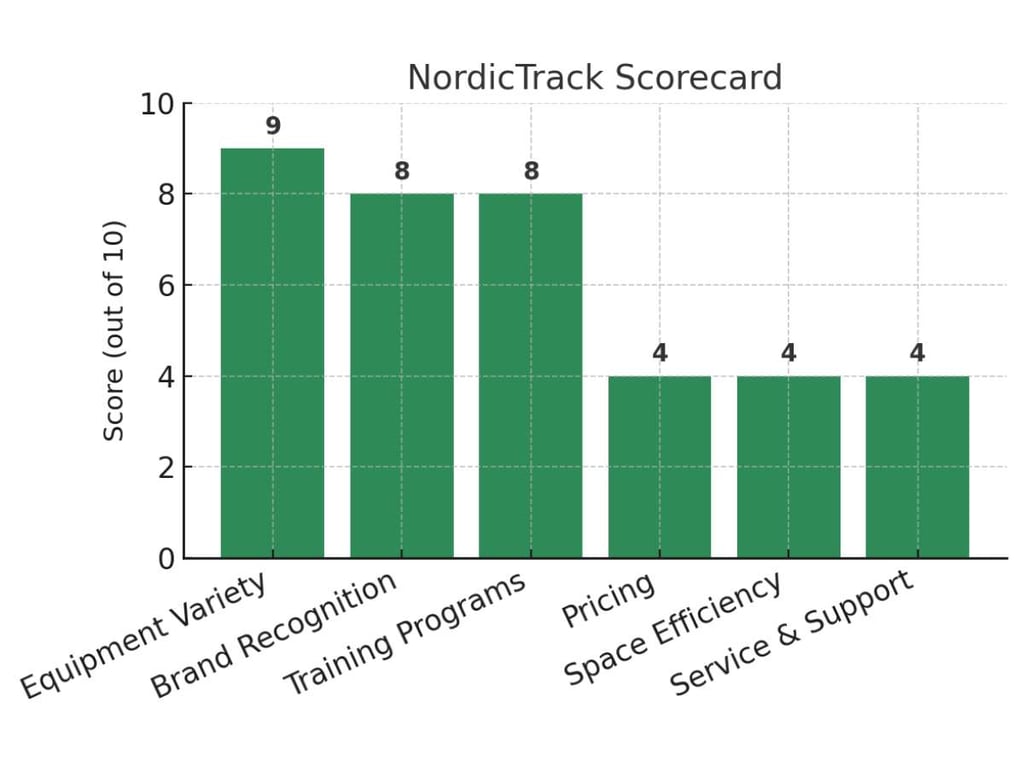
- Wide Equipment Range: NordicTrack offers treadmills, bikes, rowers, and strength units that let you build a complete training setup under one brand. You can design consistent, branded gym spaces while giving your members plenty of training options.
- Interactive Workout Technology: Built-in screens and guided workout programs keep your clients engaged from start to finish. You can use these features to create an upgraded experience that supports retention and adds value to your memberships.
- Reliable Business Support: NordicTrack offers responsive service and easy access to replacement parts. When you need assistance, you can expect quick responses that help you avoid extended downtime and lost revenue.
- Modern Aesthetic and Build Quality: The clean, polished design of NordicTrack equipment gives your gym a high-end look. Your members will notice the difference, and that positive impression can help your brand stand out in a crowded market.
Cons
- Higher Initial Cost: NordicTrack comes at a premium price compared to mid-tier equipment. If you’re working within a tight budget, you’ll need to plan for a higher upfront cost but can expect solid returns in quality and durability.
- Tech Maintenance Needs: Because of the built-in technology, you’ll need occasional updates and service calls. If your team isn’t tech-savvy, this could lead to additional costs for professional maintenance.
- Subscription Dependency: Many NordicTrack systems rely on active subscriptions for access to premium content and workouts. You’ll want to factor in these ongoing costs when projecting your operating budget.
- Space Requirements: NordicTrack’s larger models, especially treadmills and incline trainers, take up significant floor space. You may need to adjust your layout to maintain an open, efficient training flow.
Why Gym Owners and Users Like NordicTrack
Gym owners appreciate NordicTrack for its versatility, strong brand image, and wide training range that fits different member goals. Trainers like how its interactive programs make sessions more engaging and professional. Members enjoy the technology-driven workouts that keep them consistent, challenged, and motivated over time.
6. Factors to Consider When Choosing a Bowflex Alternative
By now, you’ve weighed the strengths and weaknesses of Powerblock, Soloflex, and NordicTrack side by side. The question is, which one makes the most sense for your business? Here are the main points I always tell gym owners and equipment suppliers to look at before making a final decision:
Space and Setup Needs
Every gym has its limits, and equipment layout plays a huge role in efficiency. Compact systems like Powerblock give you flexibility to fit more workout zones in tight areas. On the other hand, larger systems like NordicTrack require thoughtful placement to avoid crowding your training floor. Before buying, map your layout, test the flow, and imagine how your members move between machines.
Durability and Maintenance
For long-term reliability, Powerblock stands out with its solid steel construction and minimal moving parts. Soloflex is easier to maintain but its resistance bands need replacing over time. If your gym relies on high-tech appeal, NordicTrack works but be ready for occasional maintenance costs. If you’re also reviewing other categories of home-gym brands, quick comparisons like Schwinn, Sole, or Tonal alternatives can help put durability expectations in perspective.
Training Variety and User Experience
If you want to offer diverse training styles and interactive workouts, NordicTrack is your best pick. Powerblock suits gyms focused on strength and functional training. Soloflex fits quieter studios or facilities serving older clients who need controlled resistance.
Cost and Long-Term Value
Price tags can be deceiving if you only look at upfront costs. If you want to offer diverse training styles and interactive workouts, NordicTrack is your best pick. Powerblock suits gyms focused on strength and functional training. Soloflex fits quieter studios or facilities serving older clients who need controlled resistance.
Why Importing From a Chinese Supplier Makes Sense
Choosing between established brands like PowerBlock, Soloflex, or NordicTrack can be challenging. While they are well known, they don’t always fit every gym’s budget, layout, or long-term business goals. For many gym owners and distributors, working directly with a professional manufacturer offers a more practical solution.
China has become a global hub for commercial fitness equipment, and YR Fitness stands out as a reliable manufacturer with decades of experience. Founded in 1997, YR Fitness focuses on delivering commercial-grade quality at competitive pricing, helping businesses maintain profitability without compromising performance or durability.
What sets YR Fitness apart:
- Professional Design & Engineering: All equipment is self-designed with proper movement angles based on ergonomics and biomechanics, widely recognized by professional trainers. This ensures safe, natural motion suitable for daily commercial use.
- Proven Quality Standards: YR Fitness meets ISO20957 standards and holds over 40 design and utility patents. Their products are built to compete with high-end international brands while remaining more cost-effective.
- Durable Commercial Construction: Machines are engineered for high-traffic gym environments, offering long-term durability that supports member retention and consistent performance.
- One-Stop Equipment Supply: YR Fitness provides a full range of solutions—including strength machines, cardio equipment, free weights, and accessories—allowing gym owners and distributors to source everything from one supplier.
- Global Export Experience: With exports to over 100 countries and regions, YR Fitness understands international market requirements and commercial gym expectations worldwide.
While YR Fitness may not yet have the same brand recognition as some long-established Western brands, it offers a strong balance of quality, professional design, and affordability. For gym owners and distributors seeking reliable commercial equipment without the high price tag of big-name brands, YR Fitness is a practical and dependable alternative.
Recommended Reading:
Looking for trusted manufacturers? Check out this article for practical insights and detailed recommendations.
Conclusion
Choosing the right Bowflex alternative is not just about price or brand recognition. It comes down to what fits your business goals and how your members train.
Powerblock stands out for its durability and compact design, Soloflex offers smooth resistance ideal for controlled workouts, and NordicTrack provides versatility with technology that keeps members engaged.
Whatever choice you make, focus on value, reliability, and long-term performance that keeps your gym running efficiently!
Related articles: