








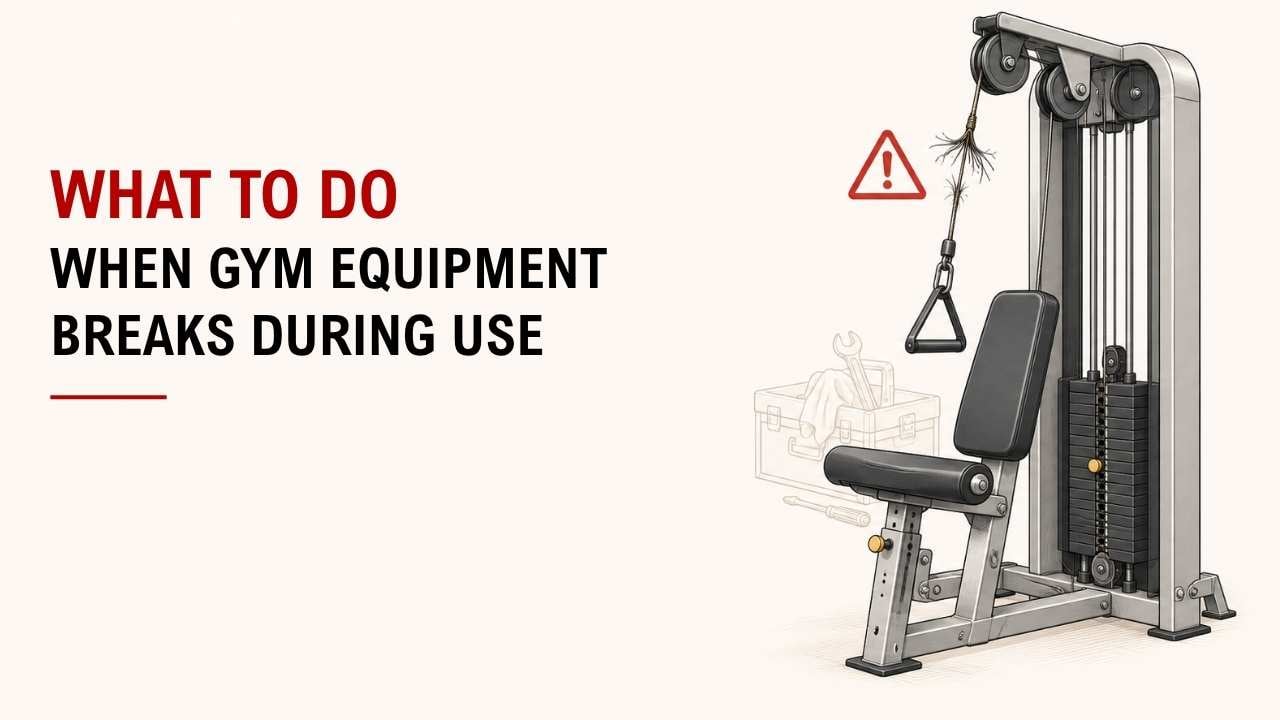

Has a gym machine ever slipped, jammed, or made a strange noise during your workout? If something feels wrong, stop using it.
The quick answer: check yourself for injury, warn others, report the machine, and switch exercises. Never test or repair damaged equipment yourself.
As a Machinery & Structural Engineer at YR Fitness, I work closely with cables, pulleys, frames, bearings, and other machine parts. I often see small warning signs appear before a more serious equipment problem develops.
So, what should you do next? Below are seven simple steps to help you handle broken gym equipment safely.
1. Stop the Exercise Immediately
Something feels wrong?
Stop immediately.
Do not try to finish the last few reps. If the machine slips, shakes, sticks, makes unusual noises, or suddenly moves differently, release the handles or weight carefully.
Then move away from the equipment.
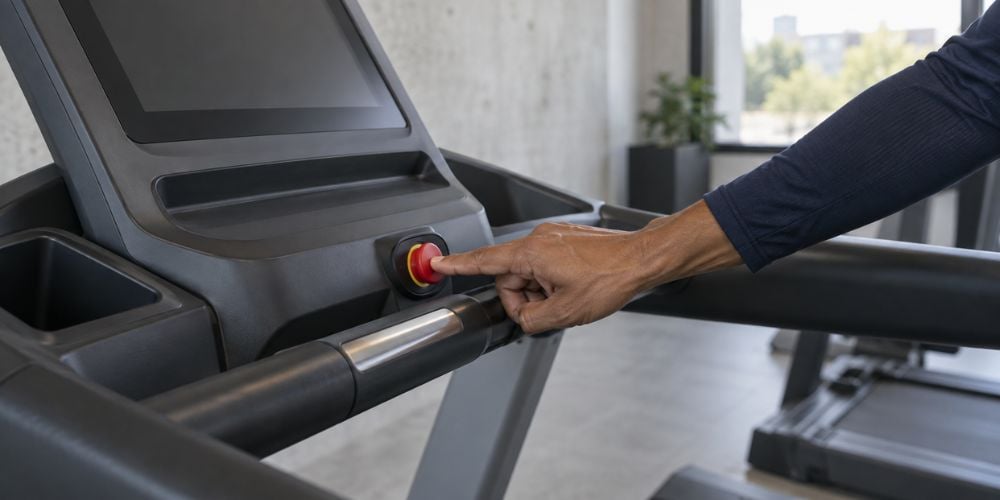
Using a treadmill or another powered cardio machine? Use the emergency stop if needed. For example, Life Fitness explains that its treadmill safety key can stop the belt immediately when pulled; you can read its emergency-stop guidance for a practical example.
I would never recommend trying a faulty machine “one more time.” That extra test can turn a small equipment issue into an injury.
2. Check Yourself for Injury
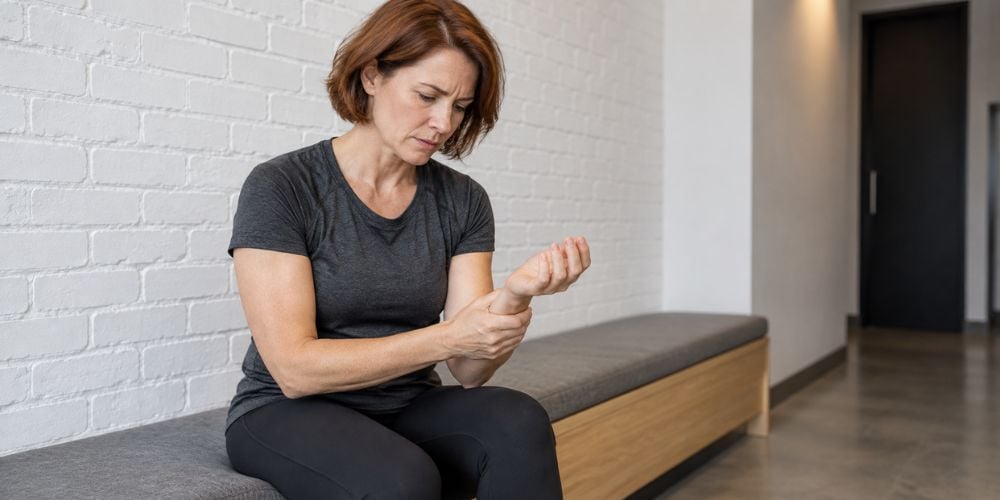
Once you are safely away, take a few seconds to check how you feel.
What You Notice | What to Do |
No pain or unusual feeling | Move to another safe exercise |
Mild soreness or discomfort | Stop and see how the area feels before continuing |
Strong or worsening pain | Stop training and ask for help |
Cannot move or bear weight normally | Get medical attention |
Numbness, tingling, or obvious deformity | Seek urgent medical help |
Also watch for joint pain, muscle pain, cuts, pinching, dizziness, loss of balance, or unusual back and neck discomfort.
The NHS guidance on sprains and strains advises getting medical help when an injury is very painful, getting worse, difficult to move, or prevents you from putting weight on the affected area. Numbness, tingling, or an oddly shaped body part can require more urgent care.
Should you keep exercising through pain?
No. First make sure you are okay.
3. Do Not Try to Repair the Machine Yourself
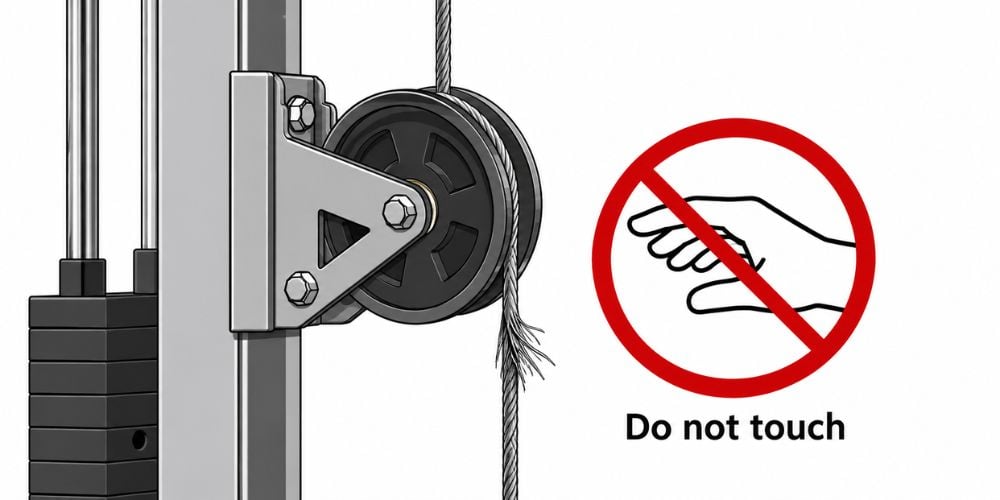
See a loose cable or bolt?
Leave it alone.
Do not:
- Pull or reconnect cables
- Tighten bolts
- Open protective covers
- Move pulleys
- Adjust treadmill belts
- Touch electrical components
Some machines can still hold tension even when they are not moving. Weight stacks, cables, springs, and other parts may shift unexpectedly.
From my engineering experience, I would rather see someone leave a damaged machine untouched than accidentally make the problem worse. Let trained gym staff or maintenance technicians inspect it.
Here is why this matters: exercise-machine failures can involve more than a small inconvenience. The U.S. Consumer Product Safety Commission has documented cases where loose components on cable machines created serious impact hazards, which is a good reminder not to investigate moving parts yourself.
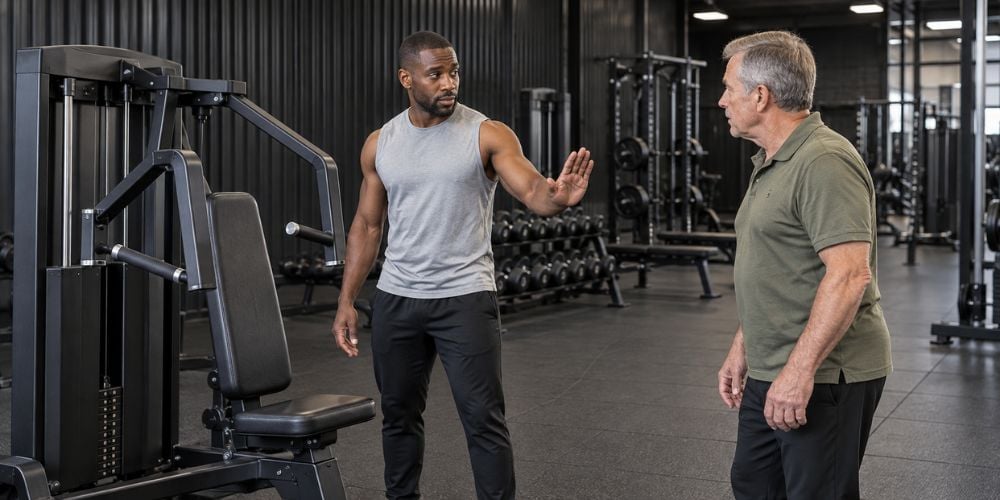
4. Warn Other Gym Users
Do not simply walk away and leave the machine for the next person.
Tell anyone nearby that something may be wrong.
You can simply say:
“This machine may be broken. I’ve reported it to staff.”
If staff have not arrived yet, try to make sure someone else does not immediately start using it.
This matters even more when the problem is hard to see. A slipping cable, unstable seat, loose handle, or resistance problem may look minor from the outside.
Commercial equipment is built for repeated use, but good design and regular inspection still matter. At YR Fitness, we design strength and cardio equipment for heavy daily training, with attention to frames, movement systems, materials, and long-term reliability. If you want to understand what durable commercial equipment looks like, you can explore our equipment range while comparing different machine designs.
5. Report the Equipment to Gym Staff
Tell a staff member as soon as possible.
You do not need to diagnose the problem. Just describe what happened.
Give them these details:
- Which machine you were using
- What exercise you were doing
- What suddenly changed
- Any unusual noise you heard
- Whether something became loose or stuck
- Whether anyone was hurt
For example:
“The cable made a snapping sound during the pulldown, and the resistance suddenly changed.”
That is much more useful than simply saying, “The machine is broken.”
The clearer you are, the easier it is for staff to know what needs checking.

6. Use Another Machine Instead
A broken machine does not have to end your whole workout.
Pick another exercise that trains a similar muscle group.
Broken Machine | Simple Alternative | Main Area Trained |
Chest press | Dumbbell press or cable press | Chest |
Lat pulldown | Assisted pull-up or another pulldown station | Back |
Leg press | Hack squat or squat | Legs |
Treadmill | Exercise bike or elliptical | Cardio |
Cable machine | Selectorized machine or free weights | Depends on exercise |
Shoulder press | Dumbbell shoulder press | Shoulders |
Not sure what to choose?
Keep it simple. Pick an exercise you already know rather than learning a completely new movement halfway through your workout.
I usually prefer this approach because you can stay focused on your workout without adding another unnecessary variable.
7. Do Not Use the Machine Until It Is Cleared
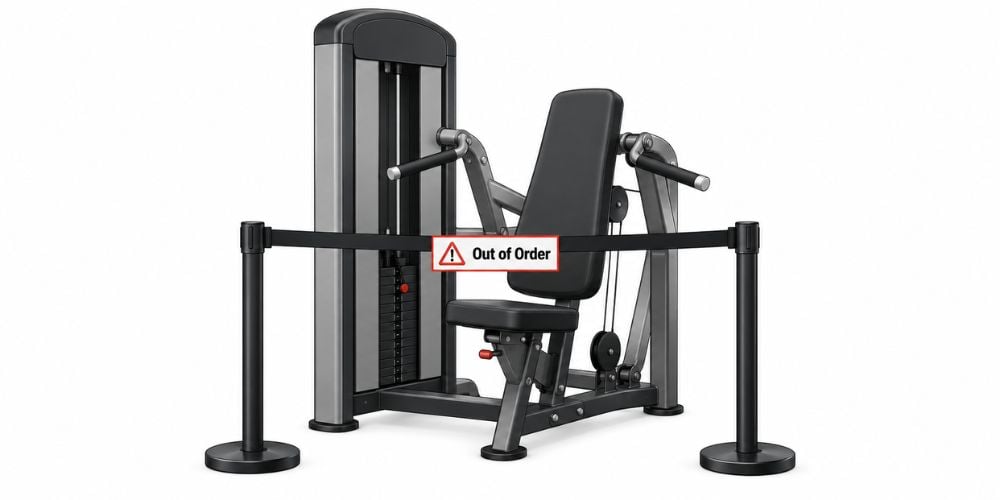
See an Out of Order sign?
Leave the machine alone.
Do not remove the sign, move a barrier, or test the machine because it “looks fine.”
Some problems are hidden inside the equipment. A damaged cable, bearing, pulley, belt, fastener, or other internal component may only show the problem once resistance is applied.
Wait until gym staff confirms that the machine is ready to use again.
Your workout is not worth taking a chance on equipment that has already shown signs of failure.
Conclusion
If gym equipment breaks during use, remember the basic order: stop, check yourself, warn others, report the problem, and switch exercises. Never keep training on a machine that feels unsafe.
Good equipment design and regular maintenance can also reduce problems during everyday training.
If you want to see commercial strength and cardio machines designed around durability and repeated daily use, explore the equipment from YR Fitness and compare the options that fit your training environment.
Related articles:



