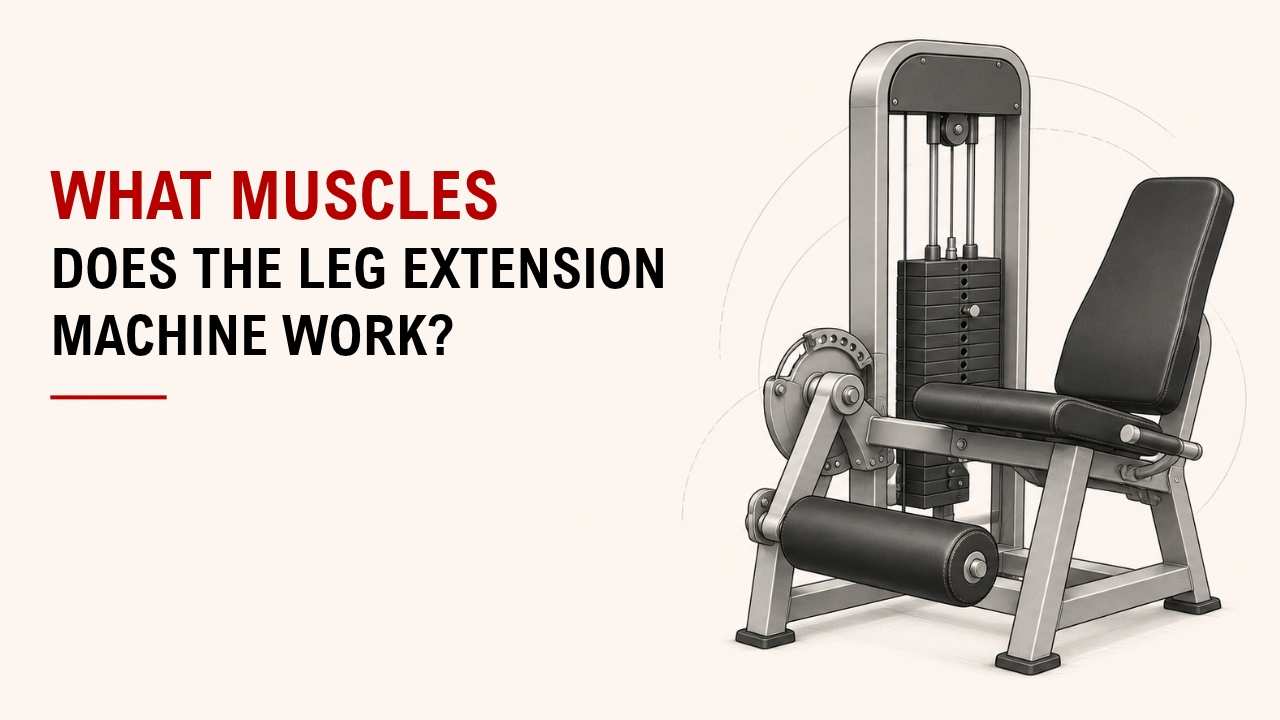

Have you ever used the leg extension machine and wondered which muscles you’re actually training? Does it work your whole leg or just your thighs?
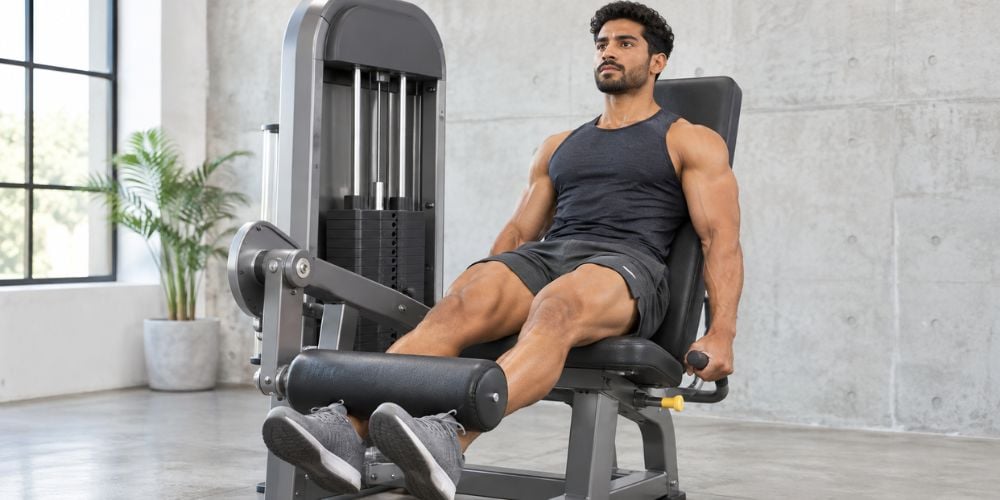
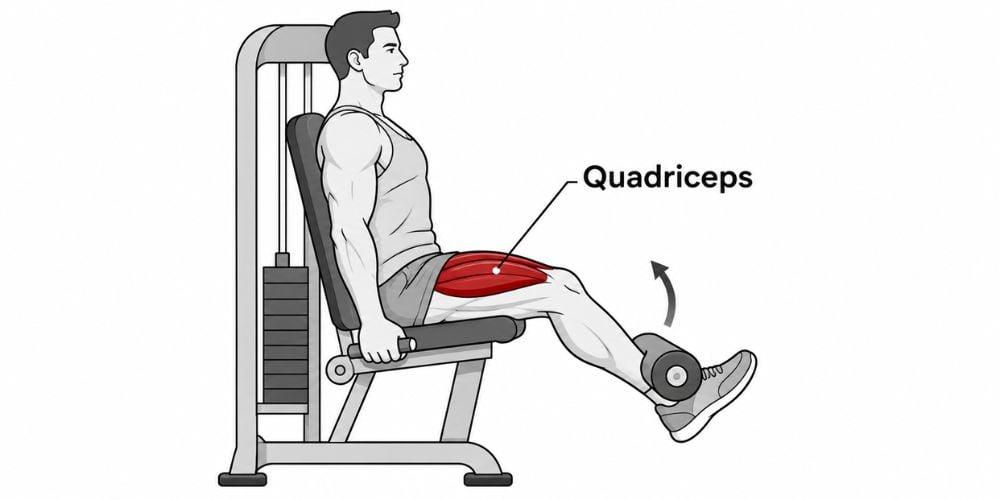
The leg extension machine mainly works your quadriceps, the four muscles at the front of your thighs. These muscles help straighten your knees during activities like walking, running, and climbing stairs.
As an Exercise Physiology and Biomechanics Expert at YR Fitness, I study how muscles work during different exercises. Understanding these movements helps you train more effectively and avoid common mistakes.
In this guide, you’ll learn which four muscles the leg extension targets and whether other muscles get involved. You’ll also see how to include this exercise in a balanced leg workout.
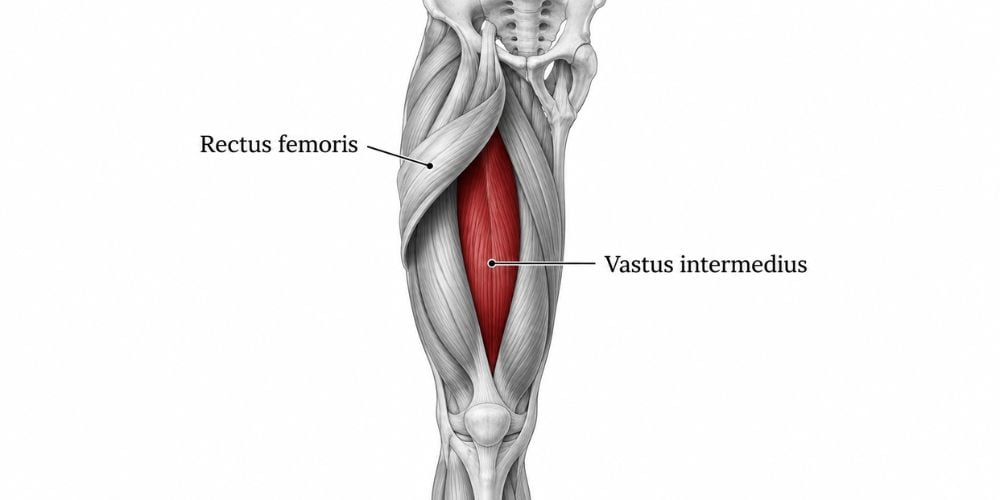
1. Rectus Femoris
The rectus femoris runs down the front and center of your thigh. It’s one of the most visible quadriceps muscles.
What it does:
- Straightens your knee during leg extensions.
- Helps lift your thigh toward your body.
- Supports movements involving both your hip and knee.
Unlike the other quadriceps muscles, the rectus femoris crosses both your hip and knee joints.
Why does this matter?
When you straighten your legs against resistance, this muscle helps produce the movement. It also plays a role in everyday activities like walking and running.
2. Vastus Lateralis
The vastus lateralis sits on the outer side of your thigh. It’s one of the largest muscles in your quadriceps.
What it does:
- Helps straighten your knee.
- Produces force during leg extensions.
- Contributes to outer thigh muscle size.
Want bigger and stronger thighs? This muscle plays an important role in developing your quadriceps.
I often remind beginners that leg extensions train all four quadriceps muscles, not just the outer thigh.
3. Vastus Medialis
The vastus medialis is located on the inner front side of your thigh, just above your knee.
You may recognize its teardrop shape near your kneecap.
What it does:
- Helps straighten your knee.
- Supports proper kneecap movement.
- Contributes to inner quadriceps development.
This muscle works alongside your other quadriceps during leg extensions.
Do you need to change your foot position to target it?
Not really. You don’t need to turn your feet inward or outward to isolate this muscle.
Instead, keep your legs comfortably aligned and focus on controlled movements.
4. Vastus Intermedius
The vastus intermedius sits underneath your rectus femoris, deep inside your thigh.
You can’t easily see it, but it’s still an important part of your quadriceps.
What it does:
- Straightens your knee.
- Produces force during leg extensions.
- Supports overall quadriceps strength.
This muscle works whenever you straighten your knees against resistance.
My tip: Don’t rush your repetitions or use more weight than you can control. Smooth movements help you keep the exercise focused on your quadriceps.
A comfortable machine setup also matters. For example, the C424 leg extension machine offers adjustable starting positions, a foam roller, and a backrest to help users find a suitable training position.
At YR Fitness, we design our leg extension machines with smooth movement paths, adjustable settings, and solid construction to support controlled quadriceps training. If you want to see how these features work together, explore our 7324 leg extension machine and its five adjustable starting positions.
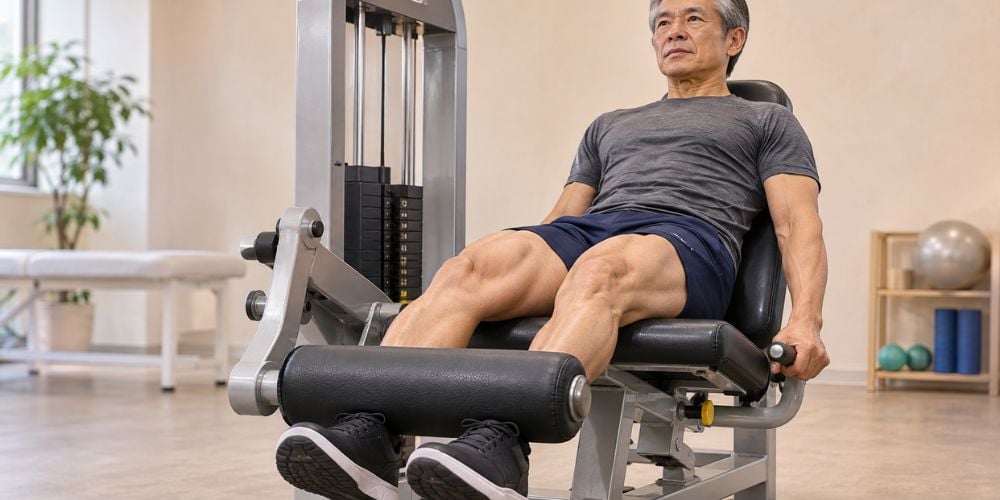
Does the Leg Extension Work Other Muscles?
Yes, but only a little.
The leg extension mainly targets your quadriceps. Other muscles help stabilize your body, but they don’t do most of the work.
Here’s a quick breakdown:
Muscle Group | Involvement | What It Does |
Quadriceps | Primary | Straightens your knees |
Hamstrings | Minimal | Not directly targeted |
Glutes | Very little | Helps maintain seated stability |
Calves | Minor | May help stabilize your lower legs |
Core | Supporting | Helps keep your body stable while seated |
What Does This Mean for Your Workout?
If your goal is stronger or bigger quadriceps, leg extensions are a good exercise to include.
However, they won’t fully train your hamstrings, glutes, or other lower-body muscles.
For a more balanced leg workout, combine them with:
- Leg Curls: Focus on your hamstrings.
- Squats: Work your quadriceps, glutes, and other lower-body muscles.
- Leg Presses: Train your quadriceps and glutes together. You can see how this movement works on a 45-degree leg press machine.
- Romanian Deadlifts: Focus on your hamstrings and glutes.
I recommend using leg extensions alongside these exercises rather than relying on them alone.
The Physical Activity Guidelines for Americans also recommend muscle-strengthening activities at least two days per week.
What if you want to train both the front and back of your thighs?
Try pairing leg extensions with leg curls. The two exercises focus on different muscle groups.
For example, a leg extension and leg curl machine combines both movements in one unit, allowing you to train your quadriceps and hamstrings separately.
Conclusion
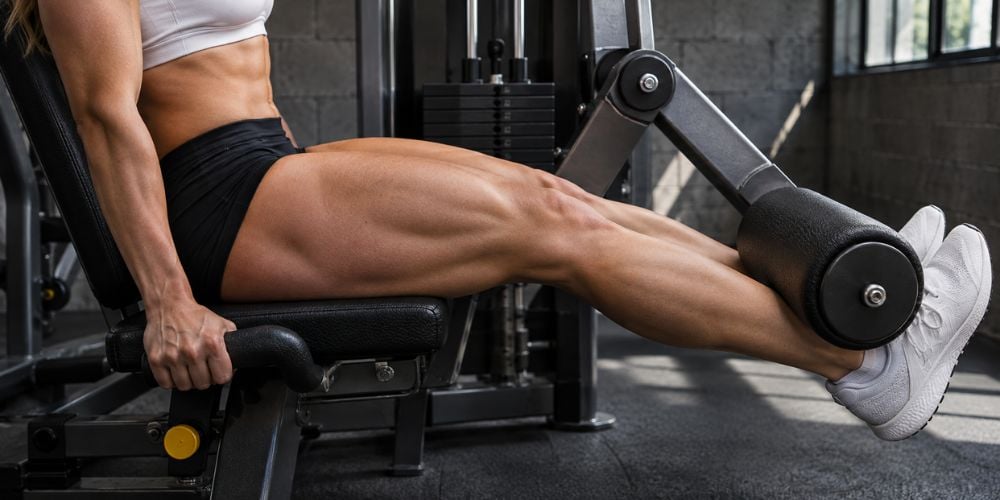
The leg extension machine mainly works four quadriceps muscles: rectus femoris, vastus lateralis, vastus medialis, and vastus intermedius.
All four help straighten your knees and build front thigh strength. For balanced leg development, pair leg extensions with squats, leg curls, or other lower-body exercises.
Want to see how a properly designed machine supports your workouts? Explore the YR Fitness strength equipment collection to learn more about machines built for smooth, controlled training.
Related articles: