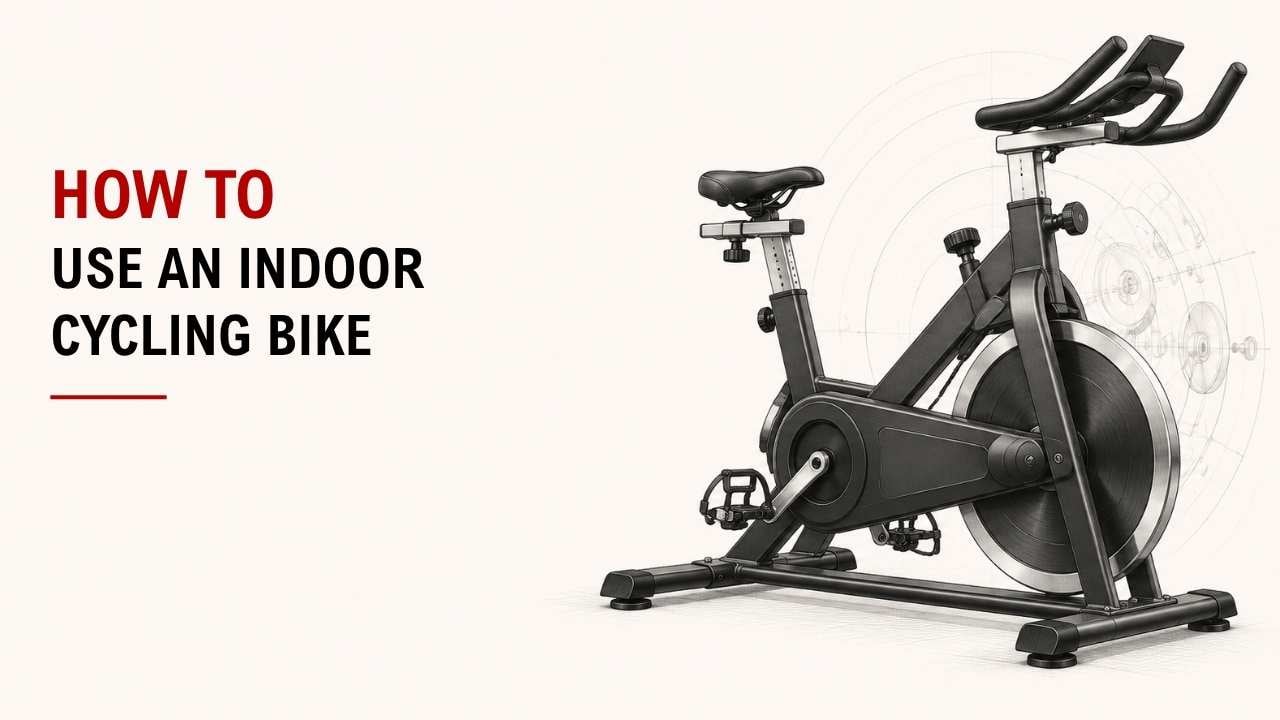

Not sure how to use an indoor cycling bike? The right setup makes cycling easier and more comfortable.
Adjust the seat and handlebars, secure your feet, start slowly, set the resistance, and maintain good posture. These six steps will help you ride correctly.
As an Exercise Physiology & Biomechanics Expert at YR Fitness, I help people understand proper exercise movements and body positioning. I’ve seen how small bike adjustments can improve comfort and reduce unnecessary strain.
Below, I’ll show you six simple steps to use an indoor cycling bike. Follow them to get the most out of your ride.
1. Adjust the Seat Height
Before pedaling, check your seat height. A seat that’s too high or too low can put unnecessary strain on your knees.
Here’s how to adjust it:
- Stand beside the bike and set the seat near your hip height.
- Sit down and place your feet on the pedals.
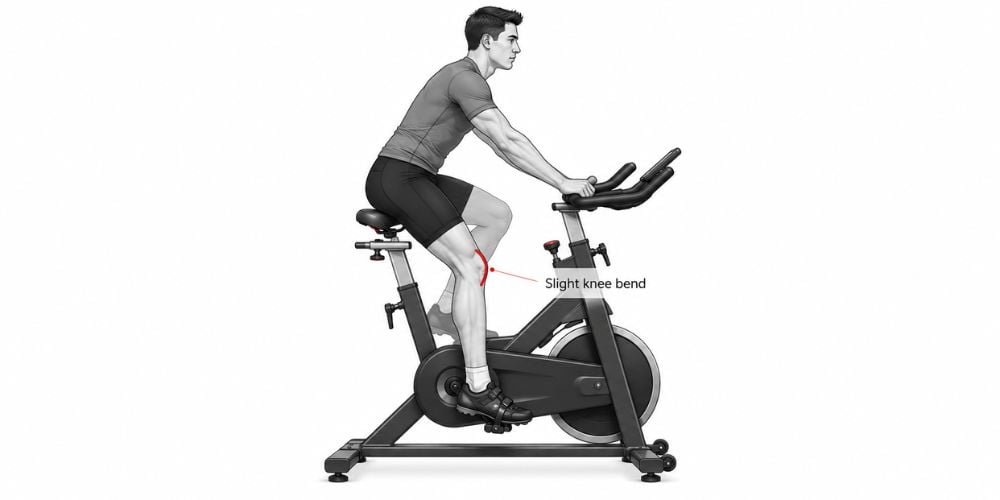
- Move one pedal to its lowest position.
- Check that your knee has a slight bend.
- Adjust the seat until your hips stay level while pedaling.
How do you know the seat is correct?
Your leg should extend comfortably without locking your knee or rocking your hips.
According to Hospital for Special Surgery’s bike setup guide, finding the right bike fit depends on your body and comfort. Small adjustments can make a noticeable difference.
I always recommend checking the seat height before every ride, especially if someone else has used the bike.
2. Set the Handlebar Position
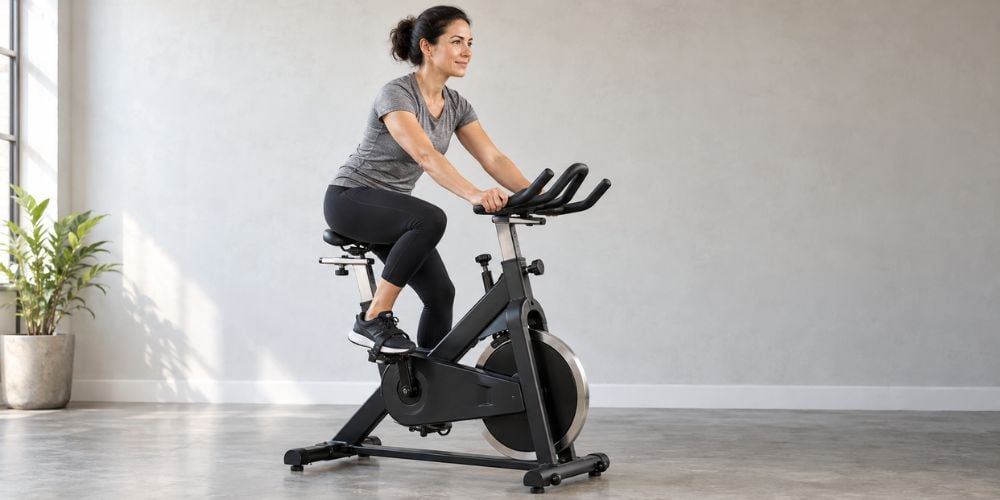
Your handlebars should be easy to reach without stretching your arms or rounding your back. The right position helps reduce pressure on your shoulders, wrists, and lower back.
Follow these steps:
- Start with the handlebars at or slightly above seat height.
- Place your hands on the handlebars.
- Keep your elbows slightly bent.
- Relax your shoulders and maintain a neutral back.
- Adjust the handlebars if you feel stretched or cramped.
Should your handlebars be higher than your seat?
For beginners, slightly higher handlebars often feel more comfortable because they allow a more upright riding position.
On the other hand, experienced riders may prefer a lower position. What matters most is keeping your back comfortable and your upper body relaxed.
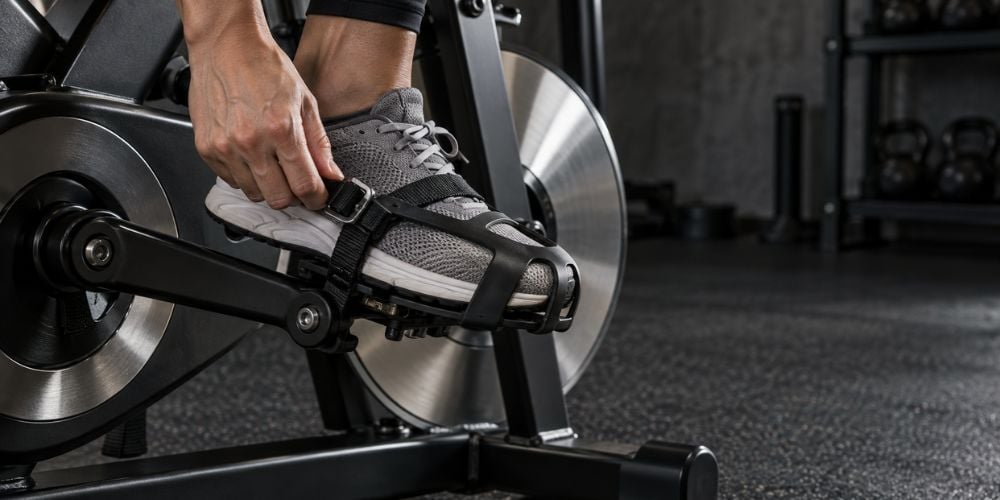
3. Secure Your Feet on the Pedals
Your feet should stay firmly in place throughout your ride. Loose straps or incorrect foot placement can make pedaling uncomfortable and harder to control.
Here’s what to do:
- Position the balls of your feet over the pedal axles.
- Slide your feet into the pedal straps if available.
- Tighten the straps until your feet feel secure.
- Make sure the straps aren’t too tight.
- Pedal slowly to test your foot position.
If your bike uses clip-in pedals, wear compatible cycling shoes and make sure they’re properly attached.
Why does foot placement matter?
Stable feet help you pedal smoothly without unnecessary movement inside your shoes.
The American Council on Exercise’s indoor cycling guidance also recommends adjusting equipment correctly and working at your own pace.
Quick Tip: Never start pedaling quickly without securing your feet first, especially on bikes with a fixed-gear flywheel.
A comfortable ride starts with a stable bike and adjustable features. At YR Fitness, we manufacture commercial cardio equipment designed for regular use, with a focus on durability and dependable performance.
Explore our equipment to see what features to look for in an indoor cycling setup.
4. Start Pedaling Slowly
Don’t rush into a hard workout. Begin with light resistance to help your muscles and joints warm up.
Follow these steps:
- Sit comfortably with both feet secured.
- Add a small amount of resistance.
- Start pedaling at an easy pace.
- Maintain a smooth, steady rhythm.
- Warm up for 3–5 minutes.
I often see beginners pedal too fast when they first start. A slower, controlled pace is usually a better way to learn proper cycling technique.
How long should beginners cycle?
Start with a short workout that feels manageable. You can gradually increase the duration as your fitness improves.
Here’s a simple routine:
Cycling Stage | Duration | Intensity |
Warm-up | 3–5 minutes | Easy |
Main ride | 10–15 minutes | Comfortable to moderate |
Cool-down | 3–5 minutes | Easy |
For the main ride, choose a pace that makes you breathe a little harder without feeling exhausted.
5. Adjust the Resistance
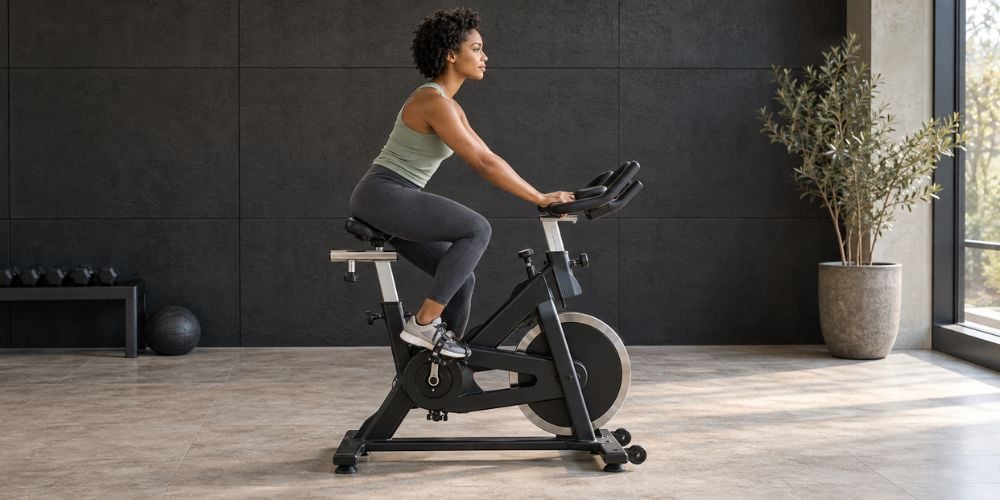
Resistance determines how hard you need to push the pedals. More resistance makes your legs work harder, while less resistance makes pedaling easier.
Here’s how to adjust it:
- Find the resistance knob or control.
- Begin with light resistance.
- Increase it gradually once you’re warmed up.
- Keep your pedal strokes smooth.
- Lower the resistance if you feel tired or lose proper form.
How much resistance should you use?
Choose a level that challenges your legs without making your body rock or your pedaling feel uneven.
Resistance Level | How It Feels | Best For |
Light | Easy pedaling | Warm-up and cool-down |
Moderate | Noticeable effort | Steady cycling |
High | Challenging pedaling | Short, harder intervals |
Resistance settings vary between bikes, so focus on how your body feels rather than the number shown on the machine.
Not sure whether you’re cycling too hard? The CDC’s physical activity intensity guide explains a simple talk test.
- Moderate intensity: You can talk but not sing comfortably.
- Vigorous intensity: You can only say a few words before needing a breath.
For beginners, moderate intensity is usually a practical place to start.
6. Maintain Proper Cycling Posture
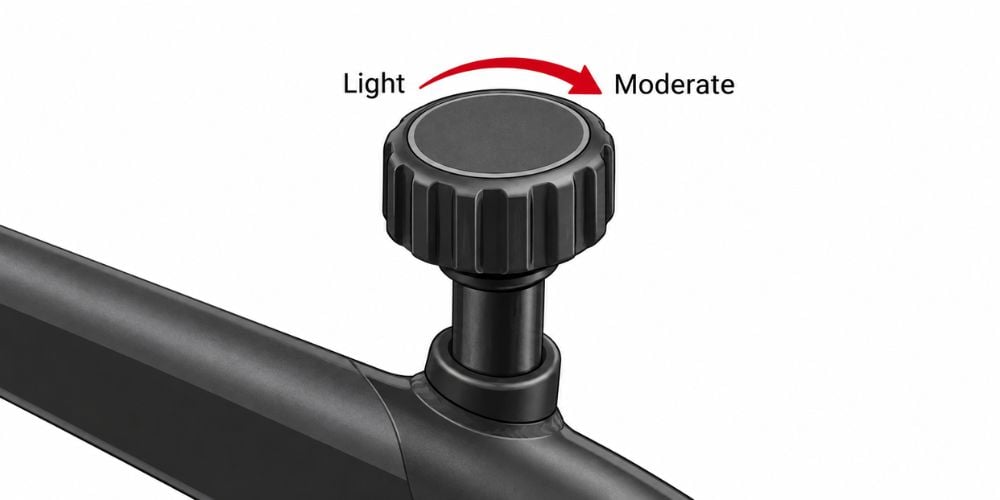
Good posture helps you pedal comfortably and avoid unnecessary strain. Keep your upper body relaxed while your legs do most of the work.
Check these positions while riding:
- Head: Look forward instead of down.
- Shoulders: Keep them relaxed.
- Back: Maintain a comfortable, neutral position.
- Arms: Keep your elbows slightly bent.
- Hands: Hold the handlebars lightly.
- Knees: Keep them aligned with your feet.
- Hips: Stay stable without rocking from side to side.
Should you lean forward while cycling?
Yes, a slight forward lean is normal. Just avoid putting too much weight on your hands or rounding your back excessively.
In my experience, beginners often grip the handlebars too tightly when cycling gets harder. Relax your upper body and reduce resistance when needed to maintain control.
When you’re ready to finish:
- Gradually lower the resistance.
- Pedal slowly for 3–5 minutes.
- Allow the pedals and flywheel to stop completely.
- Use the emergency brake when necessary before getting off.
Quick Tip: If you experience knee pain, lower-back discomfort, or unusual pressure on your wrists, stop and check your bike setup before continuing.
Conclusion
Using an indoor cycling bike is easy once you know the basics. Adjust your bike, secure your feet, start slowly, control the resistance, and maintain good posture.
A comfortable workout also depends on reliable equipment.
Explore the commercial cardio equipment at YR Fitness to learn more about bikes and other machines designed for consistent indoor training.
Related articles: