








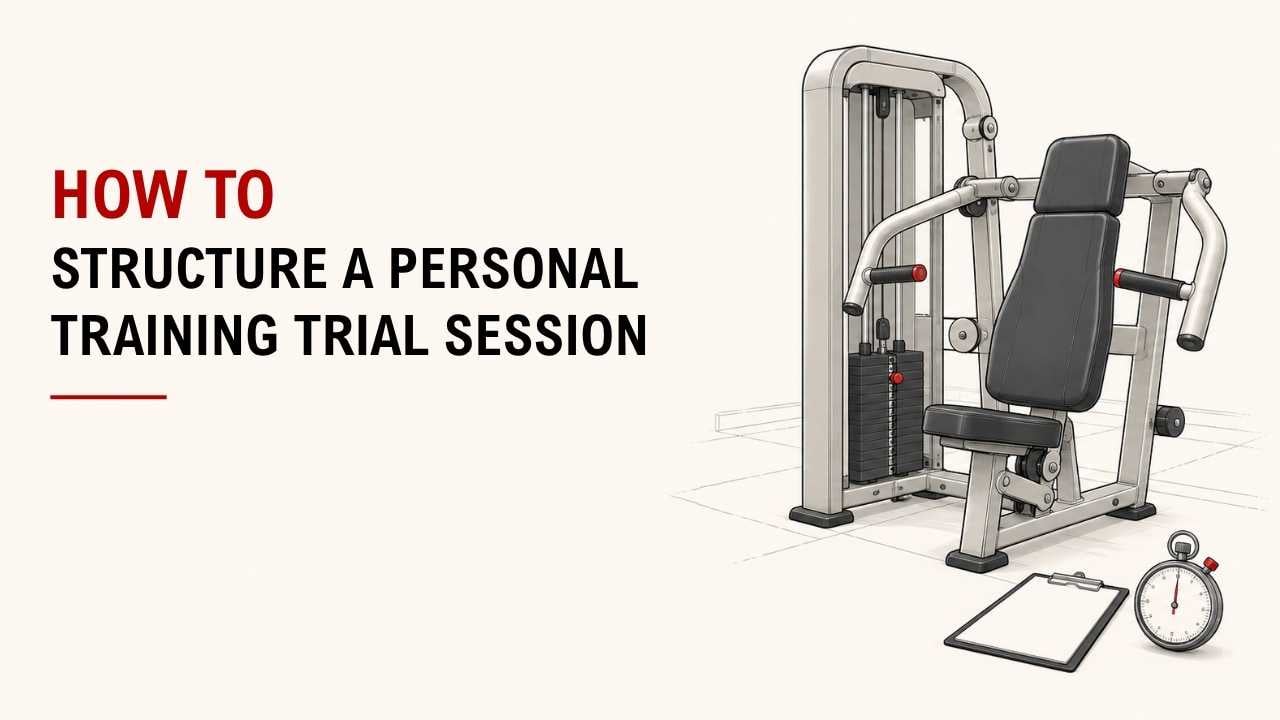

Not sure how to structure a personal training trial session? Keep it simple and make the first session easy to follow.
Start with a short conversation, check readiness, assess basic movement, warm up, run a simple workout, and finish with a clear next step.
As an Exercise Physiology & Biomechanics Expert at YR Fitness, I work closely with exercise movement, machine setup, and user positioning. I often see that beginners learn faster when the first session is structured, comfortable, and not overloaded with exercises.
Below, I’ll show you the eight steps to structure a personal training trial session from start to finish.
1. Start With a Short Conversation
Spend the first 5–10 minutes learning about the person.
Ask:
- What is your main fitness goal?
- Have you trained before?
- How often do you want to exercise?
- What exercises do you enjoy?
- Is there anything you dislike?
Why start here?
Because the answers should shape everything that comes next.
Someone who wants general fitness may need a different trial from someone who wants to build strength. A complete beginner may also need more guidance than someone who already trains regularly.
Keep the conversation relaxed. You are trying to understand the person, not interview them for half the session.

2. Check Basic Health and Training Readiness
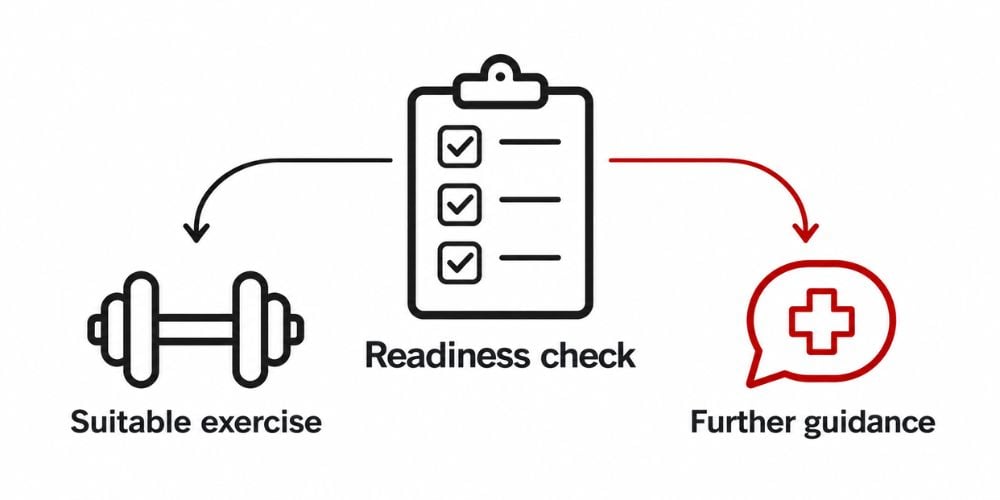
Before exercising, check whether anything could affect the workout.
Ask about:
- Current injuries
- Previous injuries
- Pain during movement
- Medical restrictions
- Exercises they have been told to avoid
- Recent physical activity
For a more structured check, the official PAR-Q+ physical activity readiness questionnaire can help identify whether someone may need additional screening before increasing physical activity.
What if something concerns you?
Do not try to diagnose it.
If an issue falls outside your professional scope, modify the session or recommend appropriate medical guidance before continuing.
Keep this part practical. The goal is to choose a session that fits the person’s current situation.
3. Perform a Simple Movement Assessment
You do not need a long testing session.
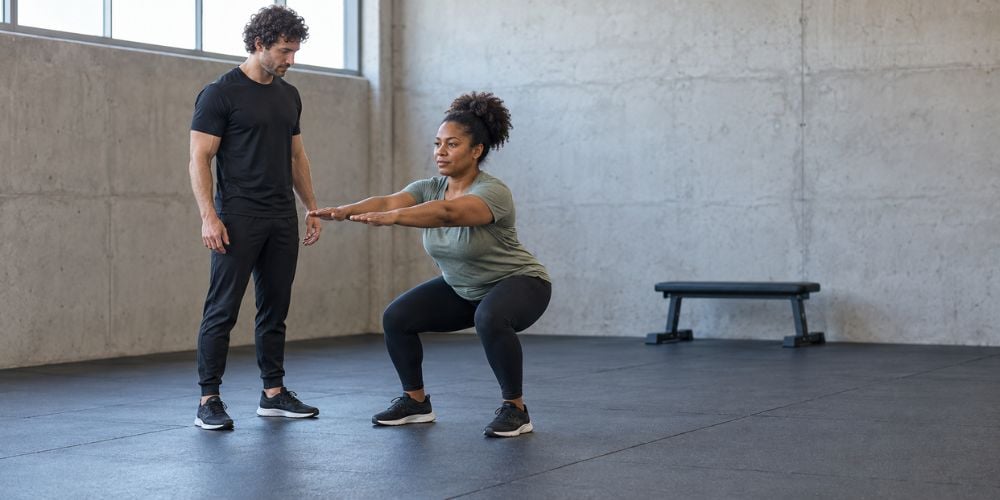
Check a few basic movements:
Movement | What to Watch |
Bodyweight squat | Balance, depth, control |
Hip hinge | Hip movement and back position |
Push | Upper-body control |
Pull | Shoulder and upper-back movement |
Step or lunge | Balance and leg control |
Shoulder movement | Comfortable range of motion |
Look mainly at balance, control, range of motion, and discomfort.
For example, if someone struggles to control a bodyweight squat, there is little reason to start their trial with a complicated barbell squat.
Choose exercises based on what you actually see.
I often find that this simple approach tells you enough to plan the rest of a beginner session without turning the trial into a long assessment.
4. Give Them a Short Warm-Up
Keep the warm-up to around 5 minutes.
You can use:
- Easy treadmill walking
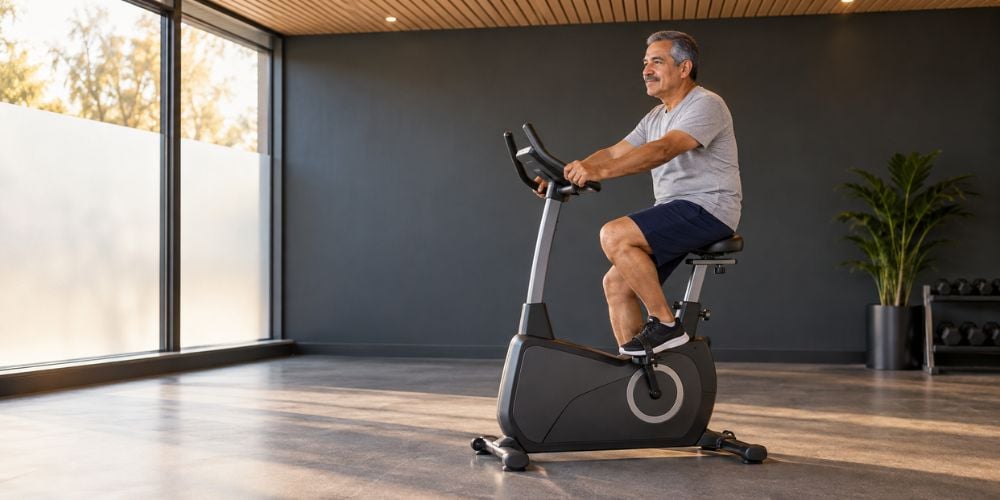
- Stationary cycling
- Elliptical exercise
- Dynamic leg movements
- Arm circles
- Light bodyweight movements
The American Heart Association’s warm-up guidance explains that gradually increasing activity helps raise heart rate and prepare the body for exercise.
Match the warm-up to what you are about to do.
If the session is a simple full-body workout, you probably do not need 15 minutes of complicated mobility drills. Get the person moving and prepare them for the main exercises.
5. Run a Simple Sample Workout
This is the main part of the trial.
Choose around 4–6 exercises instead of trying to show every machine in the gym.
Here is one simple example:
Exercise | Trial Volume | Main Focus |
Leg Press | 1–2 × 10–12 reps | Legs |
Chest Press | 1–2 × 8–12 reps | Chest and arms |
Lat Pulldown | 1–2 × 8–12 reps | Back |
Seated Row | 1–2 × 8–12 reps | Back |
Leg Curl | 1–2 × 10–12 reps | Hamstrings |
Easy Cardio | 5 minutes | General conditioning |
Use manageable resistance.
The person should leave thinking, “I understand how to do this,” rather than, “I barely survived that workout.”
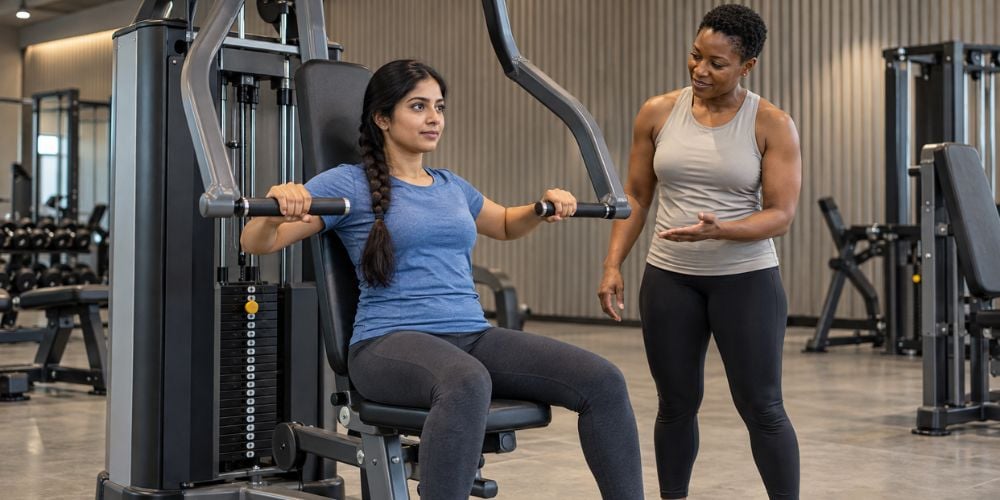
During each exercise:
- Show the setup.
- Explain the movement.
- Demonstrate briefly.
- Let them try.
- Correct the biggest mistakes.
- Keep the reps controlled.
I prefer giving one or two useful cues at a time. Five instructions at once usually make a new movement harder to learn.
Good equipment can make this teaching process much easier. At YR Fitness, we design commercial strength and cardio machines with practical adjustments and training-focused movement paths, so if you are comparing equipment for a training space, you can explore our commercial gym equipment at YR Fitness.
6. Make the Session Feel Personal
Do not give every person exactly the same trial.
Connect the exercises to their goal.
For example:
- Want stronger legs? Explain why you chose the leg press.
- Want general fitness? Combine strength exercises with cardio.
- Nervous about machines? Spend more time explaining setup.
- Completely new to training? Keep the movements stable and simple.
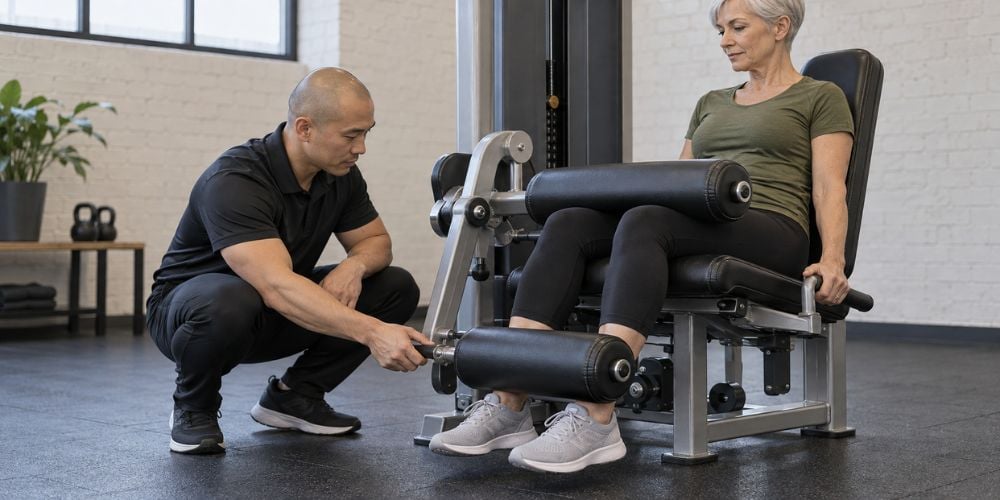
Also adjust the equipment properly.
Check:
- Seat height
- Back support
- Handles
- Pads
- Starting position
- Resistance
Does a small adjustment really matter?
Yes. Moving a seat or pad can change the person’s starting position, comfort, and ability to control the exercise.
This is where personalization becomes practical. You do not need a complicated workout to make someone feel that the session was designed for them.
7. Finish With a Short Review
Do not finish immediately after the final exercise.
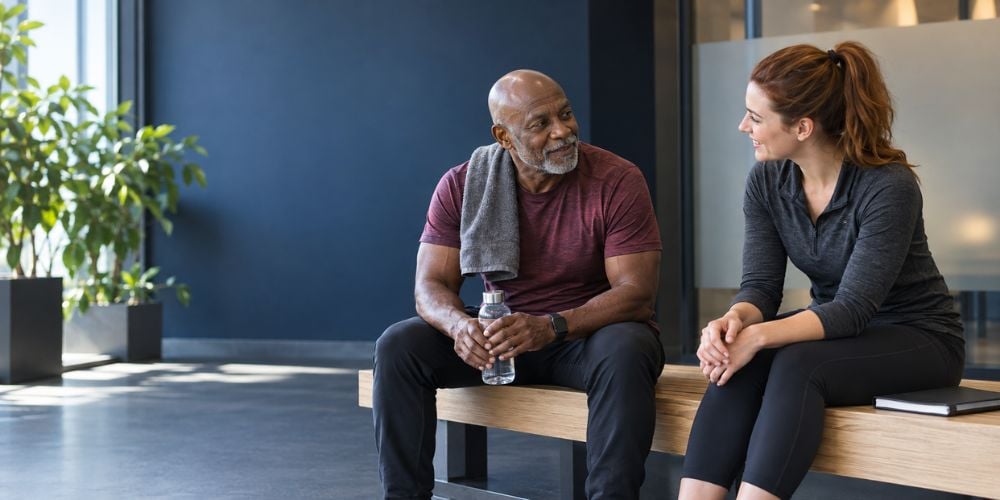
Take a few minutes and ask:
- How did that feel?
- Which exercise felt best?
- Did anything feel uncomfortable?
- Was anything confusing?
- How challenging did the workout feel?
Then give one or two useful observations.
For example, you might explain that their lower-body control looked good but they need more practice with upper-body pulling movements.
Keep the feedback simple enough to remember.
The review also tells you what the person enjoyed. That information can help you structure future sessions better.
8. Explain What Their Training Plan Could Look Like
Finish by showing them what comes after the trial.
Keep the recommendation simple:
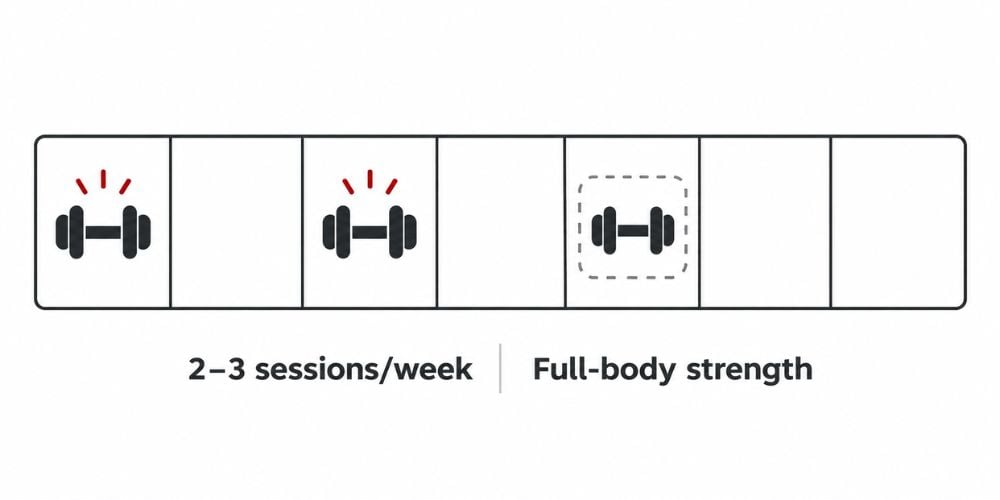
- Training frequency: 2–3 sessions per week
- Main focus: Full-body strength training
- Session style: 5–7 main exercises
- Progression: Gradually increase reps or resistance
- Cardio: Add according to their fitness goal
For general health, the CDC adult physical activity guidelines recommend at least 150 minutes of moderate-intensity aerobic activity per week plus muscle-strengthening activity on at least 2 days per week.
That does not mean every person needs exactly the same program.
A complete beginner may need more time learning machine setup and exercise technique. Someone with training experience may be ready to increase resistance sooner.
What should they know before leaving?
They should have a simple idea of what their next few weeks could look like.
Avoid giving them a complicated 12-week program during a short trial. Give them enough direction to understand the next step.
Conclusion
A good personal training trial session does not need to be complicated. Talk to the person, check readiness, assess movement, warm up, run a simple workout, personalize it, review the session, and explain what comes next.
Your goal is not to exhaust someone on day one. Help them feel comfortable, teach them something useful, and show them what structured training can look like.
If you want strength and cardio equipment that supports beginner instruction and everyday training, YR Fitness offers commercial gym equipment designed for practical, everyday use. You can explore YR Fitness equipment here and compare options that fit your training space.
Related articles:



