




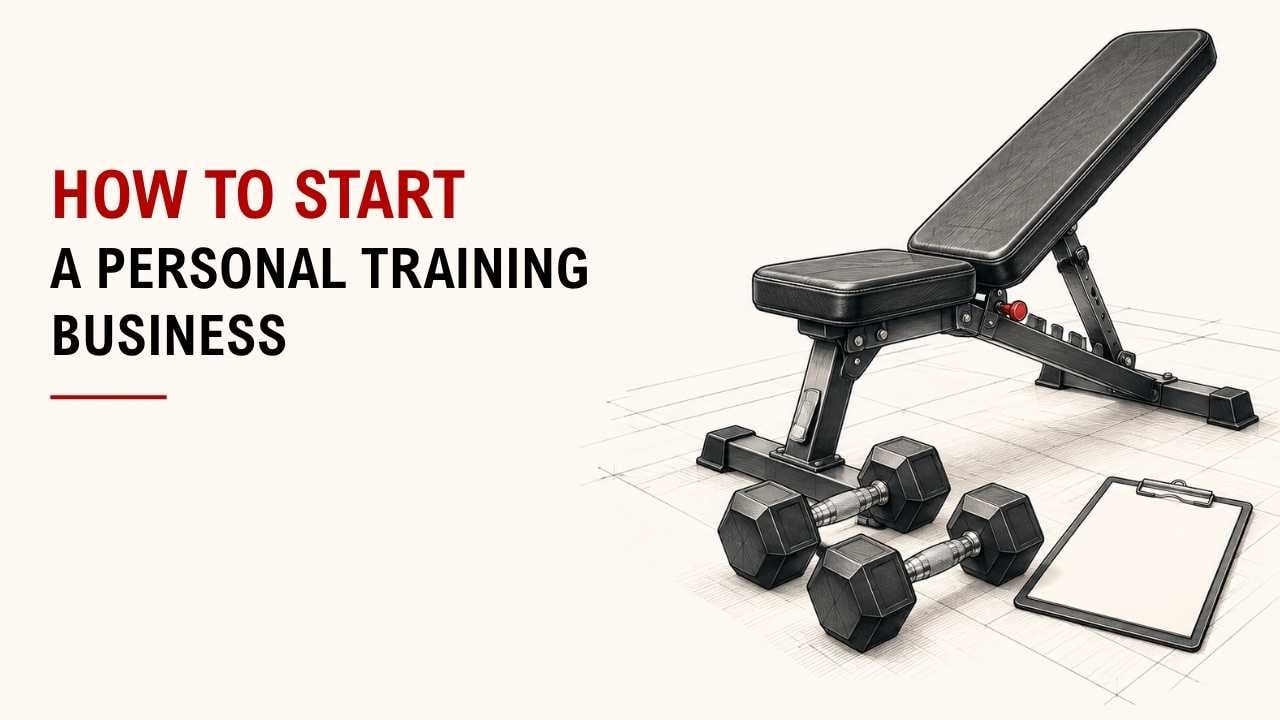

Want to turn your fitness knowledge into a personal training business? Starting is simpler than it may seem.
The basic path is: get certified, choose your clients, set up your business, create simple packages, and decide where you will train. You can start small and grow over time.
As the founder and chief designer of YR Fitness, I have spent decades working around gyms, trainers, and fitness equipment. In my experience, a simple and practical setup gives new trainers a much better place to start.
Below are six clear steps to help you get started. Keep scrolling and follow them in order.
1. Get a Personal Training Certification
Before you charge clients, get properly qualified.
Choose a recognized personal training certification that covers:
- Exercise technique
- Program design
- Client assessment
- Training safety
- Basic anatomy
- Working at different fitness levels
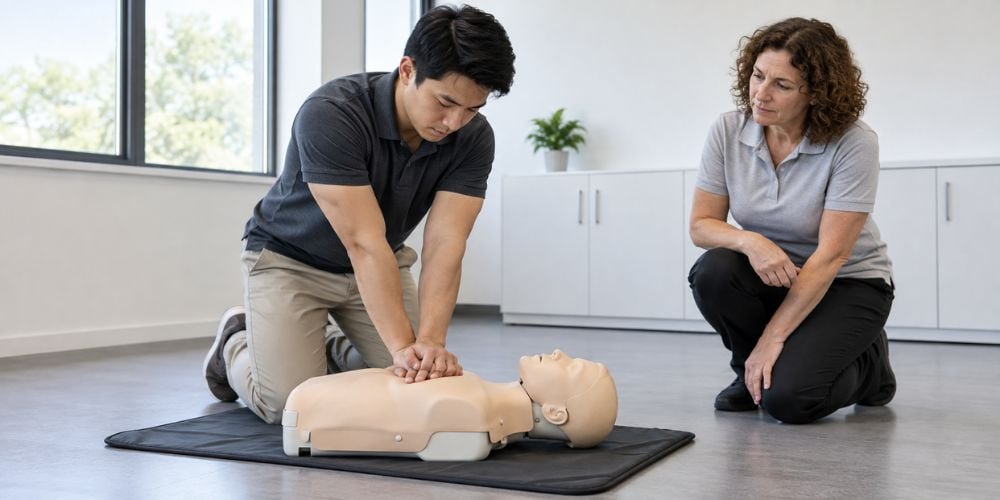
For example, the ACSM Certified Personal Trainer program requires candidates to be at least 18, have a high school diploma or equivalent, and hold an adult CPR/AED certification.
You can also find CPR/AED courses through the American Red Cross. Its in-person and blended courses include practical skills training, while fully online courses may not satisfy workplace certification requirements.
What should you get first?
Qualification | Why It Matters |
Personal trainer certification | Gives you the basic knowledge to coach clients |
CPR/AED certification | Helps you respond to emergencies |
Specialist certification | Add later if it matches your target clients |
Requirements vary by country, location, and gym, so always check the rules where you plan to work.
Keep it simple: start with one solid personal training qualification. Add specialist certifications later when you actually need them.
2. Decide Who You Want to Train
Trying to train everyone can make your service difficult to explain.
Start with a type of client you understand and enjoy helping:
- Fitness beginners
- People trying to lose weight
- Clients building strength
- Busy professionals
- Older adults
- Recreational athletes
You can expand later as your experience grows.
I often see new trainers focus too much on offering every possible service. A clear target client makes your programs, packages, and marketing much easier to organize.
Instead of saying:
“I provide personal training.”
Try:
“I help beginners build strength and feel comfortable using gym equipment.”
Which one is easier for a potential client to understand? Usually, the second one.
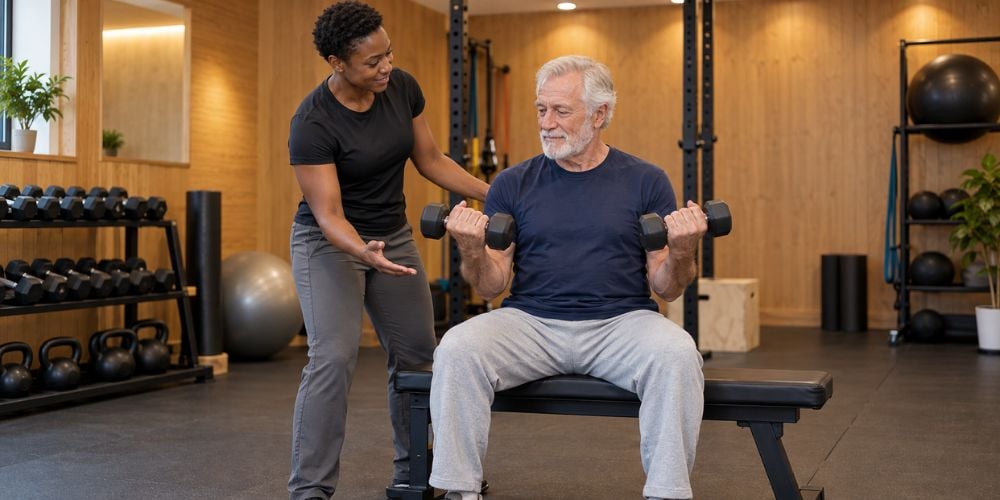
3. Choose Your Training Business Model
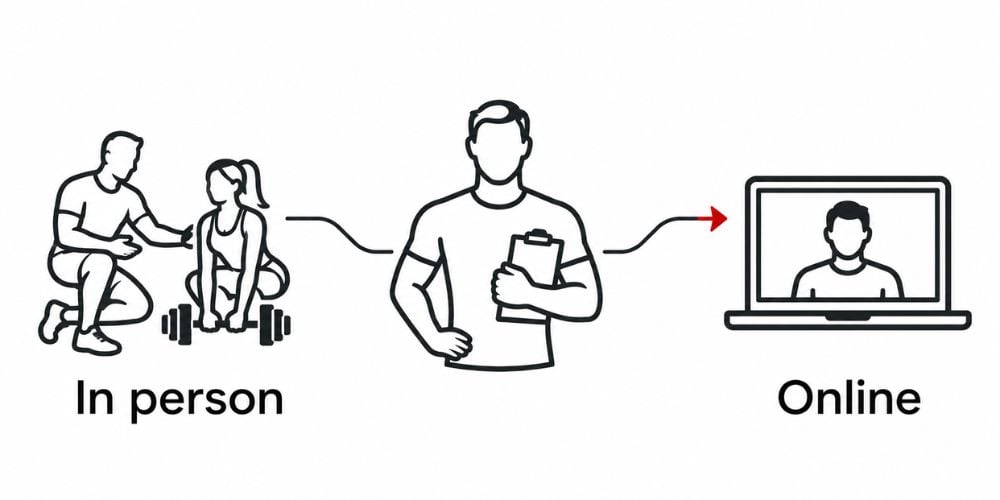
Next, decide where and how you want to work with clients.
Business Model | Main Advantage | Main Consideration |
Commercial gym | Equipment and space already available | Gym rules or fees |
Private studio rental | More independence | Rental costs |
Home training | Lower startup needs | Limited equipment or space |
Outdoor training | Simple setup | Weather and local rules |
Online training | Work with clients remotely | Clients train more independently |
Not sure which option to choose? Start with the model that requires the least financial commitment while still giving your clients what they need.
4. Set Up Your Business
Once you know how you will train clients, handle the basic business setup.
Your exact requirements depend on where you live. In the U.S., the Small Business Administration’s launch guide covers business structure, registration, tax IDs, licenses, bank accounts, and insurance.
Here is a simple checklist:
Task | What to Do |
Business name | Choose a clear name |
Registration | Register if required locally |
Licenses | Check local requirements |
Insurance | Arrange suitable liability coverage |
Banking | Consider a separate business account |
Payments | Choose how clients will pay |
Records | Track income and expenses |
Client paperwork | Prepare forms and agreements |
Licensing and permit requirements can vary by business activity and location, so check the relevant local authorities rather than assuming the rules are the same everywhere. The SBA licensing and permits guide is a useful starting point for U.S.-based trainers.
If you are in the U.S., you may also need an Employer Identification Number depending on how your business is structured or operated. The IRS explains who may need an EIN and how to apply for one free.
Do you need to make this complicated? No.
Your goal is simply to operate properly, receive payments, keep records, and protect yourself and your clients.

5. Create Simple Training Packages
Clients should understand your offer quickly.
Avoid giving them too many choices. A simple structure is easier for both you and the client.
Package | Best For |
Single Session | Someone who wants flexibility |
4 Sessions | A client training once per week |
8 Sessions | A client training twice per week |
Monthly Package | Someone who wants consistent coaching |
Online Coaching | Someone training independently |
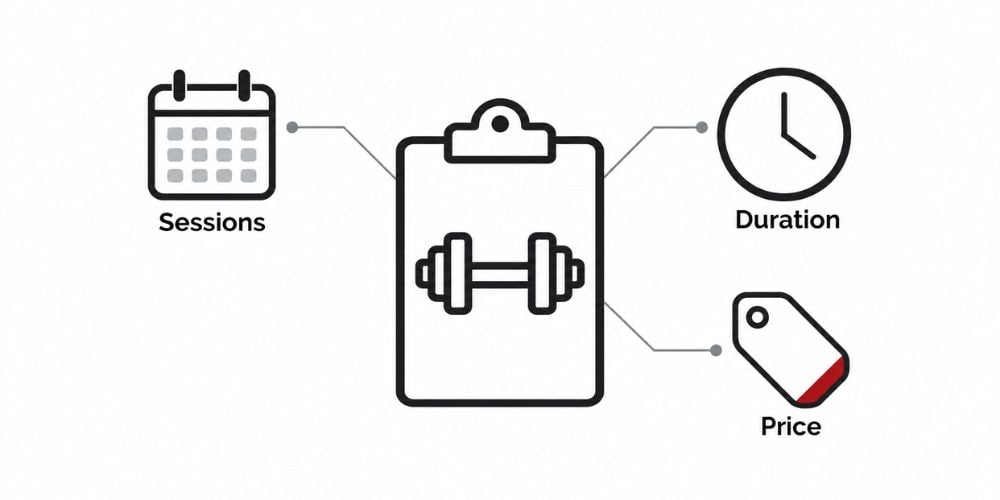
For every package, clearly explain:
- Number of sessions
- Session length
- Price
- What is included
- Cancellation rules
- Package expiry date
You can also include an initial consultation or assessment before training starts.
When choosing your price, remember that the session itself is not your only cost. Rent, insurance, equipment, permits, software, and other operating expenses may also need to be covered.
The SBA startup-cost guide suggests separating expenses into one-time and monthly costs so you can see how much money the business really needs.
If your personal training business is moving toward a small private studio, equipment does not need to be complicated either. At YR Fitness, we can help you choose commercial strength and cardio equipment around your available space, training style, and budget, so you can invest in equipment your clients will actually use.
6. Decide Where and How Clients Will Train
Your training space affects both your workouts and your clients’ experience.
Before committing to a location, check three things: equipment, space, and usability.
Make Sure You Have Enough Equipment
You do not need dozens of machines.
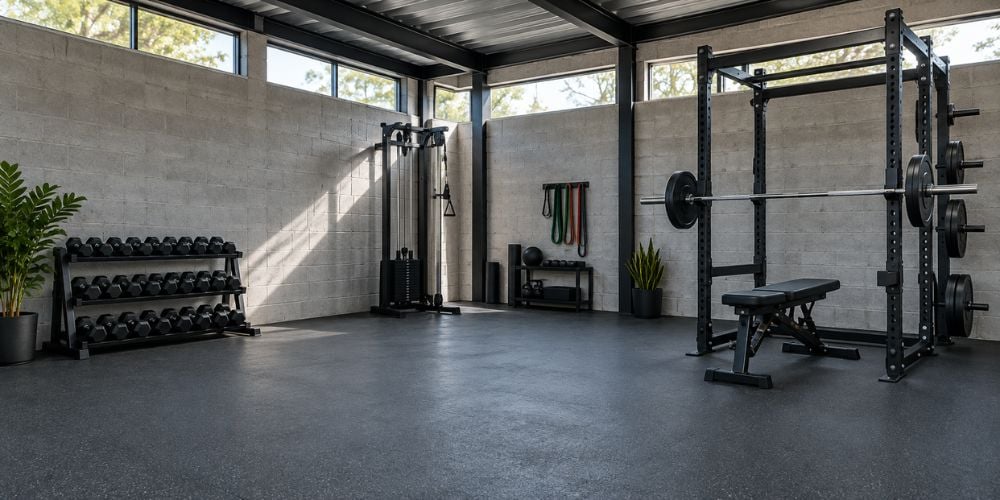
A small personal training studio might begin with:
- Adjustable bench
- Dumbbells
- Barbell and plates
- Squat rack
- Cable machine
- Resistance bands
- Cardio machine
Choose equipment based on the clients you train and the exercises you actually plan to use.
In my decades of design experience, I have seen how easy it is to overfill a training area. A smaller selection of useful equipment often gives you more flexibility than several machines with very narrow purposes.
Check the Training Space
Make sure clients have enough room to exercise comfortably and safely.
Also consider:
- Ventilation
- Lighting
- Flooring
- Changing facilities
- Parking
- Accessibility
- Storage
Think About the Client Experience
Your space should feel organized and easy to use.
Clients should quickly understand where to put their belongings, where exercises happen, and what equipment they need.
A useful question to ask: Would a first-time client feel comfortable training here?
If the answer is yes, you are probably moving in the right direction.
Conclusion
Starting a personal training business does not need to be complicated. Get certified, choose your clients, create simple packages, and start with a training setup that fits what you actually need.
You can begin small and improve your space as your client base grows.
If you want to build a professional personal training studio, at YR Fitness, we can help you choose commercial strength and cardio equipment that fits your space, budget, and training style, so you can create a practical setup without buying more than you need.
Related articles: