
Not sure what speed or incline to use when you step onto a treadmill? Starting too fast or setting the incline too high can make your workout harder than it needs to be.
Start with a walking speed of 2–3 mph and a 0% incline. Once you feel comfortable, slowly increase the speed or incline based on your fitness goal.
As an Exercise Physiology & Biomechanics Expert at YR Fitness, I understand how treadmill settings affect your muscles, joints, and workout performance. I always recommend starting with comfortable settings before increasing the intensity.
In this guide, you’ll learn how to choose your speed and incline, avoid common mistakes, and follow a simple 15-minute workout. Let’s find the settings that work best for you.
1. Start With the Right Treadmill Speed
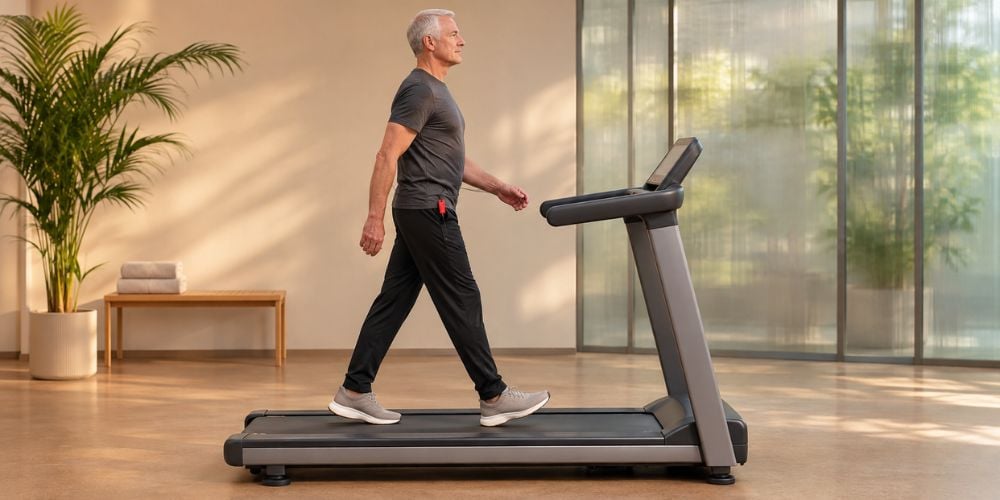
Your treadmill speed should match your current fitness level. You don’t need to run to get a good workout.
Here’s a quick guide:
Speed (mph) | Exercise Level | Best For |
1.5–2 | Slow walking | Warm-ups and complete beginners |
2–3 | Comfortable walking | Daily walking workouts |
3–4 | Brisk walking | Building stamina |
4–5 | Light jogging | Beginners ready to jog |
How to Choose Your Speed
- Start at 2 mph and walk for a few minutes.
- Increase to 2.5–3 mph when you feel comfortable.
- Keep your steps natural without holding the handrails.
- Slow down if your breathing becomes difficult or you feel unsteady.
How do you know if your speed is right?
Try the talk test. According to the CDC’s guide to measuring exercise intensity, moderate exercise should allow you to talk but not sing comfortably.
CDC
I often recommend this simple test because you don’t need special equipment to check your effort.
Quick Tip: Focus on maintaining a steady walking pace instead of trying to reach a higher speed.
2. Choose a Safe Incline Level
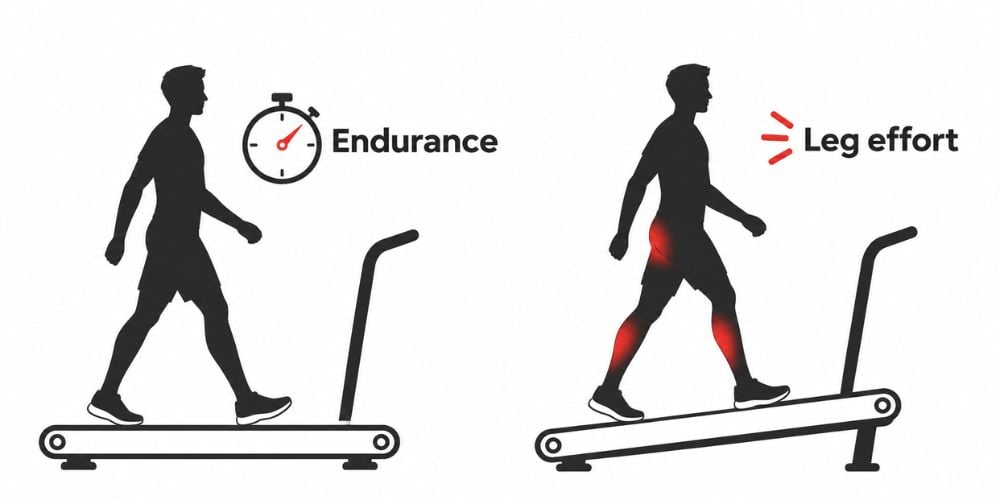
Treadmill incline makes walking feel like going uphill. The higher the incline, the harder your legs and cardiovascular system need to work.
For beginners, starting with a flat treadmill is usually the easiest option.
Incline | Difficulty | Best For |
0% | Easy | Learning treadmill control |
1–2% | Light | Adding a small challenge |
3–5% | Moderate to challenging | Building walking endurance |
Above 5% | More demanding | Experienced users |
How to Choose Your Incline
- Start at 0% until walking feels comfortable.
- Try 1% when flat walking becomes easy.
- Increase gradually while maintaining good posture.
- Lower your speed when walking at a higher incline.
One mistake I often see is beginners raising the incline too quickly. This can tire your calves and legs before you finish your workout.
Quick Tip: Increase your incline by 1 percentage point at a time and check how your body responds.
Want to understand how incline adjustment works? This treadmill guide explains how adjustable incline systems support different workouts.
3. Match Speed and Incline to Your Fitness Goal
What’s your main goal: weight management, better endurance, or stronger legs?
Your answer can help you choose the right settings.
Fitness Goal | Speed (mph) | Incline |
Easy walking | 2–3 | 0% |
Improve stamina | 2.5–3.5 | 0–2% |
Brisk walking | 3–4 | 1–3% |
Incline walking | 2–3 | 3–5% |
Beginner jogging | 4–5 | 0–1% |
These are suggested starting ranges, not fixed targets. Choose lower settings whenever needed.
For Weight Management
Try walking at 2.5–3.5 mph with a 1–2% incline.
This adds some challenge without requiring you to run. Regular exercise and your overall eating habits matter more than one specific treadmill setting.
For Better Endurance
Start at 2.5–3 mph with a 0–2% incline.
Focus on increasing your walking time before raising the intensity. This helps you build stamina at a comfortable pace.
For Stronger Legs
Try walking at 2–3 mph with a 3–5% incline once easier settings feel comfortable.
Incline walking makes your calves, glutes, and other leg muscles work harder.
Quick Tip: Choose settings that match your goal, but don’t sacrifice comfort or good posture.
Why Treadmill Controls Matter
Simple controls make it easier to adjust your workout without interrupting your walking rhythm.
For example, a commercial treadmill with precise incline adjustment can help users make small changes during exercise. A clear display also makes it easier to monitor speed, incline, and other workout information.
At YR Fitness, we know that comfortable treadmill workouts begin with simple controls, stable performance, and adjustable settings. Our commercial cardio machines are built for regular use, helping beginners and experienced users manage their workouts with confidence.
Explore our treadmill collection to compare features and find equipment that matches your training needs.
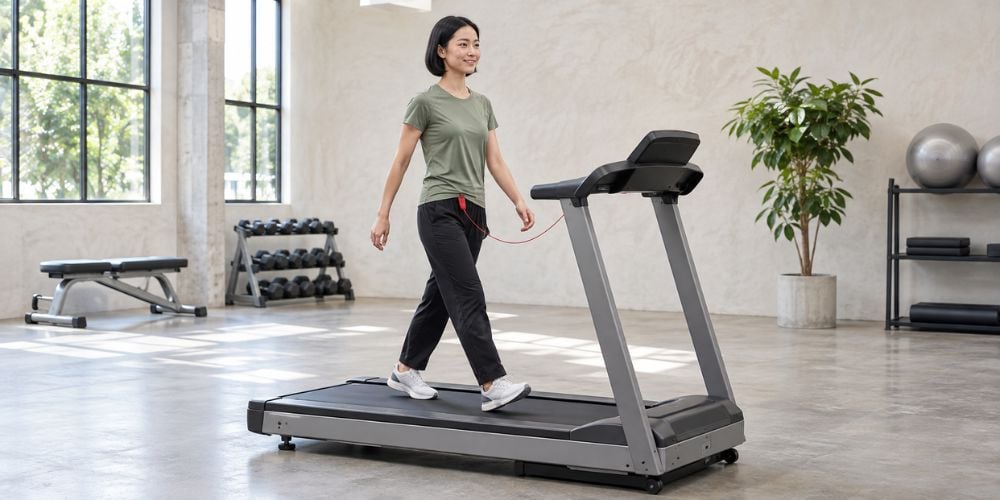
4. Try a Simple 15-Minute Beginner Treadmill Workout
Not sure how to combine speed and incline?
This 15-minute routine gives you a simple starting point. Adjust the settings whenever you need to.
Time | Speed (mph) | Incline | Activity |
0–3 minutes | 2 | 0% | Warm-up |
3–6 minutes | 2.5 | 0% | Comfortable walking |
6–10 minutes | 2.5–3 | 1% | Moderate walking |
10–12 minutes | 2.5 | 0% | Slow down |
12–15 minutes | 2 | 0% | Cool-down |
How to Follow This Workout
- Walk slowly for the first three minutes.
- Increase your speed when you feel ready.
- Add a 1% incline for a little extra effort.
- Return to flat walking as you slow down.
- Finish with a comfortable cool-down.
Is 15 minutes too much?
That’s fine. Start with 5–10 minutes if needed, then add more time as your stamina improves.
The Physical Activity Guidelines for Americans recommend starting with small amounts of exercise and gradually increasing your activity. Even short sessions can provide health benefits.
I recommend repeating a comfortable routine several times before making it harder. Your body needs time to adjust to regular exercise.
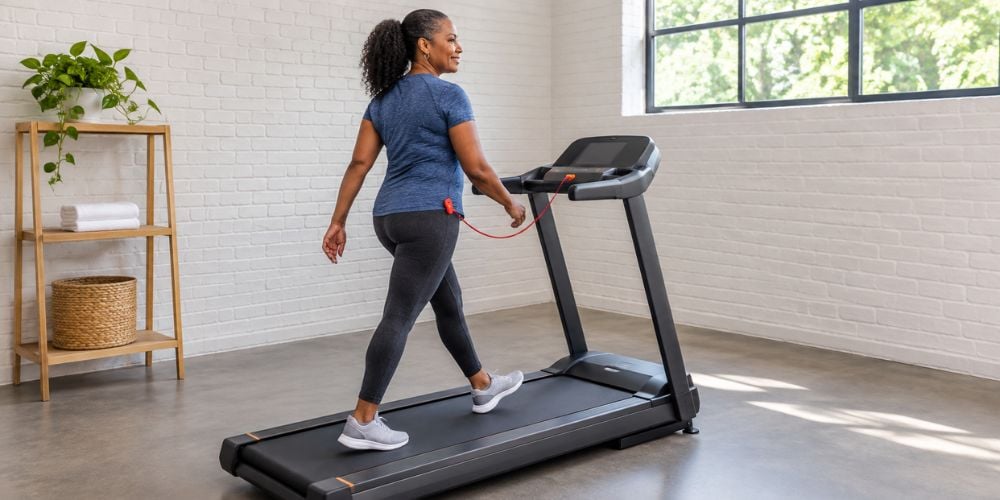
5. Know When to Increase Your Speed or Incline
You don’t need to make your treadmill workout harder every day.
Increase the intensity when your current settings feel easy and you can maintain good posture.
When to Increase Your Speed
You’re ready to try a faster pace when:
- You can walk comfortably for 10–15 minutes.
- Your breathing stays controlled.
- You can maintain balance without holding the handrails.
- Your usual walking speed feels too easy.
What to do: Increase your speed by 0.1–0.2 mph and check how you feel.
When to Increase Your Incline
Try a higher incline when:
- Flat walking feels easy.
- You can finish your workout without feeling overly tired.
- Your legs feel comfortable during and after walking.
- You can walk upright without leaning forward.
What to do: Increase your incline by 1 percentage point while keeping your speed comfortable.
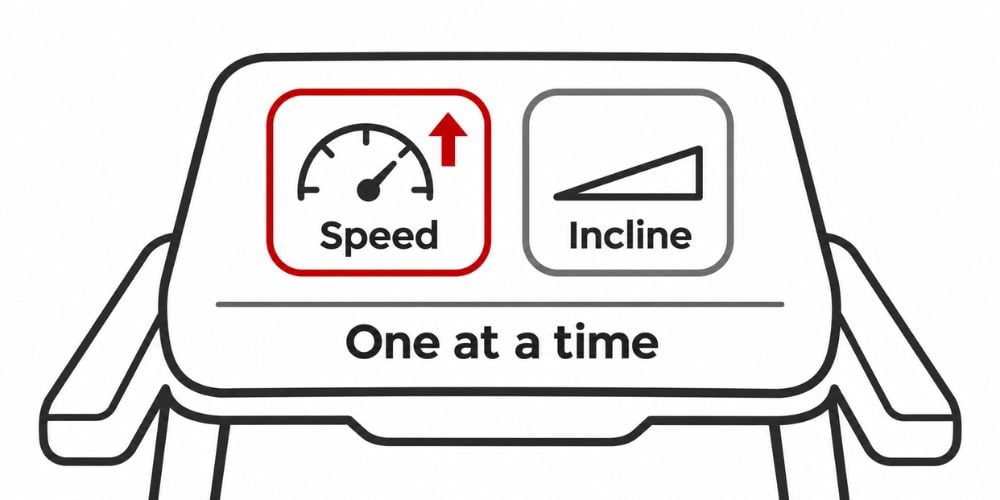
Important: Change only one setting at a time. This makes it easier to understand how your body responds.
If you’re curious about how treadmill motors, decks, and cushioning affect your walking experience, this cardio equipment guide explains the main components.
6. Avoid These Common Beginner Mistakes
A few small mistakes can make treadmill workouts harder than necessary.
Here are five to watch out for:
Starting Too Fast
Walking or running too quickly can make you lose control of your steps.
Fix: Begin with slow walking and increase your speed gradually.
Using Too Much Incline
A steep incline can tire your calves and put extra strain on your legs.
Fix: Start at 0% and increase the incline slowly.
Holding the Handrails Constantly
Holding the rails throughout your workout can affect your walking posture and natural arm movement.
Fix: Choose a speed that allows you to walk comfortably without relying on the rails. Use them briefly if you need stability.
Conclusion
Choosing the right treadmill speed and incline doesn’t have to be difficult. Start at 2–3 mph with a 0% incline, then slowly increase the intensity as your fitness improves.
Remember to match your settings to your goal, maintain good posture, and avoid pushing yourself too hard.
If you’re interested in treadmills with easy-to-use controls and adjustable workout settings, explore the YR Fitness cardio equipment collection to see the available options and compare their features.
Related articles: