








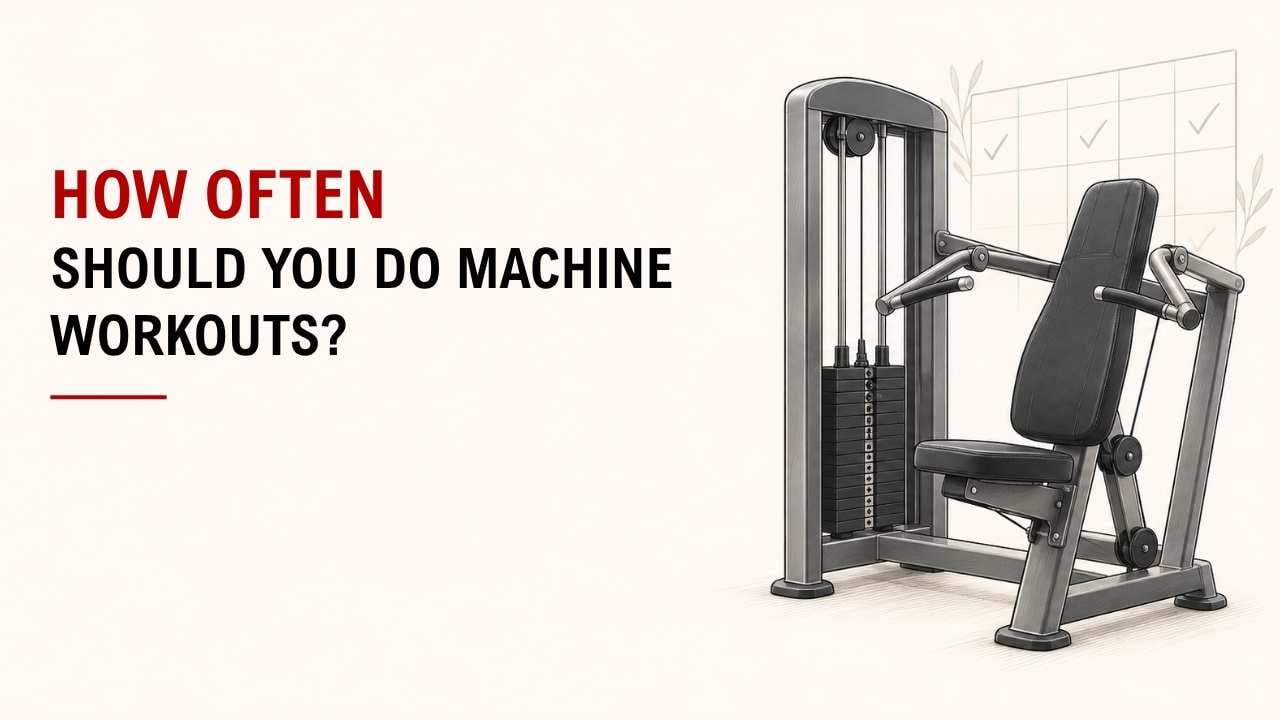

How often should you use gym machines each week? The goal is to train enough to make progress without overdoing it.
For most people, 2–4 machine workouts per week work well. Beginners can start with 2–3 sessions, while experienced lifters may train 4–5 days.
As an Exercise Physiology & Biomechanics Expert at YR Fitness, I work with training movement, resistance, and recovery. I often see better results when people use a simple schedule they can recover from and repeat consistently.
Below, I’ll show you how often to train based on your experience and goal. You’ll also learn when to train the same muscles again and when to take an extra rest day.
Machine Workout Frequency at a Glance
Want a quick answer first? Start here.
Training Level | Machine Workouts Per Week | Simple Approach |
Beginner | 2–3 days | Full-body workouts |
Intermediate | 3–4 days | Upper/lower split |
Advanced | 4–5 days | Split by muscle group |
This fits well with general strength-training guidance. The CDC’s adult physical activity guidance recommends muscle-strengthening activity on 2 or more days each week for adults.
1. Beginners: 2–3 Days Per Week
If you are new to machine training, start with 2–3 workouts per week.
A simple schedule could be:
- Monday: Full body
- Wednesday: Full body
- Friday: Full body
This gives your muscles time to recover before you train them again.
I often see beginners try to train every day because they want faster results. Usually, learning proper movement and recovering well will take you further.
Start with basic machines such as:
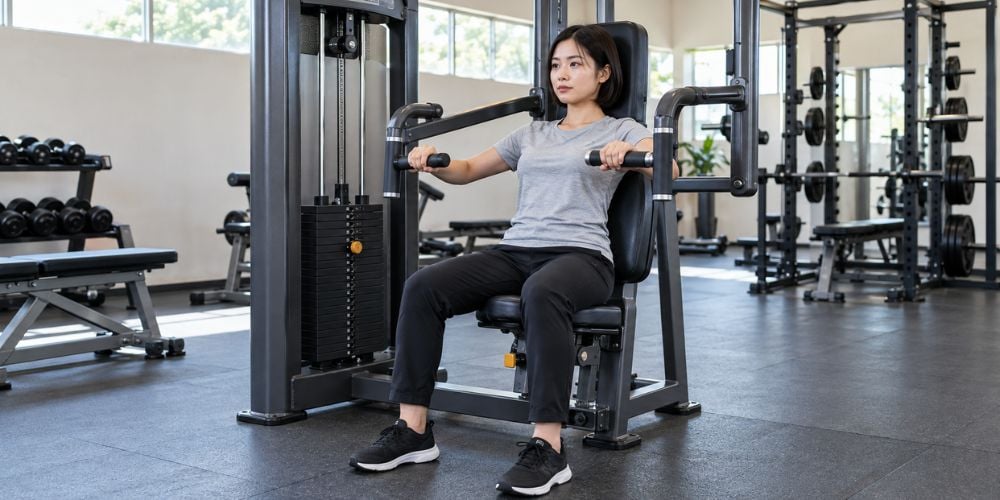
- Chest press
- Lat pulldown
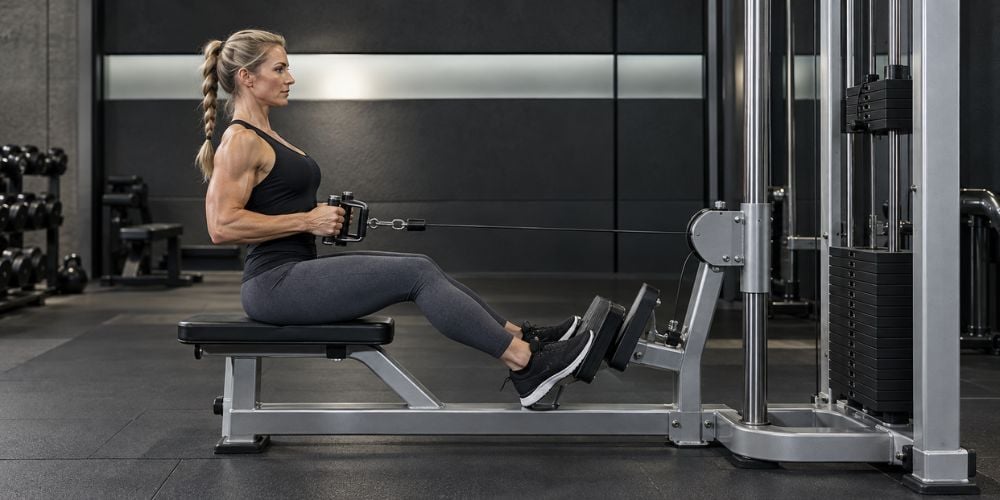
- Seated row
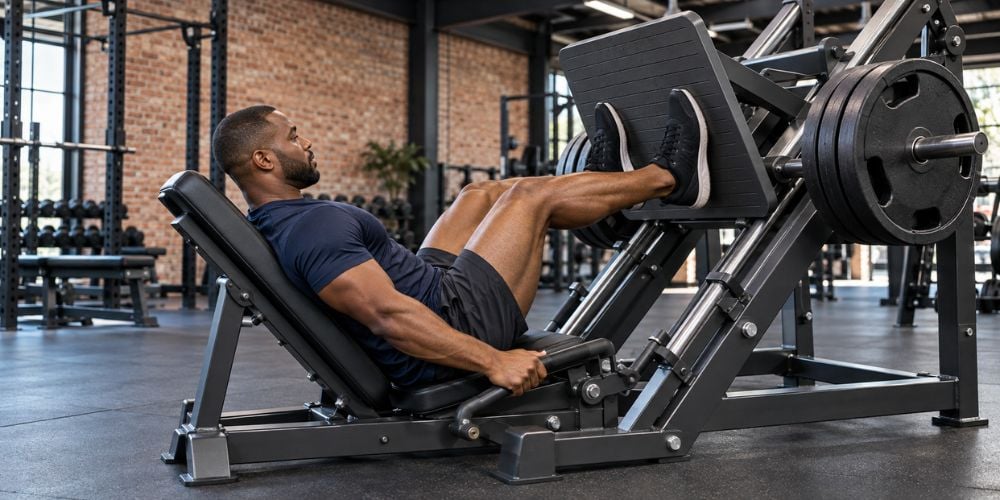
- Leg press
- Leg curl
- Shoulder press
You do not need a long exercise list. Keep your reps controlled and build consistency first.
Only have two days available? That is fine.
The Physical Activity Guidelines for Americans support muscle-strengthening activity at least two days per week, so you do not need to train every day to build a useful routine.
2. Intermediate Lifters: 3–4 Days Per Week
Once regular machine workouts feel comfortable, you can increase to 3–4 days per week.
An upper/lower split is an easy way to do it.
Day | Workout |
Monday | Upper body |
Tuesday | Lower body |
Wednesday | Rest |
Thursday | Upper body |
Friday | Lower body |
Weekend | Rest or light activity |
Here is why this works: one muscle group can recover while you train another.
You also get more weekly training without having to make every session long.
If you want to see how different strength machines can fit into a complete workout, explore the commercial strength equipment from YR Fitness. We design machines for controlled movement across major muscle groups, so you can compare exercise options and choose movements that fit your routine.
Just remember, more machines do not automatically mean better results. Your training quality and recovery still matter most.
3. Advanced Lifters: 4–5 Days Per Week
Experienced lifters may use machines 4–5 days per week.
At this level, workouts are often divided by muscle group.
For example:
- Monday: Chest and triceps
- Tuesday: Back and biceps
- Wednesday: Legs
- Friday: Upper body
- Saturday: Lower body
Can you train six or seven days per week?
You can, but that does not automatically make it better. Your muscles still need time to recover.
I prefer looking at how often each muscle is being trained, not just the total number of gym days. A five-day routine can work very well when you are not pushing the same muscles hard every day.
4. How Often Should You Train the Same Muscle?
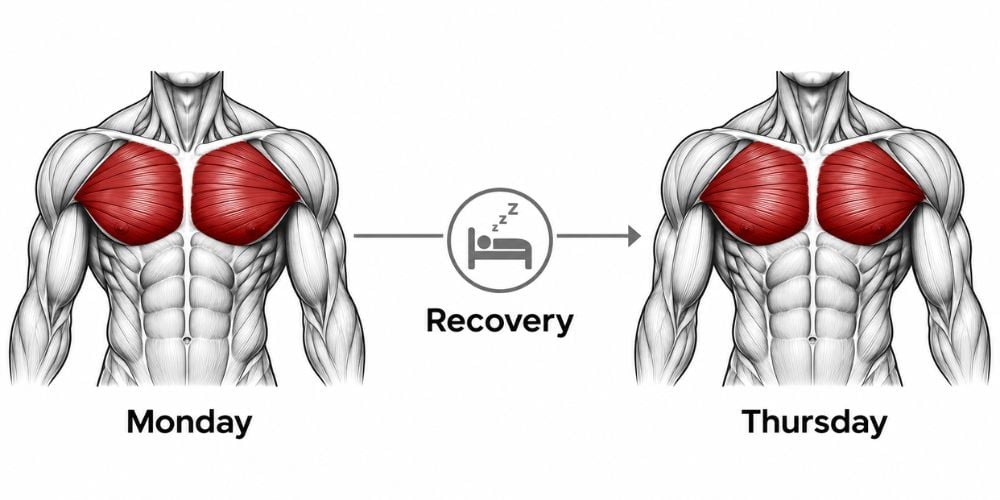
For most fitness lovers, training each major muscle group around 2 times per week is a practical target.
For example:
- Chest: Monday and Thursday
- Back: Tuesday and Friday
- Legs: Monday and Friday
You do not need to train the same muscle every day.
Still sore from your last workout?
If your chest is very sore from Monday, another hard chest session on Tuesday is probably not your best move.
I normally look for three things before training the same area again:
- Soreness has mostly reduced
- Strength feels normal
- Movement feels comfortable
If those are not there yet, give yourself another recovery day or train something else.
The American College of Sports Medicine’s physical activity guidance also recommends muscle-strengthening work for all major muscle groups on two or more days per week.
5. Your Goal Changes the Frequency
There is no single schedule that fits everyone.
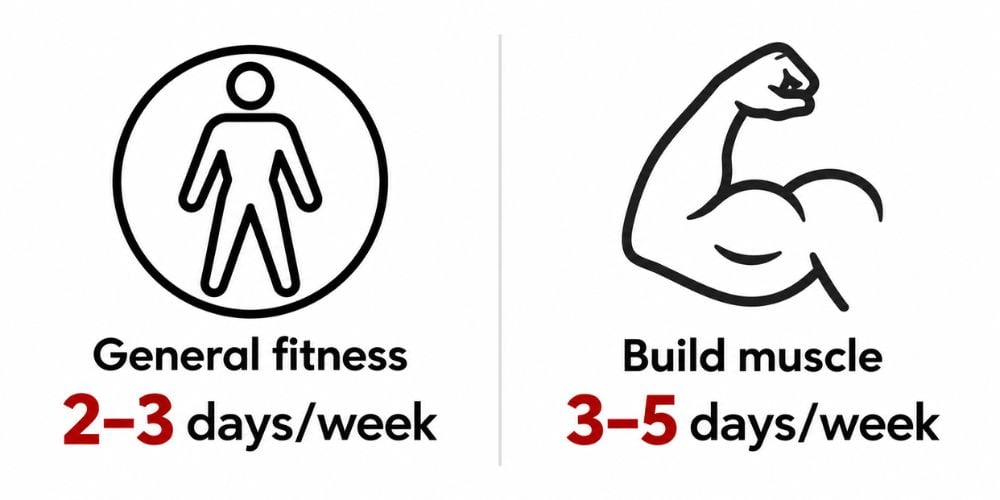
For General Fitness
Train 2–3 days per week.
Full-body machine workouts keep things simple and let you cover the main muscle groups without spending every day in the gym.
For Building Muscle
Train around 3–5 days per week.
Spread your workouts across different muscle groups so you can add enough training while still allowing recovery.
For Beginners
Stay with 2–3 days per week.
There is no reason to rush into a five-day routine. Build the habit first.
For Busy People
Two good full-body workouts can still be worthwhile.
A schedule you can actually follow is much better than planning five workouts and regularly missing three of them.
6. Know When You Need More Recovery
More training is not always better.
You may need extra recovery if you notice:
- Soreness lasting several days
- Strength dropping
- Poor workout performance
- Joint discomfort
- Unusual tiredness
- Difficulty controlling your normal weights
Should you train if you are still sore?
Mild soreness may be manageable. Heavy soreness is a good reason to give that muscle more time.
I would rather see someone take one extra recovery day than force a poor-quality session. Your workouts should help you progress over time, not leave you constantly worn out.
Conclusion
For most people, machine workout frequency can stay simple. Aim to train your major muscle groups regularly, often around twice per week, while paying attention to soreness, strength, and overall recovery.
Machines can make this easier because the movement is guided and simple to repeat.
If you want to explore equipment for building a balanced machine routine, browse the strength and cardio options from YR Fitness and choose movements that match how often you actually like to train.
Related articles:



