








Not sure when your gym equipment should be replaced? Waiting until it breaks can lead to higher costs and disrupted workouts.
The simple answer is to track age, usage, repairs, condition, and remaining life. Use those details to plan replacements over the next three to five years.
As a Machinery & Structural Engineering Expert at YR Fitness, I work closely with commercial gym equipment structures, materials, and moving parts. This gives me a clear view of the wear signs that often appear before equipment becomes unreliable.
Below, I’ll show you seven simple steps to build a practical replacement schedule. Follow them in order and review the plan each year.
1. Make a Complete Equipment List
Start by listing every major machine you regularly use.
Record:
- Equipment name
- Brand and model
- Purchase date
- Installation date
- Warranty period
- Current location
- Current condition
A spreadsheet is usually enough. Keep it simple so you can update it whenever something changes.
Equipment | Purchase Year | Condition | Usage | Current Action |
Treadmill | 2021 | Fair | High | Monitor |
Leg Press | 2023 | Good | Medium | Keep using |
Cable Machine | 2020 | Fair | High | Monitor |
Exercise Bike | 2024 | Good | Low | Keep using |
The easier this list is to maintain, the more useful it becomes later.
2. Record the Age of Each Machine
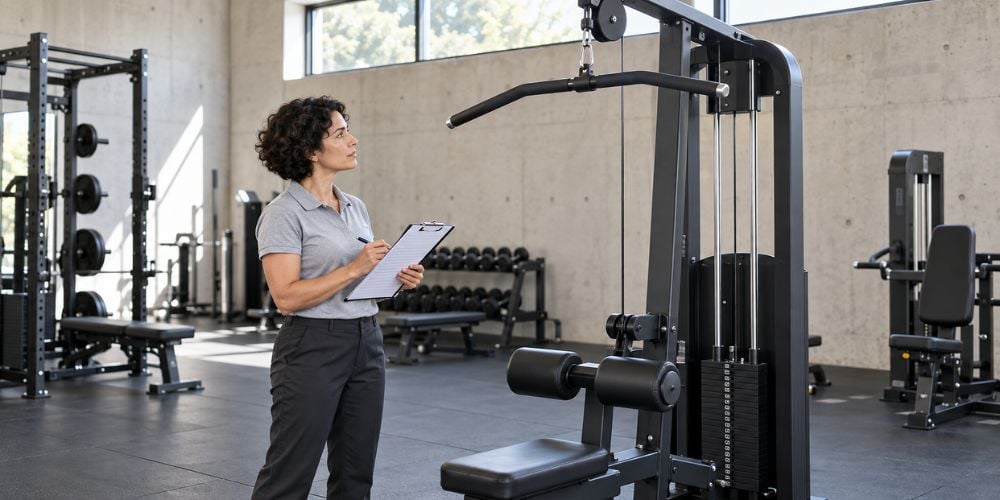
Next, calculate how long each machine has been in service.
Does age alone mean you should replace it? No. Age gives you a starting point, but condition and usage matter just as much.
You can group machines as:
- New: recently purchased
- Mid-life: working normally with some wear
- Older: needs closer monitoring
- Near replacement: showing major wear or repeated problems
Two machines bought in the same year can age very differently. A lightly used machine may stay in good condition much longer than heavily used cardio equipment.
3. Track Equipment Usage
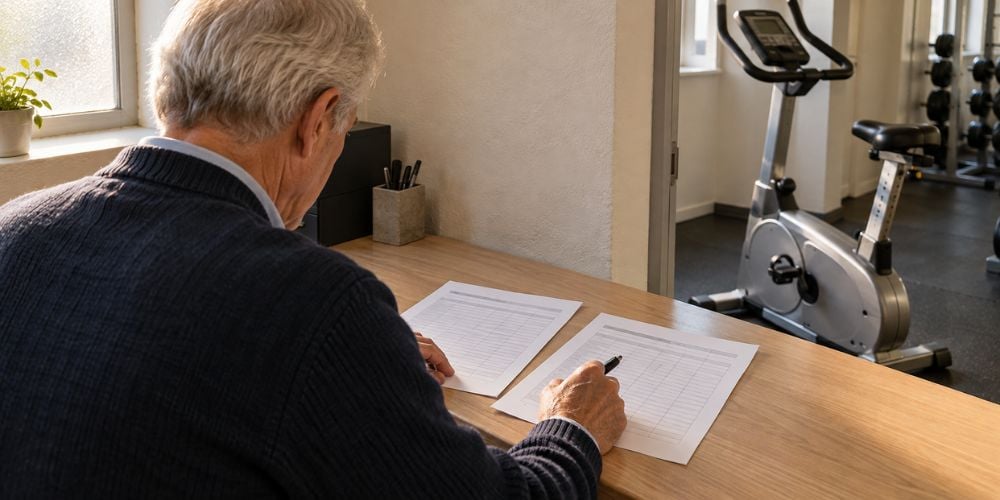
Machines that get used more often usually need closer attention.
Pay particular attention to:
- Treadmills
- Exercise bikes
- Cable machines
- Leg presses
- Chest presses
- Lat pulldowns
Label each machine as low, medium, or high usage.
You do not need complicated tracking software. Regular observation can often tell you which machines spend the most time in use.
For a more detailed approach, usage hours from machine consoles can also help when the equipment records them. Precor, for example, includes recording usage hours as part of some items in its preventative maintenance schedule.
If several heavily used machines are moving closer to replacement, this is a good time to compare commercial-grade options rather than buying one machine at a time. At YR Fitness, we can help you compare strength and cardio equipment based on daily use, machine type, and the lineup you are trying to replace.

4. Review Maintenance and Repair History
Now check how much attention each machine has required.
Record:
- Repair dates
- Parts replaced
- Maintenance costs
- Downtime
- Repeated faults
One repair does not automatically mean a machine needs replacing.
The bigger warning sign is repeated trouble. If the same treadmill keeps developing problems with its belt, motor, electronics, or drive system, keeping it may eventually become less practical.
I often pay closer attention when several components start wearing out around the same time.
Here is why maintenance records matter: regular inspections can catch wear before it turns into a larger problem. The Life Fitness preventive maintenance checklist, for example, includes checks for treadmill belts, rollers, drive systems, wiring, frames, and other working components.
5. Check the Current Condition
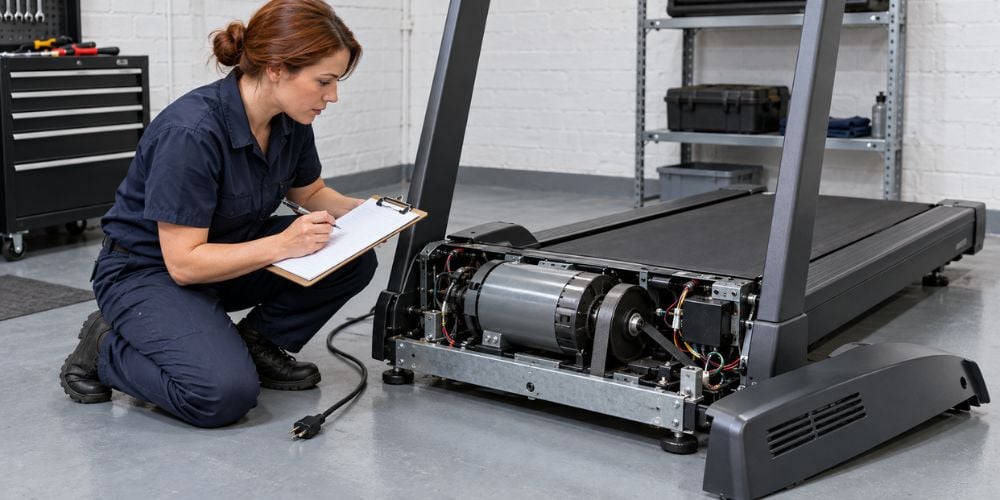
Give each machine a simple condition rating:
- Good: Normal wear and operating properly. Keep using it.
- Fair: Visible wear or occasional problems. Monitor it.
- Poor: Frequent problems or significant wear. Plan its replacement.
- Critical: Reliability or safety concerns. Stop and assess it before further use.
Then inspect the parts that matter most:
- Frames and welds
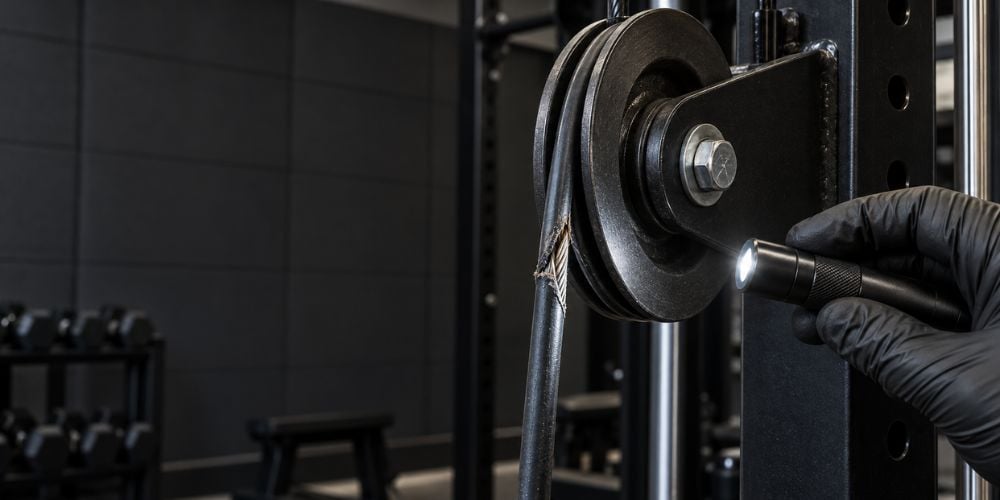
- Cables and pulleys
- Belts
- Bearings
- Upholstery
- Adjustment mechanisms
- Handles
- Electronics
- Moving joints
Do not judge a machine only by scratches or faded upholstery. Structural wear, unstable movement, damaged cables, failing electronics, and repeated mechanical problems matter much more.
What if you find a serious safety issue? Take the machine out of use until it has been properly assessed.
It is also worth checking the U.S. Consumer Product Safety Commission recall database when you have concerns about an older model. Exercise equipment recalls have included problems involving cables, adjustment assemblies, structural parts, and unexpected machine movement.
6. Estimate the Remaining Useful Life
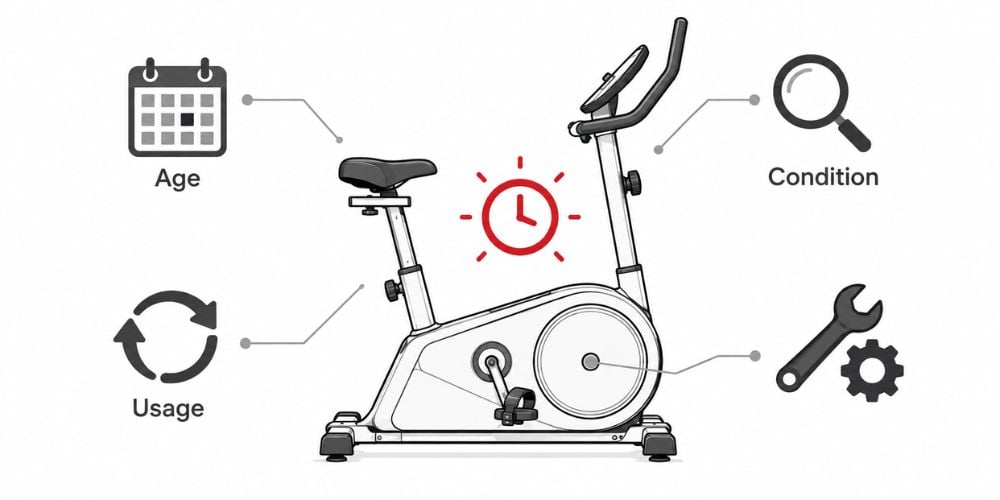
Now estimate how much longer each machine can reasonably remain in use.
Consider:
Age + usage + condition + repair history + parts availability
You do not need an exact replacement date.
Use a simple time range:
- Replace within 12 months
- Replace within 2 years
- Replace within 3–5 years
- No replacement currently planned
Move the replacement date forward if repairs are becoming expensive or replacement parts are difficult to find.
On the other hand, an older machine that remains reliable and lightly used may stay in service longer. The goal is not to replace equipment just because it reaches a certain age.
7. Build a 3- to 5-Year Replacement Schedule
Finally, put everything into one simple schedule.
Equipment | Condition | Usage | Replacement Plan |
Treadmill | Poor | High | Year 1 |
Cable Machine | Fair | High | Year 2 |
Exercise Bike | Fair | Medium | Year 3 |
Leg Press | Good | Medium | Year 4 |
Chest Press | Good | Low | Year 5 |
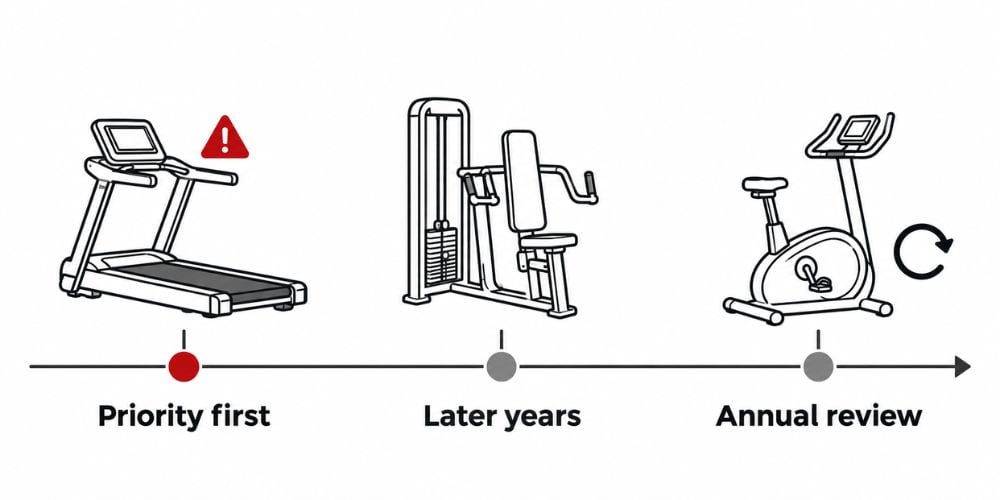
Which machines should go first? Start with equipment that has the biggest safety, reliability, repair, or usage concerns.
Spread less urgent replacements across later years. This gives you a clearer plan instead of having several unexpected replacements arrive at once.
Review the schedule at least once a year. Move equipment forward or backward depending on its actual condition.
Conclusion
A gym equipment replacement schedule can stay simple. List your machines, record their age, track usage and repairs, check their condition, estimate remaining life, and assign each one a replacement year.
This helps you plan upgrades before equipment becomes unreliable.
If you are planning to replace older machines, YR Fitness can help you compare commercial strength and cardio options that fit your replacement plan and daily equipment needs.
Related articles:



