






One time, a manager showed me his maintenance log and said, “I feel like I’m always behind.” His gym was busy, but problems kept piling up.
That’s why this article focuses on problems that affect time, staff, and member trust. These are the issues that hurt business first.
At YR Fitness, we’ve been making commercial gym equipment since 1997, and we support full gym setups across many markets. With exports to over 100 countries, we see which problems appear most often and why.
In this article, you’ll get 16 common gym problems and practical ways to fix each one. When you’re done, you’ll have a clearer system for handling issues before they grow.
Running a gym should not feel like constant damage control. The right fixes can bring stability back.
So, let’s get started!
Table of Contents
- Quick Chart
- 1. Low Customer Turnout
- 2. Difficulty Retaining Memberships
- 3. Unwelcoming to Beginners
- 4. Members Using Equipment Without Permission or Proper Training
- 5. Injuries and Accidents Happening on the Premises
- 6. High Operating Costs
- 7. Poor Customer Service
- 8. Ineffective Marketing
- 9. Negative Online Reviews
- 10. Lack of Equipment or Facilities
- 11. Dirty and Poorly Maintained Premises
- 12. Insufficient Staff Training
- 13. Overcrowding During Peak Hours
- 14. Lack of Community and Engagement
- 15. Inaccessible or Inconvenient Location
- 16. Membership Pricing and Contracts
- Conclusion
Quick Chart
Not ready for a deep dive yet? A trusted commercial gym equipment manufacturer can also help solve many common gym problems with quality solutions. This table gives you a quick look at the top gym problems and simple fixes before we explore each one in detail.
Problem | What Causes It | How to Fix It |
Low Customer Turnout | No clear marketing, low engagement, bad reviews, strong competition, seasonal drops. | Share member stories, run referral programs, partner locally, follow up with ex-members. |
Difficulty Retaining Memberships | Lack of connection, repetitive workouts, no progress tracking, poor communication. | Build relationships, offer variety, track wins, build community. |
Unwelcoming to Beginners | No staff greeting, confusing layout, intimidating culture, no beginner support. | Welcome new faces, offer tours, create judgment-free zones, run beginner classes. |
Unsafe Equipment Use | No signs or rules, no staff presence, skipped onboarding, peer pressure. | Post signs, offer orientations, keep staff visible, guide members, use user-friendly equipment. |
Injuries and Accidents | Slippery floors, poor setup, crowded space, no supervision. | Inspect daily, space out gear, train staff, keep first aid ready. |
High Operating Costs | Wasted energy, unused software, overstaffing, old machines. | Audit costs, use smart tech, consolidate tools, schedule by traffic. |
Poor Customer Service | Untrained staff, low morale, empty desk, bad follow-up. | Train staff, hold team huddles, improve response time, lead by example. |
Ineffective Marketing | No clear audience, scattered posts, no value, outdated channels. | Define audience, share value posts, partner locally, post consistently. |
Negative Online Reviews | Bad experiences, poor response, unmet expectations, no feedback channel. | Respond calmly, request good reviews, fix repeated issues, collect private feedback. |
Lack of Equipment or Facilities | Low budget, no usage tracking, old gear, no feedback system. | Add suggestion box, rearrange gear, track usage, invest one piece at a time. |
Dirty/Maintained Premises | No schedule, untrained staff, high usage, ignored small issues. | Use checklists, assign tasks, do walkthroughs, fix small issues quickly. |
Insufficient Staff Training | No onboarding, no continued training, wrong assumptions, lack of communication. | Create manuals, shadowing shifts, regular check-ins, welcome questions. |
Overcrowding During Peak Hours | Limited gear, no off-peak incentives, poor scheduling, no traffic data. | Offer off-peak deals, stagger classes, sign-ups for machines, track traffic flow. |
Lack of Community and Engagement | No interaction, no events, disengaged staff, no community space. | Host events, start online groups, celebrate members, train staff to connect. |
Inconvenient Location | Hard-to-find, bad parking, far from users, weak online presence. | Improve signage, update Google Maps info, offer hybrid options, adjust open hours. |
Membership Pricing and Contracts | Confusing fees, few options, long terms, unclear value. | Make pricing clear, offer flexible plans, allow freezes or upgrades, focus on value benefits. |
Let’s move from quick ideas to actionable steps. We’re just getting started.
1. Low Customer Turnout
I remember opening my gym doors one Monday morning. Lights on. Music playing. Staff ready. But no one walked in.
It’s a bad feeling. Empty spaces. Silent treadmills. And bills are still piling up. Low customer turnout can crush your energy and your business.
What Causes It?
- No Clear Marketing Plan: If people don’t hear about you, they won’t show up. Random posts and scattered flyers aren’t enough.
- Weak Member Engagement: If members don’t feel seen or heard, they stop coming. They want to feel like part of something.
- Bad or No Online Reviews: People trust reviews. No reviews means no social proof. Bad ones? Even worse.
- Too Much Local Competition: Big franchises or shiny new gyms nearby can pull your crowd away fast.
- Seasonal Drop-offs: Summer vacations, holidays, or bad weather can slow traffic.
Also, one overlooked factor is outdated or limited machines, many multi gym equipment manufacturers now design systems that cater to diverse fitness needs in a single station, making your space more inviting.
How Do You Fix It?
- Post Real Member Stories: Share their progress, not just their photos. Real stories connect better than perfect bodies.
- Run a Referral Challenge: Offer free shakes or small perks. Members love bringing friends—and getting rewarded.
- Team Up with Local Businesses: Partner with cafés, salons, or physios. You each get fresh eyes on your brand.
- Reach Out to Past Members: A short text or note saying “We miss you” can go a long way. I’ve done it myself—and it worked.
Low turnout feels personal. But it’s not the end of the road—it’s just a sign to reconnect, refocus, and rebuild stronger relationships with your community.
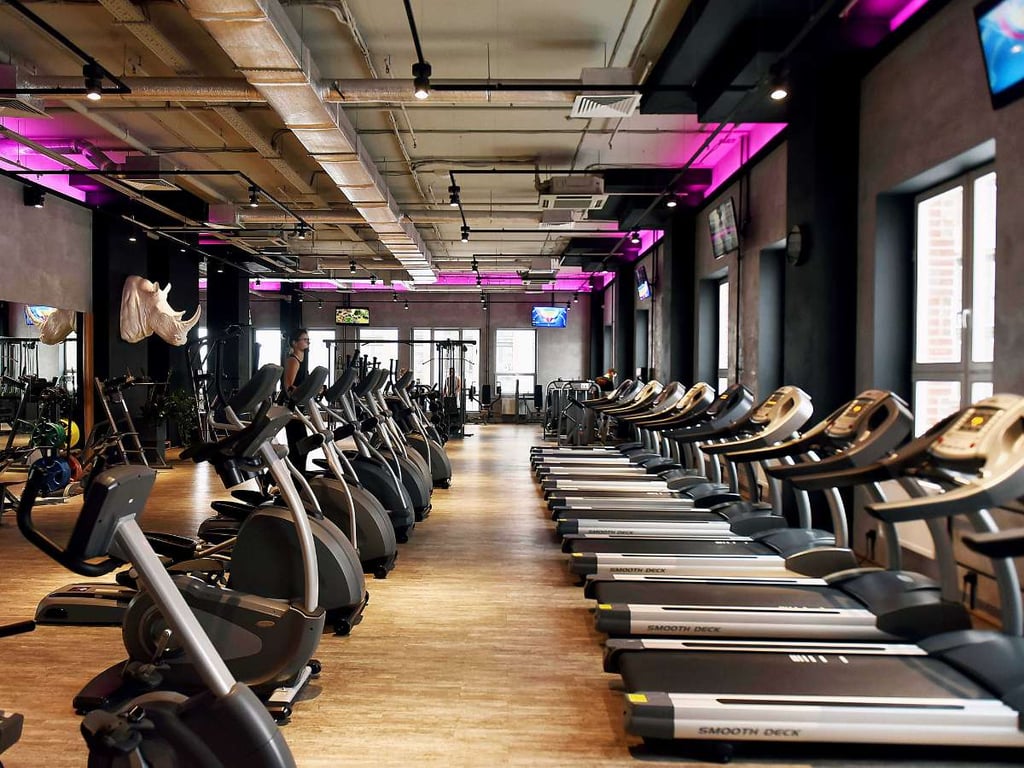
Empty spaces don’t have to define your gym. When the floor feels active and well-equipped, members stay longer and new visitors are more likely to join. YR Fitness builds durable, commercial gym equipment designed for busy daily use and a smooth training experience. If you want to refresh your facility and bring energy back to every zone, reach out to us at YR Fitness to plan your next upgrade.
2. Difficulty Retaining Memberships
You work hard to bring people in—but keeping them? That’s often the real challenge.
Retention means your members stay and keep paying. Losing them hurts both financially and emotionally. You start asking yourself, What am I doing wrong?
Sometimes, it’s not one big thing. It’s a few small things piling up.
What Causes It?
- Lack of Personal Connection: If members feel like just another number, they won’t stick around.
- Boring or Repetitive Workouts: People crave variety. Doing the same thing every visit gets old fast.
- No Progress Tracking: If members don’t see results—or forget how far they’ve come—they lose motivation.
- Unclear Communication: No updates, no check-ins, no community vibe? People drift away.
How Do You Fix It?
- Build Real Relationships: Learn names. Say hi. Ask about their goals. A little goes a long way.
- Offer Variety in Programs: Try adding small group classes or monthly fitness challenges.
- Track Progress Visibly: Use simple tools like whiteboards or app check-ins. Let members see their wins.
- Create a Member Community: Start a private group, post highlights, share milestones.
Retention isn’t just about the gym—it’s about how people feel while they’re in it. Keep them connected, and they’ll keep coming.

3. Unwelcoming to Beginners
Walking into a gym for the first time can be intimidating. Machines everywhere. People lifting heavy. Fast-paced classes. Beginners often feel like outsiders.
And if that first visit feels awkward? They may never return.
What Causes It?
- Lack of Staff Greeting: If no one says hello or offers help, beginners feel invisible.
- Confusing Layout or Equipment: Without signs or guidance, new members don’t know where to start.
- Intimidating Culture: Loud lifters, cliques, or too much ego can push beginners away.
- No Beginner Support: If everything is advanced-level, beginners feel left out.
How Do You Fix It?
- Welcome Every New Face: A warm greeting changes everything. Ask if they need help.
- Offer Beginner Tours or Intros: Walk them through the space. Show them how to use basic equipment.
- Create a Judgment-Free Zone: Remind members that everyone starts somewhere.
- Run Beginner-Friendly Classes: Keep them small, slow-paced, and coach-led.
A gym should feel safe and friendly from day one—because when beginners feel supported, they don’t just come back, they become loyal, long-term members who grow with your community.

The first visit shapes how a newcomer feels about training in your gym. Beginner-friendly equipment helps remove guesswork and makes the experience smoother, especially for people who are not familiar with machines. YR Fitness designs equipment that feels approachable, with straightforward adjustments and a stable training feel.
If you want a gym space that helps every member feel comfortable and confident, contact us at YR Fitness to explore suitable options.
4. Members Using Equipment Without Permission or Proper Training
When members use equipment without knowing how—or without permission—it puts them at risk. It also puts your gym at risk for injury claims, equipment damage, or worse.
You want people to feel confident. But safety has to come first.
What Causes It?
- No Clear Rules or Signs: If members don’t see rules posted, they assume it’s fine to try anything.
- Lack of Staff Presence: When staff isn’t visible, people feel free to experiment.
- No Intro Sessions: Some gyms skip onboarding. That leaves beginners guessing.
- Peer Pressure or Ego: Some just want to look tough. Even if they’re not ready.
How Do You Fix It?
- Post Clear Instructions on Machines: Keep signs simple. Use big fonts and visuals.
- Offer Free Orientation Sessions: Show new members how to use the basics.
- Have Staff on the Floor Often: A visible presence helps prevent misuse.
- Correct Gently, Not Harshly: Pull someone aside. Guide, don’t embarrass.
- Choose User-Friendly Machines: Pick equipment that members can understand quickly. At YR Fitness, we design machines to be easy to adjust, comfortable to use, and clear in how they guide the exercise. That way, new members feel less intimidated and advanced users can move through workouts smoothly while staying safe.
Helping members use equipment the right way doesn’t just prevent injuries—it shows them someone’s looking out for them. I’ve had people thank me just for taking a moment to guide them. That small act builds trust—and makes your gym feel like a place where people belong.

5. Injuries and Accidents Happening on the Premises
I’ll never forget the day a member tripped over a loose mat and sprained her ankle. She wasn’t angry—but I was. At myself.
Accidents happen. But in a gym, they can lead to serious pain, medical bills, or even lawsuits. One small hazard can do big damage. Nobody wants to get hurt. And nobody wants to be the reason someone else did.

What Causes It?
- Slippery Floors or Loose Mats: One misstep is all it takes.
- Poor Equipment Setup: Misaligned cables or wobbly benches can cause falls or strains.
- Crowded Spaces: Not enough room to move increases the chance of bumping into something—or someone.
- No Supervision: Without staff around, members may push too far or use gear wrong.
How Do You Fix It?
- Inspect Your Space Daily: Check for hazards every morning—wet spots, loose parts, tripping risks.
- Space Out Equipment: Give people room to move freely without risk.
- Train Staff to Watch and Respond: A quick correction can stop an injury before it happens.
- Keep First Aid Close: Accidents can still happen—be ready to help fast.
Accidents are scary—for you and your members. But when people see you take safety seriously, they feel more cared for, more comfortable, and more likely to stay.
6. High Operating Costs
Some months, it felt like the bills were chasing me. Rent, utilities, staff pay, software fees—it all stacked up.
Running a gym isn’t cheap. Even small changes, like switching cleaning products or running the AC longer, show up in the numbers. Partnering with an international gym equipment manufacturer can reduce procurement costs without compromising on durability, helping manage expenses long-term.
When overhead keeps climbing, it’s easy to feel like you’re working hard just to stay afloat.
What Causes It?
- Wasted Energy Use: Lights left on. AC running full blast in empty rooms.
- Too Many Software Tools: You might be paying for platforms you don’t use.
- Overstaffing or Poor Scheduling: Too many people on slow days. Not enough during peak hours.
- Inefficient Equipment: Old machines can burn power and break more often.
How Do You Fix It?
- Do a Cost Audit Every Quarter: Look at where the money’s going. Cut what’s not helping.
- Use Smart Thermostats and LED Lights: Small upgrades can save a lot over time.
- Consolidate Software Tools: Choose platforms that handle more than one job.
- Schedule Staff Based on Member Flow: Busy times need more hands—quiet times don’t.
Cutting costs doesn’t mean cutting corners. It means working smarter—so you can breathe easier, stay profitable, and keep your gym running strong.
Overhead costs can climb fast, especially when repairs and replacements become routine. YR Fitness builds commercial-grade equipment made for long service life, helping reduce unexpected maintenance expenses and improve day-to-day reliability. Better efficiency also supports steadier operating costs over time. Contact us at YR Fitness to explore equipment options that support a more sustainable gym business.
7. Poor Customer Service
Customer service can make or break your gym. It’s not just about answering questions. It’s about how people feel when they walk in and when they leave.
Even one bad experience can push someone to cancel.
What Causes It?
- Lack of Staff Training: Without clear guidance, staff may not know what good service looks like.
- Low Morale or Burnout: Tired, frustrated staff aren’t likely to greet members with energy.
- No One Watching the Front Desk: Empty counters or distracted staff leave a bad first impression.
- Poor Communication Habits: Ignored emails, no callbacks, or slow replies drive people crazy.
How Do You Fix It?
- Train for Friendliness and Focus: Teach staff to smile, greet, and listen first.
- Hold Quick Weekly Huddles: Keep your team sharp, updated, and feeling heard.
- Create a Simple Response System: Make sure all messages get answered within 24 hours.
- Lead by Example: Show what good service looks like. Your team will follow.
People might join for the equipment, but they stay for how they’re treated. I’ve seen it firsthand—a simple “good morning” or helping someone re-rack weights can turn their whole day around. When people feel welcomed and cared for, they stop being just members—they become part of your gym family.

8. Ineffective Marketing
I remember posting flyers around town and thinking, This will bring people in. It didn’t.
Marketing can feel like shouting into the void. You’re putting time, effort, and maybe money into it—but nothing’s happening. Highlighting unique gym equipment in promotions can capture attention and differentiate your brand. No calls. No messages. No new faces.
If your marketing isn’t working, it’s not always because you’re not trying. It might just be you’re trying the wrong things.
What Causes It?
- No Clear Target Audience: If you’re talking to everyone, you’re really talking to no one.
- Inconsistent Posting or Messaging: Random posts confuse people. They forget who you are.
- No Real Value Offered: Ads that only say “Join now” don’t connect. People want to know why.
- Outdated Platforms: Are you still using methods your audience isn’t paying attention to?
How Do You Fix It?
- Define Your Audience Clearly: Are you reaching busy parents? Students? Weekend warriors? Speak to them.
- Show Real Value: Post member wins, helpful tips, behind-the-scenes moments.
- Use Local Partnerships: Team up with nearby cafes, sports teams, or wellness pros.
- Be Consistent: Post regularly. Show up often enough to be remembered.
Marketing isn’t just about being seen—it’s about being understood. When people feel like you’re speaking directly to them, that’s when they walk through your door.
9. Negative Online Reviews
The first time I got a one-star review, it threw me off completely. I kept asking myself—what did I miss?
Online reviews are powerful. Most people read them before stepping into a new gym. And once something negative is out there, it sticks. Even one bad review can make potential members second-guess giving your space a chance.
But here’s the truth—not every negative review is unfair. Some are emotional reactions. Others point out real issues. Either way, ignoring them doesn’t make them go away.
What Causes It?
- Poor Member Experience: Rude staff, broken machines, or messy areas can spark a rant.
- Lack of Communication: When members feel unheard, they turn to the internet.
- Unrealistic Expectations: Sometimes people want more than what’s offered—and leave disappointed.
- No Private Way to Complain: If feedback isn’t easy to give in person, they’ll post it online instead.
How Do You Fix It?
- Respond Calmly and Quickly: Don’t argue. Listen. Thank them. Offer a real next step.
- Ask Happy Members to Leave Reviews: Most won’t unless you ask. A gentle reminder helps.
- Look for Patterns in Complaints: If three people say the same thing, it’s probably true.
- Make Feedback Easy: Create a safe way for members to speak up before it’s public.
Bad reviews are hard to read—but they can also be a window into what your members really need. When you listen and respond with care, you don’t just fix problems—you build deeper trust that lasts longer than any rating.
Online reviews can shape your reputation fast. When equipment runs well and the floor feels organized, members notice and they’re more likely to leave positive feedback. YR Fitness provides high-quality gym equipment designed for heavy use and a strong user experience across different fitness levels. Drop us a message to explore how YR Fitness can support a gym setup people will gladly recommend.
10. Lack of Equipment or Facilities
People don’t just pay for access—they pay for convenience. If someone has to wait too long for a treadmill or can’t find a clean locker, they start thinking about going somewhere else. Investing in the best strength equipment ensures your facility stays competitive and well-equipped for high-volume usage.
It’s not always about having everything. But members do notice when important things are missing—or worn out. Planning gym equipment selection by size ensures essential machines fit well in your available gym space.
What Causes It?
- Limited Budget or Space: You can’t buy it all, and small gyms have to prioritize.
- No Usage Tracking: If you’re not watching what’s popular, you won’t know what’s missing.
- Old or Broken Gear: Equipment that’s always out of order feels like no equipment at all.
- No Member Feedback: You won’t know what people want unless you ask.
How Do You Fix It?
- Start a Simple Suggestion Box: Paper or digital—just give members a way to speak up.
- Rotate and Rearrange Equipment: Shift high-use items into better spots to reduce traffic.
- Track Peak Times: Add more gear or staff when traffic is high.
- Invest Slowly, But Smartly: Buying too much too soon can lead to a crowded floor and equipment that sits unused. If you’re looking for a supplier that helps you match equipment to your layout and budget, YR Fitness is a strong choice. We prioritize quality and long service life so each purchase supports steady gym growth.
You may not have space for everything, but when members feel heard—and see you improving—they stay loyal, even if the gym isn’t perfect.

11. Dirty and Poorly Maintained Premises
One time, I walked into the bathroom after a busy shift and caught a whiff I’ll never forget. Trash overflowed. Wet floors. I was embarrassed—and I own the place.
Cleanliness and upkeep matter more than most people realize. If the gym looks dirty or run-down, people assume everything else is too. Even great service and equipment can’t make up for a messy space.
And once members start to notice it, they’ll start talking—or worse, leaving.
What Causes It?
- No Cleaning Schedule: Without a routine, things get skipped.
- Undertrained Staff: If no one knows what “clean” really looks like, the basics get missed.
- Heavy Usage Without Upkeep: Busy hours mean more mess, more wear, and more breakdowns.
- Ignoring Small Repairs: Peeling paint or broken lights may seem minor—but they pile up fast.
How Do You Fix It?
- Build a Daily Checklist: Break cleaning into short tasks by shift and zone.
- Assign Clear Duties: Everyone should know who handles what and when.
- Do Weekly Walkthroughs: Look at your gym like a member would. What would bother you?
- Fix Small Stuff Fast: Loose tiles, leaky faucets—take care of them before they become big problems.
People notice the little things. And when they see you take care of your space, they feel better about trusting you with their health too.
12. Insufficient Staff Training
A while back, I watched a staff member struggle to show a beginner how to use the leg press. The member looked confused. The staff looked nervous. And I realized—I hadn’t trained them well enough.
When staff aren’t properly trained, it affects everything. Customer service drops. Equipment gets misused. Tasks get missed. And members notice.
Even a friendly team can fall short if they don’t feel confident in what they’re doing. That lack of knowledge? It shows—and it spreads.
What Causes It?
- No Onboarding Plan: New hires get tossed in without clear direction.
- Lack of Ongoing Training: Learning shouldn’t stop after week one.
- Assuming Experience Equals Skill: Just because someone worked elsewhere doesn’t mean they know your way.
- Poor Communication Among Staff: When no one shares info, everyone stays confused.
How Do You Fix It?
- Create a Simple Training Manual: Cover the basics—equipment, cleaning, customer care.
- Do Shadow Shifts for New Staff: Let them learn by watching before jumping in.
- Hold Monthly Check-ins: Ask what they need. Teach new things.
- Encourage Questions: Make it okay not to know something just not okay to stay quiet.
When you invest in training your staff, you’re really investing in your members’ experience. A confident, informed team creates a better gym for everyone and builds a space where people feel supported, every time they walk in.
13. Overcrowding During Peak Hours
Overcrowding frustrates both regulars and newcomers. It creates long wait times, rushed workouts, and a lot of bad moods. You might have the best equipment and friendliest staff—but if people can’t use the space, they’ll leave.
And during peak hours, it’s easy for things to spiral fast.
What Causes It?
- Limited Equipment or Space: Too many people, not enough gear.
- No Time-Based Incentives: Everyone shows up at the same time—after work.
- No Class or Floor Schedule: Overlapping classes and free-weight users can clash.
- Lack of Traffic Tracking: If you don’t track when it’s busiest, it’s hard to plan ahead.
How Do You Fix It?
- Offer Off-Peak Discounts: Encourage early birds or midday workouts.
- Stagger Classes and PT Sessions: Spread them out to reduce floor traffic.
- Add Sign-Ups for Popular Machines: Helps manage demand during peak times.
- Track Member Flow: Use a simple tool or app to spot patterns.
Fixing overcrowding isn’t always about expanding—it’s about better flow, smarter planning, and creating a space where everyone feels they belong, no matter the time of day.
14. Lack of Community and Engagement
I once asked a member how they liked the gym. They said, “It’s fine. I come in, work out, and leave.”
That answer bothered me.
People want more than just machines. They want connection. A sense of belonging. When there’s no community, members feel like they’re just passing through. And if they don’t feel tied to your gym? They’ll leave when something better—or cheaper—comes along. Working with a custom gym equipment manufacturer to add your logo and colors to the equipment reinforces brand identity and pride among members.
What Causes It?
- No Member Interaction: If no one talks to each other, it stays cold and quiet.
- Lack of Events or Challenges: Nothing new means nothing to get excited about.
- Staff Doesn’t Lead the Way: If your team isn’t engaging, members won’t either.
- No Space to Connect: No lounge area, no notice board, no group connection points.
How Do You Fix It?
- Host Monthly Challenges or Events: Keep it fun and low-pressure—like a step goal or team workout.
- Start a Private Group Online: Facebook or WhatsApp works great for updates and member wins.
- Celebrate Small Wins Publicly: Birthdays, personal records, or member anniversaries go a long way.
- Train Staff to Spark Conversation: A simple “How’s your training going?” can open a door.
I’ve seen it happen—when someone feels like they truly belong, they stop calling it the gym and start calling it my gym. And that simple shift? It changes everything.
15. Inaccessible or Inconvenient Location
Location matters more than most of us want to admit. People might love your staff and your space, but if it’s too far, too hidden, or hard to park—they stop coming.
Convenience isn’t a luxury. It’s what keeps busy people consistent.
What Causes It?
- Hard-to-Find Entrance: No signs or unclear directions turn people off before they even step in.
- Bad Parking or Transit Options: If it’s a hassle to get there, it’s a reason not to go.
- Far From Where Members Live or Work: Long commutes kill good habits.
- Poor Online Visibility: If they can’t find you on Google Maps, they’ll assume you’re not there.
How Do You Fix It?
- Improve Online Info: Update maps, hours, photos, and directions. Make your location easy to spot.
- Add Clear Signage Outside: Help people find you from the street or parking lot.
- Offer Hybrid Options: Online classes or weekend pop-ups closer to where members live.
- Ask Members What Works: Sometimes just shifting your hours helps.
I’ve learned that where you are can be just as important as what you offer—so the easier you make it to show up, the more people will.
16. Membership Pricing and Contracts
Pricing and contracts are tricky. You need to cover your costs, but members need to feel like they’re getting real value. If the price doesn’t match their experience—or if the rules feel unfair—they leave, or worse, they stay unhappy. You can create more flexible pricing models by importing gym equipment, which often lowers upfront investment.
You want your pricing to feel fair, flexible, and easy to understand.
What Causes It?
- Confusing Terms or Fees: Hidden costs and unclear rules turn people off fast.
- Lack of Options: One-size-fits-all pricing doesn’t work for everyone.
- Long, Rigid Contracts: Life changes. People want flexibility without stress.
- No Perceived Value: If they don’t see the benefits, even a low price feels high.
How Do You Fix It?
- Make Pricing Simple and Clear: Break it down. No fine print.
- Offer Multiple Plans: Day pass, monthly, family, or class-only options.
- Let People Upgrade or Freeze Easily: Life happens—make adjustments simple.
- Focus on Value, Not Just Cost: Highlight what they get, not just what they pay.
When members feel like the pricing makes sense for them, they stick around—because it’s not just about dollars, it’s about feeling respected. I’ve had real conversations with members who said, “Thanks for being fair.” That kind of trust? It’s worth more than any contract.
Member loyalty often comes from one simple thing: they feel the gym delivers value every time they walk in. That value shows up in reliable machines, a well-equipped floor, and fewer “out of order” signs. YR Fitness supplies high-quality commercial equipment used by gyms around the world to support strong daily operations. Reach out to our team and let’s help you create a gym that members are happy to pay for.
Conclusion
In the end, that manager didn’t “work harder.” He worked smarter. He used the log to spot patterns and stopped letting small issues turn into big ones.
This article gives you 16 common gym problems and practical fixes you can apply in order. When your systems improve, your gym feels calmer and more reliable.
YR Fitness is a commercial gym equipment partner that supports full gym setups built for real traffic. Contact us today for equipment choices, layout planning, and maintenance-friendly solutions.
Related articles: