









Have you ever wondered if the cleaner you use could damage gym equipment? Small mistakes can wear out grips, upholstery, screens, and other parts.
The simple answer is: use the right cleaner, limit moisture, and be careful around moving or electronic parts. Good cleaning should protect the machine, not damage it.
As a Machinery & Structural Engineer at YR Fitness, I work closely with equipment materials, coatings, frames, and mechanical parts. I often see simple cleaning mistakes cause avoidable wear over time.
Below, I’ll show you seven common cleaning mistakes and what to do instead. Use them as a quick check for your current routine.
1. Using the Same Cleaner on Every Surface
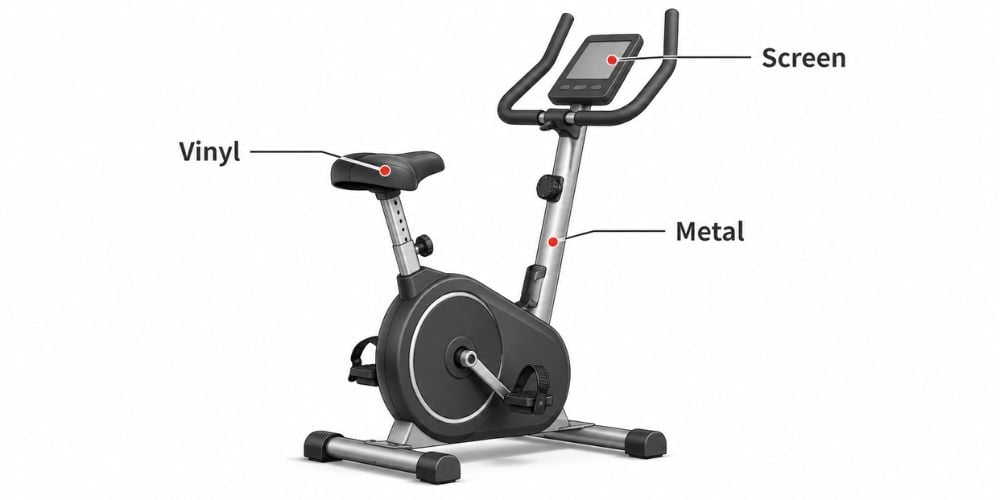
One cleaner does not work well on every part of a gym machine.
A typical machine may include:
- Painted steel
- Vinyl upholstery
- Rubber grips
- Plastic covers
- Touchscreens
- Chrome or stainless steel parts
A cleaner that works well on metal may dry out vinyl or damage rubber. Screens also need different care from frames and grips.
The CDC recommends using cleaning products that are appropriate for the surface you are cleaning. CDC cleaning and disinfecting guidance
What should you do instead?
Match the cleaner to the material. If you are unsure, check the equipment manufacturer’s instructions first.
I also like to test an unfamiliar cleaner on a small hidden area. That quick check can help you catch fading or discoloration before it becomes visible.
Surface | Simple Cleaning Approach | Watch Out For |
Painted steel | Soft cloth + suitable mild cleaner | Abrasive pads |
Vinyl upholstery | Material-safe mild cleaner | Harsh solvents |
Rubber grips | Lightly damp cloth | Chemicals that dry rubber |
Plastic covers | Gentle surface-safe cleaner | Strong solvents |
Touchscreens | Follow screen instructions | Excess liquid |
Chrome/stainless steel | Soft cloth + suitable cleaner | Scratches and residue |
2. Spraying Cleaner Directly on the Machine
Spraying cleaner straight onto equipment may seem faster. The problem is that liquid can travel farther than you expect.
It can run into:
- Console buttons
- Adjustment openings
- Seat seams
- Bearings
- Electrical connections
This matters most around treadmills, bikes, and machines with electronic controls.
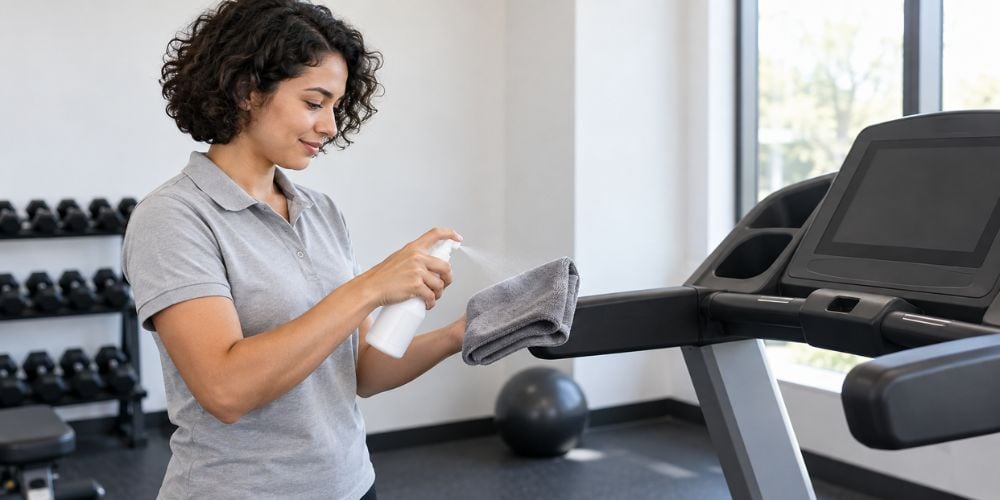
A safer habit? Spray the cleaner onto a microfiber cloth first, then wipe the surface.
For touchscreens and other electronics, the CDC also recommends following the manufacturer’s cleaning instructions. CDC guidance for cleaning electronics
You still clean the equipment without soaking in sensitive areas.
3. Using Too Much Water
More water does not mean a cleaner machine.
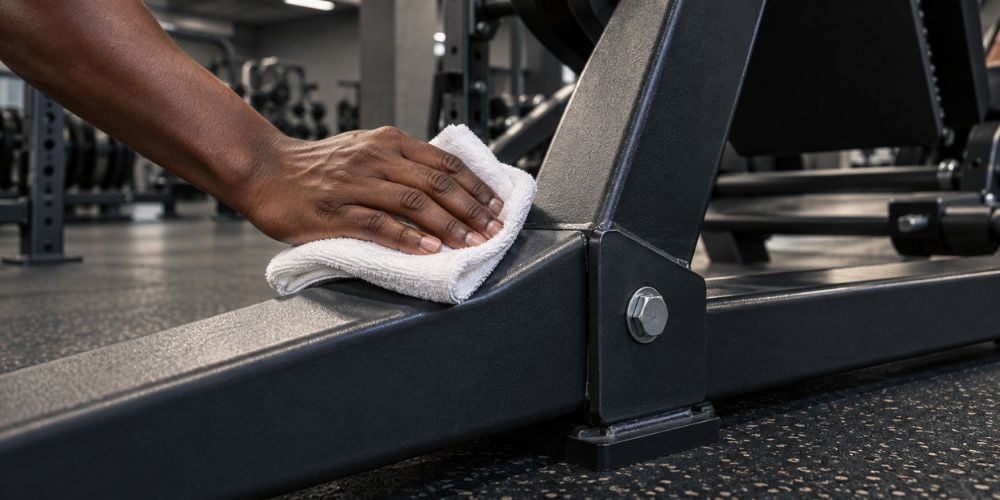
Excess moisture can collect around bolts, seams, frames, and electrical components. Over time, that may contribute to corrosion or material damage.
Use a lightly damp cloth, not a soaked one.
Pay extra attention around:
- Metal joints
- Upholstery seams
- Adjustment holes
- Display panels
- Cable openings
Here is why this matters: water can disappear into small gaps even when the outside of the machine already looks dry.
4. Using Harsh Chemicals
A stronger cleaner is not automatically a better cleaner.
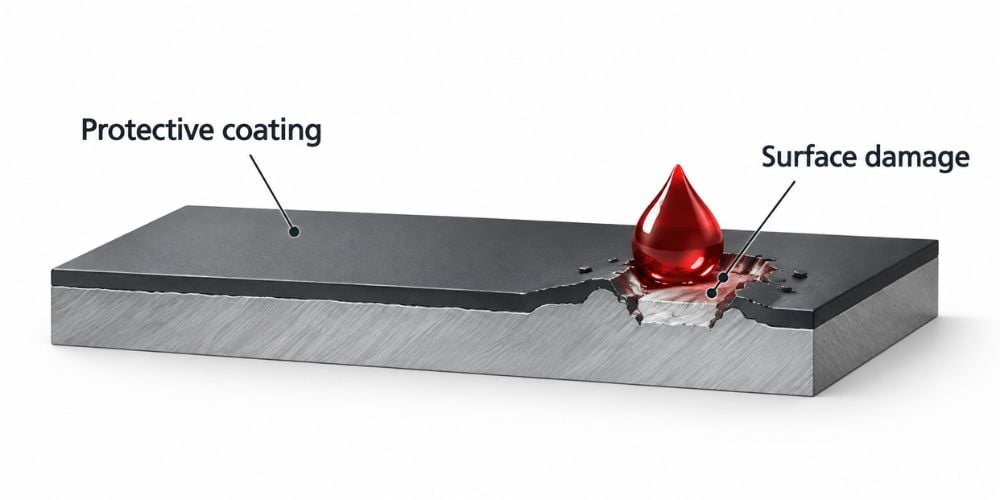
Aggressive solvents or harsh chemicals may:
- Fade upholstery
- Dry out rubber
- Damage protective coatings
- Cloud plastic
- Leave grips sticky or brittle
For everyday cleaning, choose a product that is suitable for the material.
But what if you need to disinfect the equipment?
You can. Just make sure the disinfectant is suitable for that surface and follow its label.
The EPA explains that disinfectant labels include important details such as where the product can be used, how it should be applied, and how long it needs to remain on the surface.
If you need an EPA-registered option for a particular purpose, you can also check the agency’s searchable List N disinfectant database.
In my experience, problems often start when people assume stronger chemicals must clean better. The product needs to clean the surface without damaging the material underneath.
At YR Fitness, we design commercial machines for frequent daily training and pay close attention to materials, coatings, upholstery, and other high-use components. If you want to compare strength and cardio equipment built for repeated use, you can explore our commercial gym equipment.
5. Ignoring High-Touch Areas
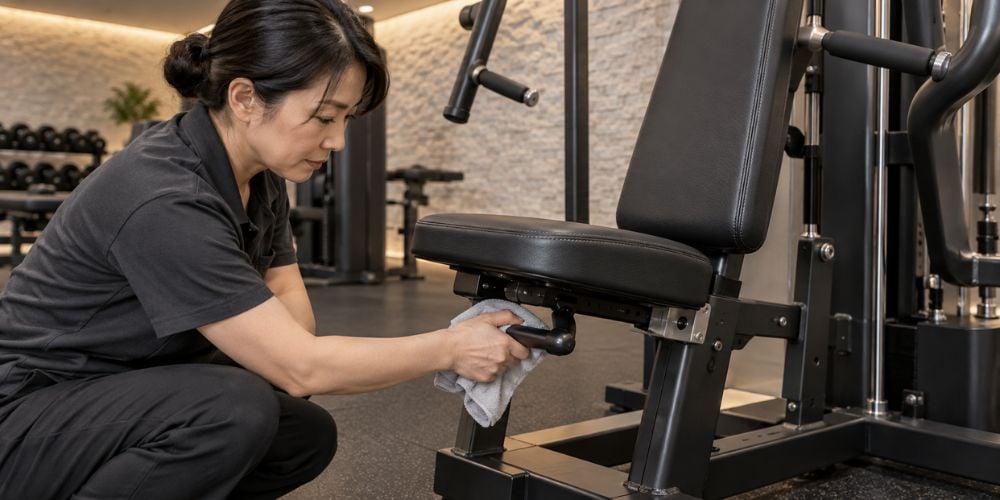
Large seats and frames are easy to notice. Smaller parts that people touch constantly are easier to miss.
These include:
- Handles
- Grips
- Adjustment pins
- Seat adjustment levers
- Touchscreens
- Start and stop buttons
- Weight-stack selector pins
Sweat and skin oils can build up quickly in these areas.
The CDC recommends cleaning high-touch surfaces regularly, rather than waiting until they look dirty.
I often notice handles and adjustment points showing dirt before larger surfaces do. Make them part of your regular cleaning routine.
6. Cleaning Moving Parts Incorrectly
Moving parts should not be cleaned the same way as seats and frames.
Be careful around:
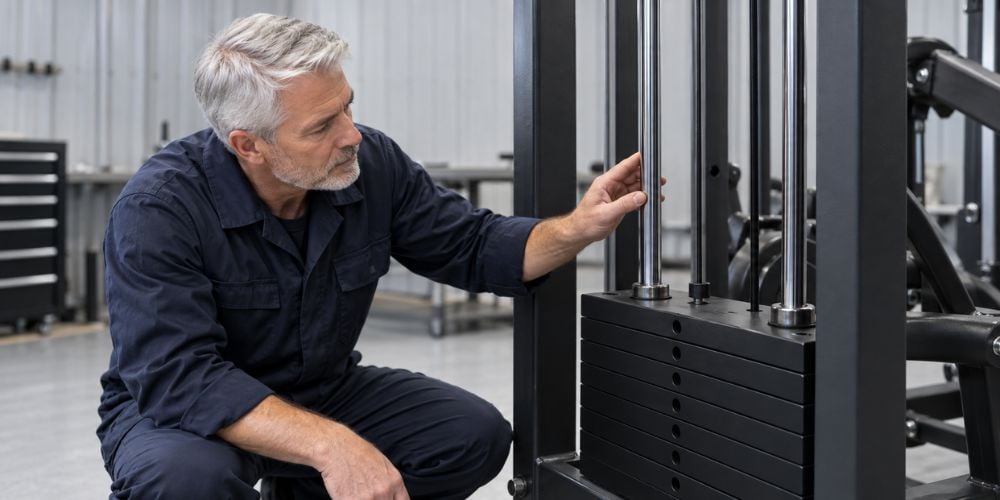
- Weight-stack guide rods
- Cables
- Bearings
- Pulleys
- Treadmill belts
- Rollers
These components may need specific lubrication or maintenance procedures.
For example, repeatedly using general-purpose cleaner on a lubricated guide rod may remove lubrication. That can affect how smoothly the weight stack moves.
Should you add lubricant after cleaning? Only if the manufacturer recommends it.
Do not randomly apply cleaners or lubricants to mechanical parts. Cleaning and maintenance support each other, but they are not the same job.
7. Forgetting to Dry the Equipment
Do not stop once the surface looks clean.
Moisture left behind can lead to:
- Slippery grips
- Water marks
- Corrosion
- Moisture around seams
- Sticky upholstery
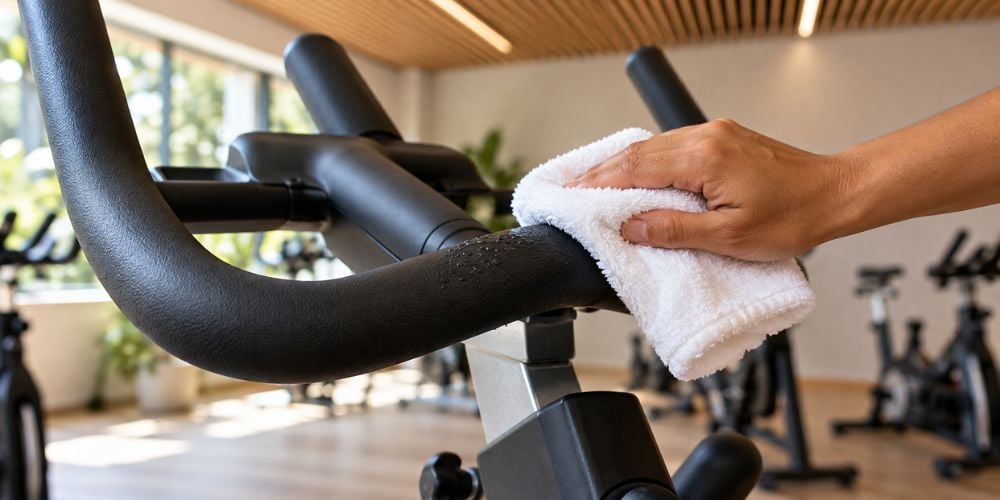
Finish by wiping the surface with a clean, dry microfiber cloth.
Pay extra attention to metal joints, grips, seats, and places where liquid can collect. It is a small final step, but I have seen it prevent many avoidable surface problems.
Conclusion
Most gym equipment cleaning mistakes are easy to fix. Use the right cleaner, limit moisture, focus on high-touch areas, and take extra care around electronic and moving parts.
You do not need a complicated routine. A few better cleaning habits can help your equipment stay cleaner and remain in better condition.
At YR Fitness, we have been developing commercial gym equipment designed for regular daily training. If you are comparing durable strength or cardio machines, browse our commercial fitness equipment and see which options fit the way you train.
Related articles:



