




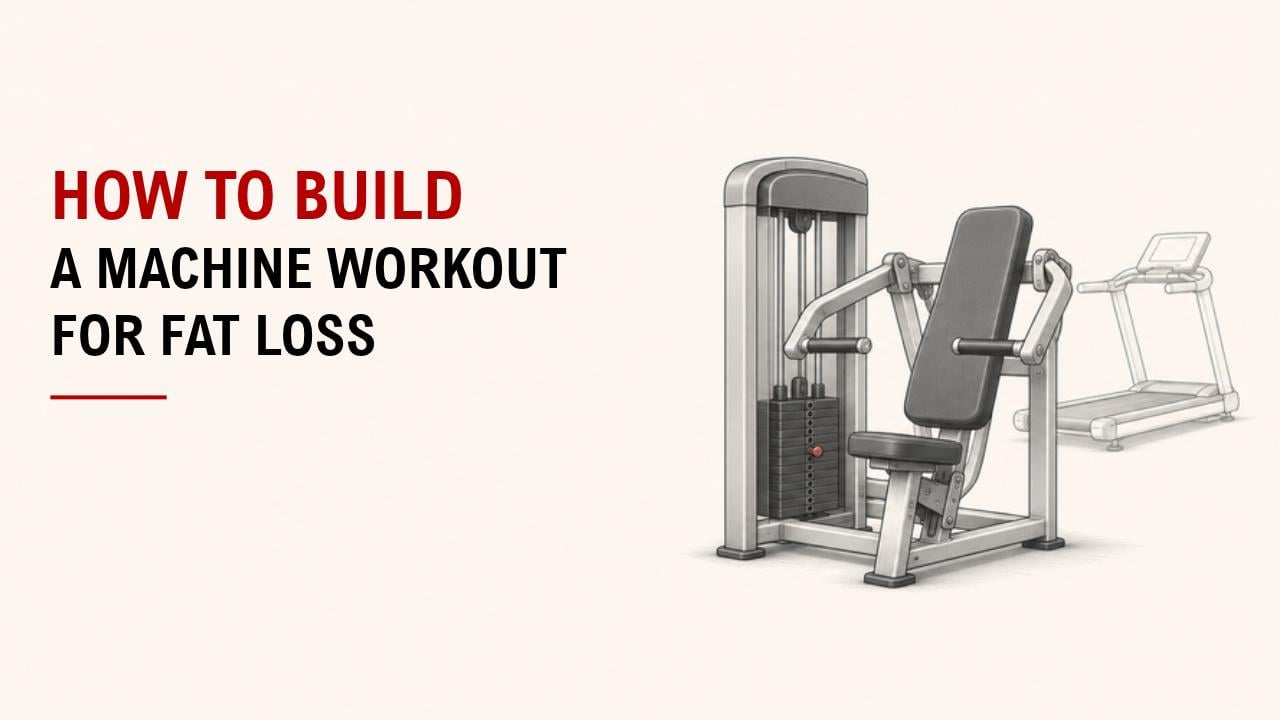

Want to lose body fat but aren’t sure which gym machines to use? You don’t need a complicated routine to get started.
A good machine workout combines strength training and cardio to burn calories while maintaining muscle. Start with a few machines, follow a simple plan, and stay consistent.
As an Exercise Physiology & Biomechanics Expert at YR Fitness, I’ve seen how structured workouts help beginners train with more confidence. I recommend starting with manageable weights and increasing the difficulty gradually.
In this guide, I’ll show you which machines to choose, how many sets and reps to perform, and how to build a 40-minute workout. Follow these steps to create a routine that fits your fitness level.
1. Choose 5–6 Machines for Your Workout
Start with machines that target your major muscle groups. You don’t need to use every machine in the gym to get a good workout.
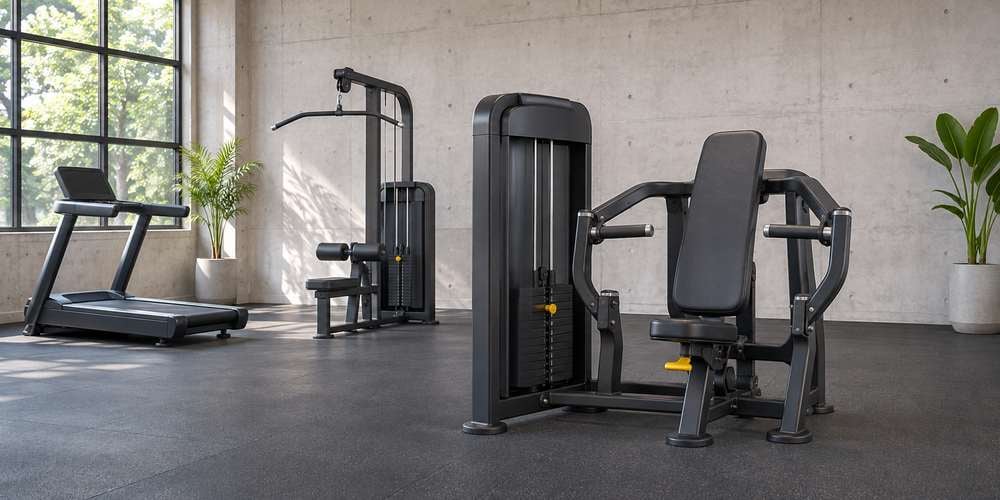
I recommend these six machines:
- Leg Press: Works your quads, glutes, and hamstrings.
- Chest Press: Trains your chest, shoulders, and triceps.
- Lat Pulldown: Targets your back and biceps.
- Seated Row: Strengthens your upper back and arms.
- Leg Curl: Focuses on your hamstrings.
- Treadmill or Elliptical: Helps you burn extra calories through cardio.
Why these machines? They cover most of your major muscle groups while keeping the workout easy to follow.
For example, a chest press machine helps you train your upper body with a guided pressing movement. A lat pulldown machine focuses on your back muscles.
Quick Tip: Choose machines with adjustable seats and comfortable movement paths. Start with lighter weights until you’re familiar with each exercise.
2. Set Your Reps, Sets, and Rest Time
Once you’ve chosen your machines, decide how many sets and reps to perform.
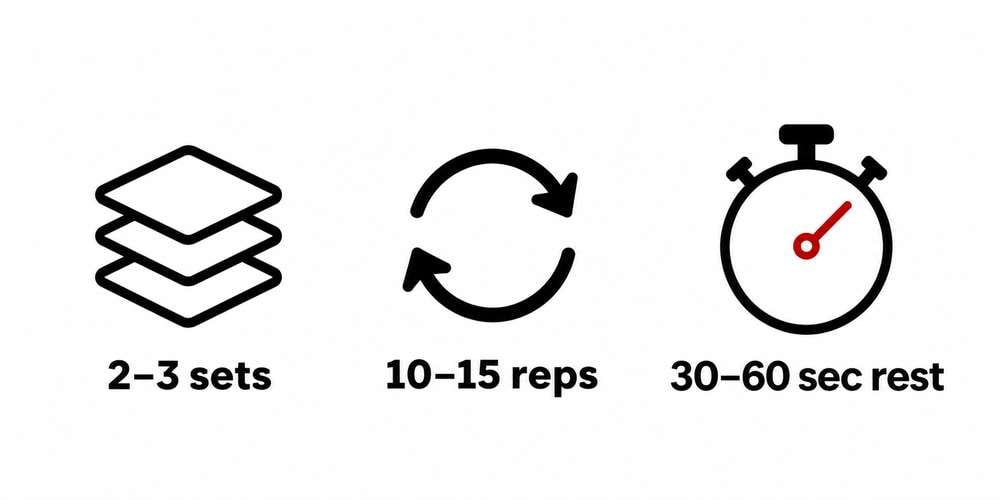
For beginners, keep these numbers in mind:
- Sets: 2–3 sets per machine.
- Reps: 10–15 repetitions per set.
- Rest: 30–60 seconds between sets, or longer if needed.
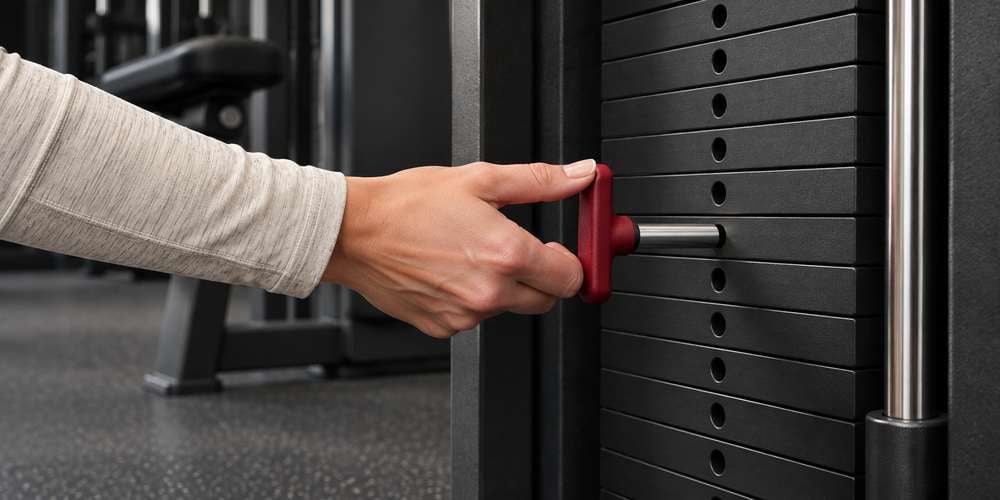
- Weight: Choose a resistance that makes the last few reps challenging.
- Speed: Use slow, controlled movements instead of rushing.
For example, perform 12 chest press reps, rest for 45 seconds, and repeat.
You can also alternate between upper-body and lower-body machines to give your muscles more recovery time.
How heavy should you lift?
Choose a weight that allows you to finish your reps with proper form. The final 2–3 reps should feel challenging, but you shouldn’t need to swing or jerk the weight.
If you can complete 15 reps easily, increase the resistance slightly during your next workout.
3. Follow This 40-Minute Machine Workout
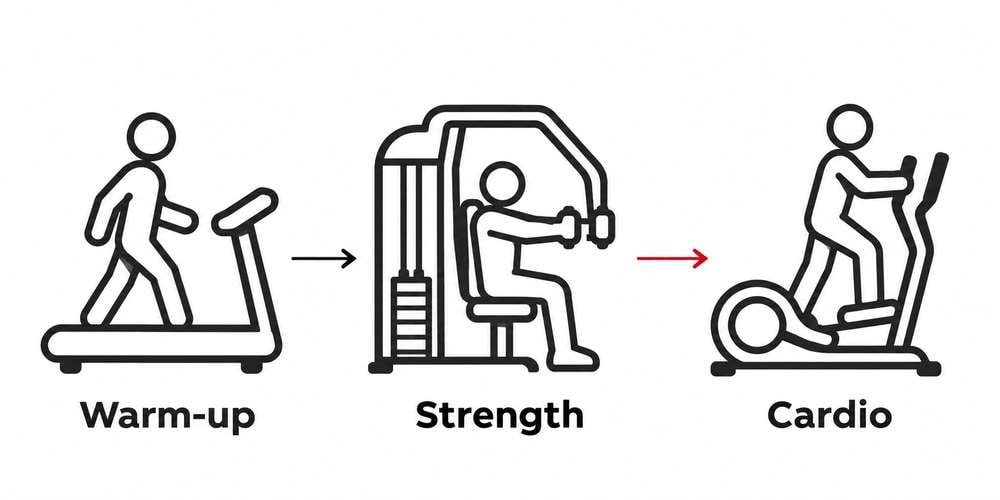
You don’t need to spend hours exercising. This 40-minute routine combines strength training and cardio to help you build strength and burn calories.
Exercise | Sets/Reps | Time |
Treadmill Warm-Up | Easy walking | 5 min |
Leg Press | 2 × 12 | 5 min |
Chest Press | 2 × 12 | 5 min |
Lat Pulldown | 2 × 12 | 5 min |
Seated Row | 2 × 12 | 5 min |
Leg Curl | 2 × 12 | 5 min |
Treadmill or Elliptical | Moderate cardio | 10 min |
Total | 40 min |
How to Follow the Workout
- Warm up for 5 minutes: Walk comfortably on the treadmill to prepare your body.
- Leg Press: Perform 2 sets of 12 reps while keeping your feet flat on the platform.
- Chest Press: Push the handles forward and return slowly without forcefully locking your elbows.
- Lat Pulldown: Pull the bar toward your upper chest while keeping your torso steady.
- Seated Row: Pull the handles toward your body without leaning backward excessively.
- Leg Curl: Bend your knees slowly and keep your hips against the seat.
- Finish with cardio: Walk briskly or use the elliptical at a moderate pace for 10 minutes.
Allow about five minutes for each strength machine, including adjustments and rest. Slow down near the end of your cardio session if you need a cooldown.
Quick Tip: Don’t rush between machines just to burn more calories. Good technique matters more than speed.
For cardio, you can use a treadmill with adjustable speed and incline to match your fitness level.
Choose Machines That Support Comfortable Training
Ever used a machine that felt awkward or difficult to adjust?
A good machine should feel stable and allow you to move comfortably. Adjustable seats, smooth resistance, and proper support can make your workout easier to follow.
At YR Fitness, we design commercial strength and cardio machines with controlled movement paths, adjustable features, and durable construction. Our goal is to help users train comfortably and consistently.
Want to see how different machines work? Explore our strength and cardio equipment to find options that support a balanced workout.
4. Adjust Your Workout for Better Fat-Loss Results
Your first workout doesn’t need to be perfect. What matters is making small improvements as your fitness increases.
Train 3–4 Days Per Week
Start with three full-body workouts per week. Leave at least one recovery day between strength sessions that train the same muscles.
Here’s a simple schedule:
- Monday: Full-body machine workout
- Wednesday: Full-body machine workout
- Friday: Full-body machine workout
- Saturday: Optional walking or light cardio
If you’re new to exercise, three sessions per week are a practical starting point.
The CDC’s physical activity guidelines recommend at least 150 minutes of moderate-intensity aerobic activity and two days of muscle-strengthening exercise each week.
Your 40-minute routine is a good start. Add walking or other cardio on non-training days to gradually work toward the weekly recommendation.
Increase the Weight Gradually
When your current weight becomes easy, increase the resistance slightly.
For example, if you can complete 15 reps with good form, try the next small weight increase.
Keep your movements controlled. If your form breaks down, return to a lighter weight.
Add More Cardio
Begin with 10 minutes of cardio after strength training.
As your endurance improves, increase it to 15–20 minutes.
You can alternate between:
- Treadmill walking
- Elliptical training
- Stationary cycling
How hard should your cardio feel?
Choose a pace that makes you breathe faster but still allows you to speak in short sentences.
You don’t need to push yourself to exhaustion every session.
Support Your Workout With Nutrition
Exercise helps you burn calories, but fat loss also depends on your overall calorie balance.
According to the National Institute of Diabetes and Digestive and Kidney Diseases, combining healthy eating habits with physical activity helps support weight loss and long-term weight management.
Focus on these habits:
- Eat enough protein to support muscle recovery.
- Include vegetables, fruits, and whole foods.
- Drink water throughout the day.
- Maintain a moderate calorie deficit.
- Get enough sleep between workouts.
I often see beginners try to exercise harder when their progress slows. A better approach is to review your eating habits, daily activity, and recovery before adding more workouts.
5. Track Your Progress Every Week
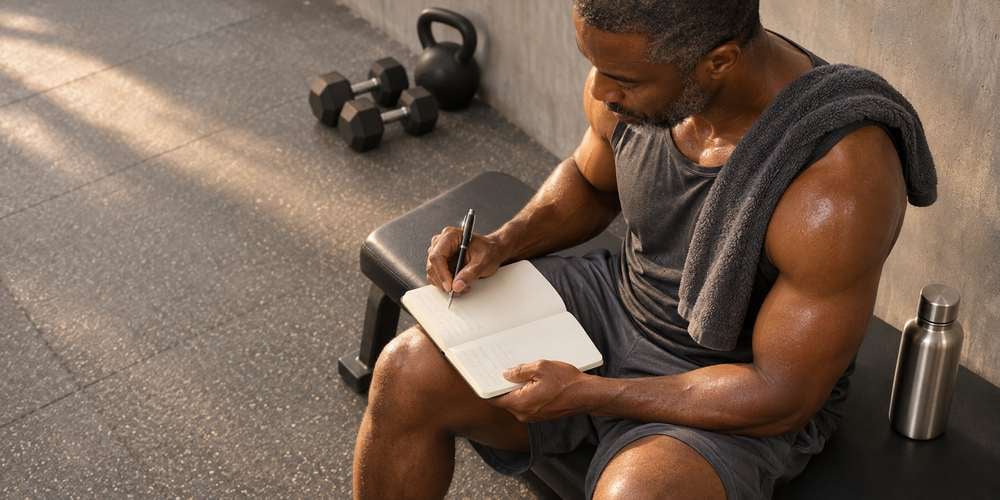
Tracking your workouts helps you understand what’s improving and what needs adjustment.
You don’t need a special app. A notebook or a simple note on your phone works well.
Record Your Workout Performance
After each session, write down:
- Machines you used
- Weights you lifted
- Sets and reps completed
- Cardio duration
- How difficult the workout felt
This helps you decide when to increase resistance or adjust your routine.
Monitor Your Fat-Loss Progress
Don’t focus only on your body weight.
Your waist measurement, strength, endurance, and energy levels can also show progress.
What to Track | How Often | What to Look For |
Body Weight | Weekly trend | Gradual changes over time |
Waist Measurement | Every 2–4 weeks | Changes in waist size |
Strength Performance | Every workout | More reps or heavier weights |
Cardio Endurance | Weekly | Longer sessions or easier effort |
Energy Levels | Weekly | Better stamina and recovery |
Conclusion
Building a machine workout for fat loss is simple. Choose five strength machines, add cardio, and train consistently throughout the week.
Start with manageable weights, improve your technique, and make small changes as you get stronger. Combine your workouts with balanced nutrition and enough recovery for better long-term results.
YR Fitness provides commercial-grade strength and cardio equipment built for regular daily training. You can explore our equipment catalog to see different machines and understand how they can support your workout goals.
Related articles: