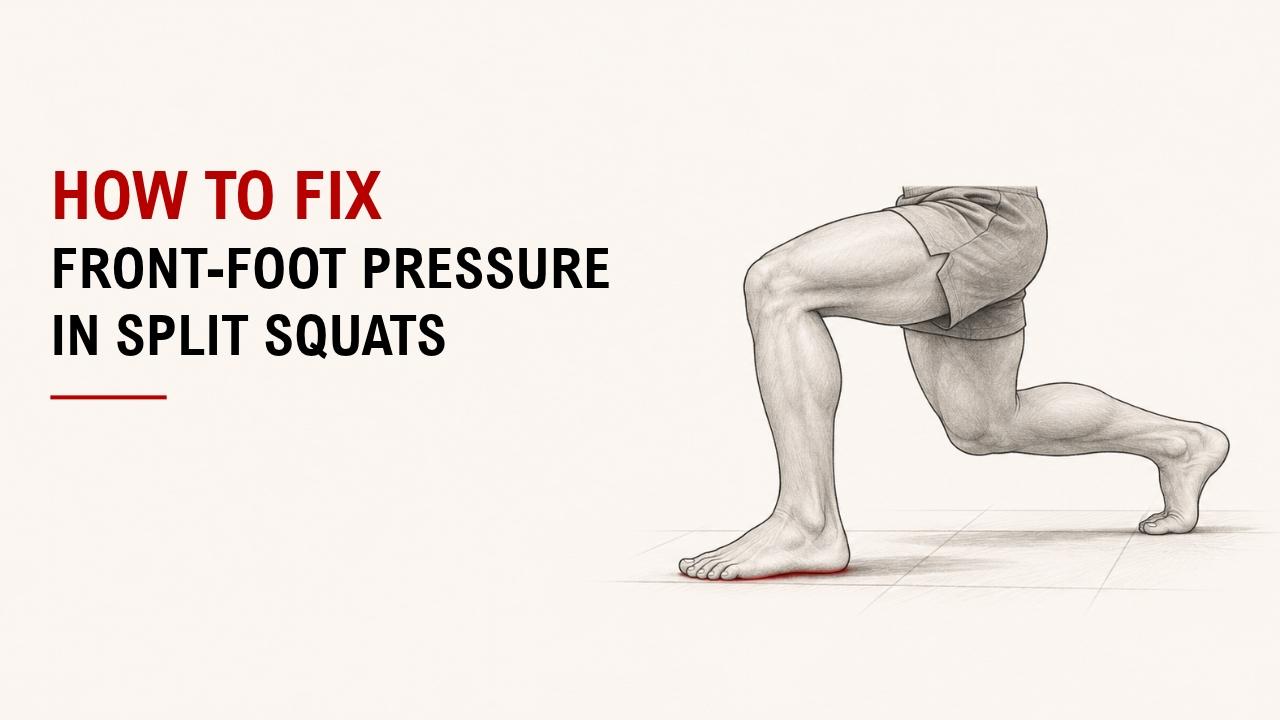

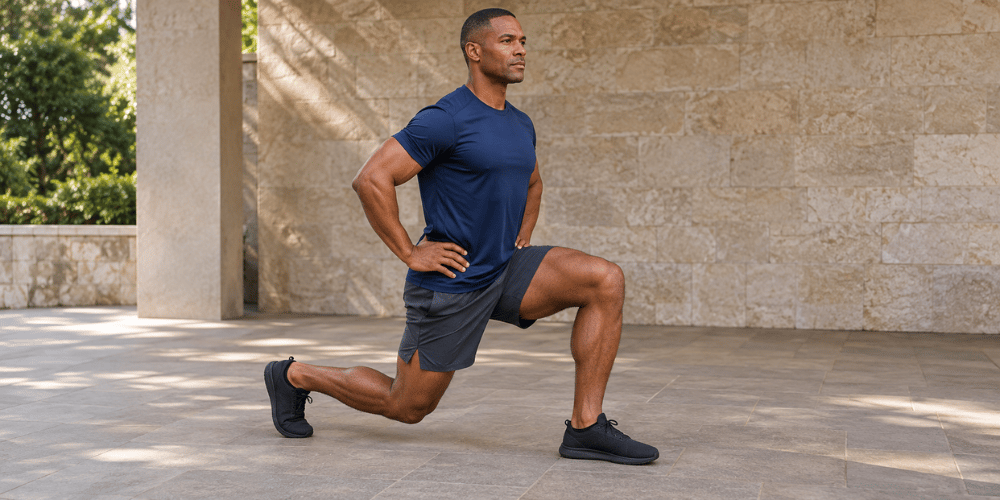
Do you feel too much pressure on your front foot during split squats? Does your heel lift, or do your toes feel like they are carrying all your weight?
The fix is simple: keep your front foot flat, adjust your stance, and control your movement. These small changes can help you feel more balanced and comfortable.
As an Exercise Physiology & Biomechanics Expert at YR Fitness, I focus on how body position affects exercise performance. I often see people struggle with split squats because their weight shifts too far forward.
In this guide, you’ll learn six simple ways to fix front-foot pressure and improve your split squat form. Start with the first adjustment and work your way down.
1. Keep Your Front Foot Flat
Your front foot supports much of your weight during split squats. If you push too hard through your toes, you may feel uncomfortable pressure at the front of your foot.
Here’s how to fix it:
- Keep your front heel on the floor.
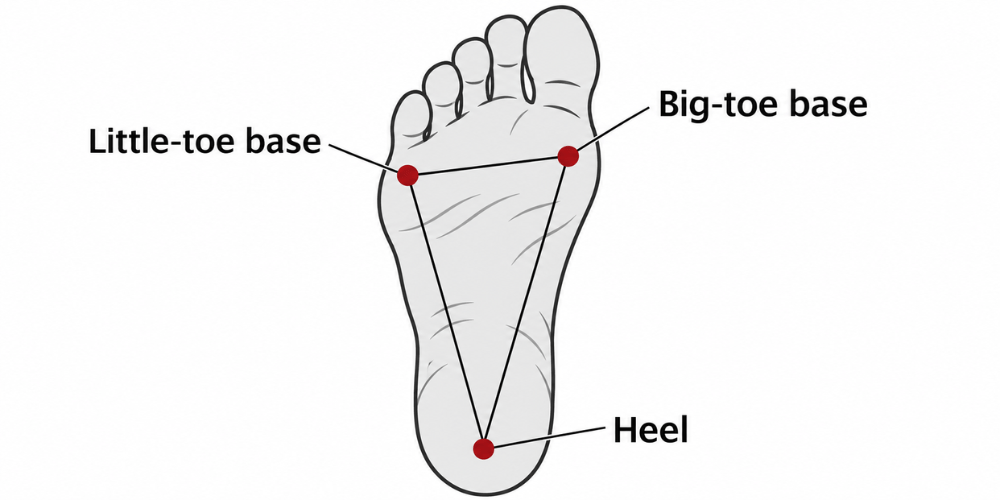
- Press through your heel and the base of your big and little toes.
- Avoid lifting your heel as you lower.
- Relax your toes instead of gripping the floor.
Think about keeping three points of contact with the floor: your heel, big-toe base, and little-toe base.
The American Council on Exercise’s Bulgarian split squat guide also emphasizes pressing through the front foot when standing back up.
Quick tip: Does your heel keep lifting? Reduce your squat depth until you can keep your foot planted.
2. Adjust Your Stance Length
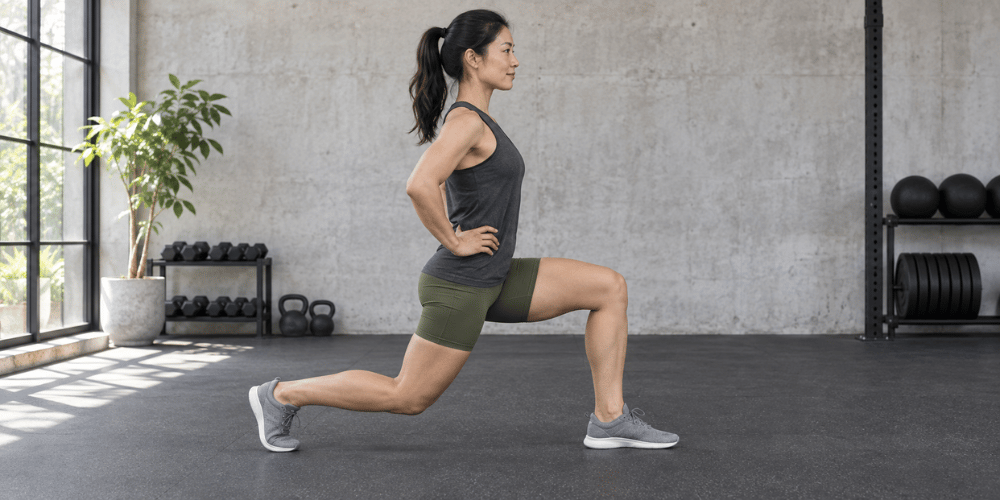
A stance that’s too short can make your front heel lift. On the other hand, stepping too far forward can make balancing harder.
Try these steps:
- Stand with one foot forward and the other behind.
- Keep your feet about hip-width apart from side to side.
- Move your front foot slightly forward if your heel keeps lifting.
- Bend both knees and check your balance.
Your stance should feel comfortable, not stretched or cramped.
I usually recommend adjusting your foot position before adding weights. A small change can make the movement feel much better.
Still having trouble? Check this Bulgarian split squat form guide for more tips on foot placement and balance.
3. Keep Your Front Knee Aligned
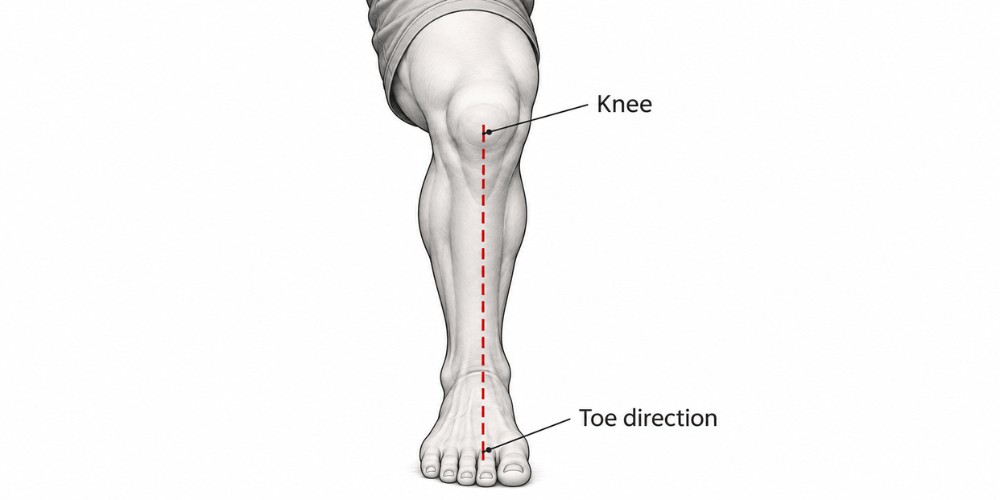
Your front knee should generally follow the direction of your toes. If it collapses inward, you may lose stability and struggle to control your foot pressure.
Here’s what to do:
- Point your knee toward your second or third toe.
- Avoid letting your knee collapse inward.
- Keep your front heel planted.
- Allow your knee to move forward naturally.
Can your knee move past your toes?
Yes. It’s normal for your knee to move forward during split squats.
What matters is that your foot stays planted and your movement feels controlled.
Quick tip: Practice in front of a mirror to check your knee position.
4. Control Your Body Position
Your upper-body position affects how weight moves through your front foot.
Leaning too far forward without control can increase pressure on your toes. Staying too upright may also feel uncomfortable if your stance isn’t right.
Follow these simple steps:
- Keep your chest open and your back neutral.
- Tighten your core slightly.
- Lean forward a little from your hips if needed.
- Keep your hips facing forward.
- Avoid shifting your body suddenly toward your front foot.
The goal is to stay balanced throughout the movement.
You can apply these same positioning basics to other exercises. For example, this Smith machine safety guide explains how to set up your body and control your movement during squats and lunges.
Want to Build Stronger Legs?
At YR Fitness, we design commercial strength equipment with a focus on controlled movement, comfortable exercise positions, and reliable performance. If you want more options for lower-body workouts, explore our squat and lunge equipment to see how different machines can support your leg training.
5. Lower Slowly and Push Up Smoothly
Moving too fast can make your weight shift suddenly onto your toes. Slowing down helps you control your balance.
Try this technique:
- Start in a comfortable split stance.
- Lower your body slowly for 2–3 seconds.
- Keep your front foot flat.
- Stop at a depth you can control.
- Push through your whole front foot to stand up.
Avoid bouncing at the bottom or pushing only through your toes.
I often suggest slowing down before changing anything else. It helps you notice exactly when your foot pressure starts to shift.
The American College of Sports Medicine’s resistance training guidance also recommends controlled lifting and lowering movements.
Quick tip: Practice 8–10 slow repetitions on each leg before increasing the difficulty.

6. Reduce the Weight and Check Your Form
Heavy dumbbells can make front-foot pressure harder to control, especially if you’re still working on your balance.
Start with bodyweight split squats. Add resistance only when you can move comfortably.
Here’s a simple training progression:
Training Level | What to Do | Main Focus |
Beginner | Bodyweight split squats | Balance and foot position |
Improving | Supported split squats | Knee alignment and control |
Intermediate | Light dumbbell split squats | Stability with added weight |
Advanced | Gradually heavier split squats | Strength and proper form |
Before adding weight, check if you can:
- Keep your front heel down.
- Control your knee movement.
- Maintain a comfortable stance.
- Lower without losing balance.
- Finish each repetition without sharp pain.
What if your foot still hurts?
Stop the exercise if you feel sharp pain in your foot, ankle, or knee. Don’t push through it.
You can also try other exercises to strengthen your lower body. For example, leg training machines can help you train your legs with adjustable resistance, although they won’t replace the balance practice you get from split squats.

Quick Checklist: Fix Front-Foot Pressure
Not sure what’s causing the problem? Use this table during your next workout.
Problem | Simple Fix |
Too much pressure on toes | Spread weight across your whole foot |
Front heel lifts | Adjust your stance and reduce squat depth |
Front knee moves inward | Keep your knee aligned with your toes |
Losing balance | Widen your stance slightly |
Too much forward movement | Control your torso and hips |
Pressure increases with weights | Reduce the load and slow down |
Remember, some pressure on your front foot is normal during split squats. You don’t need to remove it completely; just keep it comfortable and controlled.

Conclusion
Fixing front-foot pressure in split squats doesn’t require major changes. Keep your foot flat, adjust your stance, control your knee, and slow down each repetition.
Start with bodyweight exercises and focus on balance before adding resistance.
For more ways to strengthen your legs, explore the commercial strength equipment from YR Fitness. Find equipment that fits your workout needs and helps you train with better control.
Related articles: