
Why do personal training clients stop renewing? Often, the training simply stops feeling worth their time or money.
The main reasons are simple: slow progress, repetitive workouts, poor personalization, weak communication, low value, or an unreliable trainer. Most of these problems build over time.
As an Exercise Physiology & Biomechanics Expert at YR Fitness, I work closely with training movement, program design, and exercise experience. I often see small coaching problems turn into bigger reasons for clients to leave.
Below, I’ll explain the six most common reasons clients stop renewing. Keep reading to see what usually goes wrong.
1. Clients Do Not See Enough Progress
The biggest reason is simple: clients do not feel like they are improving.
Someone may start personal training to lose weight, get stronger, move better, or improve general fitness. After several weeks or months, they naturally start asking, “Is this actually working?”
Progress is not always obvious.
A client might lift more weight, complete more repetitions, improve their technique, or recover faster between exercises. But if nobody points this out, they may still feel stuck.
I often see trainers notice progress before their clients do. That is why progress should be tracked and explained clearly.
What to Track | What the Client Can See |
Strength | More weight lifted |
Repetitions | More reps with good form |
Body measurements | Changes over time |
Workout consistency | More sessions completed |
Exercise technique | Better control and movement |
Cardio endurance | Longer work with less fatigue |
Mobility | More comfortable range of motion |
The client does not need a complicated report. They just need clear proof that the training is moving forward.
This matters because progressive training is a basic part of improving physical performance. The latest ACSM resistance-training position stand recommends progressive resistance training and explains how variables such as load, volume, range of motion, and training frequency can influence different outcomes.
Would you keep paying if you could not tell whether you were improving? Probably not.
That is exactly how many clients feel before they stop renewing.

2. Training Feels Too Repetitive
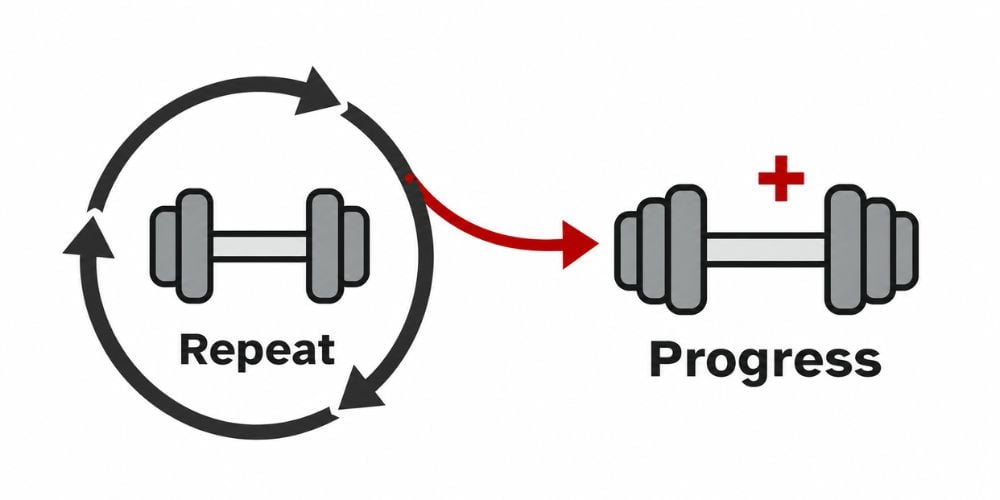
Doing the exact same workout every week can get boring.
Consistency matters because exercises need time to produce results. But consistency does not mean every session should feel identical.
Imagine doing the same chest press, leg press, lat pulldown, and treadmill routine three times every week for months. Even useful exercises can eventually start feeling stale.
Small changes can help:
- Increase weight
- Adjust repetitions
- Add or remove sets
- Change exercise order
- Adjust training tempo
- Use another machine variation
- Change rest periods
From a biomechanics perspective, I would not change exercises just to entertain someone. A good program should still evolve as the client gets stronger and more experienced.
So, does every workout need to be different? No.
The goal is progression, not randomness.
3. The Trainer Does Not Personalize the Program
Personal training should actually feel personal.
One client may want stronger legs. Another may want better general fitness, while someone else may simply want to exercise without irritating an old shoulder problem.
Giving all three people the same workout misses the point.
A personalized program should consider:
- Training goals
- Current fitness level
- Exercise experience
- Movement ability
- Exercise preferences
- Available training time
- Previous injuries or limitations
Does every exercise need to be unique? No.
Presses, rows, pulldowns, leg presses, curls, and other basic movements can work for many people. What matters is how the exercises are selected, adjusted, and progressed for that person.
Research on exercise participation supports this idea too. A systematic review of exercise adherence found that provider support, variety, and personalized sessions were among the factors linked with better adherence, while cost, inconvenient timing, and other barriers could work against it.
I like to think about personalization this way:
The workout should fit the person instead of forcing the person to fit the workout.
Equipment can help trainers create that flexibility too. At YR Fitness, we design commercial strength and cardio equipment with practical movement options for regular daily training, giving gyms more ways to match exercises with different users and training goals.

4. Communication Is Poor
Sometimes the workout itself is fine.
The communication is not.
Clients want to feel that their trainer is actually paying attention. If the trainer rarely asks questions, explains decisions, or checks how the client feels, personal training can quickly become impersonal.
Simple questions can make a big difference:
- “How did that weight feel?”
- “Is your shoulder comfortable?”
- “How have you felt since our last session?”
- “Is this still your main goal?”
- “Is there anything you want to change?”
These questions also help trainers catch problems early.
Maybe the client is bored. Maybe they expected faster results.
Or perhaps they dislike an exercise, their schedule has changed, or training no longer feels enjoyable.
If nobody asks, the trainer may not know there is a problem until the client says, “I’m not renewing.”
Here is why this matters: communication gives the trainer a chance to fix small problems before they become reasons to leave.

5. Clients Do Not Understand the Value
Personal training costs more than a normal gym membership.
Naturally, clients start asking themselves whether the extra cost is worth it.
Problems begin when the session feels like nothing more than someone standing nearby while they exercise.
A good trainer may actually be helping with:
- Exercise selection
- Machine setup
- Technique
- Training intensity
- Progression
- Workout structure
- Accountability
- Goal tracking
But the client may not notice all of this unless it is explained.
For example, instead of silently adding weight, the trainer could say:
“You completed 12 controlled reps last week, so today we are increasing the resistance slightly.”
That one sentence gives the exercise a purpose.
Client Experience | What They May Start Thinking |
Progress is never discussed | “Am I actually improving?” |
Workouts always look the same | “Why am I paying for this?” |
Exercises are not explained | “I could do this myself.” |
Goals are rarely reviewed | “Does my trainer remember what I want?” |
Trainer gives regular feedback | “There is a plan behind this.” |
Progress is clearly shown | “My training is working.” |
See the difference?
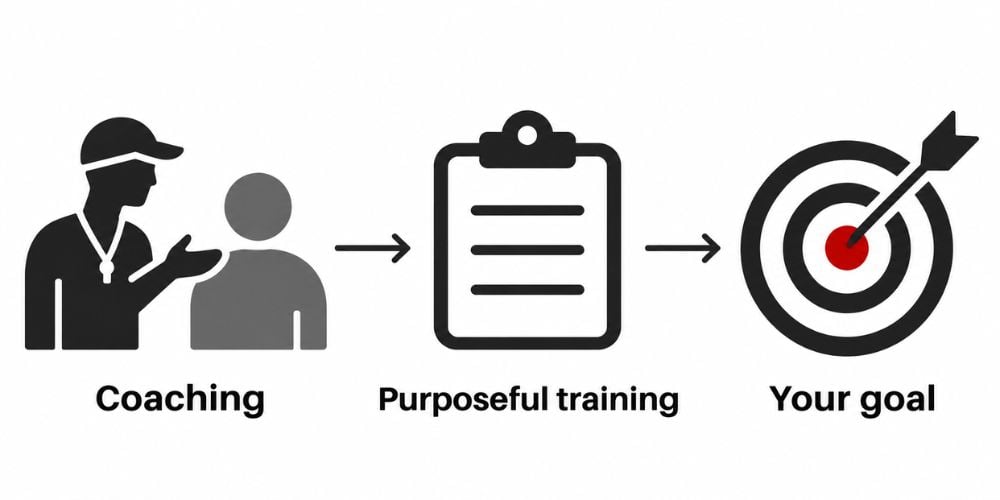
Clients do not only want exercise. They want to understand why those exercises matter and how the program is moving them toward their goal.
I like this approach because it turns a collection of workouts into a clear training process. When people understand what they are improving and why, the value becomes much easier to see.

6. The Trainer Is Unreliable
This reason has very little to do with exercise science.
It still matters a lot.
Clients are paying for professional service. Frequent cancellations, late starts, poor preparation, or constant schedule changes slowly damage trust.
Think about the client’s side.
They may have changed their work schedule, arranged childcare, travelled across town, or skipped another activity to attend the session. If their trainer repeatedly cancels at the last minute, frustration builds quickly.
Reliability means:
- Starting sessions on time
- Being prepared
- Remembering the client’s program
- Keeping appointments
Can a great workout make up for an unreliable trainer? Only for so long.
I often see reliability overlooked because it sounds basic. But even a well-designed program loses value when the client cannot depend on the person delivering it.
Conclusion
Personal training clients usually stop renewing because they do not see enough progress, get bored, feel the program is not personal, experience poor communication, question the value, or lose trust in the trainer.
A good training experience should make you understand where you are going and why.
If you want to explore commercial strength and cardio solutions built for regular training, you can browse YR Fitness and compare the equipment that fits different workout needs.
Related articles: