
Not sure what to say after a personal training trial session? A good follow-up can keep the conversation moving without feeling pushy.
The simple approach is to follow up within 24 hours, mention something personal, connect it to their goal, and give one clear next step. Keep it short and helpful.
As an Exercise Physiology & Biomechanics Expert at YR Fitness, I work closely with exercise movement and how people respond to different workout experiences. I often see that clients are more open to continuing when they feel their trainer listened to them and understood their goals.
Below, I’ll show you six simple ways to follow up after a trial session. Follow them in order, and you’ll know exactly what to say next.
1. Follow Up Within 24 Hours
How long should you wait?
Usually, not long.
Send your first message later that day or the following morning while the workout is still fresh in the client’s mind. There is rarely a reason to wait several days.
When | What to Do |
Same day | Send a short thank-you if the session ended earlier in the day |
Following morning | Follow up if you did not message them the day before |
Several days later | Better suited to a second follow-up if they have not replied |
You can keep the opening simple:
Thanks for training with me today. It was great learning more about your goals and taking you through the session.
Do not immediately jump into packages or payment. Start by thanking them and acknowledging the time you spent training together.
Clear communication is part of professional personal training. The ACSM Certified Personal Trainer framework includes effective written and verbal communication, as well as communication through channels such as email, text, and phone.
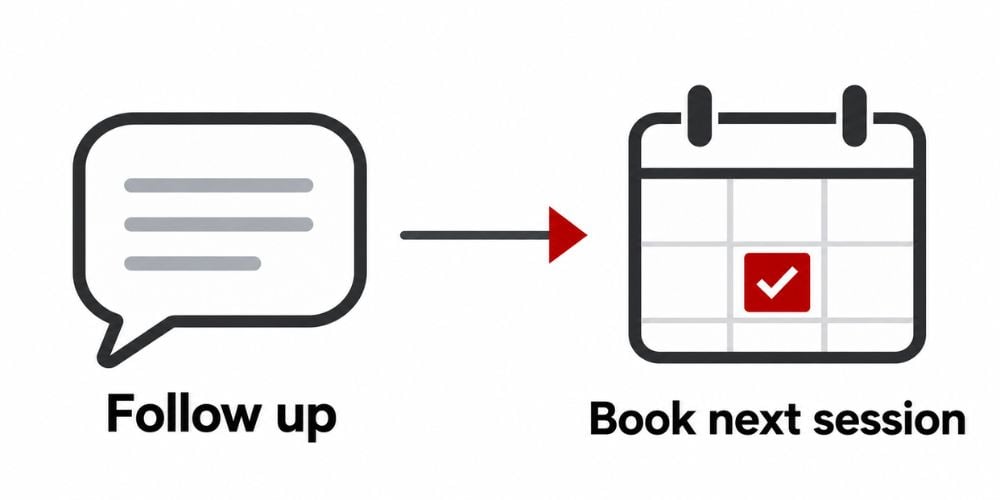
2. Mention Something Specific From the Session
Avoid sending exactly the same message to every client.
Mention something they discussed, practiced, or experienced during the workout, such as:
- Their goal to become stronger
- An exercise they enjoyed
- Their confidence using gym machines
- A movement that needs more practice
- Their preferred type of training
- A fitness goal they want to work toward
For example:
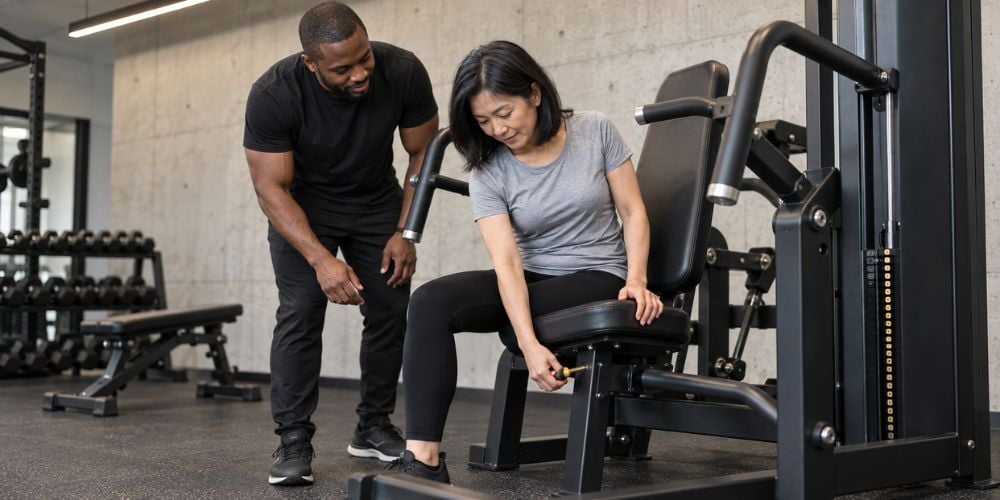
You picked up the chest press setup quickly today. With a little more practice, I think you’ll feel much more confident using strength machines on your own.
That feels much more personal than simply saying, “Hope you enjoyed the session.”
Why does this matter? It shows that you listened.
I often find that one specific observation is enough to make a follow-up feel personal. ACE also highlights rapport, open communication, and positive early exercise experiences as important parts of the client-trainer relationship.
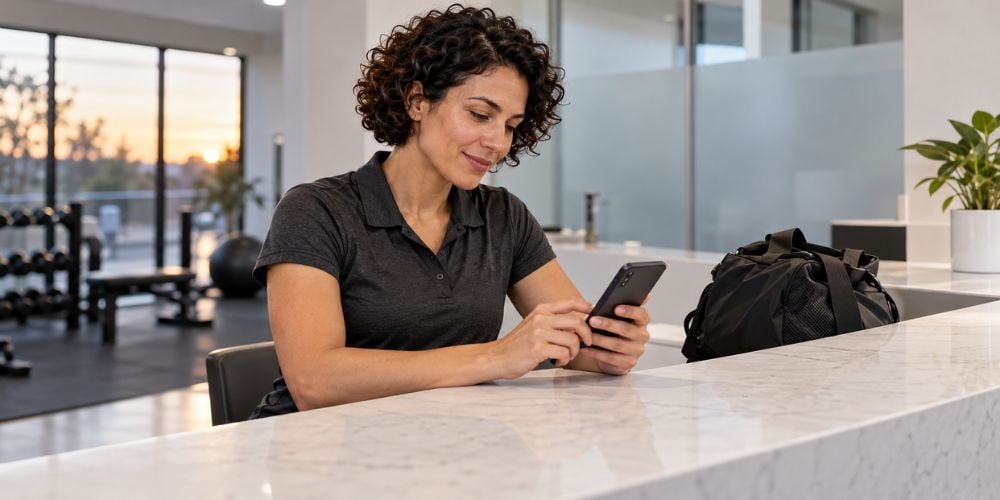
3. Remind Them of the Progress They Can Make
Connect the trial session back to the goal they originally shared with you.
Keep your expectations realistic. Do not promise dramatic or fast results.
Someone who wants to become stronger may benefit from gradually increasing resistance while improving exercise technique.
Someone who feels uncomfortable in the gym may first need help learning:
- How to adjust machines
- Where to position their body
- How much weight to use
- How many repetitions to perform
- How to build a balanced workout
For context, the CDC recommends muscle-strengthening activity on at least two days per week for adults, covering all major muscle groups. That can give you a useful reference point when discussing a realistic training routine rather than promising instant progress.
The key point is simple: continued training should gradually make exercise feel more familiar, manageable, and purposeful.
The equipment someone learns on can affect how comfortable a new workout feels. At YR Fitness, we design our commercial strength and cardio equipment around practical movement paths, adjustability, and regular training use, helping create a smoother experience for people learning new exercises.
4. Give Them One Clear Next Step
Do not finish your message with only:
Let me know what you think.
That leaves the client to figure out what happens next.
Instead, suggest one simple action.
For example:
Based on your goal, I’d recommend starting with two sessions per week. Would Tuesday or Thursday work better for your next session?
Or:
If you’d like to continue, the next step would be choosing a regular training time that fits your week.
Five choices or one clear choice?
Usually, one is easier.
Too many options can turn a simple decision into a complicated one. Give the person enough information to decide without burying them in packages, schedules, and different offers.

5. Answer Any Concerns From the Trial
Not everyone will be ready to book immediately.
They may still have questions about price, scheduling, fitness level, soreness, or whether personal training is right for them.
Answer the concern directly rather than pushing for an immediate decision.
Client Concern | Good Follow-Up Approach |
“It costs more than I expected.” | Explain the available training frequency or package options clearly |
“I’m not very fit yet.” | Explain that exercises can be adjusted to their current level |
“I don’t have much time.” | Discuss realistic training days and session frequency |
“Some exercises felt difficult.” | Explain that technique and resistance can be adjusted gradually |
“I need to think about it.” | Give them space and offer one simple way to continue the conversation |
Do not argue with the concern. Help them understand whether continued training makes sense for their situation.
For example, a beginner who feels nervous about training may benefit from learning exercises on machines first. A more defined movement path can make positioning and technique easier to understand.
What if they mention unusual pain or a health concern? Do not try to diagnose it; keep the conversation within your professional role and refer them to an appropriate healthcare professional when needed.
The goal is reassurance through useful information, not pressure.
6. Follow Up Again If They Do Not Reply
No reply. Is that a no?
Not necessarily.
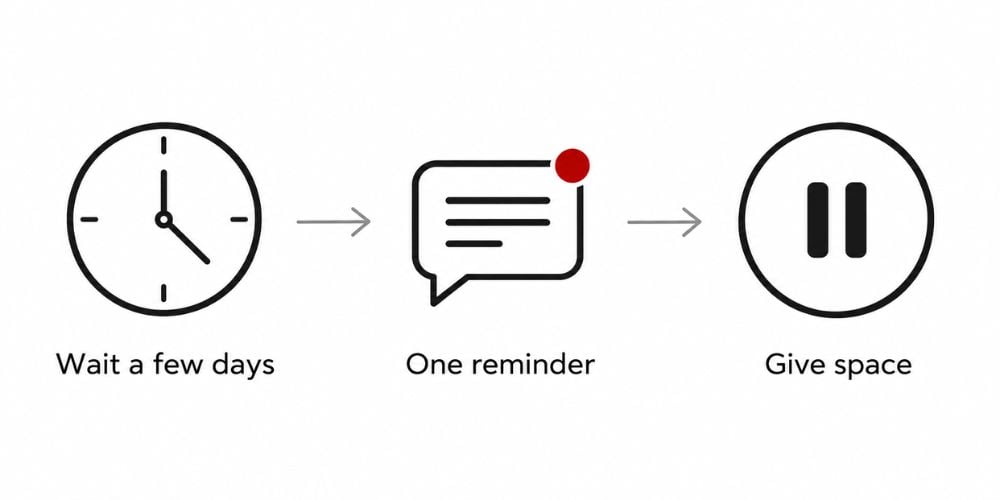
People get busy, forget to answer, or simply need more time to decide. Wait a few days, then send one short follow-up.
For example:
Hi, just checking in after our trial session. If you’d still like to work on your strength goal, I can help you choose a good time for your next session.
Keep it brief and friendly.
Do not send multiple messages every day. If they still do not reply, give them space.
I have often seen that one respectful reminder is enough. After that, the decision should stay with the client.
Conclusion
A good personal training follow-up should feel like helpful coaching, not pressure. Follow up within 24 hours, make the message personal, connect it to the client’s goal, answer concerns clearly, and finish with one easy next step.
And remember that the experience does not end with the message—the training environment matters too.
If you want to explore commercial strength machines, cardio equipment, and fitness accessories made for consistent daily training, you can explore YR Fitness equipment and see which options fit your training setup.
Related articles: