









Has a personal training client suddenly stopped showing up? The longer they stay away, the harder it can feel to restart.
The short answer is: reach out early, find out why they stopped, remove the main barrier, and make returning easy. You do not need to pressure them into booking again.
As an Exercise Physiology & Biomechanics Expert at YR Fitness, I pay close attention to how training difficulty, exercise choice, and progress affect motivation. I often see clients disappear when training becomes inconvenient, repetitive, or disconnected from their goals.
In this guide, I’ll show you six practical ways to reconnect with them. Start with a simple conversation, then make their return feel manageable.
1. Reach Out Early
Do not wait several weeks before checking in.
If a client misses one or two planned sessions, send a short and friendly message.
You might say:
“Hey, I noticed we haven’t trained recently. How are things going?”
Why reach out quickly?
One missed week can easily turn into one month. A small check-in shows that you noticed and still care about their progress.
I prefer keeping the first message casual. There is no need to immediately talk about payments, packages, or future bookings.
Keep it simple:
- Ask how they are doing.
- Mention that you noticed they have been away.
- Give them space to explain.
- Avoid making them feel guilty.
Your first goal is not to sell another session. It is to restart the conversation.

2. Ask Why They Stopped Attending
Once they reply, find out what changed.
Do not guess.
Clients may stop attending because of:
- Work getting busy
- Family responsibilities
- Lack of motivation
- Slow progress
- Training soreness
- Cost
- Schedule problems
- Boredom
- Injury or discomfort
Ask one simple question:
“Is anything making it difficult for you to keep training right now?”
Then listen.
The NSCA’s guidance on client motivation also focuses on helping personal training clients stay motivated and stick with their exercise routines. That is why understanding what the client actually needs matters more than simply telling them to return.
I often see trainers assume a client has lost motivation when the real problem is simpler. Their work schedule may have changed, or the original session time may no longer fit.
Find the reason first. Then solve it.

3. Remove the Main Barrier
Now deal with the specific reason they stopped.
If their schedule changed, offer another time.
If training felt too hard, reduce the workload.
If they were bored, change a few exercises.
If progress felt slow, review their results and adjust the program.
Why They Stopped | What You Can Change |
Busy schedule | Offer another time or a shorter session |
Training feels too hard | Reduce volume or resistance |
Bored with workouts | Introduce new exercises |
Little visible progress | Review results and reset targets |
Low motivation | Make the next goal smaller |
Exercise discomfort | Modify the movement or exercise |
Ask yourself:
What would make training easier for this person to continue?
The CDC’s tips for getting started with physical activity recommend choosing times and activities that fit the person, overcoming specific obstacles, and starting slowly before building up. That same idea works well when bringing a client back into training.
You do not always need to rebuild the entire program. Sometimes one small adjustment is enough.
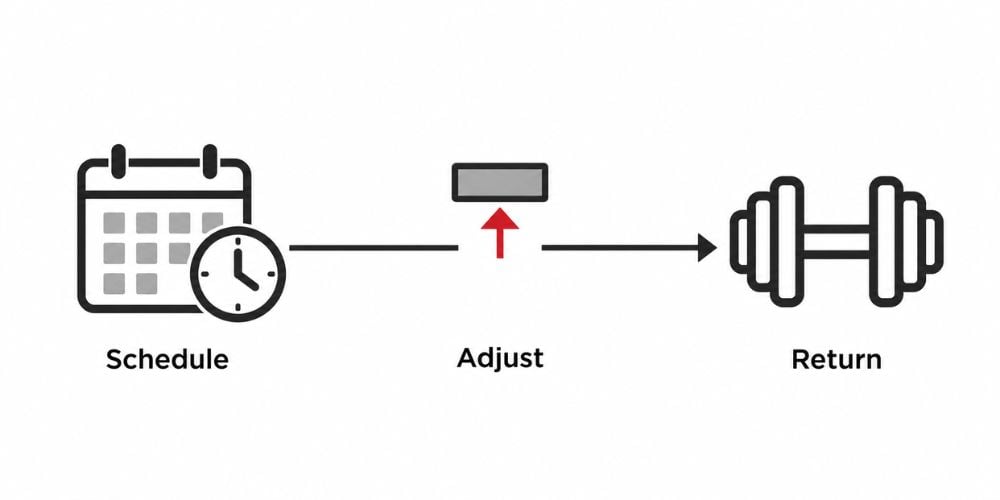
4. Offer an Easy Comeback Session
Do not turn the first session back into punishment.
After several missed sessions, fitness level, confidence, and exercise tolerance may have changed. Jumping directly into a hard workout can make returning feel even harder.
Instead, make the first session manageable.
Try this:
- Lower the resistance.
- Reduce the number of sets.
- Use familiar exercises.
- Allow slightly longer rest periods.
- Focus on movement quality rather than performance.
The CDC also advises people getting back into activity to start slowly and gradually work toward more time or more challenging exercise.
Here is the question I would ask:
How should they feel when they leave?
Ideally:
“That felt good. I can do this again.”
That matters more than trying to make up for every missed workout.
At YR Fitness, we design strength and cardio equipment that gives trainers different exercise options for different ability levels. If you want more ways to adjust workouts, replace repetitive movements, or make a returning client’s session easier to manage, explore our commercial training equipment and find options that fit the program.

5. Reset Their Training Goal
The client’s original goal may no longer be their main priority.
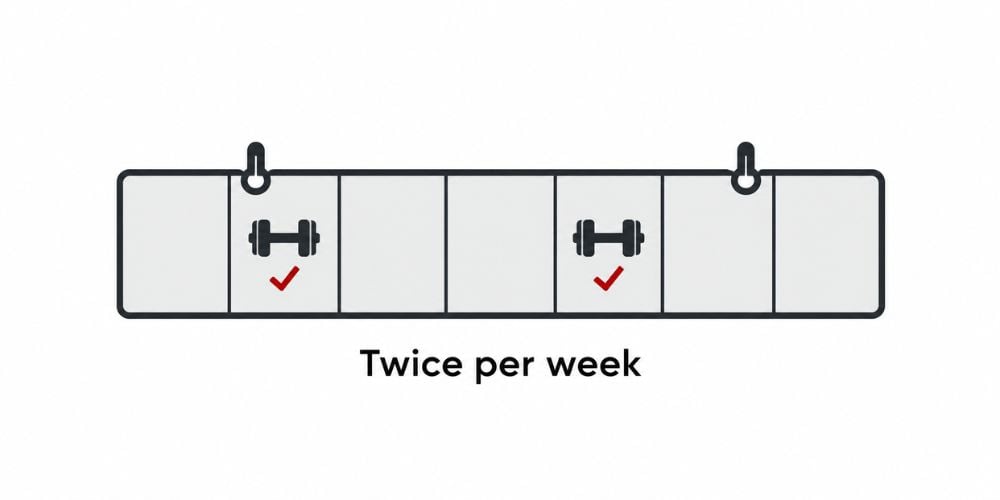
Someone who wanted to lose 10 kg may now simply want to train twice per week consistently. Another client who wanted to build strength may now care more about staying active and feeling better.
Ask:
“What would you like to focus on now?”
Then create a smaller short-term target.
Old Goal | Easier Restart Goal |
Train 4 times per week | Train twice per week |
Lose 10 kg | Build 4 consistent weeks |
Increase every major lift | Improve 2 key exercises |
Complete long workouts | Complete 30–45 minute sessions |
Why make the goal smaller?
Because returning clients usually need consistency before they need complexity.
The U.S. government’s Physical Activity Guidelines for Americans provide evidence-based guidance for building regular physical activity into everyday life. A useful coaching approach is to work toward sustainable activity instead of expecting a returning client to immediately resume their old workload.
I like using goals that can be measured within a few weeks. Early progress gives people a reason to keep coming back.
6. Make Training Feel Fresh Again
Sometimes clients stop because every workout starts feeling the same.
You do not need to change everything.
Keep familiar movements, but add enough variety to make training interesting again.
You could:
- Try a different machine variation.
- Change exercise order.
- Add cable exercises.
- Use different rep ranges.
- Alternate strength and conditioning sessions.
- Replace an exercise the client dislikes.
- Keep their favorite movements in the program.
For example, if someone has been using the same chest press every week, occasionally switch to a cable press or another machine variation.
But do not add variety just for the sake of variety.
Does the new exercise actually help the client?
If yes, use it. If not, keep the movement they already perform well.
The goal is to make training fresh without making the program confusing.

Conclusion
Clients usually stop attending because something changed in their schedule, motivation, progress, training experience, or priorities.
Reach out early, find the real reason, remove the biggest barrier, and make the first session back easy. Then reset the goal and add enough variety to make training feel worth returning to.
If you want more strength, cardio, or functional training options for building flexible workout programs, explore YR Fitness and find equipment that can support different exercises, training levels, and everyday workout needs.
Related articles:



