








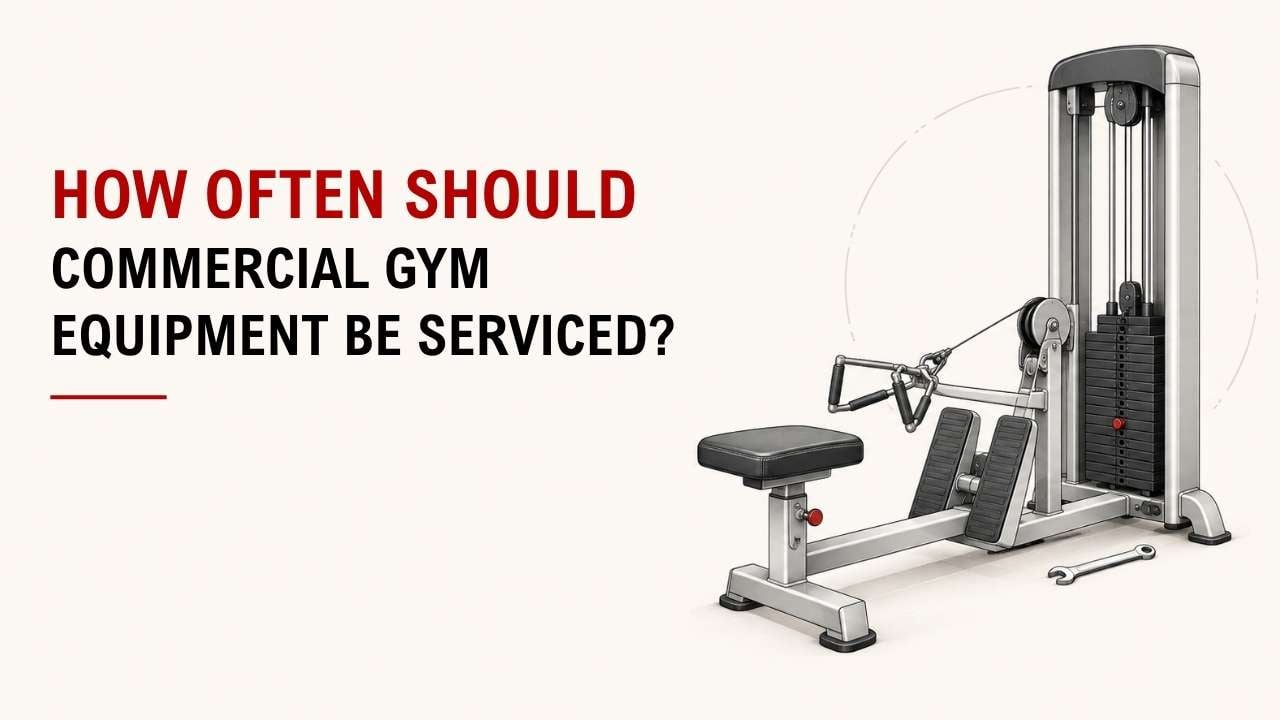

How often should commercial gym equipment be serviced? Regular checks help you catch wear before it becomes a bigger problem.
The simple answer is: check equipment weekly, maintain it monthly, and arrange deeper servicing every 3–6 months. Machines with heavy daily use may need attention sooner.
As a Machinery & Structural Engineer at YR Fitness, I work closely with cables, pulleys, frames, belts, bearings, and other moving parts. I know where wear usually starts and which small signs should not be ignored.
Below, I’ll show you how often strength and cardio machines should be serviced and when a machine needs attention right away. Use it as a quick guide, then follow the manufacturer’s own maintenance schedule.
1. How Often Should Strength Machines Be Serviced?
For most commercial strength machines, check them weekly, inspect them more closely monthly, and plan deeper preventive servicing around every 3–6 months.
Weekly Checks
Look at the parts that move or get touched most often:
- Cables
- Pulleys
- Selector pins
- Seats
- Handles
- Bolts
- Weight stacks
- Upholstery
See a loose part, damaged cable, or unstable seat? Do not ignore it.
Monthly Checks
Once a month, take a closer look at:
- Cable tension
- Pulley movement
- Weight stack alignment
- Moving joints
- Loose fasteners
- Worn pads
- Lubrication points
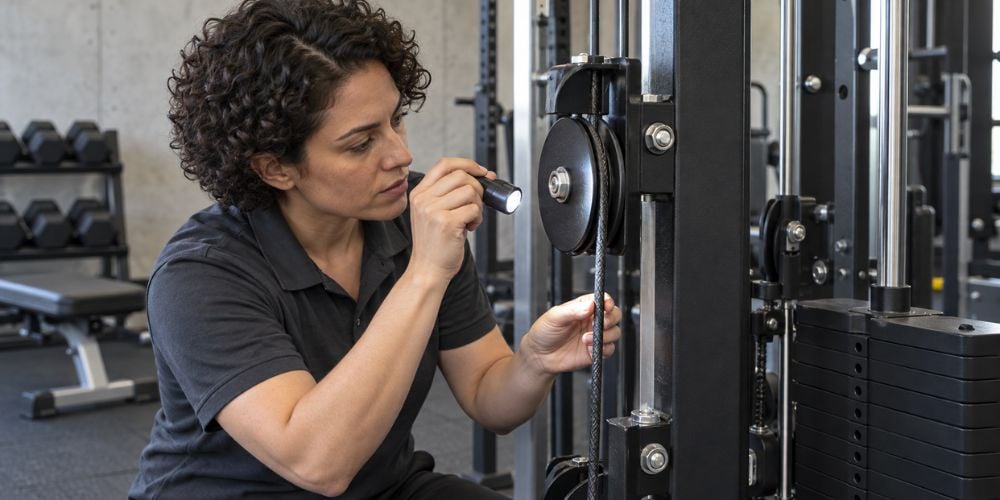
I pay extra attention to cables and pulleys because repeated loading slowly creates wear. That wear is not always obvious during a normal workout.
This approach also matches the type of checks found in Precor’s preventive maintenance schedule, which calls for monthly inspection of strength-equipment cables, cable tension, frames, connections, upholstery, and weight-stack components.
Every 3–6 Months
A deeper service can include:
- Bolt tightening
- Cable adjustment
- Pulley inspection
- Bearing checks
- Lubrication
- Alignment checks
- Replacement of worn parts
Why bother if the machine still works?
Because wear usually starts before a machine completely fails. Finding a loose cable or worn pulley early is much easier than dealing with a breakdown later.
2. How Often Should Cardio Machines Be Serviced?
Cardio machines often need extra attention because many parts stay in motion throughout a workout.
Here is a quick comparison:
Machine | Regular Checks | Deeper Service |
Treadmill | Weekly belt, deck, tracking, noise, and loose-part checks | About every 3–6 months |
Exercise bike | Monthly pedals, crank, seat, resistance, belt, and noise checks | About every 3–6 months |
Elliptical | Monthly pedals, handles, linkages, bearings, resistance, and belts | About every 3–6 months |
Rowing machine | Regular rail cleaning and monthly moving-part checks | Follow manufacturer schedule |
Treadmills
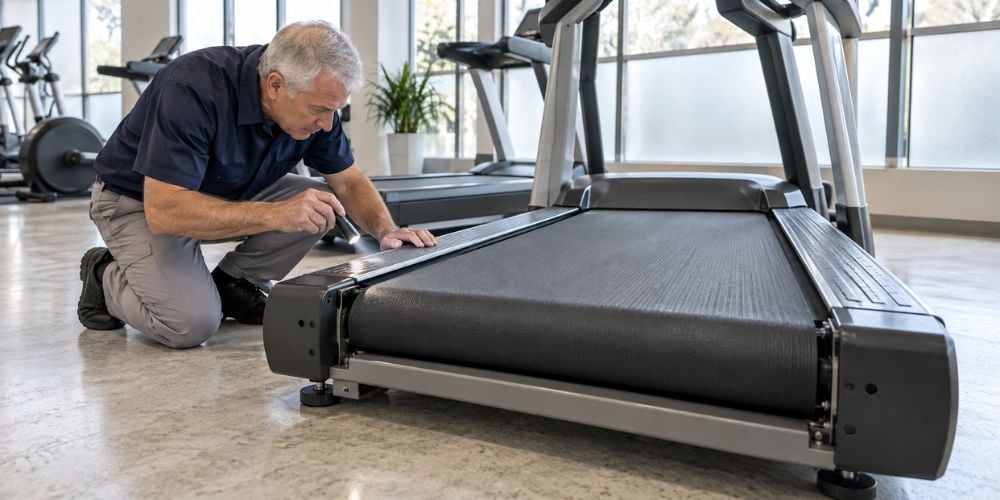
Check a treadmill weekly for:
- Belt condition
- Belt tracking
- Unusual noise
- Loose parts
- Deck condition
Check belt tension and general movement monthly.
A deeper service every 3–6 months is a useful general guideline. Busy gym treadmills may need servicing more often because the belt, rollers, deck, and motor can run for many hours each day.
The Life Fitness preventive maintenance guidance also provides specific maintenance information for treadmills, bikes, and cross trainers rather than treating every cardio machine the same.
Exercise Bikes
Check regularly for:
- Loose pedals
- Crank movement
- Seat adjustment
- Resistance changes
- Strange noises
- Worn belts
A monthly inspection is useful, with deeper servicing around every 3–6 months.
Ellipticals
Ellipticals have several moving joints, so check:
- Pedals
- Handles
- Linkages
- Bearings
- Resistance
- Drive belts
Does the movement suddenly feel rough or uneven? Get the machine checked instead of simply training through it.
Rowing Machines
Pay attention to:
- Chains
- Straps
- Handles
- Seats
- Rails
- Resistance systems
Clean the rail regularly and inspect moving parts monthly.
Good maintenance starts with equipment designed for repeated commercial use. At YR Fitness, we build strength and cardio equipment with durability, serviceable wear parts, and long-term operation in mind; you can explore our commercial gym equipment if you are comparing machines for regular daily training.
3. High-Traffic Gyms Need More Frequent Service
Does every machine need the same service schedule? No.
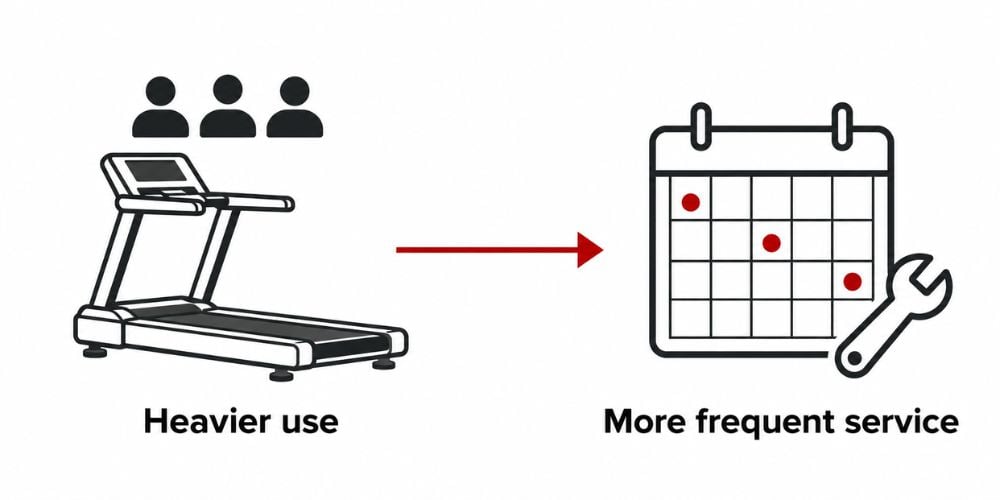
A machine used by 10 people a day will normally experience less wear than one used by 50 or 100 people.
High-use equipment may need:
- Daily visual checks
- Weekly detailed checks
- Monthly maintenance
- More frequent professional servicing
I often see treadmills, cable stations, leg presses, and chest presses show wear sooner simply because people use them so often.
Sweat, dust, humidity, and heavy loading can also increase wear. So do not follow a service date blindly when a machine is getting much heavier use.
4. Signs Your Gym Equipment Needs Service Now
Do not wait three months if something already feels wrong.
Watch for:
- Strange noises
- Grinding sounds
- Clicking
- Jerky movement
- Loose bolts
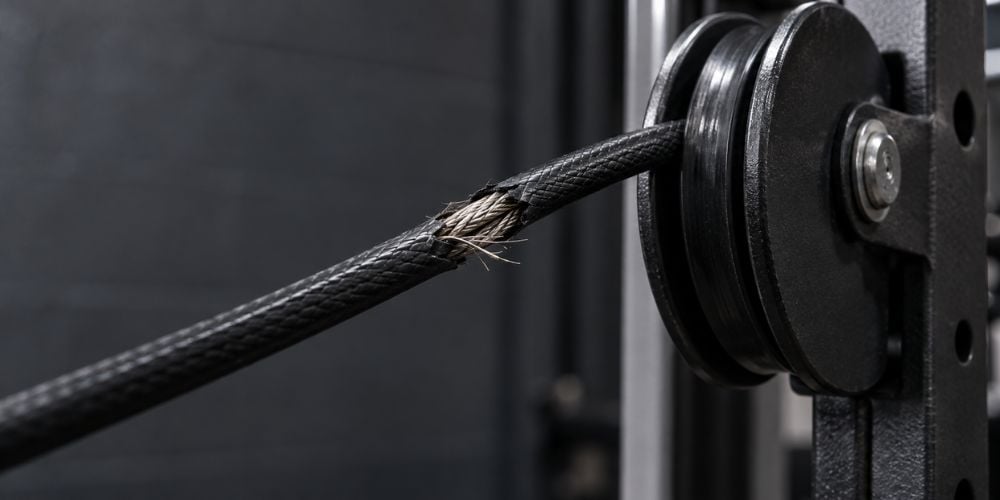
- Frayed cables
- Cracked belts
- Unstable seats
- Loose handles
- Sticking weight stacks
- Uneven resistance
- Excessive vibration
Should You Keep Using It?
If the problem could affect safety, stop using the machine until it has been checked.
A small sound may sometimes be harmless. A damaged cable, unstable seat, cracked belt, or loose structural part needs more immediate attention.
From an engineering point of view, unusual movement is often one of the earliest clues that something has changed inside the machine. It is worth checking rather than guessing.
5. Preventive Maintenance vs Repair
The difference is simple.
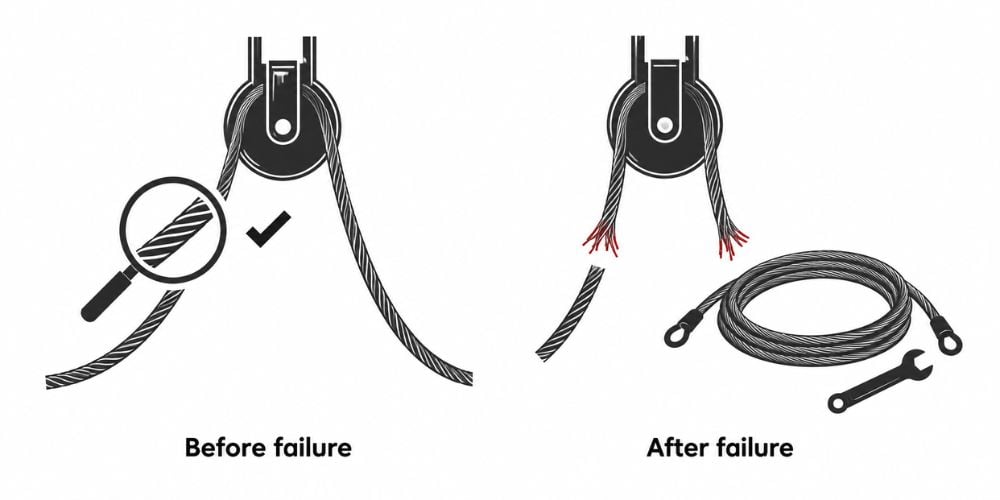
Preventive maintenance means checking and servicing equipment before something fails.
It can include:
- Tightening bolts
- Lubricating moving parts
- Adjusting cables
- Checking belts
- Cleaning rails
- Inspecting bearings
Repair, on the other hand, happens after a problem has already developed.
It may involve:
- Replacing a broken cable
- Replacing a damaged belt
- Repairing a motor
- Replacing bearings
- Fixing damaged upholstery
Which is better?
Whenever possible, preventive maintenance. It helps you find wear early and can reduce unexpected breakdowns.
6. Follow the Manufacturer’s Maintenance Schedule
The 3–6 month service interval is a general guideline, not a fixed rule for every machine.
Always check the manufacturer’s maintenance instructions because requirements can differ for:
- Lubrication
- Belt adjustment
- Cable inspection
- Bolt tightening
- Bearing replacement
- Cleaning
- Software checks
Some parts may need attention every month. Others may only need checking every six months or once a year.
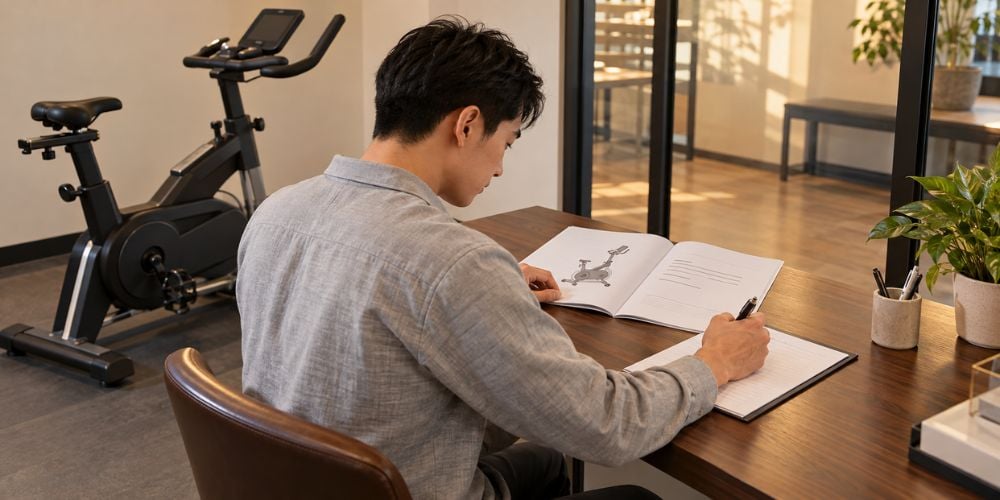
I also recommend keeping a simple maintenance record for each machine:
- Inspection date
- Problem found
- Work completed
- Part replaced
- Next service date
Why write it down?
Because repeated problems become much easier to spot when you can see what was repaired and when.
Conclusion
Commercial gym equipment should generally be checked weekly, maintained monthly, and serviced more thoroughly every 3–6 months. If a machine gets heavy daily use or starts making unusual noises or movements, check it sooner.
Good equipment still needs good maintenance. If you are looking for machines designed for demanding daily use, visit YR Fitness to compare commercial strength and cardio equipment built with long-term operation in mind.
Related articles:



