









Buying commercial gym equipment and unsure if the warranty is actually good? The biggest warranty number does not always mean the best protection.
The simple answer is: check the coverage length, commercial-use terms, covered parts, exclusions, repair costs, and claim process. At YR Fitness, we believe these details should be clear before you buy.
As a Machinery & Structural Engineer, I work closely with frames, cables, pulleys, bearings, and other high-use parts. That hands-on experience helps me see which warranty terms really matter when equipment is used day after day.
Below, I’ll show you six simple checks you can use to compare commercial gym equipment warranties quickly.
1. Check the Warranty Length
Start with one question:
How long is each part covered?
Do not assume the whole machine has the same warranty period.
Component | What to Check |
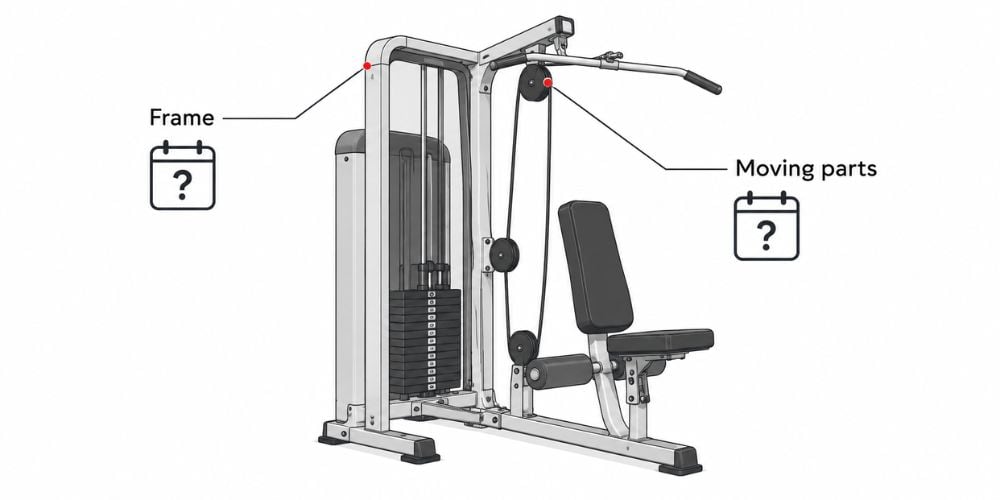
Frame | How many years is the structure covered? |
Welds | Are weld failures included? |
Cables | How long are cables protected? |
Bearings | Are moving bearings included? |
Upholstery | Is cracking or tearing covered? |
Electronics | How long are displays and controls covered? |
Motors | Is the motor covered separately? |
A machine may have a long frame warranty but much shorter coverage on parts that move every day.
I usually look at the shortest important warranty period, not only the longest one. That gives you a more realistic picture of the protection.
Quick question: Would you rather have a 10-year frame warranty or better coverage on the parts that actually move every day?
Ideally, you want both. But if you have to compare, check the complete warranty first.
2. Confirm It Covers Commercial Use
This is an easy detail to miss.
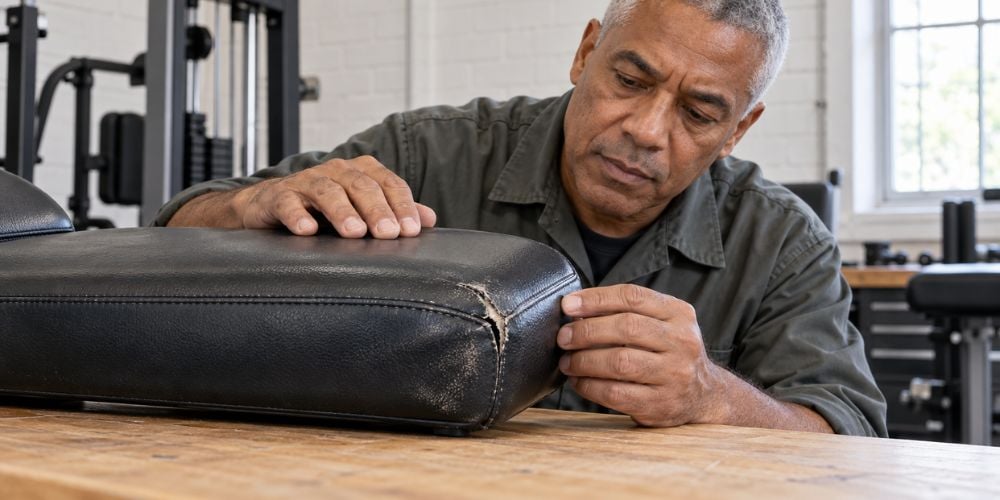
Some equipment looks commercial but may only have warranty coverage for home or light-use environments.
Look for terms such as:
- Full commercial use
- Light commercial use
- Home use
- Hotel or apartment use
- Studio use
Here is why this matters.
Commercial machines may be used by many people throughout the day. That creates much more wear than normal home use.
In the U.S., the FTC also notes that the federal Magnuson-Moss Warranty Act covers consumer products and does not apply to products sold for resale or for commercial purposes. So if equipment is being purchased specifically for commercial use, the manufacturer’s written commercial warranty becomes especially important.
Before buying, ask:
“Does this exact warranty apply when the machine is used in a commercial fitness facility?”
Get the answer in writing whenever possible.
3. Look at What Parts Are Actually Covered
Do not stop at a phrase like “5-year warranty.”
Ask the next question:
Five years on what?
Check these parts individually:
- Main frame
- Welds
- Weight stacks
- Guide rods
- Cables
- Pulleys
I often see people assume most of the machines are protected for the same period. In reality, different components can have very different warranty terms.
This matters even more on machines with many moving parts.
A strong steel frame is important, but the training experience also depends on cables, bearings, pulleys, and adjustment points. Those are the parts you feel every time you perform a repetition.
Quick Tip: Ask for the warranty document before you buy and mark the coverage period beside each major component.
That small step makes brand comparisons much easier.
4. Read the Exclusions
Now check what the warranty does not cover.
This section may be more important than the large warranty number printed on the product page.
Common exclusions include:
- Normal wear and tear
- Cosmetic damage
- Rust or corrosion
- Upholstery damage
- Improper installation
- Poor maintenance
- Overloading
- Misuse
- Unauthorized repairs
- Damage during moving
- Incorrect electrical supply
I always pay close attention to “normal wear and tear.”
Why?
Because that wording may apply to parts such as:
- Cables
- Pads
- Grips
- Belts
- Bearings
Do not assume every failed part qualifies for free replacement.
Simple Rule
If an exclusion affects a part you expect to use heavily, ask about it before buying.
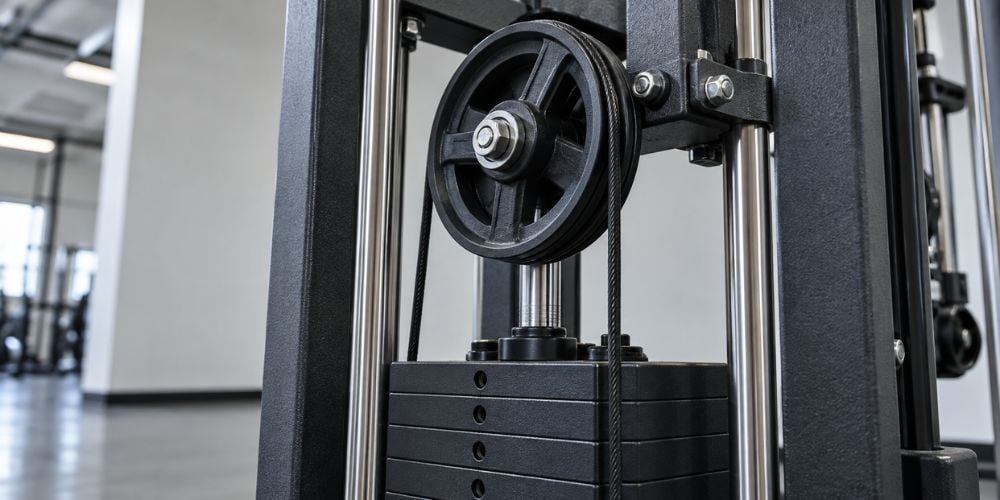
For a cable machine, for example, check how the warranty treats:
- Cables
- Pulley wheels
- Bearings
- Cable coatings
These parts directly affect how smooth the machine feels.
5. Check Parts, Labor, and Shipping Separately
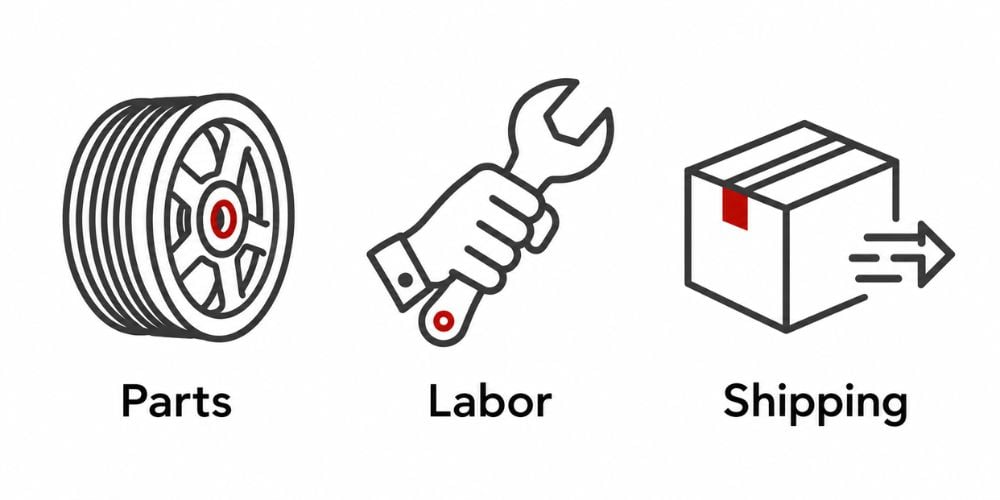
A warranty may cover the broken part without covering the full repair.
So check these costs separately.
Parts
Will the replacement component be provided free of charge?
Labor
Will someone install the replacement part?
Shipping
Who pays to send the replacement part?
You may receive a free component but still need to pay for:
- Technician labor
- Travel costs
- Shipping
- Installation
- Inspection fees
I have seen warranties that look strong until these extra costs are considered.
Cost | Covered? | What to Confirm |
Replacement Part | Yes / No | Full replacement or partial? |
Labor | Yes / No | For how long? |
Technician Travel | Yes / No | Any distance limit? |
Shipping | Yes / No | One-way or both ways? |
Inspection | Yes / No | Any service fee? |
The goal is not simply to find the longest warranty.
The goal is to understand what you may actually need to pay if something fails.
If you are comparing commercial machines now, review YR Fitness commercial gym equipment and use the checklist above against other options. We recommend comparing our structural coverage, moving-part support, and service terms side by side so you can see what you are actually getting before you buy.
6. Understand the Claim Process
Finally, ask:
What happens when I actually need the warranty?
Check the process before there is a problem.
Ask:
- Who do I contact first?
- Do I need the original invoice?
- Do I need the serial number?
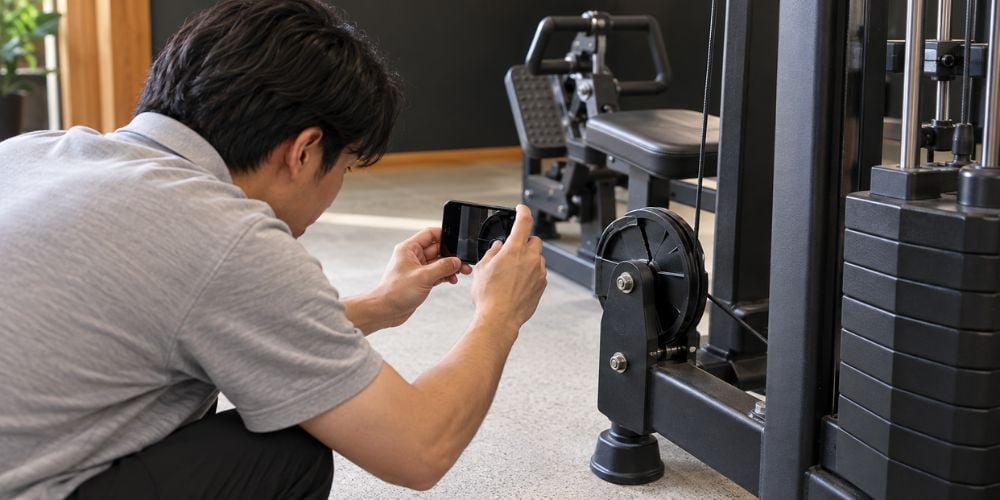
- Are photos required?
- Is video evidence required?
- Who decides whether failure is covered?
- How are replacement parts sent?
- Is technical guidance provided?
- Can local technicians perform the repair?
A good warranty should not be difficult to use.
I prefer claim systems where you can identify the problem clearly, provide basic evidence, and understand the next step without going through several people.
A complicated claim process can create unnecessary downtime.
And really, what good is a warranty if using it becomes harder than fixing the machine?
Conclusion
A good commercial gym equipment warranty should be simple to understand. Check the coverage length, commercial-use terms, covered parts, exclusions, repair costs, and claim process before making your decision.
If you are comparing equipment now, review the equipment specifications together at YR Fitness with the warranty terms, and use these six checks before choosing your next machine.
Related articles:



