









Why do some personal training clients leave after only a few sessions? Often, they stop when training no longer feels personal or valuable.
The answer is simple: set clear goals, show progress, add smart variety, communicate well, and stay organized. Give clients a clear reason to keep going.
As an Exercise Physiology & Biomechanics Expert at YR Fitness, I study how programming, progression, and exercise setup affect the training experience. I often see clients stay more engaged when they can clearly feel and see their progress.
Below, I’ll share six practical ways to improve client retention. Keep reading and apply them to your next training session.
1. Set Clear Goals from the Start
Start with one question: What does the client actually want?
They may want to lose weight, build muscle, get stronger, move better, or simply feel more confident in the gym.
Do not leave that goal too broad. Turn it into something you can measure.
For example:
- “Get stronger” could mean improving their leg press or chest press over eight weeks.
- “Lose weight” could include body weight, waist measurements, or workout consistency.
- “Improve fitness” could mean walking longer, recovering faster, or doing more work during a session.
Research on goal-setting interventions for physical activity found a positive effect on physical activity behavior. That is one reason I like giving clients both a long-term goal and a smaller target they can work toward now.
Why does this matter?
If the goal feels vague, every workout can start to feel like just another session.
Clear targets give the client a reason to continue.

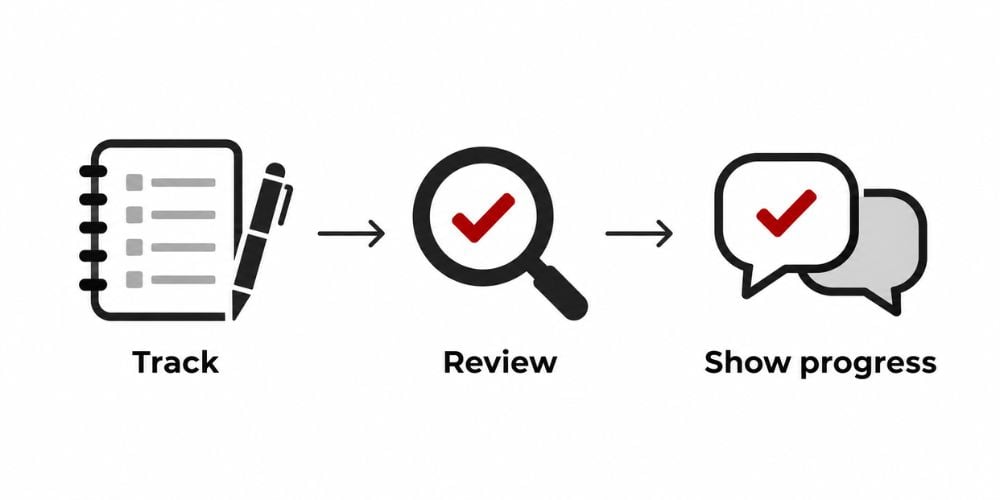
2. Show Clients Their Progress
Do not assume clients notice every improvement.
They may feel stuck even when they are lifting more weight, completing more reps, moving better, or recovering faster.
Track a few simple markers:
What to Track | Simple Example |
Weight used | Leg press increased from 60 kg to 80 kg |
Repetitions | 8 reps increased to 12 reps |
Exercise quality | Better control and range of motion |
Body measurements | Waist or body-weight change |
Workout capacity | More exercises with less fatigue |
Attendance | Training more consistently |
Then show them what changed.
You might say, “Four weeks ago you were doing 10 reps with this weight. Today you completed 12 with better control.”
That small reminder can make progress feel real.
A review of self-monitoring and physical activity also found that tracking was commonly combined with tools such as goal setting and feedback. In practice, I find that clients often need someone to point out the smaller wins they overlook.
Quick check: Can your client clearly explain how they have improved since they started?
If not, show them.
3. Keep Workouts Fresh but Consistent
Should every workout be completely different?
Usually, no.
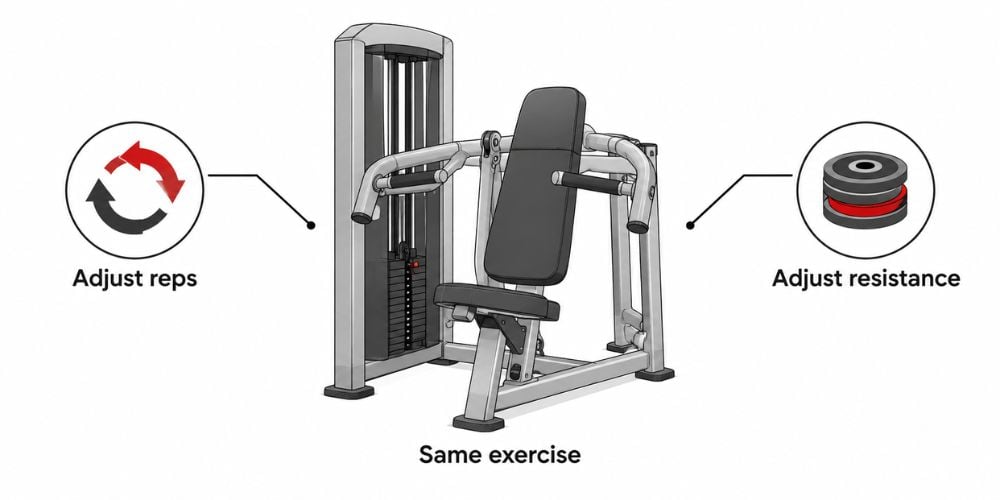
Clients need enough consistency to learn movements and measure progress. On the other hand, doing exactly the same routine for months can become boring.
Keep important exercises for several weeks. Then adjust:
- Repetitions
- Sets
- Resistance
- Exercise order
- Tempo
- Rest periods
- Machine variations
For example, you can keep a chest press in the program while changing the reps or resistance.
The American College of Sports Medicine’s resistance-training guidance emphasizes matching training to the person’s goals and keeping programs practical enough to maintain consistently. Its 2026 position stand drew on more than 137 studies and over 30,000 participants.
Simple Rule: keep enough consistency to measure progress and enough variety to keep training interesting.
Good programming works better when the equipment supports it. At YR Fitness, we design commercial strength and cardio equipment with practical movement paths and dependable daily use in mind, so our machines can support smoother and more consistent training sessions.
If you’re comparing equipment for a training space, explore our commercial gym equipment and choose options that match the movements your clients use most.
4. Give Clients Personal Attention
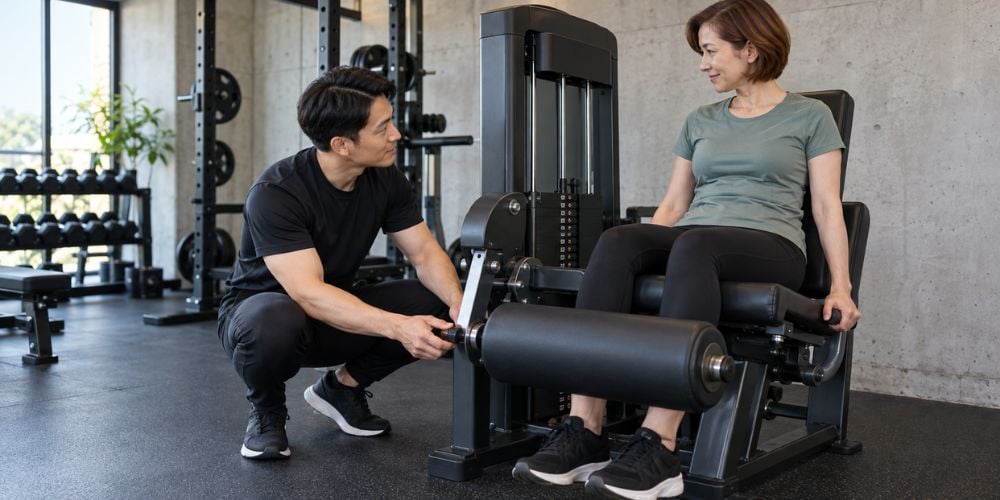
Personal training should actually feel personal.
Clients notice quickly when they are getting the same routine as everyone else.
Pay attention to:
- Their goals
- Exercises they enjoy
- Exercises they dislike
- Previous injuries or limitations
- Training experience
- Energy level that day
- Progress from previous sessions
You do not need to rebuild the whole workout every time something changes.
If a client arrives tired, lower the intensity. If an exercise feels uncomfortable, adjust the setup or choose another movement.
I also try to remember small details from previous sessions. It tells the client that I am paying attention to more than the numbers on the workout sheet.
Ask yourself: does this workout feel like it was designed for this person?
If the answer is yes, you are on the right track.
5. Communicate Between Sessions
Retention does not only happen during the workout.
Short, useful communication between sessions can help clients stay connected to the plan.
You might:
- Confirm the next session.
- Ask how they feel after a hard workout.
- Check how their training week is going.
- Answer a simple exercise question.
- Follow up after a missed session.
- Remind them about a small goal.
Keep it brief.
You do not need to message clients every day. The goal is to show that their progress still matters between appointments.
For example:
“How are your legs feeling after yesterday’s session? We increased your squat volume, so let me know if the soreness feels unusual.”
Simple messages like this show attention.
And if you say you will follow up, follow up.

6. Make Every Session Feel Organized
Clients are paying for more than a list of exercises.
They are also paying for your preparation, guidance, and attention.
Have the session planned before they arrive when possible. Know what you want to improve from the previous workout.
Part of Session | What to Do |
Quick check-in | Ask how the client feels |
Warm-up | Prepare for the main exercises |
Main training | Focus on planned movements |
Progression | Adjust reps, resistance, or difficulty |
Cool-down | Reduce intensity if needed |
Review | Explain progress and the next goal |
Avoid spending too much time deciding what comes next.
Equipment matters here too. Reliable machines with clear adjustments and predictable movement can help the session flow instead of interrupting it.
A smooth session feels professional.
More importantly, it shows clients that their time is being used well.
Conclusion
Personal training retention does not need complicated sales tactics. Focus on clear goals, visible progress, useful variety, personal attention, good communication, and organized sessions.
In my experience, clients have more reason to continue when they know where they started, how far they have come, and what they are working toward next. Make that progress easy for them to see.
A good training environment can support that experience too. Explore YR Fitness commercial strength equipment, cardio machines, and fitness accessories if you want reliable equipment that helps keep daily training simple and consistent.
Related articles:



