









Want to earn more from personal training without filling your whole day with one-on-one sessions? Small-group training lets you coach several clients within the same hour while still keeping the experience personal.
The short answer is: keep groups small, price them carefully, sell packages, match similar clients, use quiet hours, and choose equipment that is easy to share. Done well, you can raise your hourly revenue without simply working more hours.
As an Exercise Physiology & Biomechanics Expert at YR Fitness, I pay close attention to how people move, progress, and share training space. I often see small groups work best when every client still feels like they are receiving individual coaching.
Below, I’ll show you six practical ways to make the model work. Start with group size and pricing, then improve your scheduling and training setup.
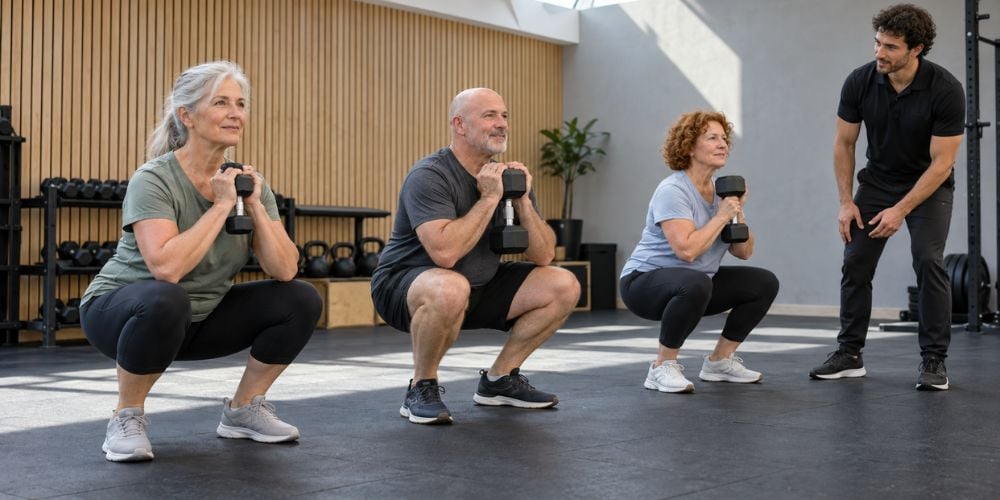
1. Keep Groups Small
More people can mean more revenue. But that does not mean you should fit as many clients as possible into one session.
A practical starting point is 3–6 clients per session.
This gives you time to:
- Watch exercise technique
- Adjust weights
- Answer questions
- Change exercises when needed
- Keep everyone moving
The exact number depends on your coaching style and the exercises you use. For comparison, ACE’s small-group training guidance discusses professional recommendations ranging from small groups of two to five people to a maximum of eight with one trainer.
I would not add another client just because there is floor space. Once people start waiting too long or getting little attention, the extra revenue can come at the cost of training quality.
Should you add one more person?
Only if you can still coach everyone properly.
2. Price Below One-on-One Training, but Higher Per Hour Overall
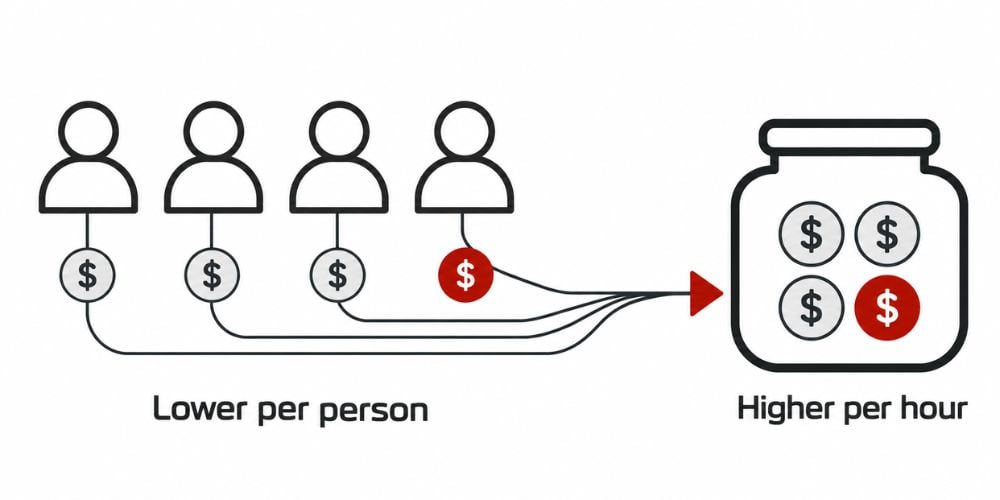
Small-group training should normally cost less per person than private training.
Your total income for that hour, however, can still be higher.
Training Format | Clients | Price Per Person | Total Per Hour |
One-on-one | 1 | $60 | $60 |
Small group | 4 | $25 | $100 |
Small group | 5 | $25 | $125 |
These are simple example prices, but they show the basic model.
With four clients paying $25 each, your hourly revenue rises from $60 to $100. With five clients, it reaches $125.
That is the main advantage: clients pay less individually while you can earn more from the same hour.
NASM’s Group Personal Training guidance similarly describes small-group coaching as a way to serve multiple clients in one time slot and increase effective hourly earning potential.
Keep your own pricing easy to understand. Clients should quickly see the difference between private coaching, small-group training, and a normal fitness class.
3. Sell Training Packages Instead of Single Sessions
Single-session payments make your income harder to predict.
Instead, give clients a simple package.
You could offer:
- 4-week programs
- 8-week programs
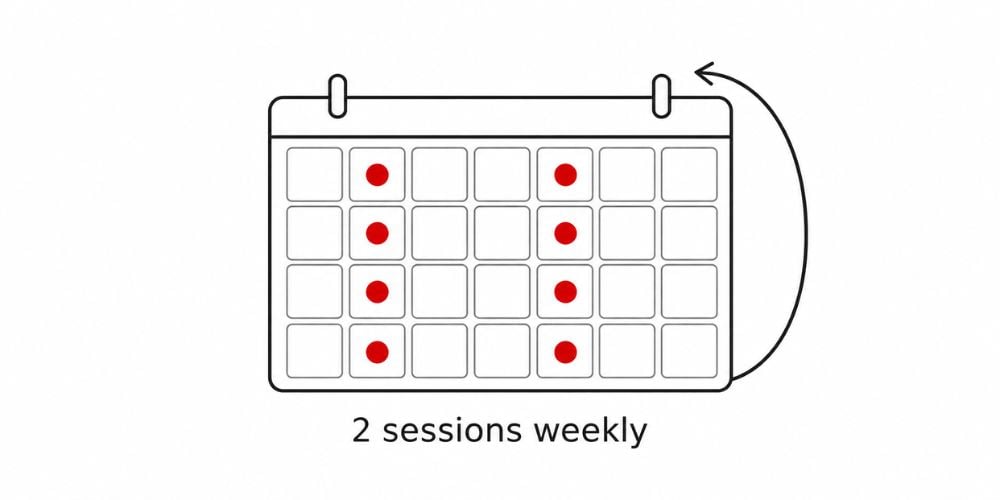
- 2 sessions per week
- 3 sessions per week
- Monthly small-group memberships
Why does this help?
Clients already know when they are training, while you have a better idea of how many paid sessions are coming up.
Keep your choices simple.
Package | Frequency | Best For |
Starter | 2 sessions/week | Beginners |
Regular | 3 sessions/week | Consistent trainees |
8-week block | Fixed program | Goal-focused clients |
I often see trainers make pricing harder than it needs to be. Two or three clear choices are usually easier for people to understand than a long menu of packages.
4. Put Similar Clients Together
Do not build groups randomly.
Try to match people by:
- Training level
- Fitness goals
- Exercise experience
- Schedule
- General training ability
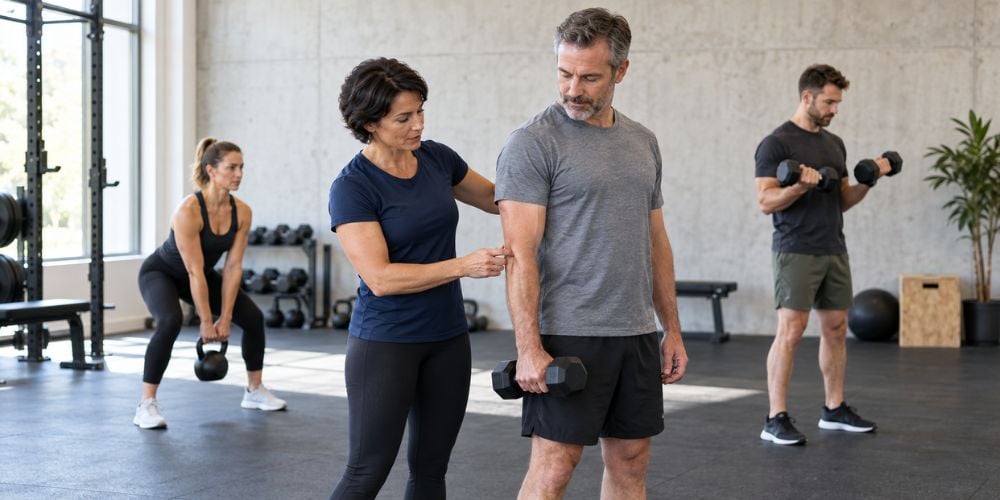
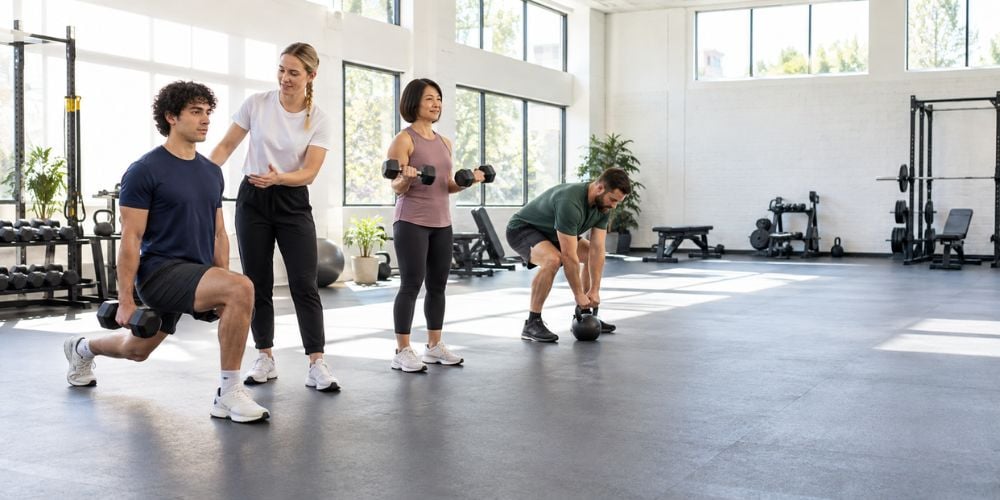
For example, four beginners are usually easier to coach together than two beginners mixed with two advanced lifters.
Why does matching matter?
Similar clients can follow similar exercises, rest periods, and session structures. You can then adjust resistance or difficulty for each person rather than creating four completely different workouts.
Individual adjustments still matter. ACSM’s group exercise resources specifically cover exercise selection, cueing, modifications, and exercise progressions and regressions as important group-coaching skills.
That is the balance you want: one organized session, but not one identical workout for everyone.
Equipment can either keep a group moving or create a line of people waiting for the same station. At YR Fitness, we build commercial strength and functional equipment for repeated daily use, so you can choose a setup that supports smoother rotations and shared training.
Explore commercial gym equipment for your training setup
5. Fill Your Quiet Training Hours
Do you have hours when very few clients book?
Those are good places to test a small group.
Consider:
- Early morning
- Lunchtime
- Mid-afternoon
- Evening
- Weekend sessions
Instead of forcing another private session into your busiest period, turn an unused hour into a paid group session.
Start with one time slot.
If four people regularly attend, keep it. If attendance remains low, move the group to another time rather than forcing a schedule that does not fit your clients.
Here is why this matters: you are increasing the value of an hour that might otherwise produce little or no training revenue.
You are not simply adding more work.
6. Use Equipment That Works for Multiple Clients
Small-group training quickly slows down when everyone needs the same machine.
Choose equipment that makes rotation easy:
- Dumbbells
- Benches
- Cable machines
- Functional trainers
- Squat racks
- Selectorized strength machines
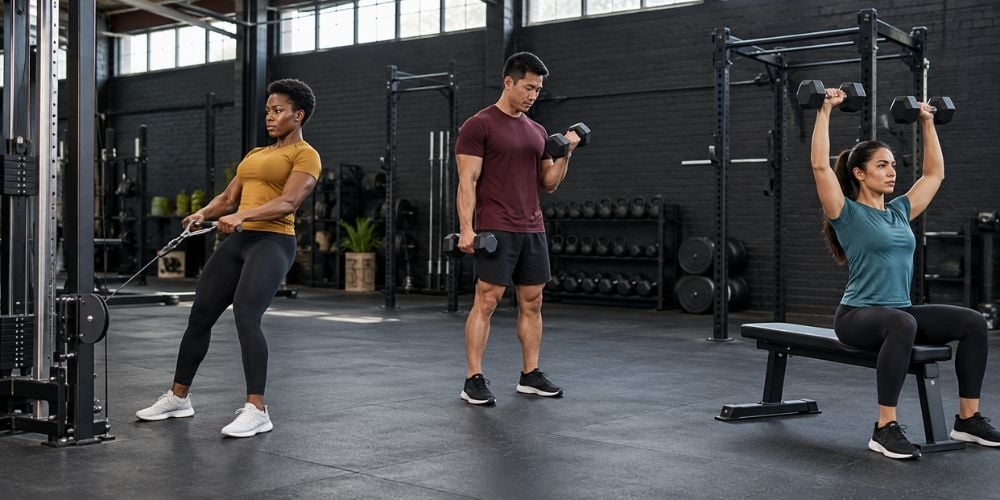
You can then create simple stations.
For example, one person uses a cable station, another uses dumbbells, and another completes a bench exercise. After the set, everyone rotates.
I often prefer this approach because it reduces waiting without making the workout complicated.
Do you need more machines?
Not necessarily.
You need enough useful equipment to keep people moving. Filling every corner with machines will not help if several clients still need the same station at the same time.
The goal is simple: less standing around, more training.
Conclusion
Small-group personal training can increase revenue without requiring you to coach more hours.
Keep groups manageable, charge less per person than private training, sell packages, match similar clients, use quieter time slots, and make equipment easy to share.
Your equipment setup should support that experience rather than slow it down. YR Fitness offers commercial equipment that can help you build a training space around smooth movement and practical daily use. Explore the YR Fitness equipment range and compare options for your training space.
Related articles:



