








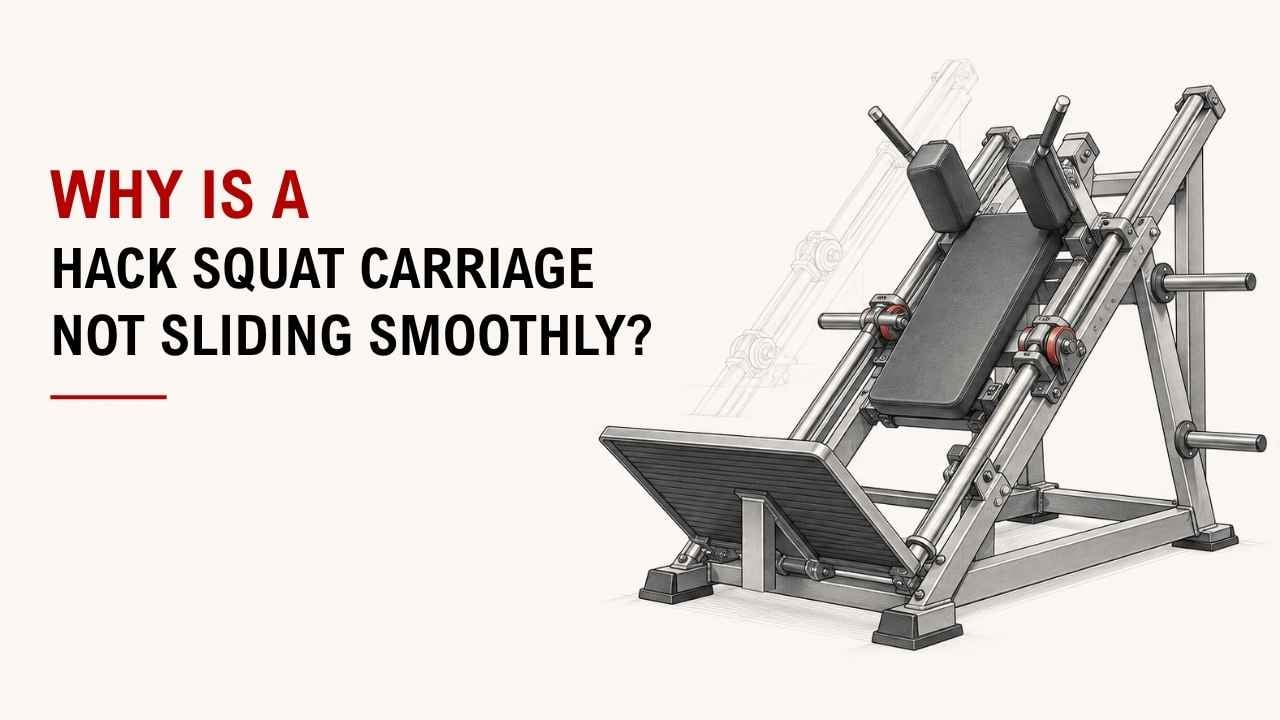

Does your hack squat carriage feel rough or jerky? Something in the guide system may need attention.
The quick answer is to check the rails, lubrication, rollers or bearings, alignment, fasteners, and weight loading. These are the most common causes.
As a Machinery & Structural Engineer at YR Fitness, I work with the same parts that control how strength machines move. That experience helps me spot small mechanical issues that often cause rough carriage travel.
Below are the six main causes and what to check first. Start with the simple ones before assuming there is a major fault.
1. The Guide Rails Are Dirty
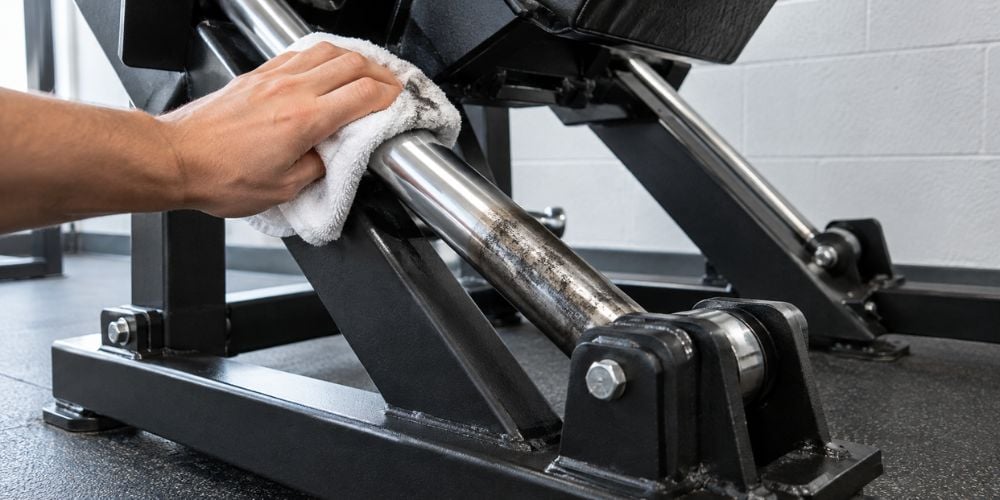
Dirty rails are one of the first things I would check.
Dust, sweat, old grease, and small particles can build up on the rails. This creates extra friction and may make the carriage feel sticky or rough.
Life Fitness recommends regularly cleaning guide rods with a cotton cloth as part of its strength-equipment maintenance guidelines.
So, what should you do?
- Wipe away visible dirt and buildup.
- Use soft, clean cloth.
- Follow the cleaning instructions for your specific machine.
Quick check: Does the carriage feel rough through most of its travel? Dirty rails are a good place to start.
2. The Rails Need Lubrication
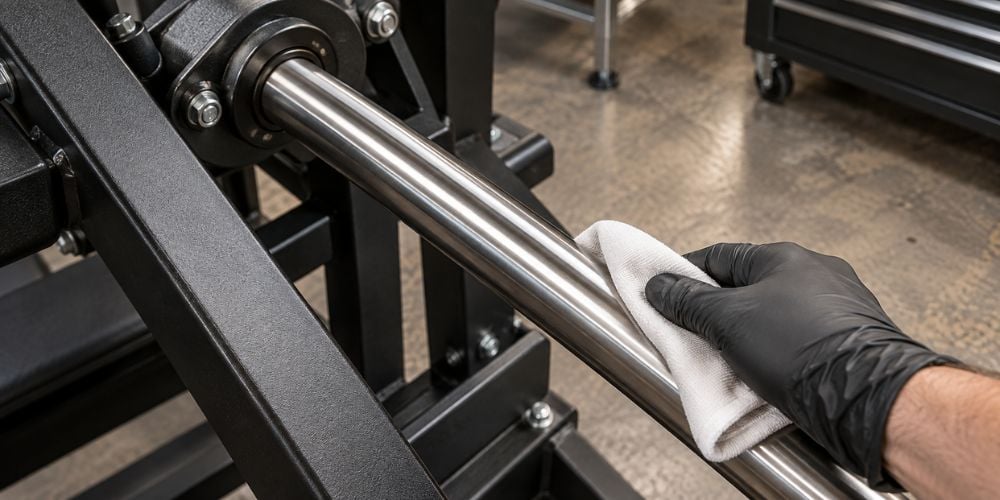
Clean rails can still feel rough when they are too dry.
The right lubricant helps reduce friction between the guide system and moving components. Precor’s guide-rod maintenance instructions, for example, recommend applying lubricant to a clean cloth and spreading it evenly across the guide rods.
But more is not always better.
I often see people add a large amount of lubricant once a machine starts feeling rough. Too much can attract dust and dirt and create another problem.
Use only the lubricant and amount recommended for your machine.
Simple Check Order
Check | What to Look For | First Action |
Guide rails | Dust, grease, debris | Clean the rails |
Lubrication | Dry or rough movement | Check manufacturer instructions |
Rollers/bearings | Noise, play, vibration | Inspect for wear |
Alignment | Binding on one side | Stop and inspect |
Fasteners | Rattling or movement | Check mounting points |
Weight loading | More plates on one side | Balance the load |
This order keeps troubleshooting simple. Start with what you can see before moving to parts that may need professional inspection.
3. The Rollers or Bearings Are Worn
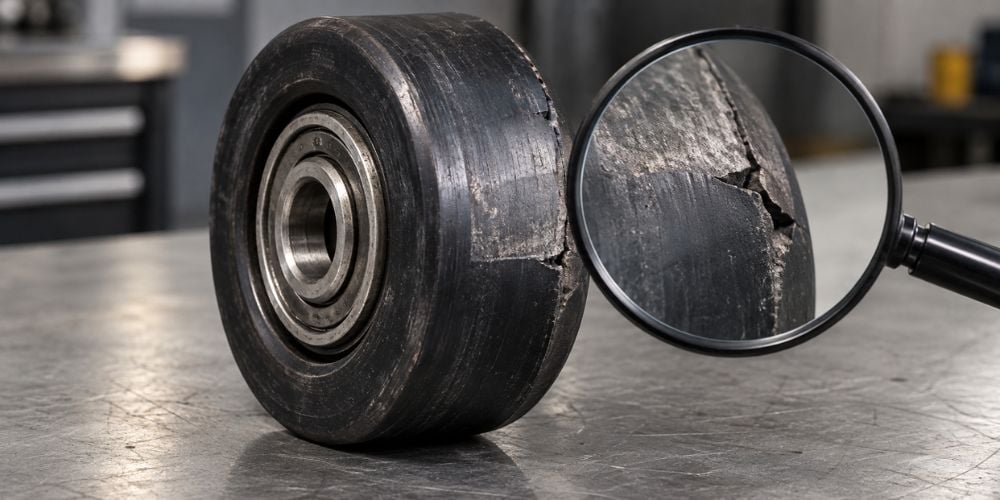
Cleaned and lubricated the rails but the problem is still there? Look at the rollers or bearings next.
Worn components can cause:
- Grinding sounds
- Clicking noises
- Vibration
- Uneven movement
- Side-to-side play
- Rough spots during exercise
Rollers and bearings help the carriage travel smoothly along its path. Once they wear them, that smooth movement can disappear.
What should you do? Stop using the machine if you hear strong grinding or feel obvious looseness. A damaged roller or bearing normally needs proper inspection or replacement.
Smooth carriage movement starts with a well-designed guide system, solid frame construction, and properly matched moving components. At YR Fitness, we focus on these details in our commercial strength equipment, so if you want to see how different strength-machine designs are built, you can explore our equipment range on the YR Fitness website.
4. The Carriage Is Misaligned
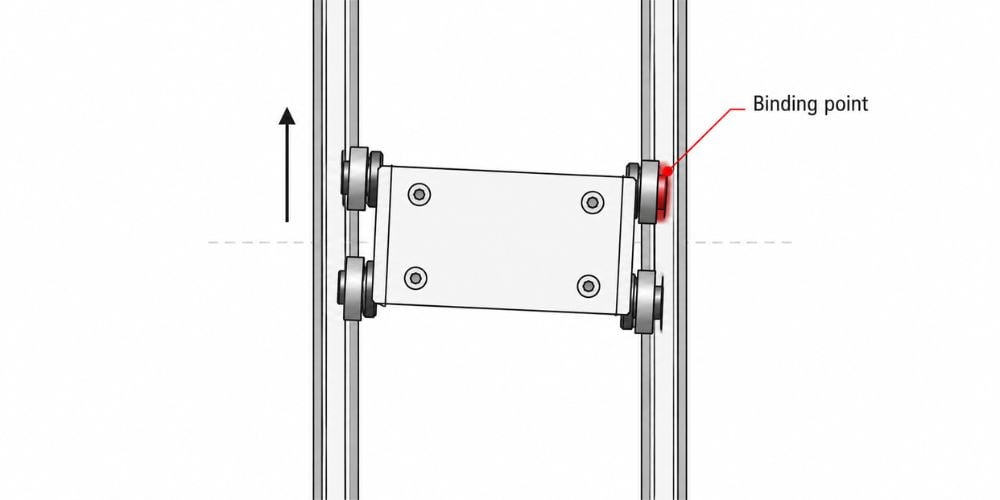
A hack squat carriage should move evenly along its guide system.
If the carriage or rails become slightly misaligned, one side may create more resistance. You might feel the carriage bind, twist, or become harder to move at the same point during each rep.
Common causes include:
- Incorrect assembly
- Loose mounting points
- Frame movement
- Worn components
- Impact or damage
From an engineering point of view, I pay close attention when roughness happens at exactly the same position every repetition. That can point toward an alignment or guide-system problem.
Do not force the carriage through a binding point.
5. Fasteners Are Loose or Unevenly Tightened
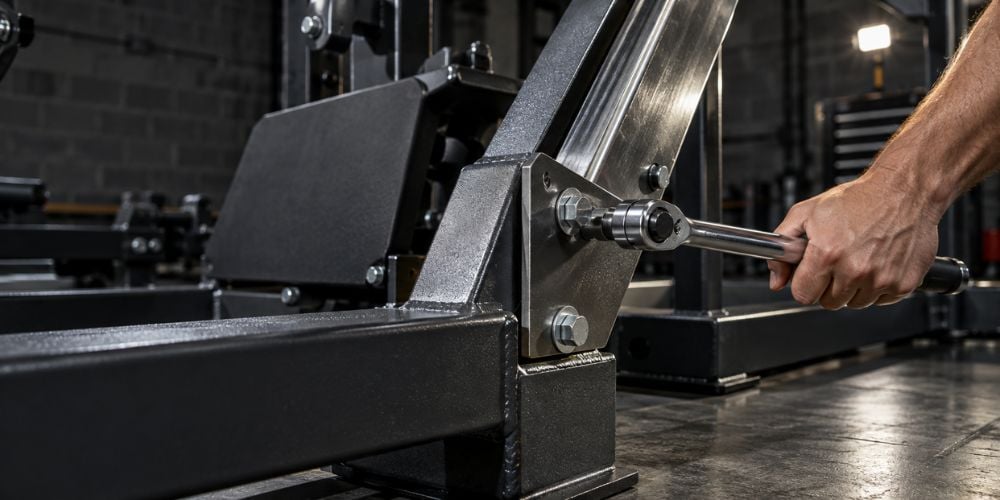
Bolts and fasteners keep the frame, guide rails, and carriage system in position.
If they become loose, parts can shift slightly during use. Life Fitness also includes regular hardware inspection in its strength maintenance schedule and recommends checking for loosening or wear.
Look for:
- Loose bolts
- Movement around mounting points
- Small gaps between connected parts
- Rattling during exercise
On the other hand, do not randomly tighten every bolt you see. Check the machine manual if you are unsure which fasteners affect the carriage or guide system.
Small alignment changes can make a noticeable difference on heavy strength equipment.
6. The Machine Is Loaded Unevenly
Sometimes the machine itself is fine. The plates are the problem.
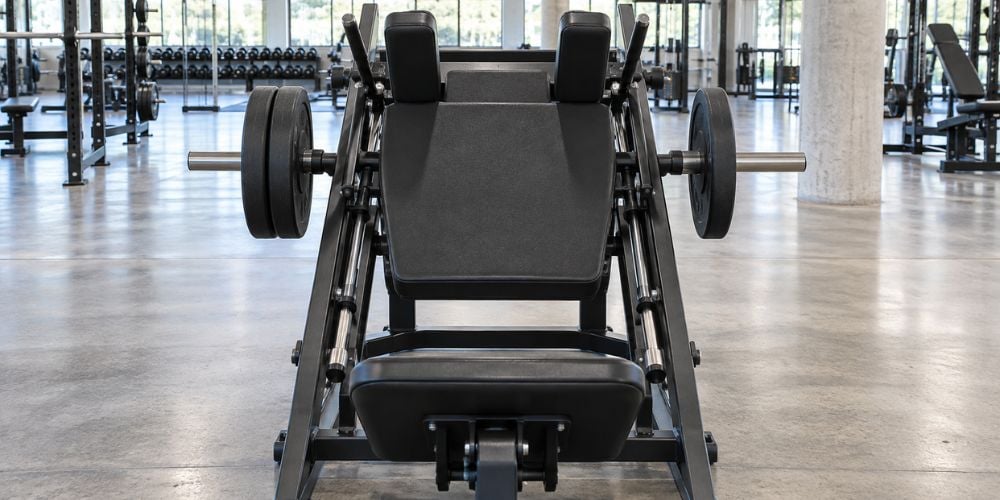
If your hack squat has weight horns on both sides, keep the load balanced. Intenza’s official ZL11 Hack Squat owner’s manual specifically instructs users to load weight plates evenly on both sides.
For example, if you put two 20 kg plates on the left, put the same amount on the right.
I always check this before assuming there is a mechanical fault. It takes only a few seconds and is easy to overlook.
Still rough after balancing the plates? Remove the load and test the carriage again. If it still feels uneven, look more closely at the rails, rollers, bearings, or alignment.
Quick Troubleshooting Guide
What You Feel or Hear | Possible Cause | What to Check First |
Sticky movement | Dirty guide rails | Clean the rails |
Dry or rough travel | Poor lubrication | Lubrication condition |
Grinding or vibration | Worn rollers or bearings | Moving components |
One side feels tighter | Misalignment | Rail and carriage position |
Rattling or shifting | Loose fasteners | Mounting hardware |
Movement changes after adding plates | Uneven loading | Plate balance |
When Should You Stop Using the Machine?
A little extra resistance does not always mean there is a serious problem. But some warning signs should not be ignored.
Stop using the hack squat if:
- Carriage jams suddenly
- You hear metal grinding
- The carriage shifts sideways
- A roller or bearing looks damaged
- A rail looks bent
- The machine feels unstable
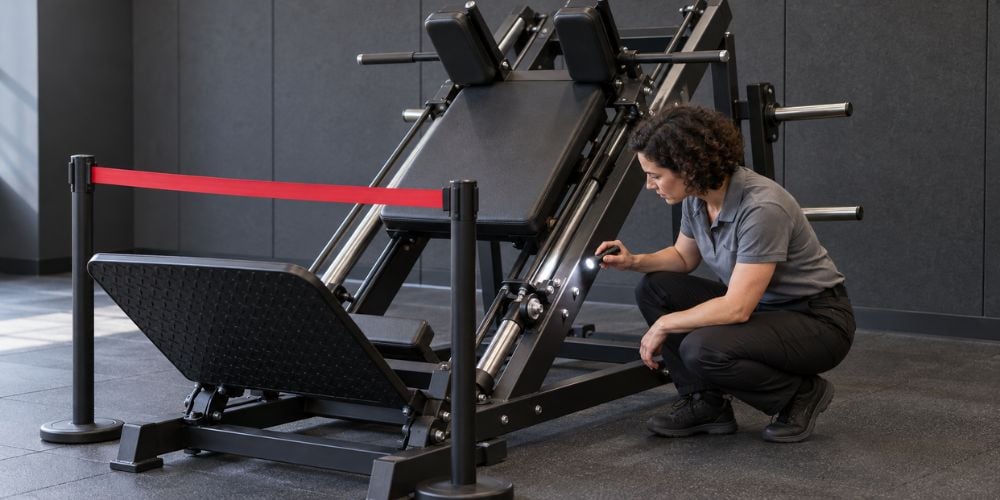
Should you add more weight to test it? No. Mechanical problems usually become more noticeable under heavier loads.
If you are unsure about the cause, let a qualified technician inspect the machine before your next heavy set.
Conclusion
A hack squat carriage usually stops sliding smoothly because of dirty rails, poor lubrication, worn rollers or bearings, misalignment, loose fasteners, or uneven loading.
Start with cleaning, lubrication, and balanced loading. If the carriage still sticks, grinds, or moves unevenly, stop using it and have the machine checked.
For fitness lovers who want to compare strength equipment built with smooth movement and durable components in mind, visit YR Fitness and explore our commercial strength-machine range before choosing your next machine.
Related articles:



