








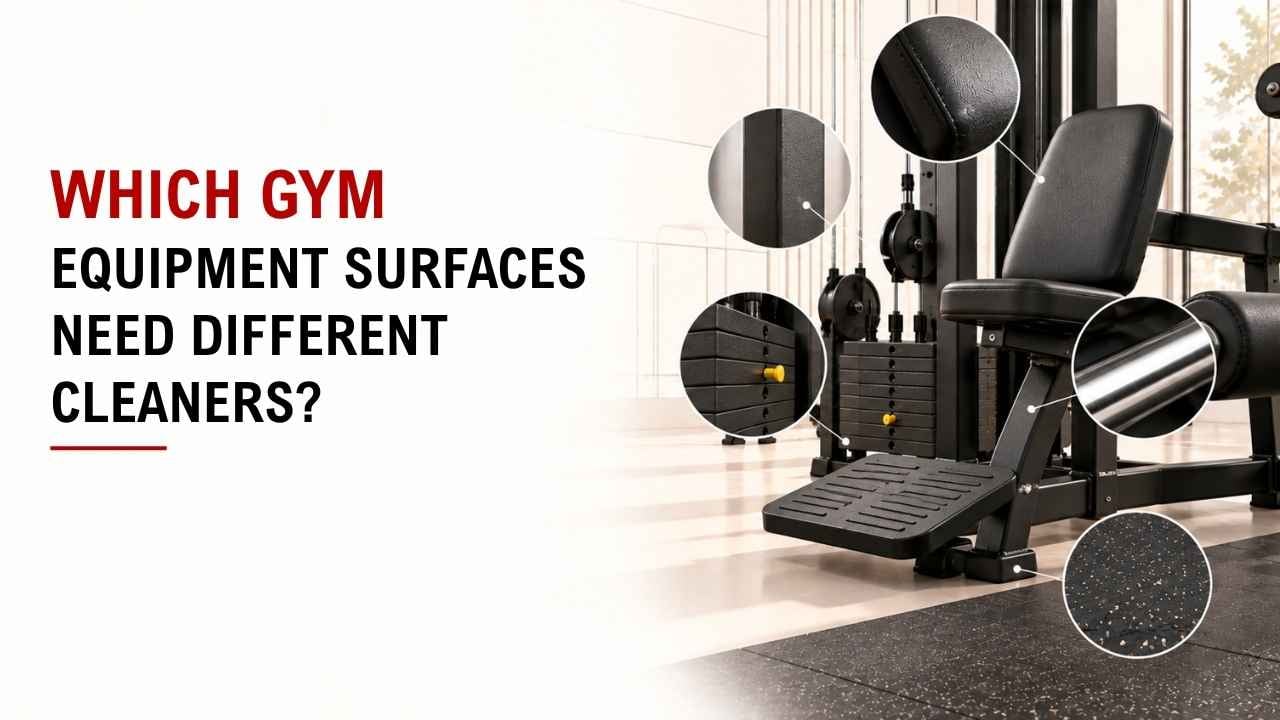

Have you ever used the same cleaner on every gym machine? Some surfaces can be damaged by the wrong product.
The simple rule is: use mild cleaners for vinyl, steel, rubber, and plastic, screen-safe products for displays, and avoid general-purpose cleaners on treadmill belts.
As a Machinery & Structural Engineering expert at YR Fitness, I work closely with machine materials, coatings, upholstery, and structural parts. In my years of equipment development, I have seen how the right cleaning method helps protect these surfaces.
Below, I will show you what cleaner works best for seven common gym equipment surfaces. You will also see what to avoid.
1. Vinyl and Upholstery Pads
You will usually find vinyl on:
- Machine seats
- Back pads
- Benches
- Arm pads
- Leg rollers
Use mild soap or a vinyl-safe upholstery cleaner with a soft cloth.
Avoid strong bleach, harsh solvents, and aggressive alcohol-based cleaners unless the manufacturer approves them. Dry the surface afterward, especially around seams.
Can you use any disinfectant wipes?
Not always. The EPA recommends checking the product label for compatible and incompatible surfaces because some cleaning products can damage certain materials.
Best choice: Mild soap or vinyl-safe cleaner
Avoid: Harsh solvents and abrasive brushes
2. Powder-Coated Steel Frames
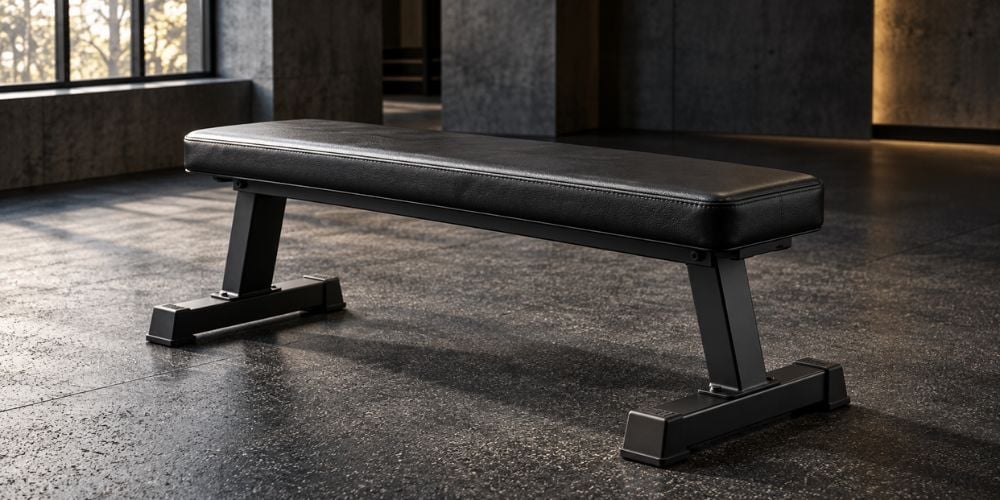
Powder-coated steel is common on strength machines, racks, and benches.
Use diluted mild detergent and a soft cloth to remove:
- Sweat
- Fingerprints
- Dust
- Light dirt
Avoid abrasive pads and strong chemicals that may scratch or dull the coating.
Pay extra attention around bolts, welds, and adjustment areas. Wipe away moisture instead of leaving these areas wet.
Here is why this matters: the coating protects the steel underneath. Scratching or repeatedly attacking that finish with harsh products can make the machine look worn much sooner.
3. Chrome and Stainless Steel Parts
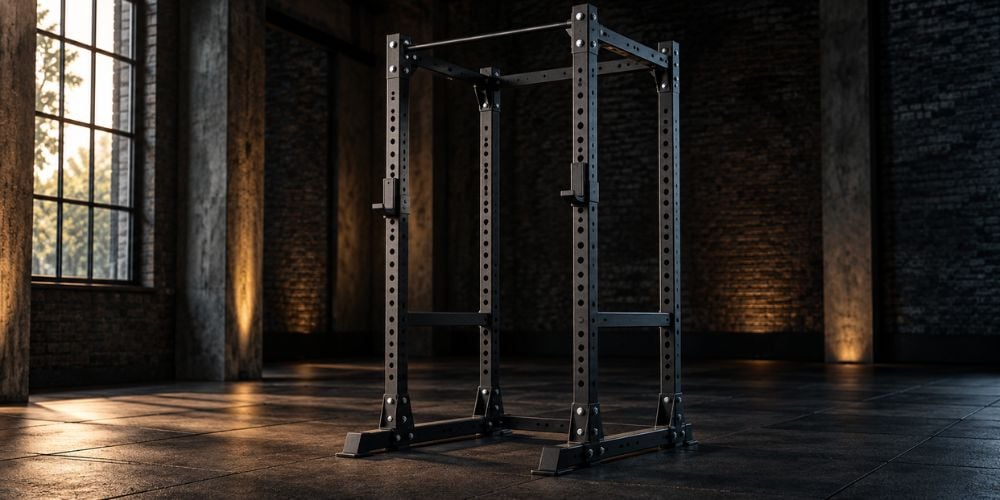
Chrome and stainless steel often appear on:
- Guide rods
- Handles
- Weight plate horns
- Adjustment pins
- Machine hardware
Use a clean microfiber cloth with a little water or a metal-safe cleaner.
Do not leave these parts wet for long periods. Dry them after cleaning, especially around joints and smaller metal components.
What about guide rods?
Treat them carefully. Guide rods may have specific lubrication requirements, so do not automatically clean them like ordinary chrome handles.
In my experience, this is one area where people often over-clean. Removing the wrong lubricant can affect how smoothly the weight stack moves.
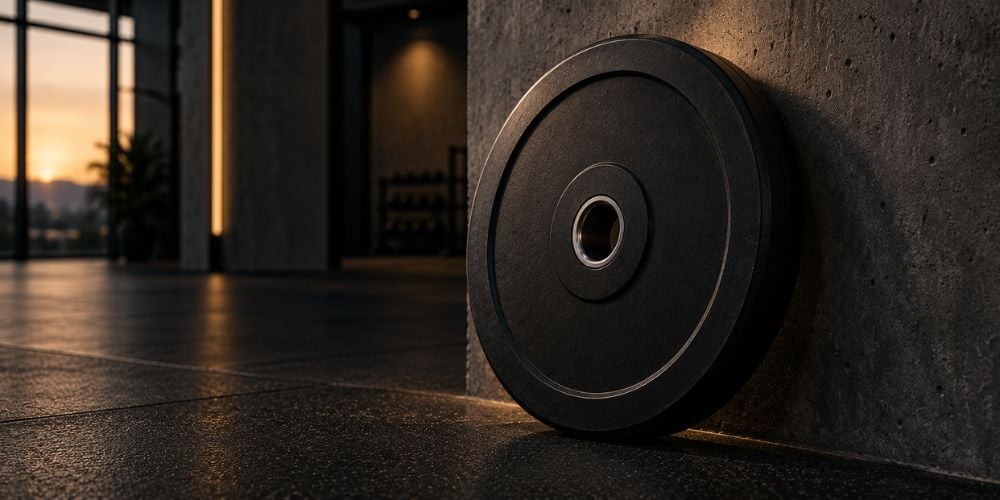
4. Rubber Handles, Grips, and Weight Plates
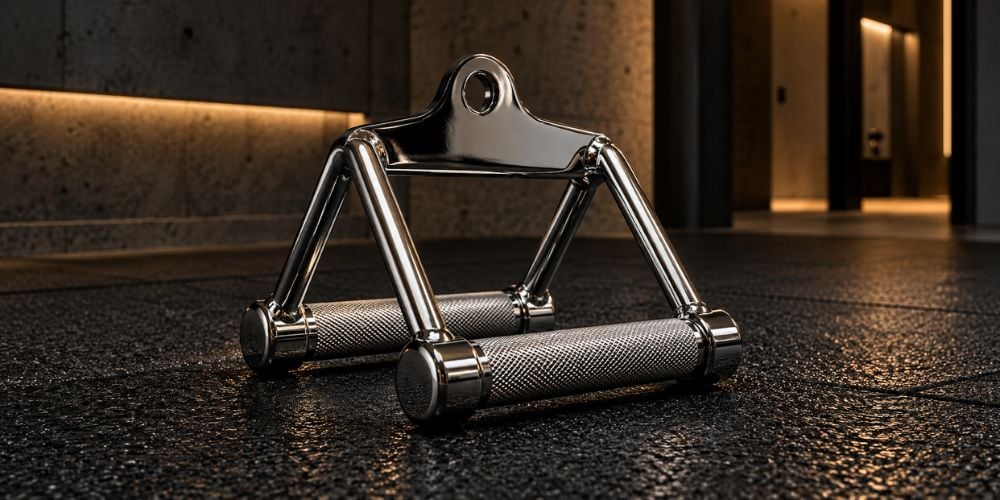
Rubber is common on handles, dumbbells, plates, and machine grips.
For normal cleaning, you usually need only:
- Mild soap
- Warm water
- A damp microfiber cloth
Avoid soaking rubber parts.
Strong solvents may cause some rubber materials to dry out, fade, harden, or become sticky over time. I often see this issue when strong cleaners are used too frequently.
Quick Cleaning Guide
Surface | What to Use | What to Avoid |
Vinyl pads | Mild soap or vinyl cleaner | Harsh solvents |
Powder-coated steel | Mild detergent | Abrasive scrubbers |
Chrome | Damp microfiber cloth | Excess moisture |
Stainless steel | Metal-safe cleaner | Harsh chemicals |
Rubber | Mild soap and water | Strong solvents |
Plastic | Lightly damp cloth | Heavy chemical spraying |
Screens | Screen-safe cleaner | Direct spraying |
Treadmill belt | Dry or lightly damp cloth | General-purpose cleaners |
If you are comparing commercial machines, look beyond the frame and weight stack. At YR Fitness, we also pay attention to upholstery, grips, coatings, and other frequently touched surfaces because these parts have to handle both repeated training and regular cleaning.
5. Plastic Machine Covers and Consoles
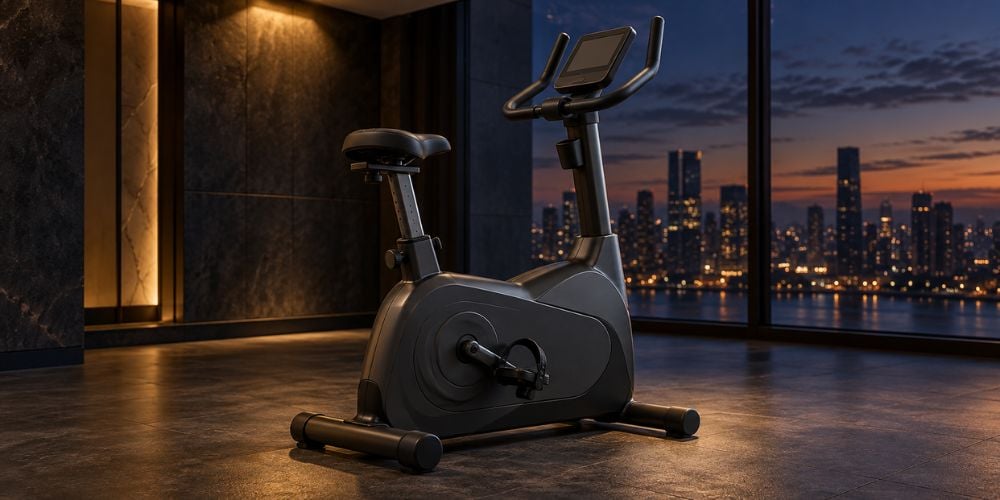
Plastic covers are common on cardio machines and some strength equipment.
Use a lightly damp microfiber cloth with a mild cleaning solution.
The most important rule?
Do not spray cleaner directly onto the machine.
Spray the cloth first. This helps keep moisture away from:
- Buttons
- Electrical connections
- Ventilation openings
- Sensors
- Internal components
Around electrical equipment, I prefer using as little moisture as possible.
Where Should You Be Most Careful?
Area | Main Cleaning Risk | Safer Approach |
Upholstery seams | Trapped moisture | Wipe and dry afterward |
Frame joints | Moisture around hardware | Use a lightly damp cloth |
Guide rods | Removing needed lubricant | Follow machine instructions |
Rubber grips | Drying or hardening | Use mild soap |
Console buttons | Liquid entering electronics | Spray cleaner on the cloth |
Touchscreen edges | Moisture entering display | Use minimal liquid |
Treadmill belt/deck | Liquid reaching internal areas | Use dry or lightly damp cloth |
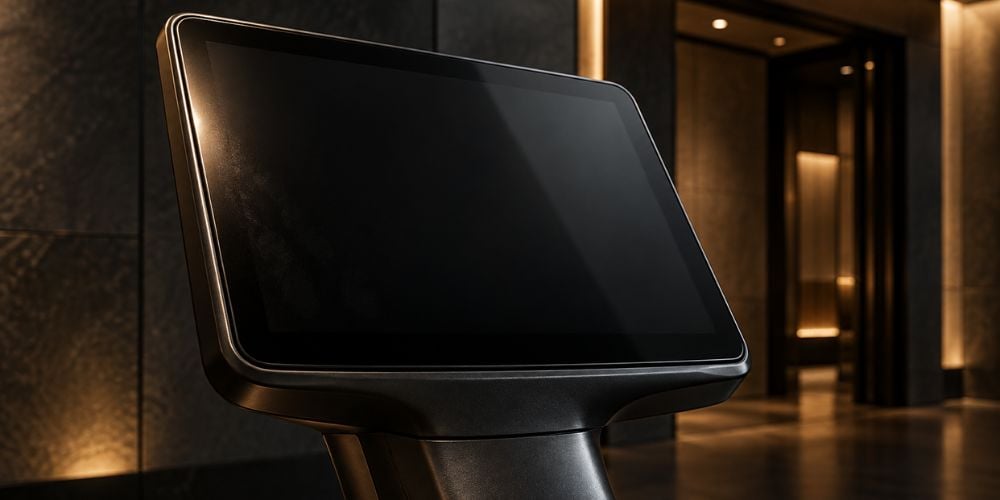
6. Touchscreens and Display Panels
Touchscreens need more care than ordinary plastic surfaces.
Use a screen-safe cleaner or a clean microfiber cloth that is only slightly damp.
Avoid spraying liquid directly onto the display.
Should you automatically use glass cleaner?
No. Check the equipment manufacturer’s instructions first.
For normal gym use, gently removing fingerprints and sweat is usually enough. Heavy scrubbing is unnecessary.
There is also an important difference between cleaning and disinfecting. The EPA explains that cleaning removes dirt and organic matter, while disinfecting uses chemicals to kill viruses and bacteria on surfaces.
That means a stronger product is not automatically the better choice. Use it only when the surface and product instructions allow it.
7. Treadmill Belts and Deck Areas
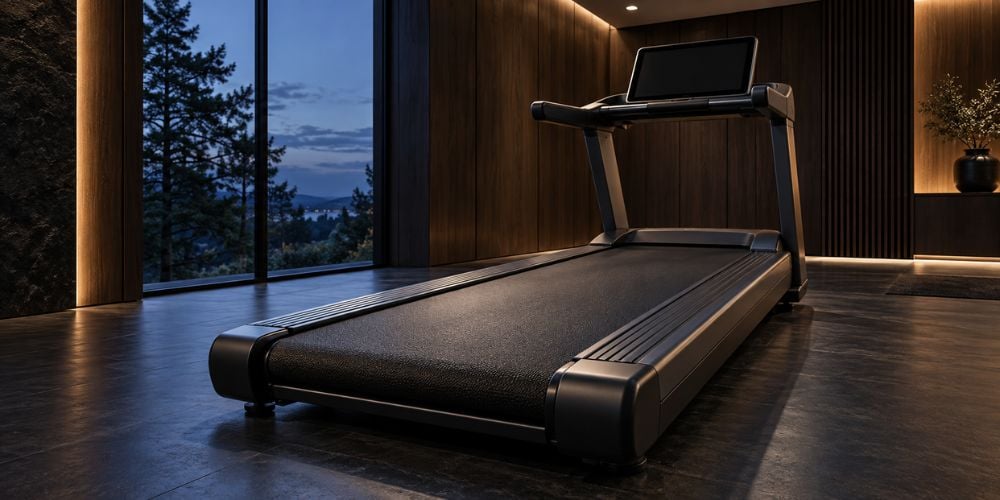
A treadmill belt should not be cleaned like a machine seat or frame.
For the visible walking surface, remove dust and dirt with a dry or slightly damp cloth.
So avoid applying ordinary surface cleaner directly to the running belt unless the treadmill manufacturer says it is safe.
You should also keep unnecessary cleaning chemicals away from the area between the belt and deck. That area depends on proper friction and lubrication.
For dirt around the deck:
- Turn off the treadmill.
- Unplug it.
- Remove loose dust.
- Wipe exposed areas carefully.
- Let everything dry before use.
The simple rule: do not treat a treadmill belt like normal gym flooring.
Which Cleaner Should You Use?
Do you really need seven different bottles?
No.
A simple cleaning kit can cover most gym equipment:
- Mild soap solution
- Microfiber cloths
- Vinyl-safe cleaner
- Screen-safe cleaner
- Metal-safe cleaner when needed
The important part is knowing where each product belongs.
I would rather see you clean regularly with a gentle product than reach for a strong chemical every time. More cleaning power does not always mean better equipment care.
Conclusion
Different gym equipment surfaces need different cleaning methods. Vinyl needs gentle upholstery care, rubber needs mild soap, and treadmill belts should stay free from general-purpose cleaners.
Before using any stronger cleaner, check the cleaner label and your equipment manufacturer’s instructions. A few extra seconds can help you avoid damaging a surface you use every week.
If you want equipment with durable frames, grips, and finishes designed for frequent training and regular maintenance, explore YR Fitness commercial gym equipment.
Related articles:



