









Is your weight stack selector pin stuck or suddenly hard to pull out? The problem is often simpler than it looks.
The quick fix is to let the stack rest, align the plates, clean the pin, and check for damage. Do not force the pin if it still does not move.
As a Machinery & Structural Engineer at YR Fitness, I work with mechanical parts that keep strength machines moving safely and smoothly. I often see selector pin problems caused by basic alignment, dirt, or wear rather than a major failure.
Below, I’ll walk you through the quickest checks in the right order. Start at the top and stop once the pin moves and locks normally again.
1. Stop Using the Machine First
Let the entire weight stack return to its resting position before touching the pin.
Do not pull the pin while someone is holding the handles or while the cable is under tension. The plates can move suddenly when the pin comes free.
I always tell users to keep their fingers away from the gaps between the plates.
Do this first:
- Release the exercise handle.
- Let every plate settle.
- Make sure nobody is using the machine.
- Try moving the pin gently.
Still stuck? Check the plate alignment next.
2. Check Whether the Weight Plates Are Misaligned
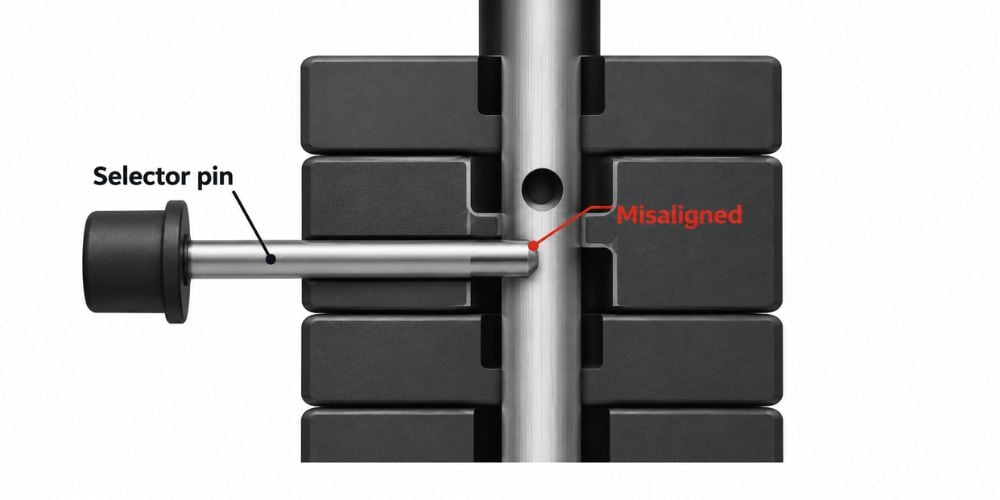
A slightly misaligned plate can put pressure on the selector pin.
Look at the selector holes. They should line up cleanly with the pin.
Sometimes cable tension lifts the top plate just enough to trap it. Gently move the handle or top plate until the stack settles, then try again.
Precor’s weight-stack and selector-pin inspection guidance recommends checking that the selector pin can be fully inserted and retained in every weight plate.
What You Notice | Possible Cause | What to Do |
Pin releases after stack settles | Cable tension | Let the stack fully rest |
Holes do not line up | Plate misalignment | Reposition the stack |
Pin sticks only under load | Pressure on the pin | Remove the load first |
Plates sit unevenly | Guide rod or plate issue | Inspect alignment |
Should you force the pin?
No. If you need to pull hard, something is probably holding it in place.
3. Pull Out and Clean the Selector Pin
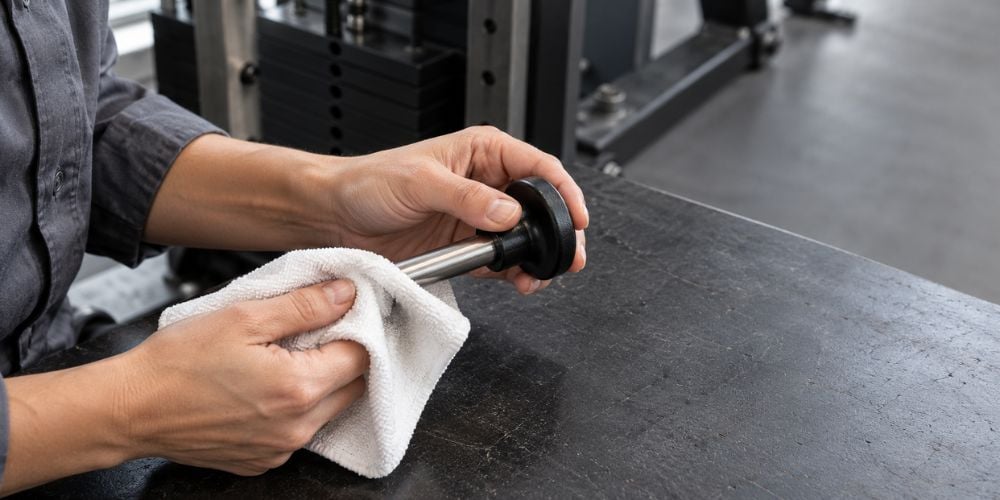
If you can remove the pin, clean it before putting it back.
Dust, sweat, rust, sticky residue, and small metal particles can make it harder to slide.
Use clean cloth and look for:
- Dirt
- Sticky residue
- Surface rust
- Metal particles
- Damaged coating
Clean around the selector holes as well if you can safely reach them.
I often see people reach for lubricant first. Cleaning is the better starting point because adding lubricant without checking the cause can hide the real problem.
Precor also recommends wiping the plates as needed and removing dirt and dust from the guide rods during regular inspection.
A selector system should feel simple and secure during normal use. At YR Fitness, we design commercial strength equipment for repeated daily use, with attention to smooth weight-stack movement and practical adjustments. If you want to compare different strength-machine designs, explore our commercial gym equipment options.
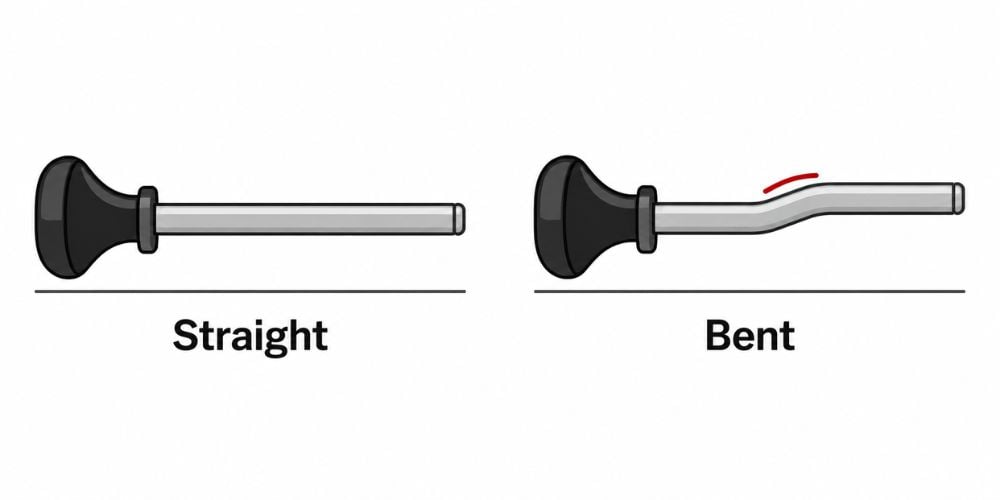
4. Check if the Selector Pin Is Bent
A bent pin may go into the stack but become difficult to pull back out.
Remove it and roll it across a flat surface. Does it wobble? If so, it may be bent.
Also inspect:
- The tip
- The shaft
- The handle
- The retaining cable
- The locking mechanism
Replace the pin if it is badly bent, cracked, or heavily worn.
Can you straighten it yourself?
I would not recommend it. The selector pin holds the selected weight during exercise, so using the correct replacement part is the safer option.
Precor’s maintenance guidance also recommends using the correct selector pin for the equipment rather than substituting an unsuitable part.
5. Inspect the Weight Stack Holes
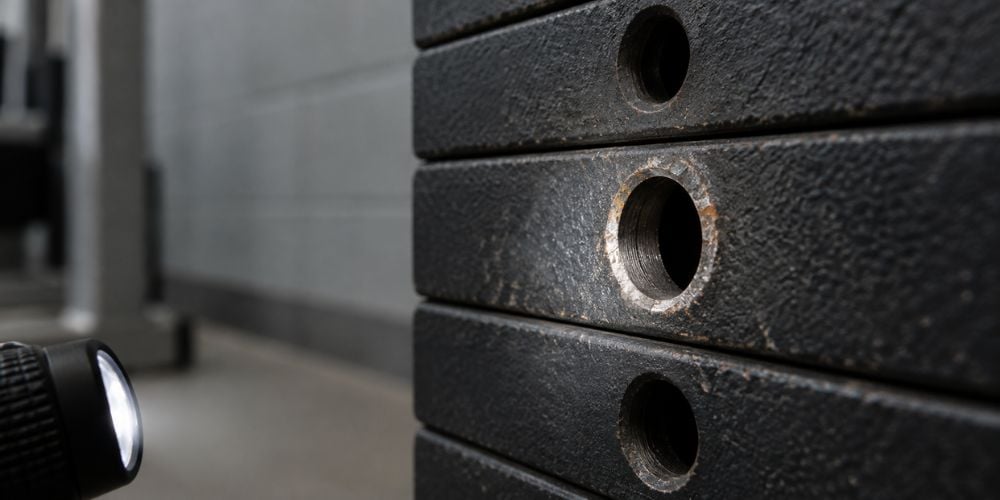
If the pin looks fine, check the holes in the weight plates.
Look for:
- Burrs
- Rust
- Dirt buildup
- Worn bushings
- Bent plate edges
- Visible deformation
Does the pin stick only at one weight setting?
If yes, inspect that specific plate first. Its selector hole may be worn, damaged, dirty, or slightly out of position.
Do not force the pin through a damaged hole. That can make the wear worse.
For ongoing maintenance, Precor’s strength-equipment maintenance recommendations include checking the weight-stack pin tether, cable condition, cable tension, and smooth machine movement.
6. Check the Guide Rods and Weight Stack Alignment
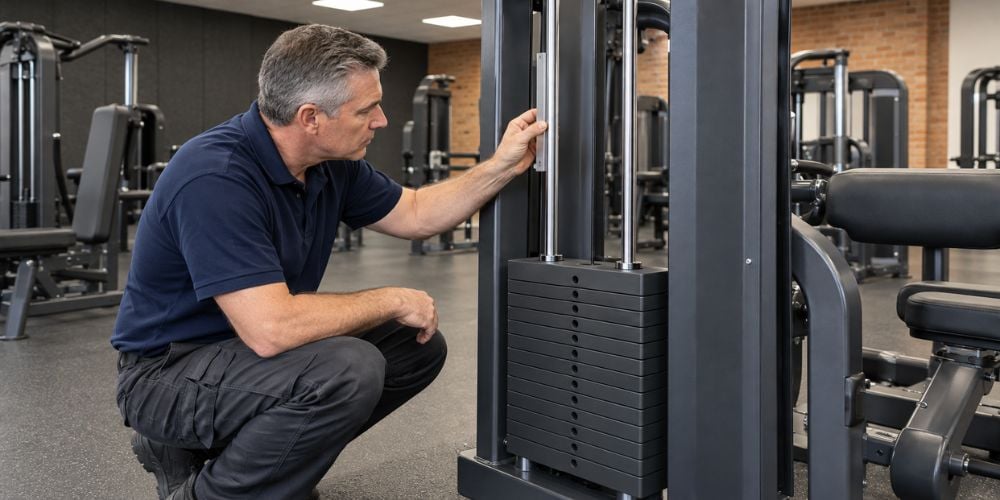
Guide rods keep the weight plates moving straight up and down.
If the rods are dirty, bent, or out of alignment, the plates can tilt. Once that happens, the selector holes may stop lining up correctly.
Look at the stack from the front and side.
Check whether:
- The plates sit level.
- The stack rises evenly.
- The guide rods look straight.
- Dirt is building up on the rods.
- The stack feels rough when moving.
Here is why this matters: Life Fitness recommends regular guide-rod cleaning and specifies using only a small amount of the correct lubricant for its equipment. Always follow the instructions for your particular machine rather than applying random oil or grease.
You can check the Life Fitness strength maintenance guidelines for an example of manufacturer-specific guide-rod and weight-stack maintenance.
In my experience, if the whole stack keeps leaning or binding, the problem is usually bigger than the selector pin. A bent guide rod, damaged plate, cable problem, or frame alignment issue may need proper repair.
Fast Troubleshooting Summary
Problem | First Thing to Check |
Pin will not pull out | Remove cable tension |
Pin is hard to insert | Align the weight plates |
Pin feels rough | Clean the pin and holes |
Pin wobbles when rolled | Replace the bent pin |
Pin sticks at one weight | Inspect that plate |
Whole stack leans | Check guide rods and alignment |
Conclusion
A stuck selector pin is usually caused by plate misalignment, dirt, cable tension, a bent pin, or poor stack alignment. Start with the easy checks and stop using the machine if the pin cannot lock or release normally.
Small mechanical problems are much easier to deal with before they become bigger ones.
If you want strength equipment built for reliable daily use, explore the commercial-grade machines from YR Fitness and choose the setup that fits your training needs.
Related articles:



