









Does your strength machine seat keep sliding, dropping, or refusing to lock? That usually means something in the adjustment system is not lining up or holding correctly.
The short answer is simple: check the adjustment pin, locking holes, spring, dirt buildup, and seat rail. One of these parts usually causes the problem.
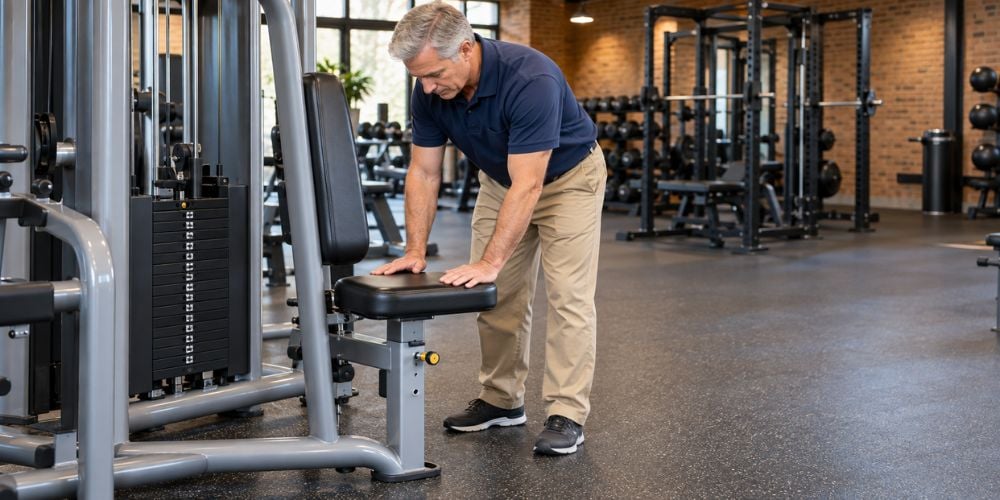
As a Machinery & Structural Engineer at YR Fitness, I regularly look at seat adjustment systems and other high-use machine parts. I often see small locking problems become bigger safety issues when users keep training without checking them.
Below, I’ll show you seven common reasons a strength machine seat will not lock. Start with the simple checks first, then look for worn or damaged parts.
- 1. The Adjustment Pin Is Not Fully Engaged
- 2. The Pin and Adjustment Hole Are Misaligned
- 3. The Locking Pin Is Bent or Worn
- 4. The Adjustment Holes Are Worn or Damaged
- 5. Dirt Is Blocking the Locking Mechanism
- 6. The Spring Inside the Pull Pin Is Weak or Broken
- 7. The Seat Rail or Adjustment Tube Is Bent
- Simple Seat Adjustment Maintenance
- When Should You Stop Using the Machine?
- Conclusion
1. The Adjustment Pin Is Not Fully Engaged
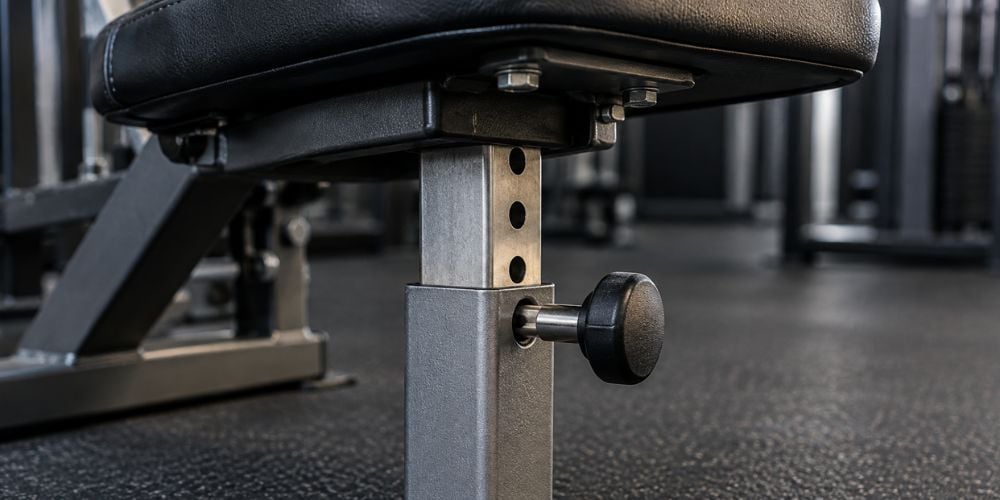
The most common problem is simple: the pin has not gone fully into the adjustment hole.
This often happens when the seat stops between two positions. The pin may touch the edge of the hole without actually locking.
Try this:
- Take your weight off the seat.
- Pull the adjustment pin out.
- Move the seat slightly.
- Release the pin.
- Check that it drops fully into the hole.
I always give the seat a small push after adjusting it. If it still moves, I know the pin needs to be checked again.
Quick question: Did you hear or feel a click?
If not, reposition the seat before training.
Regular checks matter here. Precor’s preventive maintenance guidance specifically recommends checking that strength-machine seat adjustments remain fully functional and move correctly.
2. The Pin and Adjustment Hole Are Misaligned
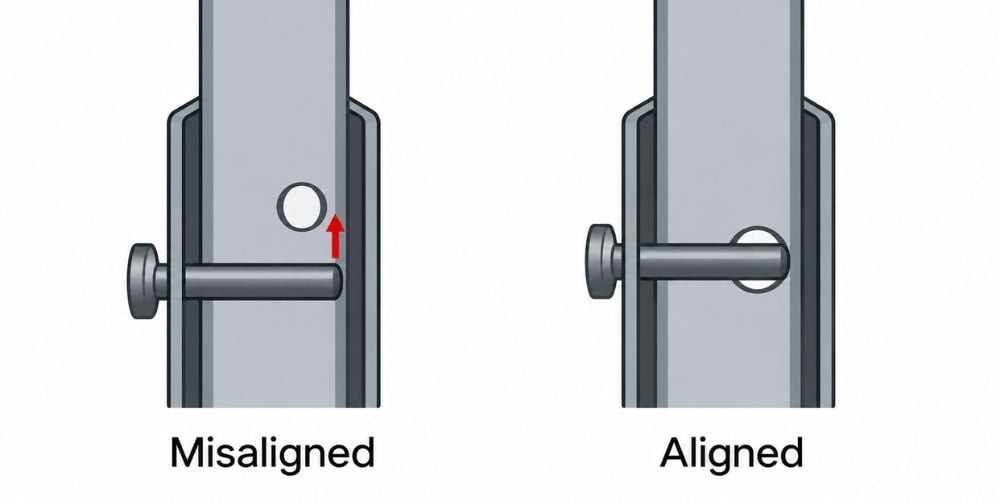
Sometimes nothing is broken. The pin and hole simply are not lined up.
This can happen if you move the seat too quickly or stop between adjustment levels.
Move the seat slowly while releasing the pin. When the hole lines up correctly, the pin should drop into place without much force.
Do you need to push the pin hard?
You should not.
Forcing the pin can damage both the pin and the adjustment hole. If it does not enter easily, move the seat again instead of pushing harder.
3. The Locking Pin Is Bent or Worn
The seat is lined up, but it still feels loose. What next?
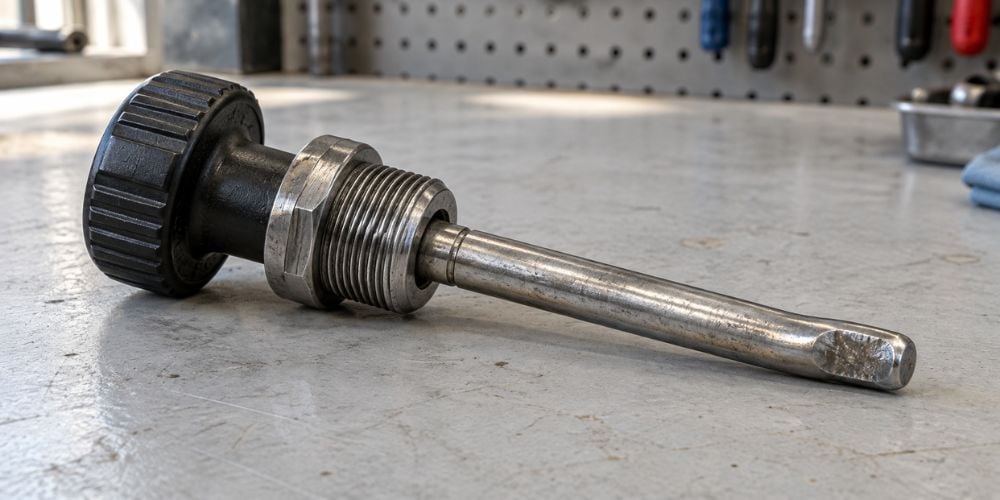
Inspect the locking pin.
Look for:
- A bent pin
- A rounded tip
- Deep scratches
- Excessive looseness
- Visible wear
A worn pin may still enter the hole but fail to hold the seat securely.
I often see this on equipment that has gone through thousands of adjustments. Small amounts of wear may not look serious, but they can create noticeable movement.
If the pin is damaged, replacing it is usually better than trying to straighten or reshape it.
4. The Adjustment Holes Are Worn or Damaged
What if the pin looks fine?
Check the adjustment holes.
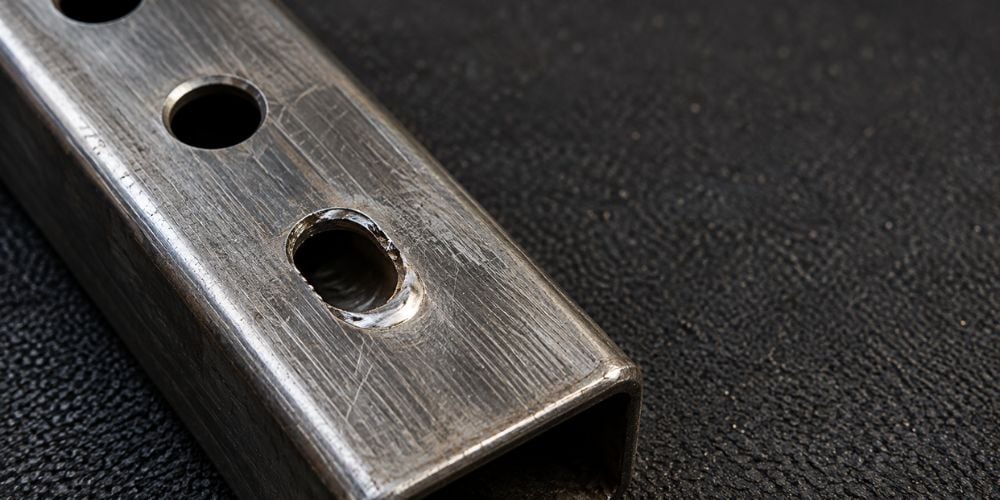
Repeated use can gradually enlarge or deform them. That means the pin can enter the hole while the seat still has unwanted movement.
Watch for:
- One setting feels looser than the others
- Movement after the pin locks
- Worn hole edges
- Holes that are no longer round
Precor’s strength-equipment maintenance checklist also includes checking seat-adjustment mechanisms and pop pins regularly, showing how important these small parts are to normal machine operation.
If an adjustment hole can no longer hold the pin securely, stop using that position. The damaged part may need professional repair or replacement.
A stable seat starts with solid adjustment parts and a strong supporting structure. At YR Fitness, we design our commercial strength equipment for repeated daily adjustment, with attention to frame strength, seat positioning, and long-term durability.
If you want to see how these systems are built into commercial strength machines, explore our strength equipment before comparing your next machine.
5. Dirt Is Blocking the Locking Mechanism
Not every locking problem means something is broken.
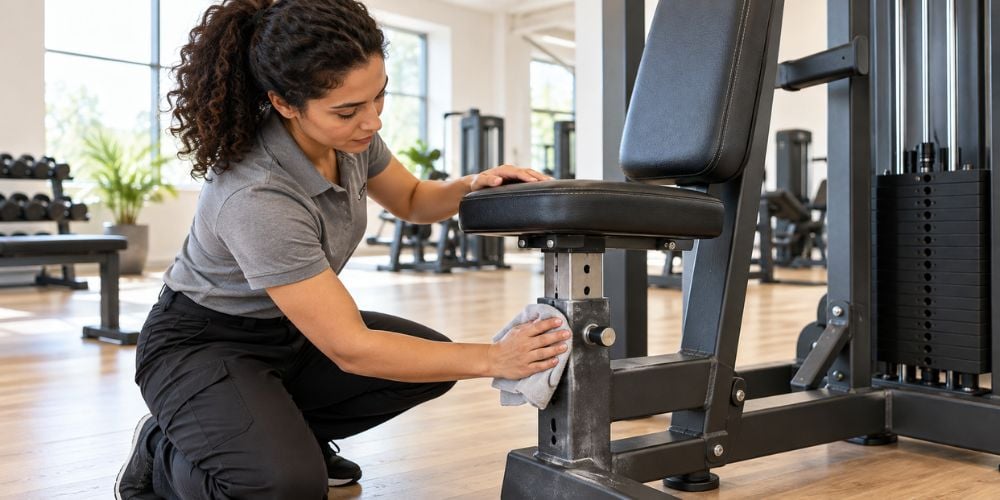
Sweat, dust, chalk, hair, and other debris can collect around the pin and sliding tube. That buildup can stop the mechanism from moving freely.
Check:
- The locking pin
- Adjustment holes
- Sliding tube
- Pin housing
Pull the pin several times.
Does it feel sticky or slow?
If yes, clean the area with a cloth and follow the manufacturer’s cleaning instructions.
Life Fitness provides specific strength-equipment preventive maintenance guidance for keeping strength equipment clean and maintained rather than waiting for problems to appear.
I usually recommend cleaning before assuming a part has failed. Sometimes that really is enough.
Avoid using random lubricants unless the manufacturer recommends them. The wrong product can attract more dirt or affect nearby materials.
6. The Spring Inside the Pull Pin Is Weak or Broken
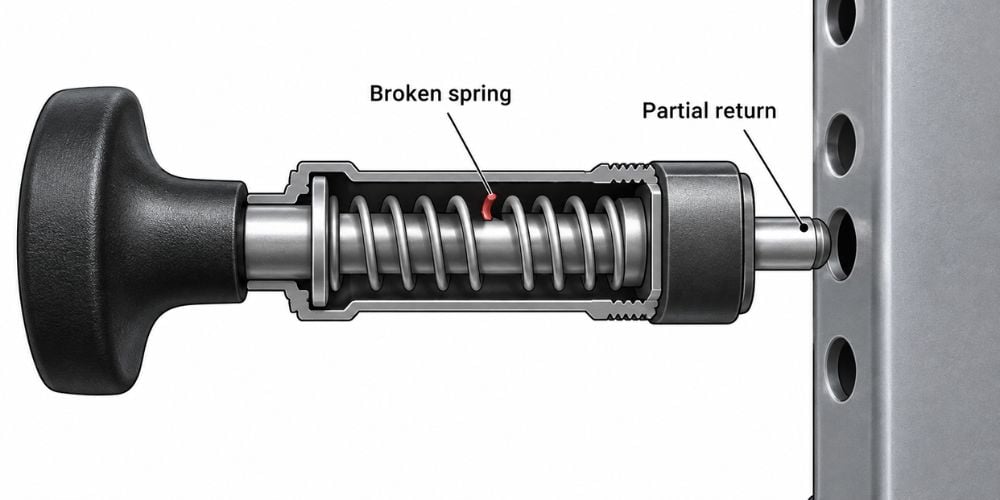
Most pull-pin systems rely on a spring to push the pin back into position.
If that spring becomes weak or breaks, the pin may stop returning completely.
You may notice:
- The pin feels unusually loose.
- It stays partly pulled out.
- You need to push it back manually.
- It no longer snaps into place.
Here is why this matters: the seat may look locked even when the pin is only partly engaged.
If the spring mechanism is damaged, replace the pull-pin assembly before using the machine again.
Not sure how your specific machine is assembled? Check the manufacturer’s documentation first. Life Fitness, for example, provides a manuals and technical resources hub where users can search by equipment type or model.
7. The Seat Rail or Adjustment Tube Is Bent
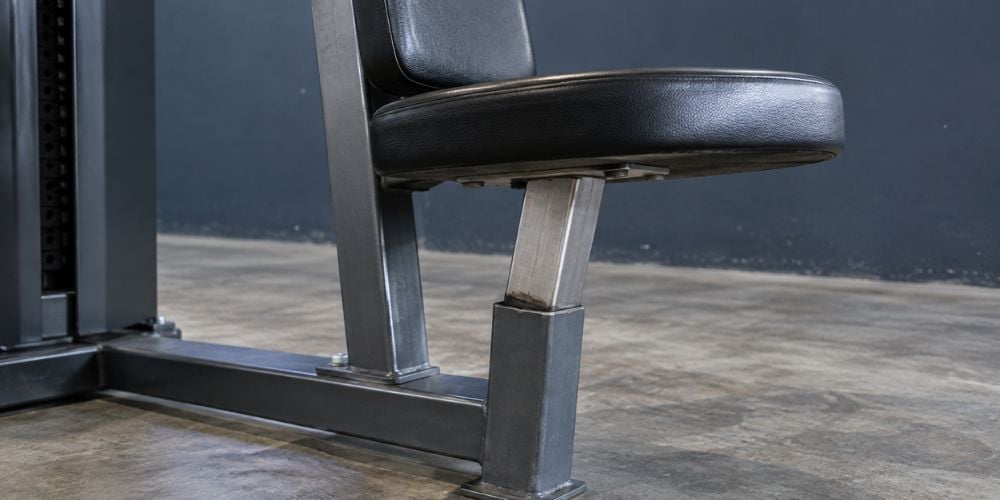
If the pin, spring, and holes look normal, inspect the seat rail or adjustment tube.
A bent tube can stop everything from lining up correctly.
Common signs include:
- The seat is difficult to move.
- It sticks to certain positions.
- The gap around the tube looks uneven.
- The pin only locks at some settings.
- The seat sits slightly crooked.
A bent rail can result from impact, misuse, or long-term wear.
Should you force it back into position?
No.
Forcing the seat can make the damage worse. If the rail or supporting structure looks bent, stop using the machine and have it inspected.
Simple Seat Adjustment Maintenance
You do not need to inspect the entire machine every time you train. A few quick checks can catch problems early.
Check | What to Look For | When |
Seat lock | Seat stays firmly in place | Before training |
Pull pin | Smooth movement and full return | Before training |
Adjustment holes | Wear, cracks, enlarged edges | Periodically |
Sliding tube | Dirt or sticking | Periodically |
Seat rail | Bending or uneven alignment | If movement feels unusual |
Machine manual | Correct maintenance method | Before repairs or lubrication |
When Should You Stop Using the Machine?
Some problems should not be ignored.
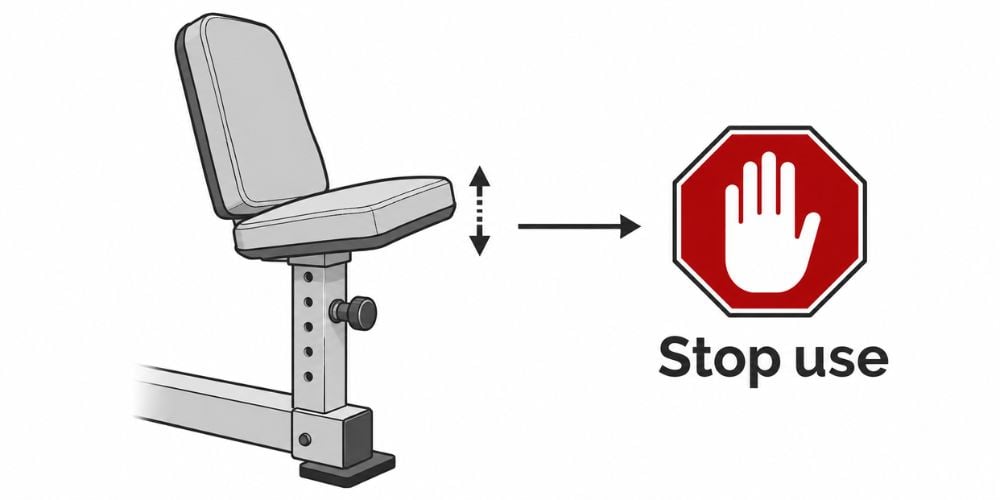
Stop using the machine if:
- The seat drops under your weight.
- The pin keeps slipping out.
- The seat moves after locking.
- The adjustment holes are badly worn.
- The pull pin does not return normally.
- The rail or tube looks bent.
A loose seat is not just inconvenient. It can suddenly change your body position while you are lifting.
If you are unsure, choose another machine until the problem has been checked.
Conclusion
If your strength machine seat will not lock, start with the basics: check the pin, align the hole, clean the mechanism, and inspect the spring.
A bent pin, damaged adjustment hole, or bent seat rail usually means you should stop using the machine until it is repaired.
To see how YR Fitness approaches durable seat systems and commercial strength-machine construction, visit YR Fitness and explore the available strength equipment.
Related articles:



